Executive Overview
For decades, the United Kingdom’s coastline and inland waterways have inspired a deep cultural fascination with the mysteries of the deep. At the forefront of this marine education and conservation movement are the SEA LIFE aquariums. Operating as premier tourist destinations and vital educational hubs, these facilities invite millions of visitors each year to come face-to-face with sharks, rays, turtles, and countless species of colorful coral reef inhabitants.
Spanning more than 50 locations globally—with 15 flagship sites spread across the United Kingdom—the SEA LIFE brand has evolved far beyond a simple exhibition of aquatic life. Today, these aquariums function as sophisticated conservation centers, breeding grounds for endangered species, and advocates for ocean health. From the historic Victorian architecture of Brighton Aquarium to the bustling urban landscape of London’s County Hall, SEA LIFE bridges the gap between urban entertainment and environmental stewardship.
This comprehensive guide delves into the rich history of the SEA LIFE network, explores the diverse marine ecosystems housed within its facilities, highlights specialized seasonal experiences, and provides essential practical information regarding ticketing, accessibility, dining, and transit options for prospective visitors.
Detailed Chronology: From Scottish Highlands to Global Network
The Genesis in Oban (1979)
The modern trajectory of the UK aquarium sector shifted fundamentally in 1979 with the opening of the very first SEA LIFE centre in Oban, Scotland, under the entrepreneurial vision of David Mace. Prior to this, public aquariums were largely utilitarian, municipal facilities focused on raw exhibition rather than immersive storytelling or structured conservation. Mace’s concept redefined the visitor experience, combining up-close viewing platforms with accessible education about native Scottish marine ecosystems.
Rapid Expansion Across British Coastal Towns (1980s)
Buoyed by the immediate popularity of the Oban pilot location, the network experienced a rapid wave of expansion throughout the 1980s. Recognizing a burgeoning market in British seaside tourism, new SEA LIFE centres sprang up across strategic coastal and heritage locations. During this decade, facilities opened in:
- Weymouth (Dorset)
- Portsmouth (Hampshire)
- St. Andrews (Fife)
- Hastings (East Sussex)
- Hunstanton (Norfolk)
- Great Yarmouth (Norfolk)
These locations capitalized on the traditional British holiday-maker demographic, offering an all-weather alternative to the unpredictable coastal climate while driving local economic activity and fostering regional marine awareness.
Institutional Growth and Landmark Acquisitions (2000s–Present)
As the brand entered the 21st century, its operational footprint expanded from regional coastal towns into major metropolitan hubs and historical landmarks. This era marked the integration of some of the UK’s most culturally significant aquatic sites into the SEA LIFE portfolio.
Notable among these was the absorption of the historic Brighton Aquarium, an architectural marvel originally opened in 1872, which allowed the brand to merge Victorian heritage engineering with modern life-support systems. Furthermore, the acquisition and modernization of the London Aquarium—situated within the iconic County Hall building directly across from the Houses of Parliament—cemented SEA LIFE as a national institution. Today, alongside locations like Blackpool and Birmingham, the network serves as a cornerstone of British family leisure and educational tourism.
Supporting Context & Metrics: Animals, Architecture, and Accessibility
Marine Biodiversity Under One Roof
The core appeal of any SEA LIFE facility lies in its staggering diversity of aquatic life. While specific species allocations vary depending on regional infrastructure and conservation programs, visitors across the UK network can generally encounter thousands of specimens representing hundreds of distinct species.
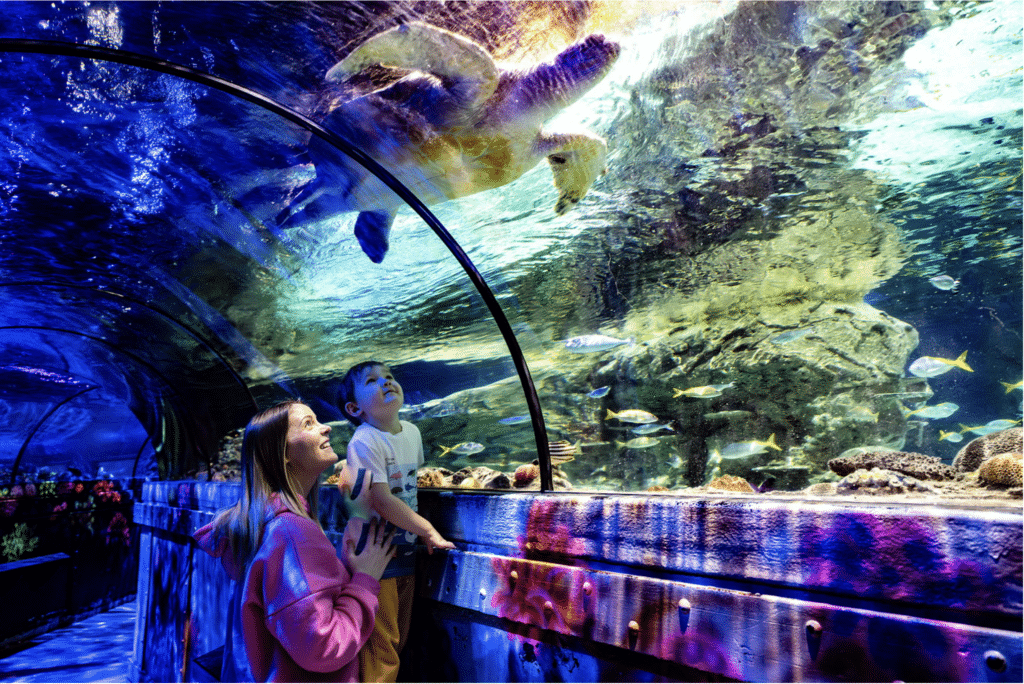
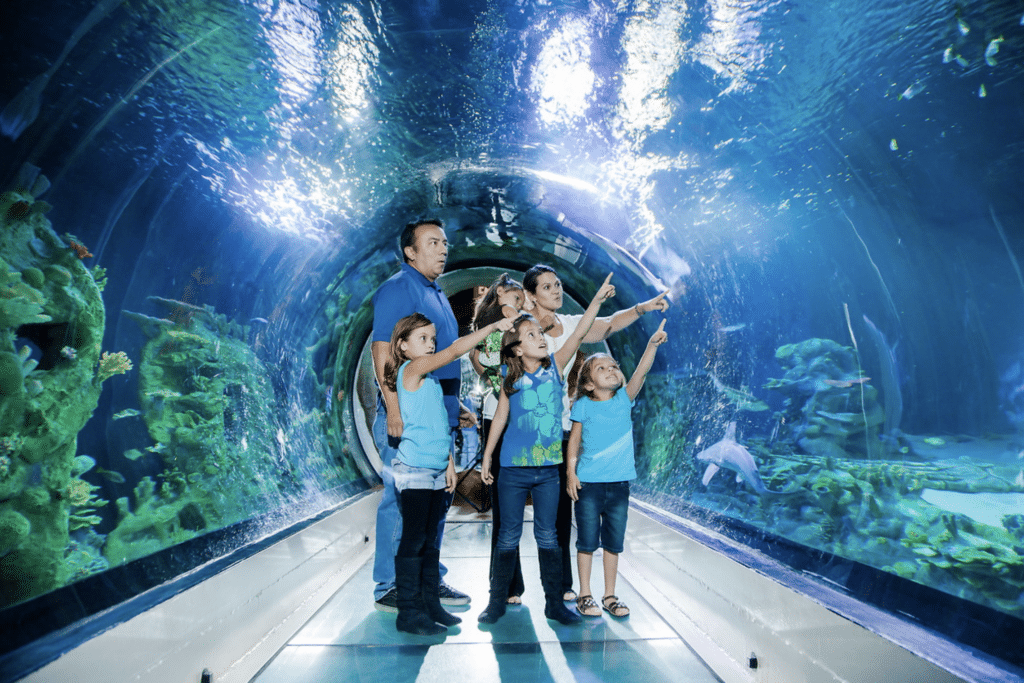
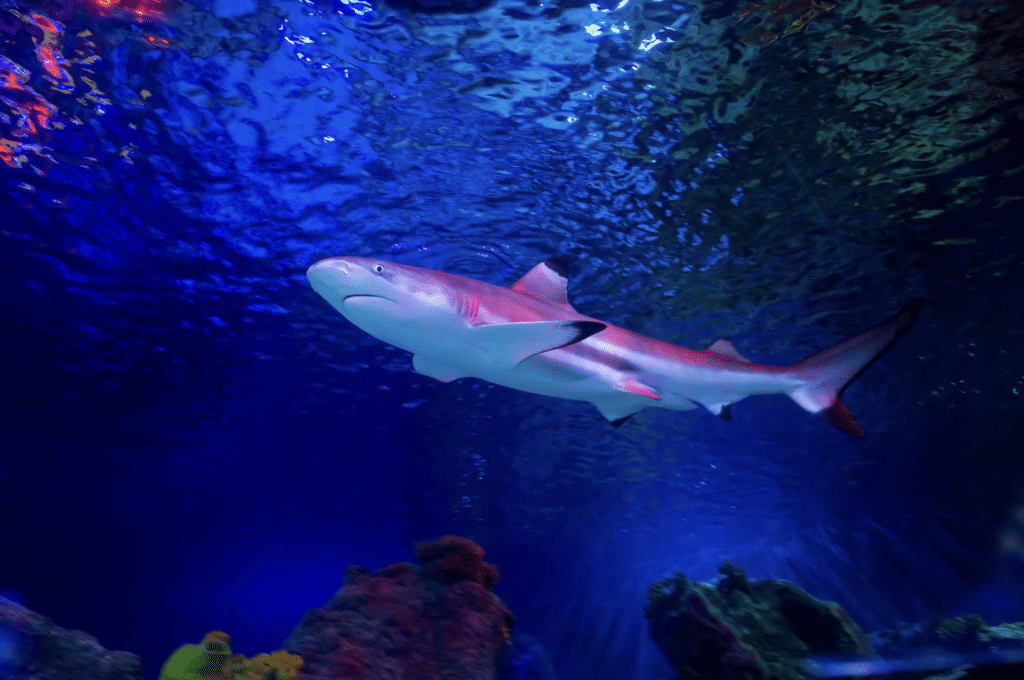
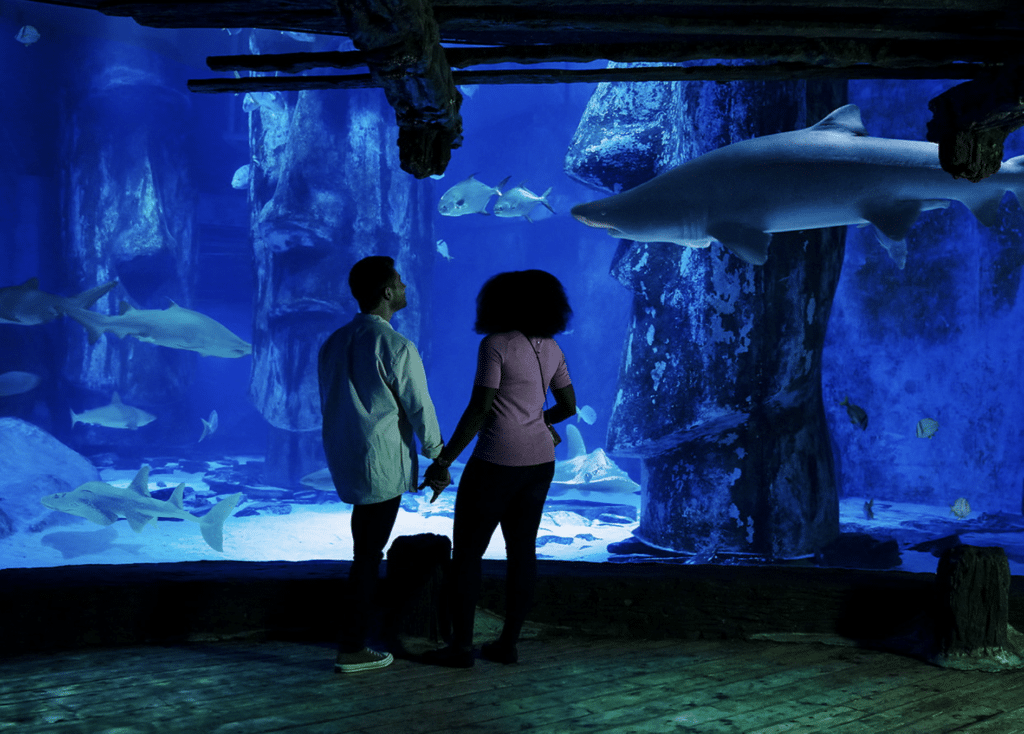
- Elasmobranchs (Sharks and Rays): Several locations feature massive ocean tank displays equipped with immersive walk-through glass tunnels. Visitors can observe blacktip reef sharks, nurse sharks, and gliding stingrays from a unique underwater perspective.
- Coral Reef Ecosystems: Replicating tropical marine environments, these vibrant exhibits house clownfish, regal tangs, sea horses, and delicate live coral formations that highlight the fragile beauty of global barrier reefs.
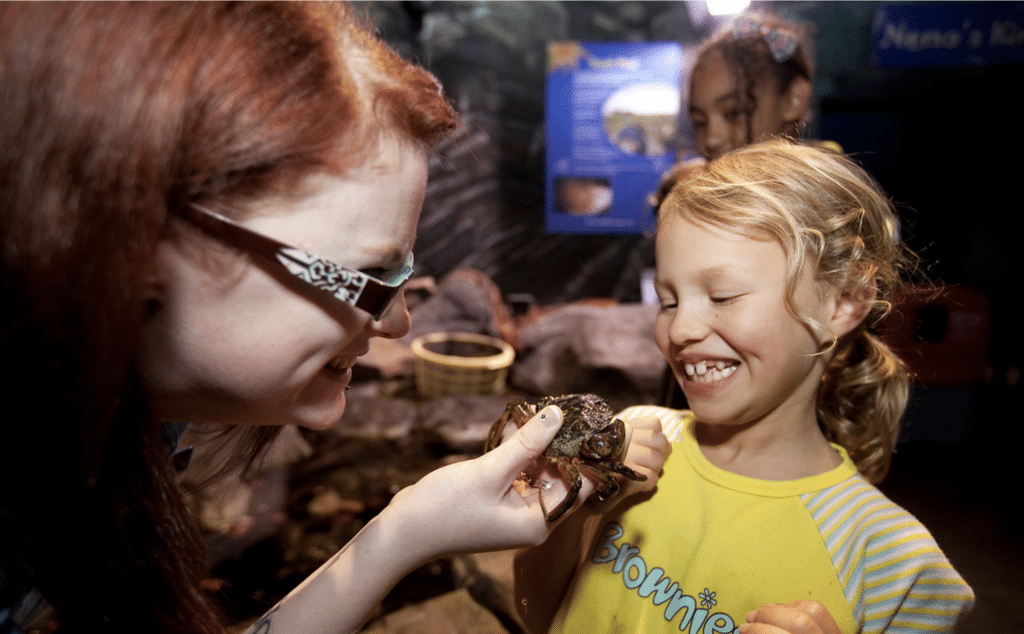
- Cold-Water and Native Species: Nodding back to the brand’s Scottish roots, many locations dedicate significant exhibit space to native British marine life, including spider crabs, conger eels, and intelligent common octopuses.
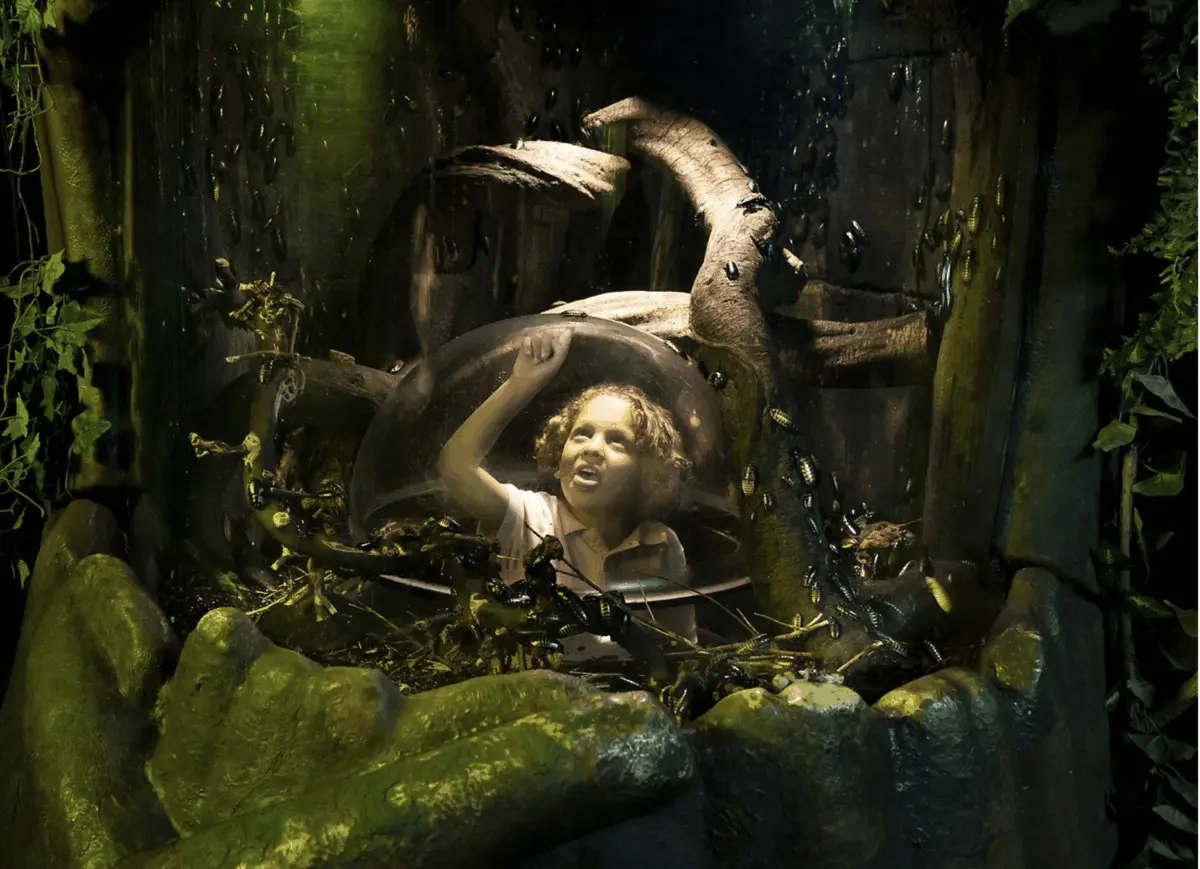
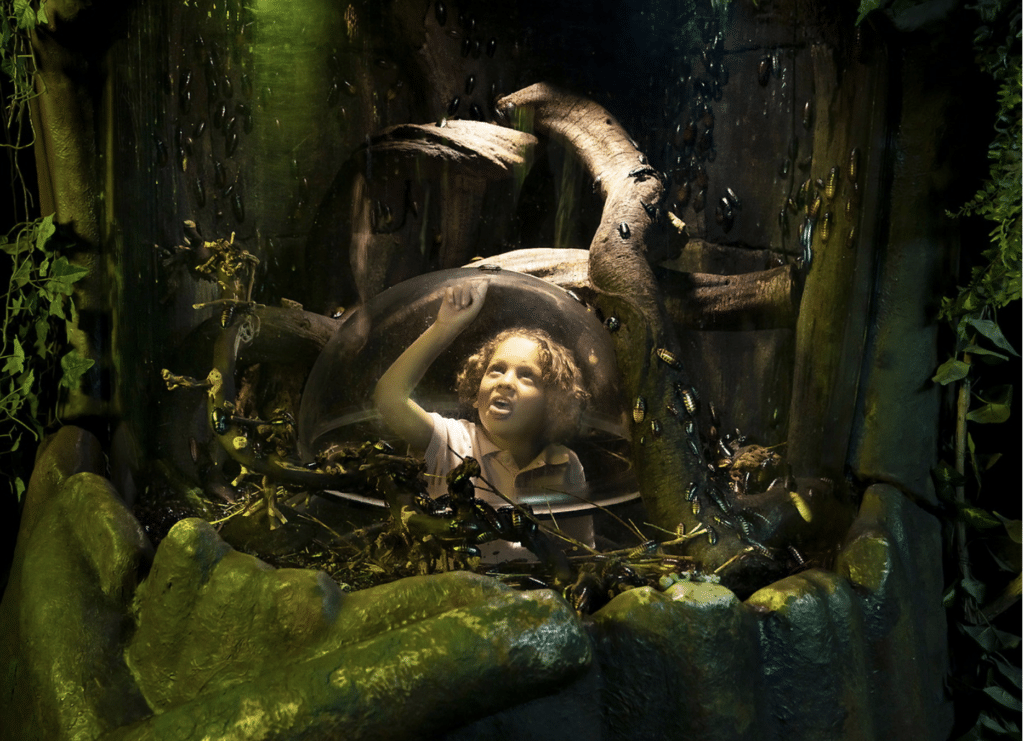
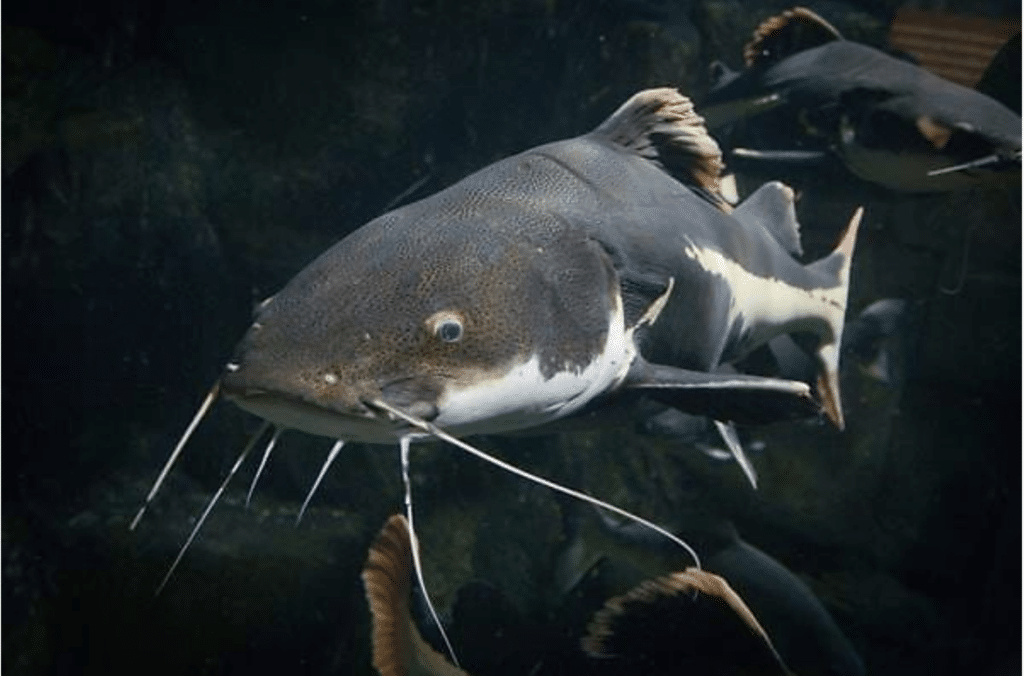
- Freshwater and Rainforest Habitats: Expanding beyond saltwater ecosystems, select facilities feature Amazonian flooded forest zones housing giant freshwater fish, piranhas, and free-roaming reptiles.
Tailored Experiences and Inclusive Visitor Programs
Recognizing that modern audiences seek deeper, more personalized engagements with cultural attractions, SEA LIFE has diversified its operational programming far beyond daytime walk-throughs:
- SEA LIFE Lates (18+): Designed exclusively for adult visitors, these evening events strip away the daytime bustle, offering a complimentary drink upon entry and a relaxed, kid-free atmosphere to explore the exhibits at a meditative pace.
- Quiet at the Aquarium: Addressing the needs of neurodivergent visitors, autism charities, and those sensitive to sensory overload, these dedicated morning sessions open an hour early with reduced capacity and all ambient overhead music switched off.
- Seasonal Festivities: From "Tricks and Treats" Halloween programs that weave marine folklore with spooky storytelling, to festive "Santa’s Grotto" events where Father Christmas visits aquatic environments, these seasonal hooks drive consistent year-round attendance.
Accessibility and Inclusion Metrics
Modern leisure facilities must adhere to stringent accessibility standards, and the SEA LIFE network has made notable strides in ensuring equitable access:
- Companion Policies: Every UK SEA LIFE aquarium offers a complimentary carer or companion ticket alongside any standard full-price ticket purchased for a guest requiring dedicated assistance.
- Physical Infrastructure: Step-free access, wide-berth viewing platforms, and accessible restroom facilities are standard across all major urban and coastal sites. However, due to the historic nature of certain buildings (such as parts of the Brighton and London locations), visitors with specific mobility requirements are encouraged to consult venue-specific access guides prior to arrival.
Official Guidelines: Operations, Food, and Security
Ticketing Structures
To accommodate varying budgets and frequency of visits, SEA LIFE employs a tiered ticketing ecosystem:
- Standard Day Tickets: Pre-booked online tickets offer significant discounts compared to gate prices, encouraging advance planning and crowd management.
- Flexible Anytimed Tickets: Premium options allowing visitors to arrive at any point during operating hours without being bound to a strict time slot.
- Combination Tickets: Bundled passes allowing multi-attraction access (such as pairing a SEA LIFE visit with local Merlin attractions like the London Eye, Madame Tussauds, or Alton Towers).
- Merlin Annual Passes: Geared toward frequent visitors, providing unlimited access across the nationwide Merlin Entertainments portfolio along with exclusive merchandise and event discounts.
Food, Beverage, and On-Site Amenities
Dining options vary considerably across the portfolio, and visitors must note venue-specific policies regarding external food and drink:
- London, Birmingham, and Brighton: These locations generally do not permit outside food or snacks to be consumed within the exhibit areas. While London relies primarily on automated vending machines for light refreshments, Brighton features a small coffee shop opposite the Ray Pool, and Birmingham operates with strictly limited on-site dining infrastructure.
- Manchester and Blackpool: Both sites feature dedicated internal refreshment hubs—such as Ernie’s Shell Shack in Manchester and an exit-side café in Blackpool—serving hot beverages, light snacks, and baked goods. Like their sister sites, outside food is strictly prohibited within the main attraction spaces.
Health, Safety, and Security Protocols
Operated under the overarching safety framework of Merlin Entertainments, all SEA LIFE centres enforce rigorous security measures.
- Bag Inspections: Mandatory bag checks are conducted at entry checkpoints.
- Prohibited Items: Sharp objects, illegal substances, open alcohol containers, and hazardous materials are strictly barred from the premises.
- Animal Welfare Standards: In alignment with modern zoo and aquarium accreditation standards, veterinary care teams operate on-site to monitor water quality, nutritional intake, and behavioral enrichment for all resident species.
Future Outlook: Conservation and Sustainable Tourism
As public consciousness surrounding climate change, ocean acidification, and single-use plastic pollution intensifies, the role of aquariums is undergoing a philosophical transformation. No longer viewed simply as static menageries, institutions like SEA LIFE are increasingly evaluated on their active contributions to environmental science and marine conservation.
Looking toward the future, the strategic focus for SEA LIFE centres across the UK centers on three key pillars:
- Active Field Conservation: Initiatives such as the SEA LIFE Blackpool Beach Clean program empower local communities and visitors to translate their aquarium experience into tangible environmental action along British shores.
- Breeding and Rehabilitation Programs: Expanding successful propagation programs for endangered species—ranging from seahorses to native rays—helps maintain genetic insurance populations against declining wild habitats.
- Educational Outreach: Collaborating with schools and youth organizations to foster ocean literacy from an early age, ensuring that the next generation remains committed to sustainable marine practices.
By balancing commercial entertainment with rigorous scientific stewardship, SEA LIFE aquariums secure their position not only as beloved British leisure destinations, but as crucial advocates for the health of our planet’s blue heart.