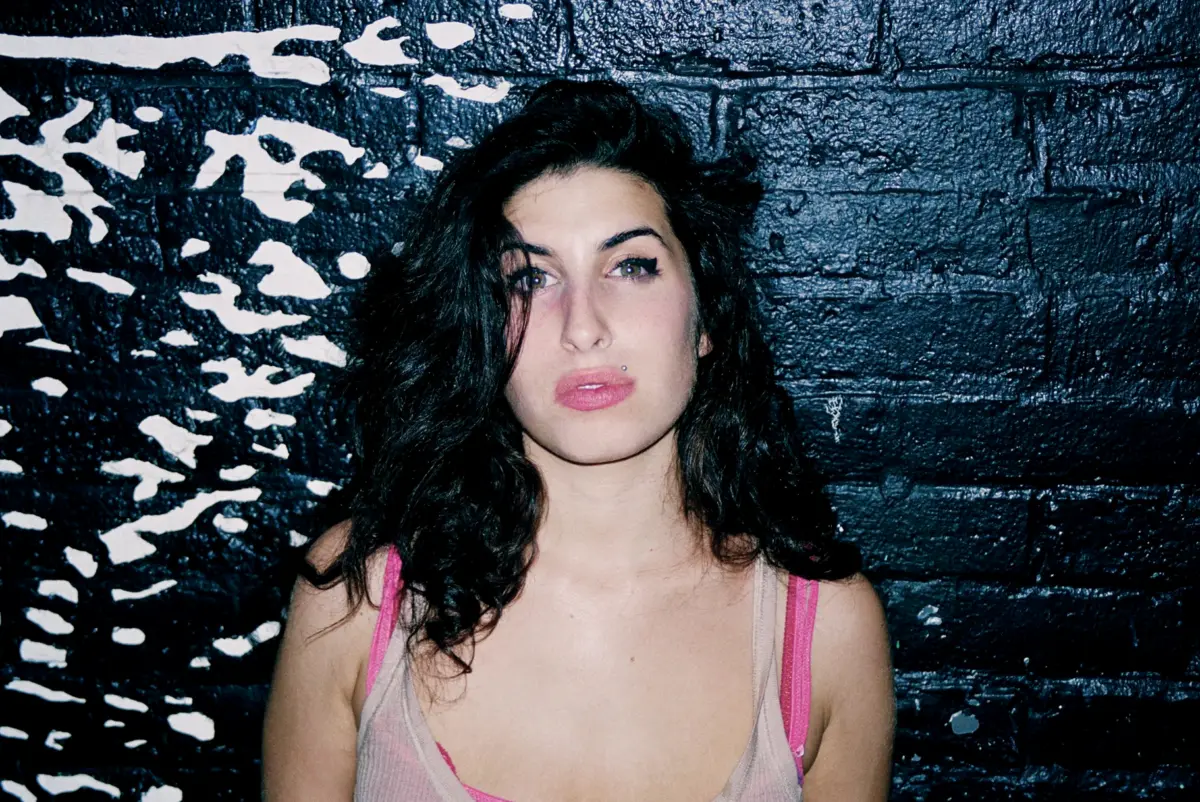
"Music is the only thing that will give and give and give and not take."
— Amy Winehouse
Executive Overview
Fifteen years after her tragic passing on July 23, 2011, the artistic footprint of Amy Winehouse remains as vital, arresting, and immediate as it was during the peak of her meteoric rise. Though she released only two studio albums during her lifetime—Frank (2003) and Back to Black (2006)—her impact on the landscape of popular music stretches far beyond the numerical size of her catalogue. Winehouse fundamentally recalibrated the trajectory of British soul, re-introduced sophisticated jazz phrasing into the mainstream pop lexicon, and demonstrated how raw, conversational, unvarnished autobiography could achieve universal resonance.
Her legacy is not merely preserved in amber; it is actively alive. Today, her stylistic DNA and fearless approach to identity echo loudly through the work of contemporary luminaries such as RAYE, Olivia Dean, Billie Eilish, Celeste, and Lola Young. These artists do not mimic her; rather, they inherit her artistic freedom—the license to seamlessly blend classic, mid-century musical references with honest, thoroughly modern lives.

As we look back across a decade and a half without her singular physical presence, the imperative remains clear: to truly understand Winehouse’s genius, one must return to the music. Across her foundational studio albums and the posthumous collection Lioness: Hidden Treasures (2011), we trace an uncompromising career built on vocal virtuosity, emotional fearlessness, and a timeless devotion to the craft.
Detailed Chronology: The Evolution of an Icon
The Genesis: Frank (2003) and the Discovery of a Prodigy
Amy Winehouse’s musical education began long before she entered a professional recording studio. Immersed in her father Mitch’s expansive record collection from an early age, she grew up absorbing the phrasing and cadences of mid-century masters like Frank Sinatra, Dinah Washington, and Sarah Vaughan. That early education forged an instinctive, deeply informed sound that felt entirely out of step with the hyper-polished bubblegum pop of the early 2000s, yet completely timeless.
At just 19 years old, Winehouse signed to Island Records. The signing itself is a legendary piece of music industry lore: Island executive Darcus Beese accidentally overheard Winehouse’s vocals on a promotional recording intended for an entirely different client. Captivated by her distinct timbre, Beese spent months tracking down the mysterious young singer from North London.

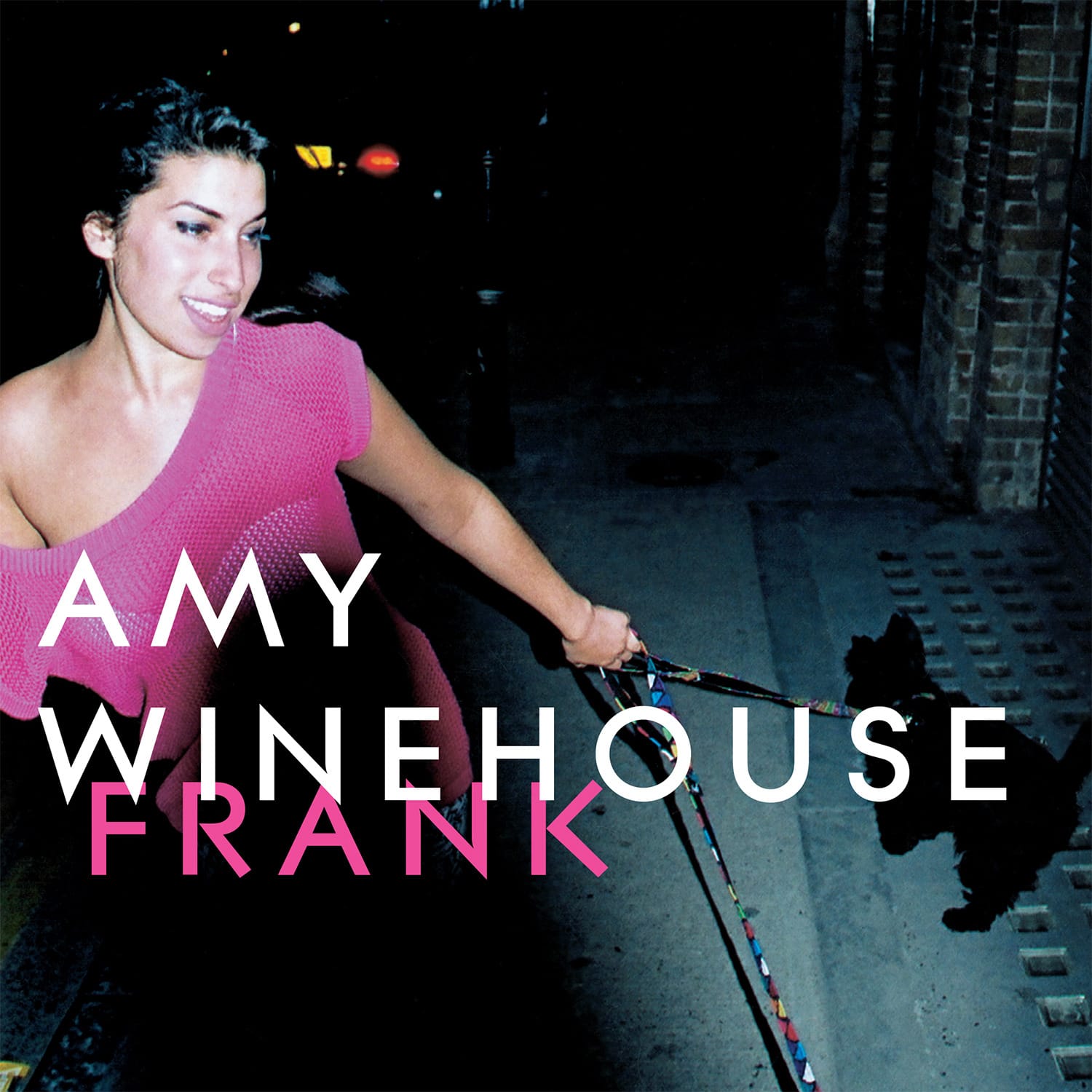
Released in 2003, her debut album, Frank, introduced an artist with a fully formed identity. Production handled by Salaam Remi, Commissioner Gordon, Jimmy Hogarth, and others provided Winehouse with a spacious sonic playground. Hip-hop-influenced breakbeats sat comfortably alongside upright acoustic basses, warm brass sections, and complex jazz harmony, while Winehouse’s voice danced effortlessly across the rhythm—slipping behind the beat or darting ahead of it with improvisational brilliance.
Frank captured the sharp, cynical, yet vulnerable wit of a teenager who had spent too many late nights in smoky rooms. Her overarching artistic philosophy for her life’s work was arguably summarized years earlier in an application letter to the Sylvia Young Theatre School at age twelve: "I want people to hear my voice and just forget their troubles for five minutes."
The Masterpiece: Back to Black (2006) and Global Phenomenon
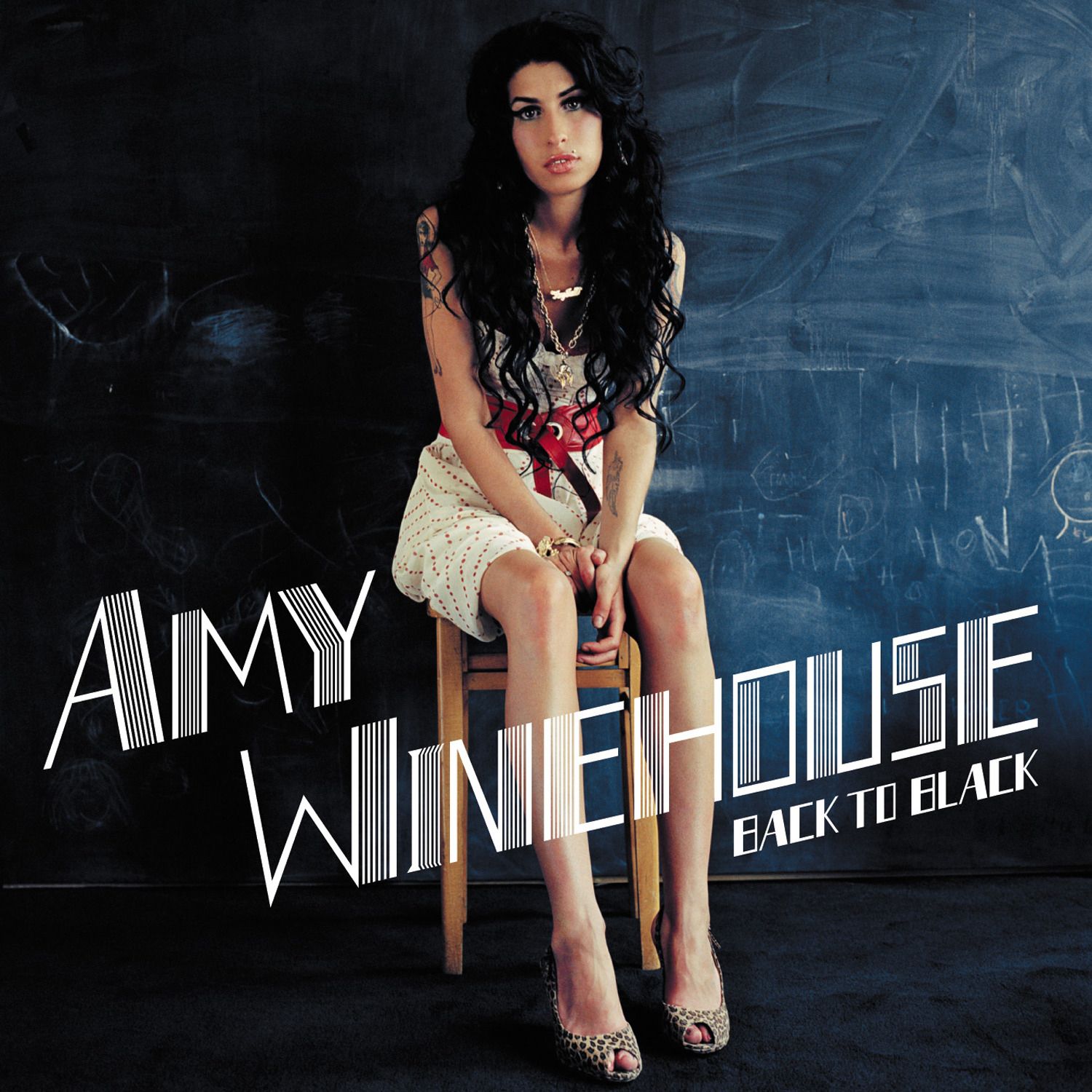
If Frank announced her arrival, Back to Black cemented her immortality. Released in 2006, the album stands as one of the most era-defining cultural artifacts of the 21st century.
The production landscape shifted to incorporate the cinematic, punchy sweep of 1960s girl-group pop and classic soul, courtesy of Mark Ronson and Brooklyn’s Dap-Kings, while Salaam Remi maintained the organic warmth and rhythmic looseness established on her debut. At the center of these contrasting yet complementary production styles was Winehouse’s vocal instrument—conversational and cheeky one moment, utterly devastating the next.
"I don’t need help because if I can’t help myself I can’t be helped."
— Amy Winehouse
Lyrically, Back to Black mapped the harrowing topography of heartbreak, self-sabotage, and addiction. Winehouse never sanitized her pain or wrapped difficult emotions in polite metaphors. Her personal battles with substance abuse and her infamous public resistance to institutional intervention bled directly into the stark lyricism of tracks like "Rehab," "You Know I’m No Good," and the title track.
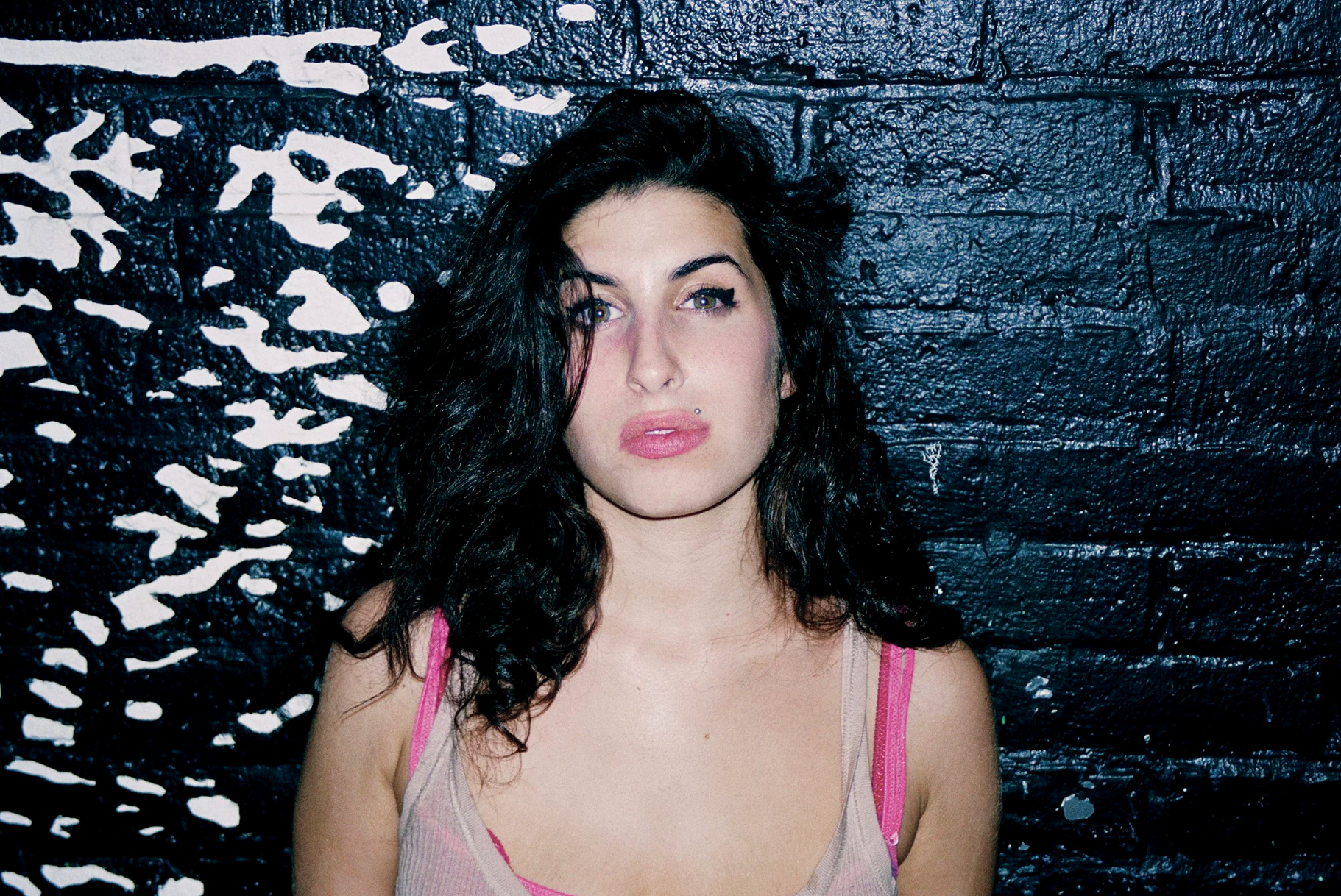
This unflinching self-awareness resonated globally. The album propelled Winehouse to unprecedented international success, garnering six Grammy nominations at the 50th Annual Grammy Awards in 2008, of which she historicially won five, including Song of the Year and Record of the Year for "Rehab." Today, Back to Black is enshrined as a Rough Trade Essential, remaining a cornerstone of modern record collections nearly two decades after its pressing.
The Final Chapter: Lioness: Hidden Treasures (2011)
Following her tragic passing in July 2011 at the age of 27, close collaborators Salaam Remi and Mark Ronson returned to the archives. Sifting through unreleased tracks, alternate takes, and demo recordings made before, during, and after the cycles of Frank and Back to Black, they realized an invaluable collection of material remained unheard.
Released posthumously through Island Records, Lioness: Hidden Treasures offered a poignant 12-track window into her creative process. Featuring alternate versions of beloved classics, covers, and brilliant original compositions, the album served as a bittersweet reminder of a talent cut tragically short, proving that even Winehouse’s outtakes operated at a standard far above her contemporaries.
Supporting Context & Metrics: Cultural Resonance and Cinematic Retrospectives
The cultural afterlife of Amy Winehouse has been heavily scrutinized, mediated, and occasionally sensationalized by the film and television industries. Two major cinematic projects have attempted to parse the complex intersection of her immense talent and her hyper-publicized struggles:
- Amy (2015): Directed by Asif Kapadia, this Academy Award-winning documentary offered a deeply intimate, archive-led portrait that stripped away the tabloid headlines. By utilizing home video footage, voicemail recordings, and unvarnished interviews, Kapadia successfully returned agency to the artist, centering her humanity and chronicling the predatory nature of the British paparazzi that exacerbated her final years.
- Back to Black (2024): Directed by Sam Taylor-Johnson, this narrative biopic introduced Winehouse’s life and music to a brand-new generation of listeners. While the film sparked critical conversations regarding the immense challenges of replicating such a distinct, lightning-in-a-bottle musical world on the silver screen, it simultaneously drove streaming numbers and vinyl sales to new heights.
(For a granular look at how Winehouse’s iconic sonic universe was adapted for the screen, explore Rough Trade’s exclusive In Conversation feature with music producer Giles Martin and music supervisor Iain Cooke.)
Official Statements and Archival Quotes
Amy Winehouse’s worldview was defined by an unyielding commitment to artistic integrity, a fierce independence, and a profound, sometimes painful relationship with her own craft. Reflecting on her career trajectory, her ambitions, and her relationship with the stage, her own words continue to define her ethos:
- On the purity of her medium: "Music is the only thing that will give and give and give and not take."
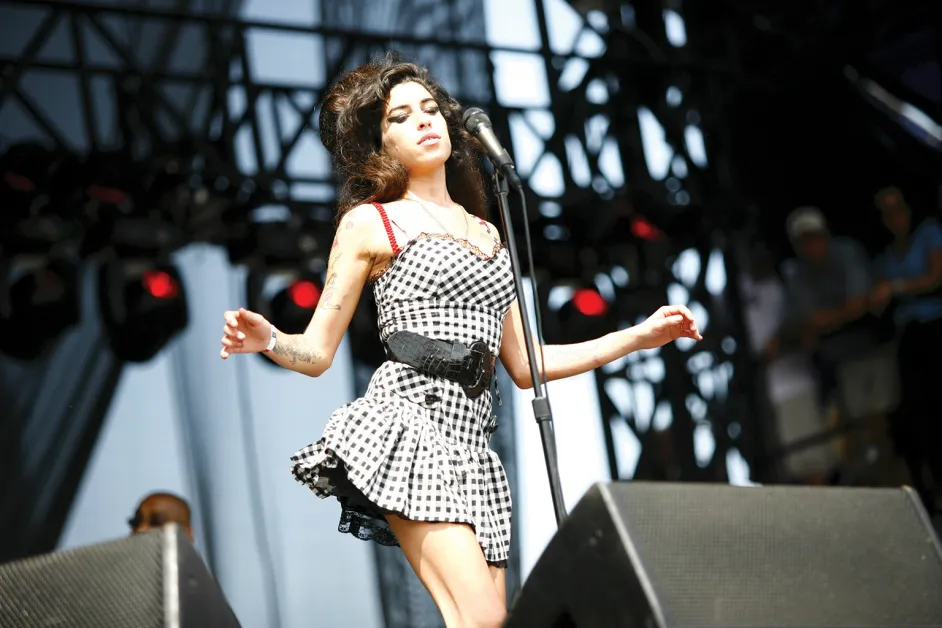
- On her relentless drive to perform: "I live to go on stage. I would be on tour for the rest of the life if I could be."
- On her versatility and refusal to be pigeonholed: "I don’t ever want to do anything mediocre. I want to be different, definitely. I’m not a one-trick pony. I’m at least a five-trick pony."
These statements encapsulate the paradox of Amy Winehouse: an artist who viewed the stage as her ultimate sanctuary while battling the compounding pressures of an industry ill-equipped to handle her unfiltered honesty.
Future Outlook: A Continuing Lineage
As we cross the fifteen-year threshold since her passing, the question facing the music industry is no longer how to mourn Amy Winehouse, but how to properly protect and nurture the artists who follow in her wake.
The modern musical landscape—dominated by genre-fluid singer-songwriters who write brutally honest lyric sheets over organic instrumentation—bears the unmistakable fingerprints of Winehouse’s revolution. Artists today operate with a creative freedom that was hard-won by Winehouse’s refusal to conform to mid-2000s pop archetypes. Record labels, supervisors, and producers are increasingly recognizing the necessity of protecting vulnerable talent, learning hard lessons from the systemic failures that shadowed Winehouse’s final years.
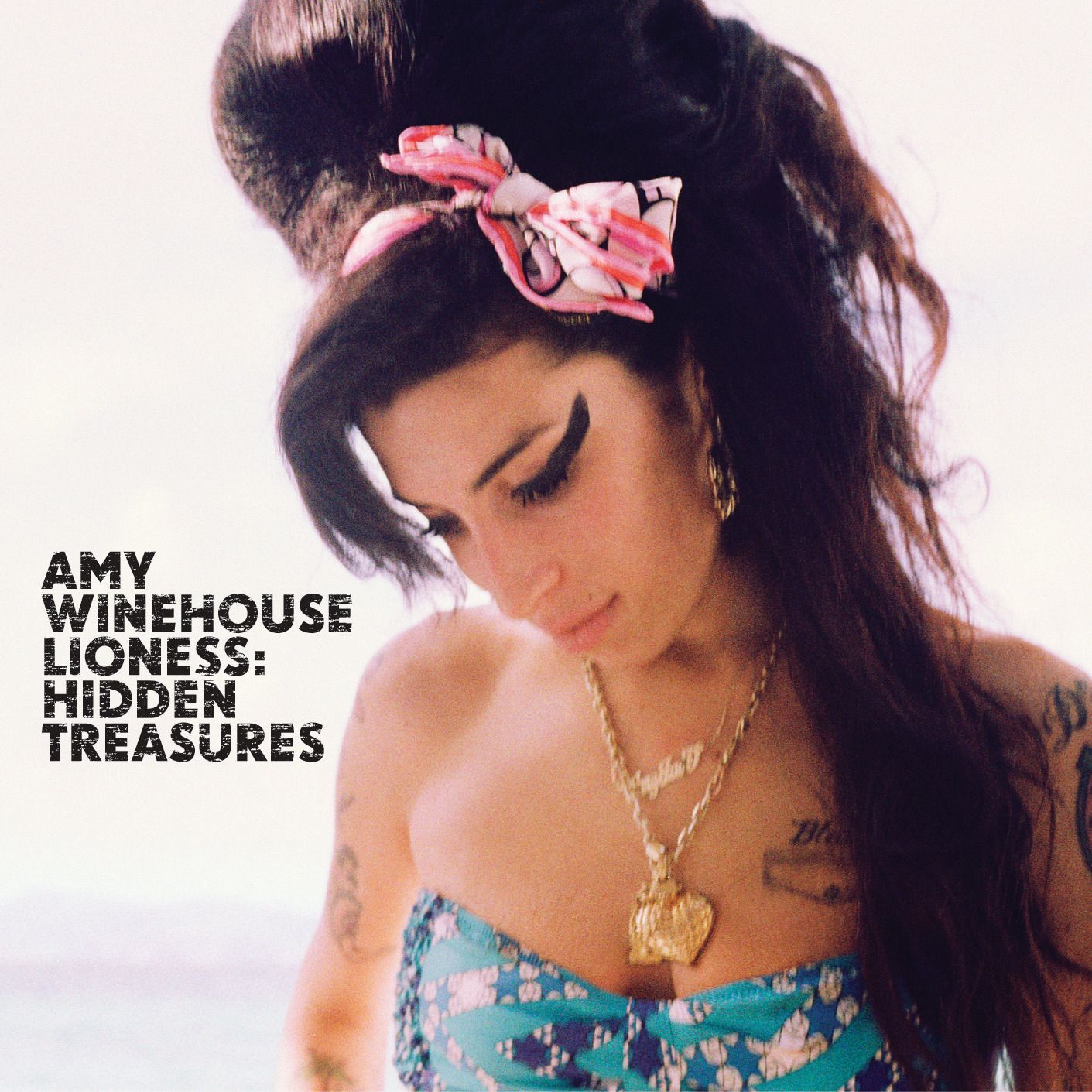
Fifteen years on, Amy Winehouse is no longer just a musician; she is an institutional touchstone of British culture. Through Frank, Back to Black, and Lioness: Hidden Treasures, her voice remains a permanent fixture of our collective emotional landscape—a one-of-a-kind artist, then, now, and always.