It is a maxim that resists attribution, yet it rings as loud and true as a 50Hz bassline rattling through a towering wall of custom-built loudspeakers. For more than three-quarters of a century, the history of reggae, dub, and sound system culture has been one of radical physical movement.
Originating in the sun-drenched dancehalls and street corners of Kingston, Jamaica, in the 1940s, the sound system was never merely a method for playing recorded music. It was—and remains—a mobile temple. Stacks of speakers, meticulously engineered and painstakingly transported by tight-knit crews of DJs, vinyl collectors, and self-taught acoustic technicians, transformed public spaces into zones of communal ecstasy and political resistance.
When the Windrush generation carried this vibrant sonic architecture across the Atlantic to Great Britain, it embedded itself deeply into the marrow of Black British life, eventually giving rise to a thriving underground counterculture. From the defiant alliances forged between reggae and punk in late-1970s London to the ongoing reverberations of the Notting Hill Carnival—celebrating its monumental 60th anniversary in 2026—the sound system has fundamentally shaped the auditory, social, and political topography of the UK.
As part of Rough Trade’s 50th-anniversary celebrations, Marketing and Content Manager Georgia Mulraine looks back at ten foundational reggae and dub albums. These are records that did not merely capture a performance; they captured the physical, emotional, and political weight of a seismic cultural exchange.
Executive Overview
The global resonance of Jamaican music is inextricably linked to the evolution of the sound system. Long before reggae dominated international festival stages or found its way into mainstream pop arrangements, it was an indigenous, grass-roots phenomenon built on custom amplifiers, pre-releases ("dubplates"), and the competitive electricity of the Kingston dancehall.
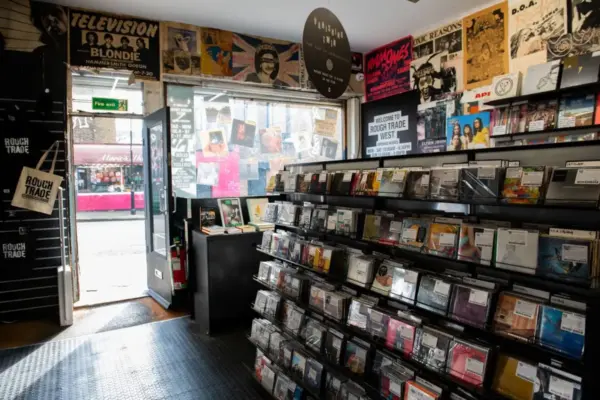
When exported to the UK via Caribbean migration, this culture encountered an economically depressed, racially volatile British landscape. Far from existing in a vacuum, reggae became the ideological and aesthetic lifeblood for a generation of working-class youth—both Black and white—who found common cause in anti-establishment politics, DIY record production, and independent retail spaces like the original Rough Trade shop, which opened on Kensington Park Road in West London in 1976.
This retrospective explores ten landmark albums spanning 1972 to 1982. Together, they trace an arc from roots storytelling and Studio One classicism to the birth of dub, international crossover success, and the genre-bending post-punk experiments of the British underground.
Detailed Chronology: Ten Essential Reggae and Dub Masterpieces
1. Jimmy Cliff – The Harder They Come (1972)
More than a traditional soundtrack, The Harder They Come was the cinematic and sonic vehicle for Perry Henzell’s legendary film of the same name. Operating much like a miniature sound-system session where vocalists, harmony groups, and deejays share the spotlight, the album features Cliff’s defiant title track alongside Toots and the Maytals’ Pressure Drop, The Melodians’ Rastafarian standard Rivers of Babylon, and Desmond Dekker’s Shanty Town.
Released in the UK by Island Records and via its Mango imprint in North America, the record brilliantly repackaged music engineered for Jamaican dances and jukeboxes into a coherent, international long-player. Its success laid the commercial and critical groundwork for Island’s subsequent, monumental work with Bob Marley and the Wailers.
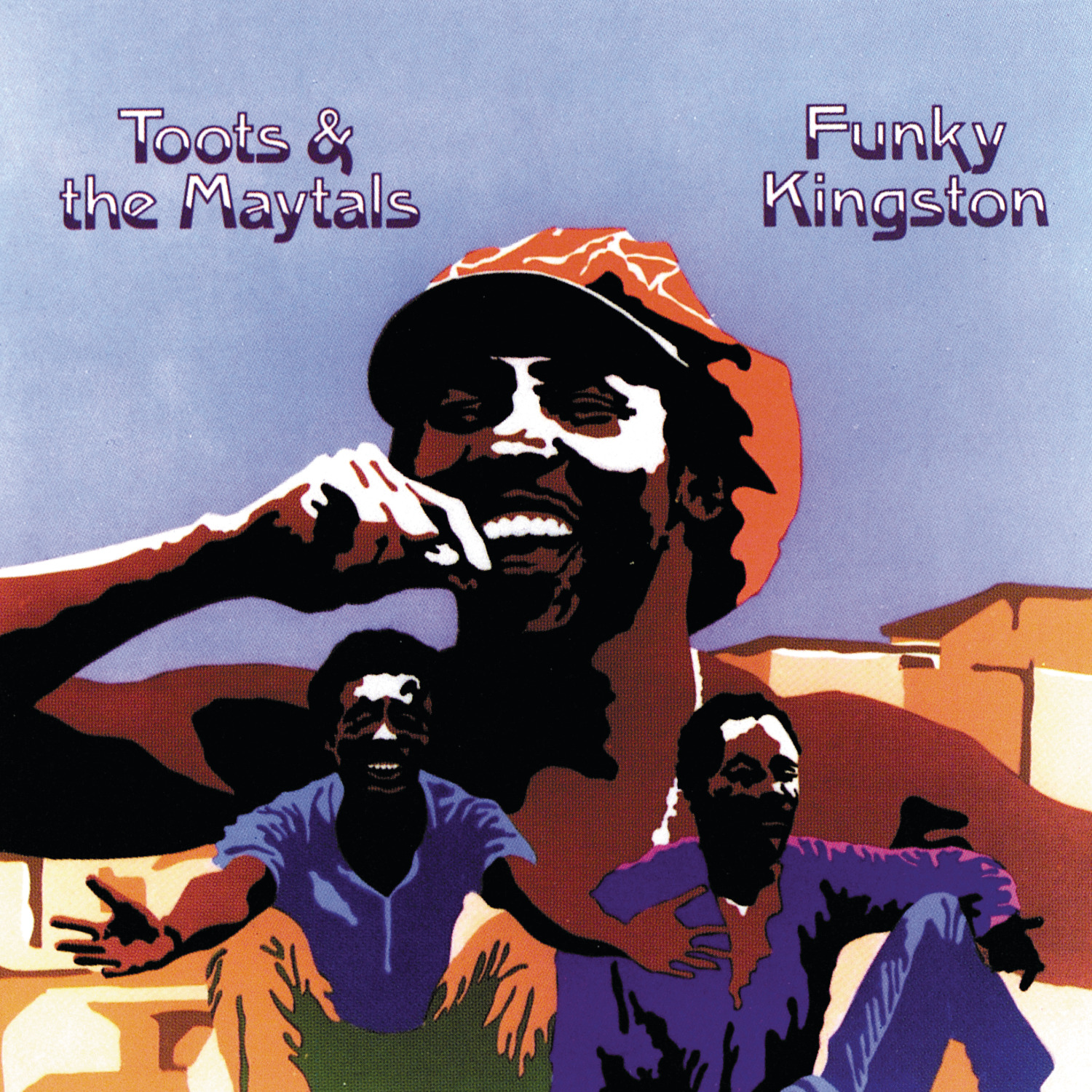
2. Toots and the Maytals – Funky Kingston (1973)
“Almost heaven, West Jamaica / True ridge mountains, shining down the river…”
Recorded primarily at Dynamic Sounds in Kingston and produced by Warwick Lyn, Dave Bloxham, and Island founder Chris Blackwell, Funky Kingston is a definitive full-length statement from Toots Hibbert, Raleigh Gordon, and Jerry Matthias. Having cut their teeth at Clement “Coxsone” Dodd’s Studio One—Jamaica’s first Black-owned recording studio—The Maytals were instrumental in evolving the sound of ska and rocksteady before helping coin the very term "reggae" with their track Do the Reggay.
Toots’ church-trained vocals, underscored by gospel-infused harmonies and a deeply disciplined rhythm section, introduced subtle nods to soul, funk, and country music, proving that Jamaican music could effortlessly cross cultural divides.
3. Marcia Griffiths – Sweet and Nice (1974)
Originally issued in Jamaica under the title Play Me Sweet and Nice, Marcia Griffiths’ 1974 solo debut occupies a vital space bridging rocksteady, soul-reggae, and the nascent language of lovers rock.
The album’s significance to sound-system culture lies in its mood: lush, romantic vocal cuts designed to cool the atmosphere after a punishing set of roots and dub records. Griffiths’ career is peerless. After honing her craft at Studio One, she formed Bob and Marcia alongside Bob Andy, scoring an international hit with their reggae adaptation of Nina Simone’s Young, Gifted and Black via Trojan Records. In the same year her debut dropped, Griffiths joined Rita Marley and Judy Mowatt as the I-Threes, providing the celestial harmonies that elevated Bob Marley & The Wailers to global royalty.
4. King Tubby – Dub From The Roots (1975)
Osbourne Ruddock, universally known as King Tubby, fundamentally transformed the mixing desk from a mechanical recording apparatus into an instrument of profound creative expression. Tubby stripped reggae master tapes down to their bare rhythmic foundations, rebuilding them in real-time through strategic applications of reverb, tape delay, echo, and sudden dropouts.
Dub From The Roots stands as a radical masterclass in this approach. Born out of the "version" sides of 7-inch singles—which provided selectors with exclusive dubplate material and deejays with space to toast—Tubby’s studio wizardry not only reshaped Jamaican sound-system performance but laid the structural blueprints for remix culture across hip-hop, post-punk, and modern electronic dance music.
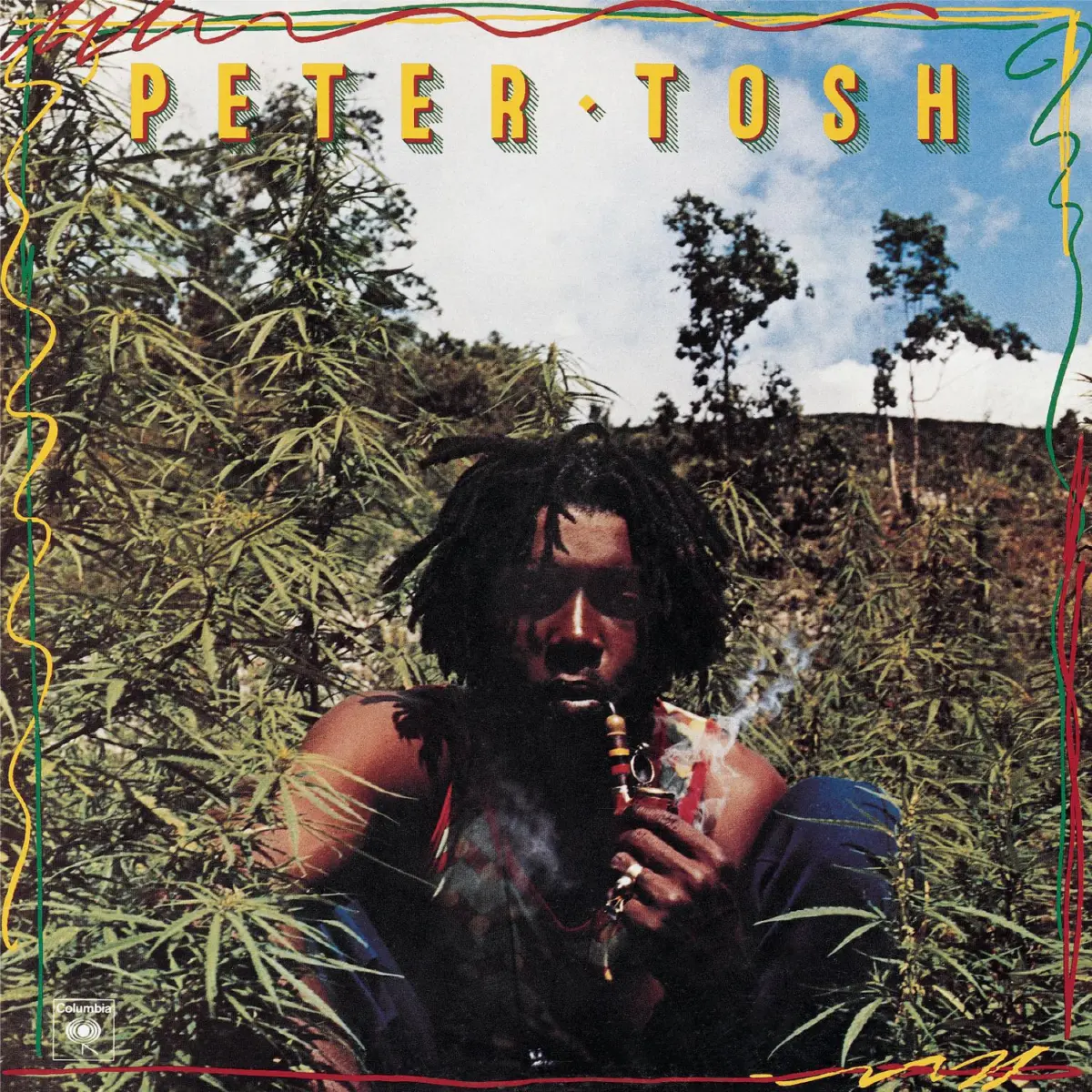
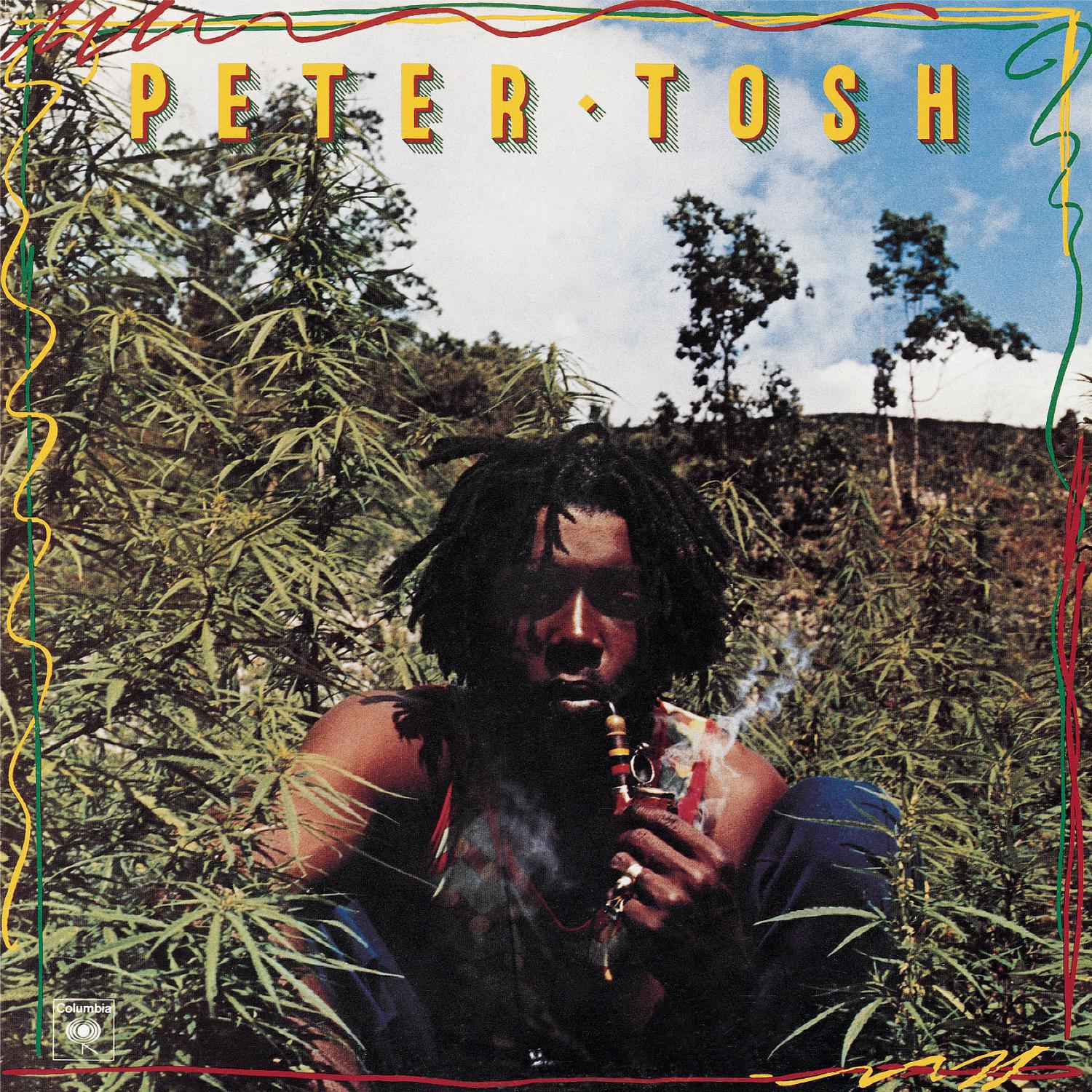
5. Peter Tosh – Legalize It (1976)
Having honed his piercing vocal harmonies alongside Bob Marley and Bunny Wailer in the original Wailers lineup, Peter Tosh embarked on a fierce solo career following the trio’s fracture. Dubbed the "Stepping Razor" for his uncompromising lyrics and razor-sharp intellect, Tosh delivered an album tailor-made for sound systems through its unapologetic confrontation of drug laws, systemic corruption, and police brutality.
Though infamously banned in Jamaica upon release due to its explicit advocacy for cannabis reform, Legalize It transcended local censorship to become a universal anthem for personal freedom and human rights.
6. Lee "Scratch" Perry and the Upsetters – Super Ape (1976)
Produced at his legendary Black Ark studio, Lee "Scratch" Perry’s Super Ape is a masterclass in sonic alchemy. Perry treated the mixing console as a live instrument, manipulating bass frequencies, drum breaks, vocal fragments, and eccentric sound effects on the fly.
Tracks like Croaking Lizard—which reworked his production of Max Romeo’s seminal Chase the Devil (later famously sampled by The Prodigy on Out Of Space)—demonstrated how studio experimentation could mirror the dynamic energy of a sound system dance. Perry’s pioneering use of tape saturation, heavy delay, and recycled rhythms directly anticipated the developments of trip-hop, jungle, and dubstep.
7. Bob Marley and the Wailers – Exodus (1977)
Recorded in London in the wake of a 1976 assassination attempt in Kingston, Exodus is an album defined by the paradox of displacement and spiritual uplift. Propelled by the bass-heavy, rhythmically hypnotic title track, the record cemented reggae’s dominion over international rock venues and FM radio.
Anthem after anthem—from the communal celebration of Jamming to the enduring optimism of Three Little Birds and One Love/People Get Ready—showcased Marley’s unique ability to merge fierce roots consciousness with universal pop accessibility. Bolstered by the majestic vocal interplay of the I-Threes, Exodus remains the definitive global masterpiece of the genre’s ultimate ambassador.
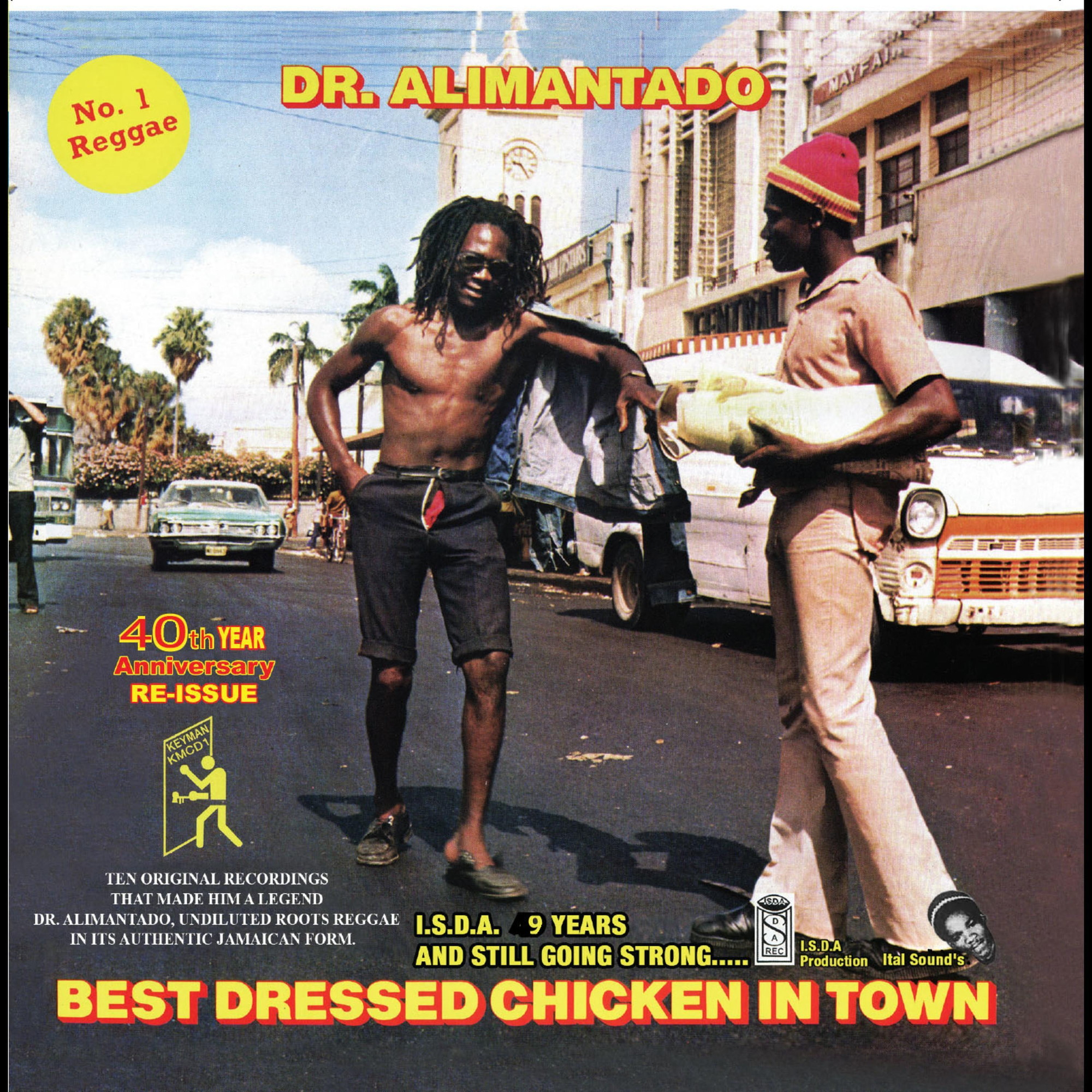
8. Dr Alimantado – Best Dressed Chicken in Town (1978)
Born Winston Thompson, Dr Alimantado was a master deejay who constructed his performances from social commentary, sharp wit, boasting rhymes, and rhythmic speech. Best Dressed Chicken in Town compiles essential singles recorded between 1972 and 1978 across Jamaica’s finest studios—Black Ark, Channel One, Randy’s, and King Tubby’s.
Featuring vocal contributions from reggae royalty like Horace Andy, John Holt, and Gregory Isaacs, the album became the very first long-player issued by Greensleeves Records. Championed by British punk icons like Johnny Rotten, Alimantado’s work helped bridge the gap between Jamaican dancehall culture and the UK punk underground.
9. The Slits – Cut (1979)
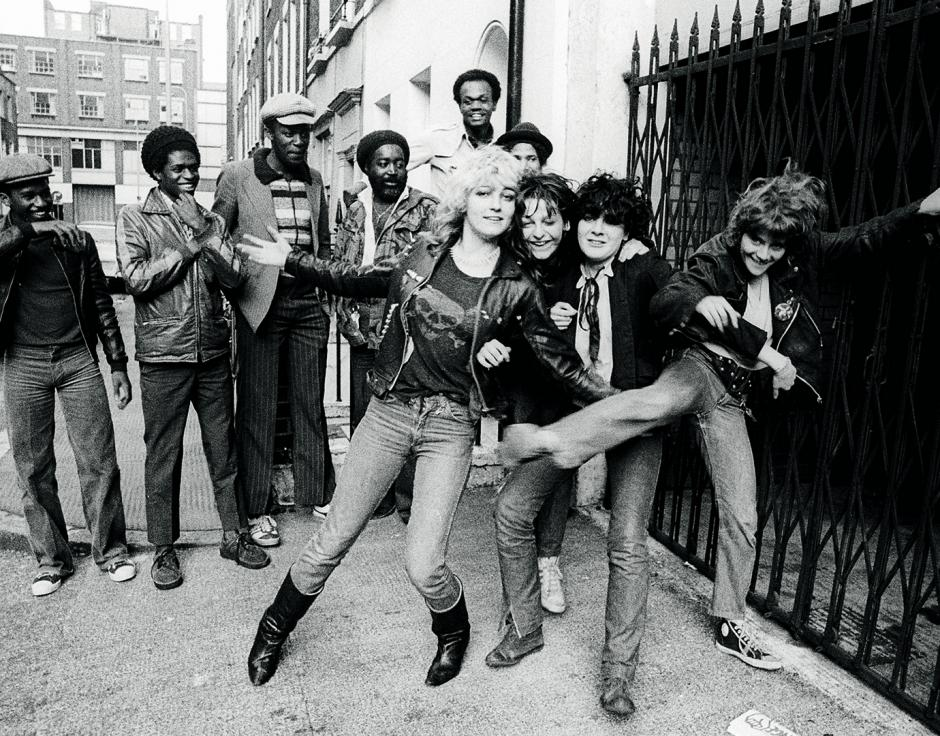
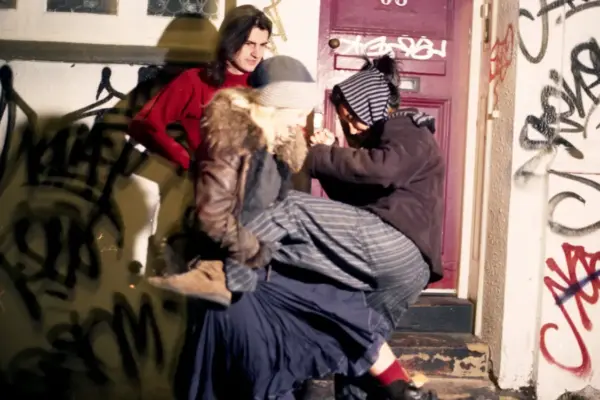
While not a traditional Jamaican reggae record, The Slits’ debut album Cut stands as one of the most brilliant examples of sound-system culture colonizing British post-punk. Ari Up, Viv Albertine, and Tessa Pollitt, alongside drummer Budgie, had emerged from the raw punk collective orbiting The Clash and the Sex Pistols. By 1979, however, they had fully embraced the syncopation, space, and earth-shattering bass of reggae.
The album’s distinct sonic character was masterminded by Dennis Bovell—producer, dub visionary, member of Matumbi, and the chief architect of British lovers rock. Bovell applied Jamaican studio techniques to the band’s jagged instrumentation, rendering the bass melodic and dominant while casting drums and percussion into shimmering chambers of echo.
10. Sister Nancy – One Two (1982)
“I’m a lady, I’m not a man / MC is my ambition…”
Recorded at Channel One Studios in Kingston, One Two captures the pivotal transition from roots reggae to the harder-edged dancehall era that would soon conquer the Notting Hill Carnival and global sound systems alike. Ophlin Russell, performing as Sister Nancy, learned her craft alongside her brother, the legendary deejay Brigadier Jerry. Entering a fiercely patriarchal industry, Sister Nancy proved that a woman could command a riddim with unmatched authority.
Its defining track, Bam Bam, birthed a foundational riddim that has since underpinned hundreds of international recordings, cementing its status as one of the most heavily sampled compositions in the history of modern music.
Supporting Context & Metrics: The UK Sound System Diaspora
To understand the trajectory of these ten albums is to understand the socio-economic evolution of modern Britain. The infusion of Caribbean sound system culture into the UK was not merely an aesthetic adoption; it was a lifeline for marginalized immigrant communities facing systemic racism, aggressive policing, and social disenfranchisement.
The Notting Hill Catalyst: The tragic, racially motivated murder of Antiguan carpenter Kelso Cochrane in Notting Hill in 1959 galvanized Caribbean communities, transforming the nascent local carnival into an annual act of political resistance and cultural assertion. By 2026, the Notting Hill Carnival marks 60 years of operation, serving as a living museum of sound system heritage where towering speaker stacks are passed down through generations.
The Punk-Reggae Axis: By the late 1970s, shared rehearsal spaces, independent record shops (such as Rough Trade West on Kensington Park Road), and anti-racist movements like Rock Against Racism fostered a profound creative exchange. Tracks like Junior Murvin’s Police and Thieves (covered by The Clash) and Bob Marley’s Punky Reggae Party symbolized an ideological front line where urban youth united against mutual oppression.
Economic and Cultural Footprint: Independent British labels like Trojan, Greensleeves, and Rough Trade transformed imported Jamaican singles into domestic economic engines, proving that underground subcultures could sustain commercially viable, culturally transformative alternative economies.
Official Perspectives
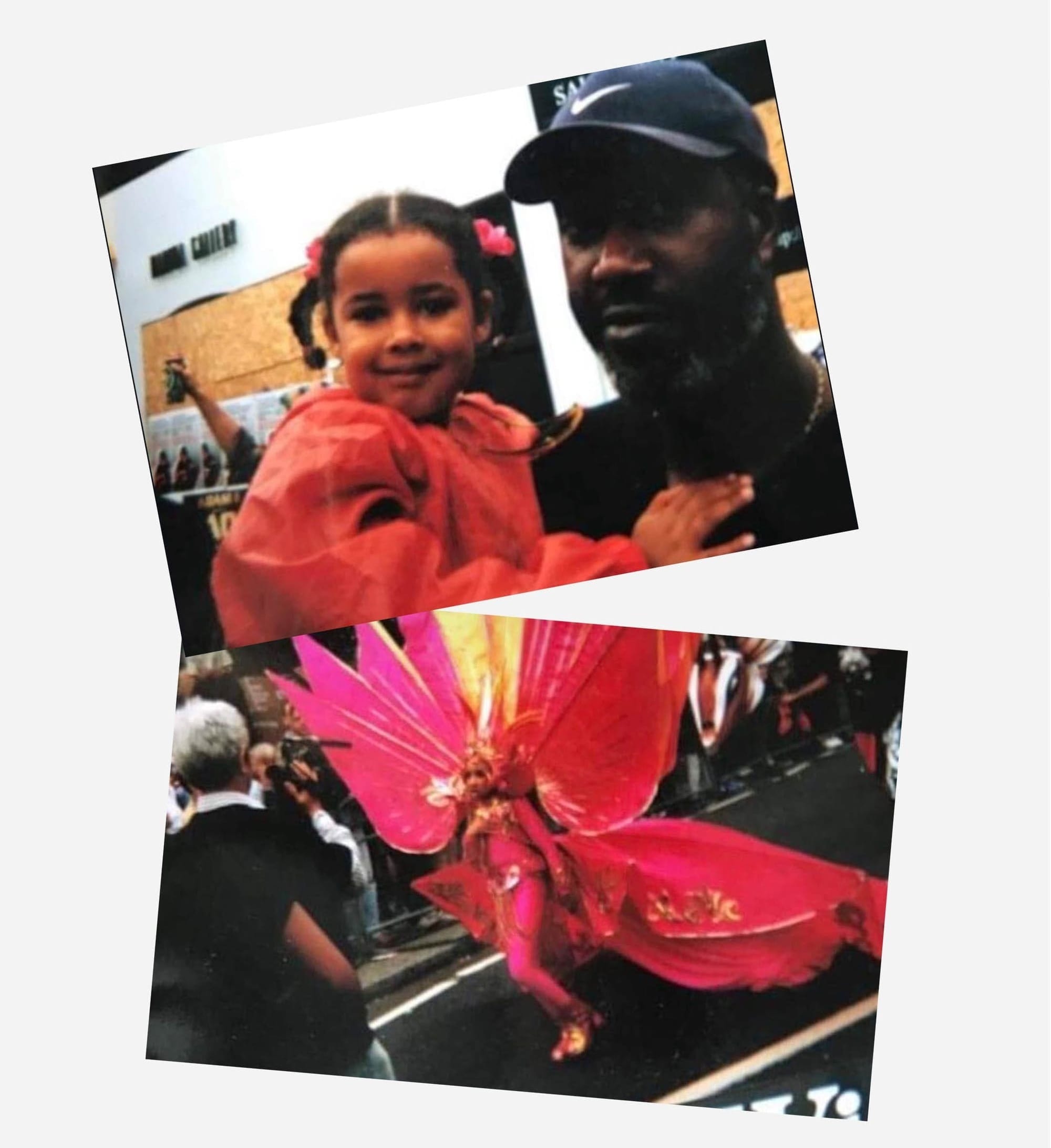
Reflecting on her formative years spent immersed in the culture, Rough Trade’s Georgia Mulraine recalls her early experiences at Carnival:
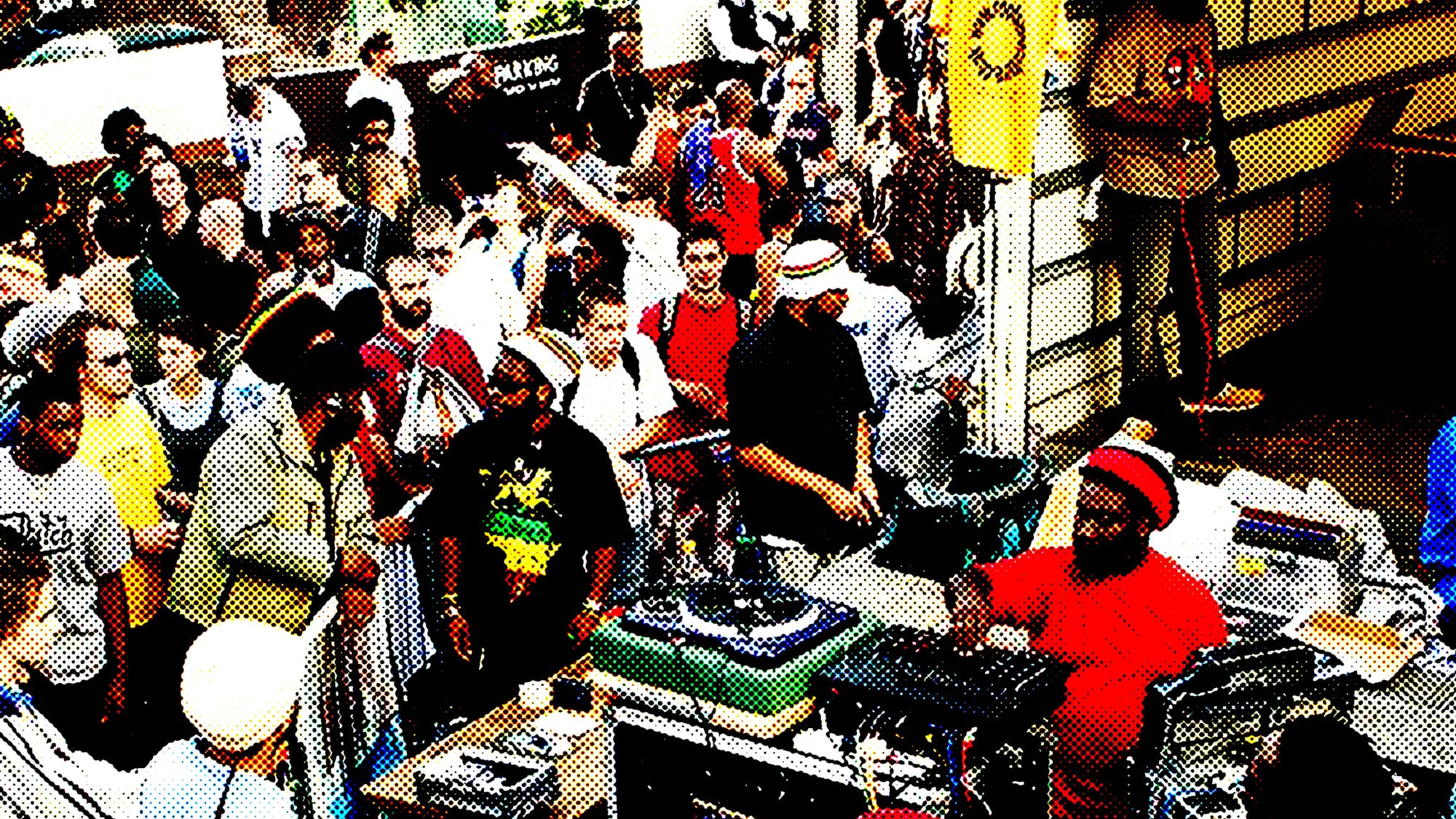
"I have hazy memories of going to my first carnival aged 5, tooting on whistles with coloured straps and being carried around to avoid being trampled on… Over two decades on, I am still heading to Carnival… usually settling in at East Row to see British reggae and dub icon Aba Shanti-I operate his legendary sound system, which has been a resident of Notting Hill Carnival since 1993. The volume is not for the fainthearted, but I truly believe there’s not much better feeling than physical bass so heavy it moves through your entire body rather than just your ears."
This physical immersion—the literal vibration of sound waves rewriting the cellular landscape of the listener—remains the core tenet of the culture. As Viv Albertine of The Slits noted of producer Dennis Bovell’s work on Cut:
"Dennis (Bovell) corralled us into shape and tidied up all the ends, but without trampling on creativity. It was so rare for a man in the 1970s to put himself inside the heads and hearts of four crazy young women."
Future Outlook
As we look toward the future of music production, electronic performance, and community organizing, the DNA of the Jamaican sound system remains ubiquitous. From the sub-bass frequencies governing contemporary dubstep and grime to the sample-heavy architectures of modern hip-hop and electronic dance music, the pioneering methodologies conceived by King Tubby, Lee "Scratch" Perry, and the selectors of Kingston continue to dictate how the world experiences low-end frequencies.
The sound system was born out of necessity—a makeshift mechanism to amplify joy, dignity, and dissent in the face of hardship. Today, as towering stacks of speakers continue to shake the asphalt at carnivals, squats, and festival grounds across the globe, they carry forward a 60-year British-Caribbean legacy that reminds us of a fundamental, unshakeable truth: