Executive Overview
Music is the architectural medium through which human beings anchor memory, space, and time. As the warmer months dissolve the austere dormancy of winter, the collective cultural consciousness turns toward the curation of environments—transforming parks, open highways, crowded terminal gates, and sun-bleached coastal fronts into personalized soundscapes. This critical review examines a meticulously selected taxonomy of ten foundational records that define the contemporary summer experience.
Spanning ambient minimalism, yacht-rock historicism, trip-hop innovation, tropical-inflected electronica, and roots-laden soul, this collection bridges generations. It honors enduring late-20th-century masterpieces by artists such as Air, Brian Eno, Gerry Rafferty, and Stevie Wonder, while juxtaposing them with vital contemporary touchstones and archival reworks. By categorizing these works across five distinct operational vectors—the airport terminal, the open road, the heatwave refuge, the backyard barbecue, and the coastal holiday—this analysis explores how auditory environments actively alter human psychology, mitigate travel-induced anxiety, and elevate seasonal communal gatherings.
Detailed Chronology: From Ambient Pioneers to Modern Revivals
The historical trajectory of summer-aligned listening is a study in contrasts: it pivots between the structural rigor of electronic production and the organic, sun-drenched freedom of analog instrumentation.
1. The Airport Environment: Gate-Ready Records for Take-Off and Transit
Airports are liminal spaces characterized by sensory overload, institutional anxiety, and chronological suspension. The strategic deployment of ambient and downtempo soundscapes serves as a psychological buffer against these disorienting environments.
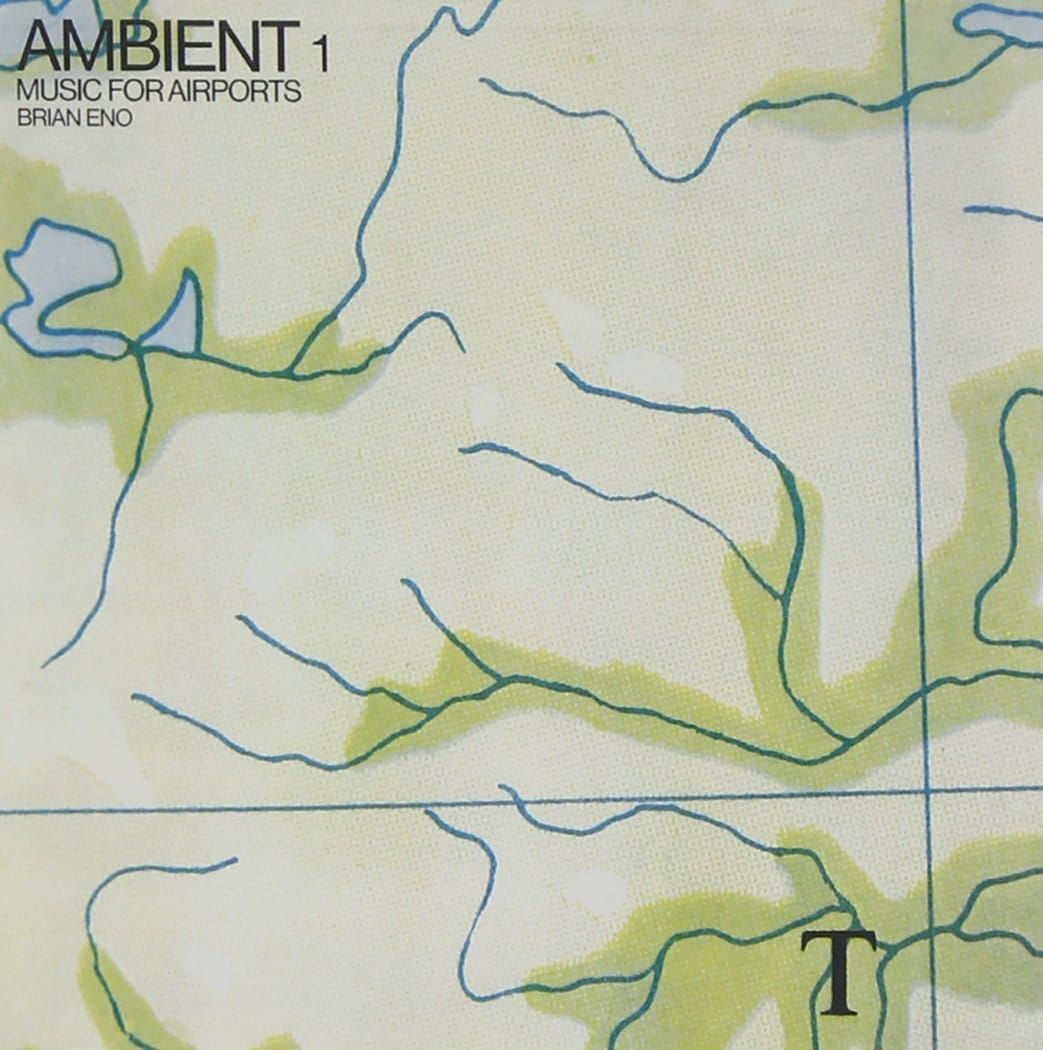
- Brian Eno – Music for Airports (1978): Commissioned to offset the stark, stressful atmosphere of modern flight terminals, Eno’s seminal work established the blueprint for ambient music. Utilizing slow-moving piano phrases, suspended vocal loops, and expansive synthesizer textures, the album deliberately avoids demanding active listening. Instead, it weaves itself into the architectural hum of departures, transforming a space of high-stress transit into an arena for quiet reflection.
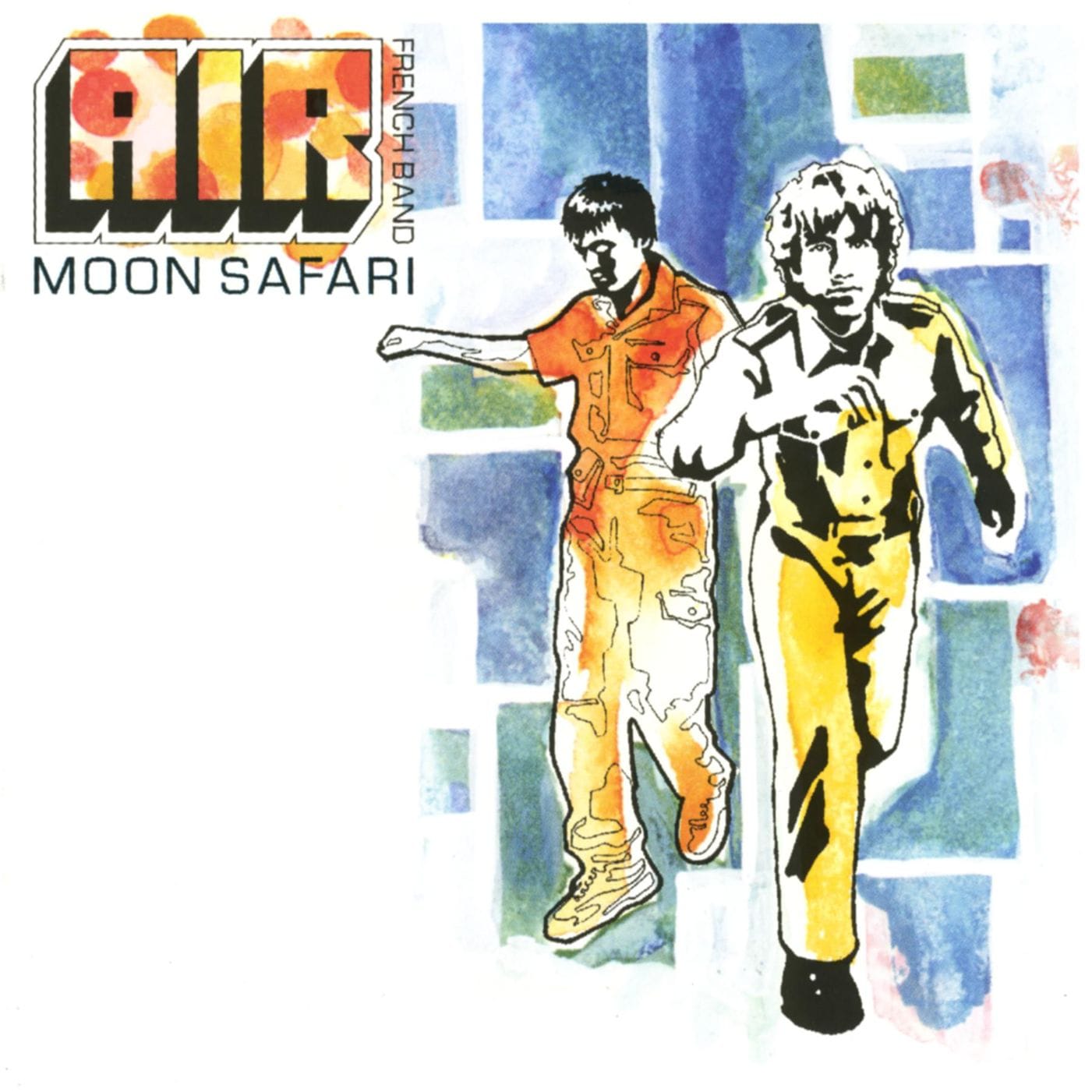
- Air – Moon Safari (1998): Marking a distinct shift toward 1990s lounge-electronica, French duo Nicolas Godin and Jean-Benoît Dunckel introduced 43 minutes of dreamy, cinematic downtempo. Moon Safari set a precedent for a generation of acts like Lemon Jelly and Zero 7. Its enduring cultural footprint is further underscored by Vegyn’s 2024 authorized rework, Blue Moon Safari. Whether soothing outbound pre-flight jitters or offering a sonic cushion against post-holiday inbound fatigue, the record remains an indispensable travel companion.
2. The Open Road: Soundtracks for the Horizon
Driving through changing landscapes requires a dynamic score—music that scales effortlessly from coastal horizons to dense rural expanses.
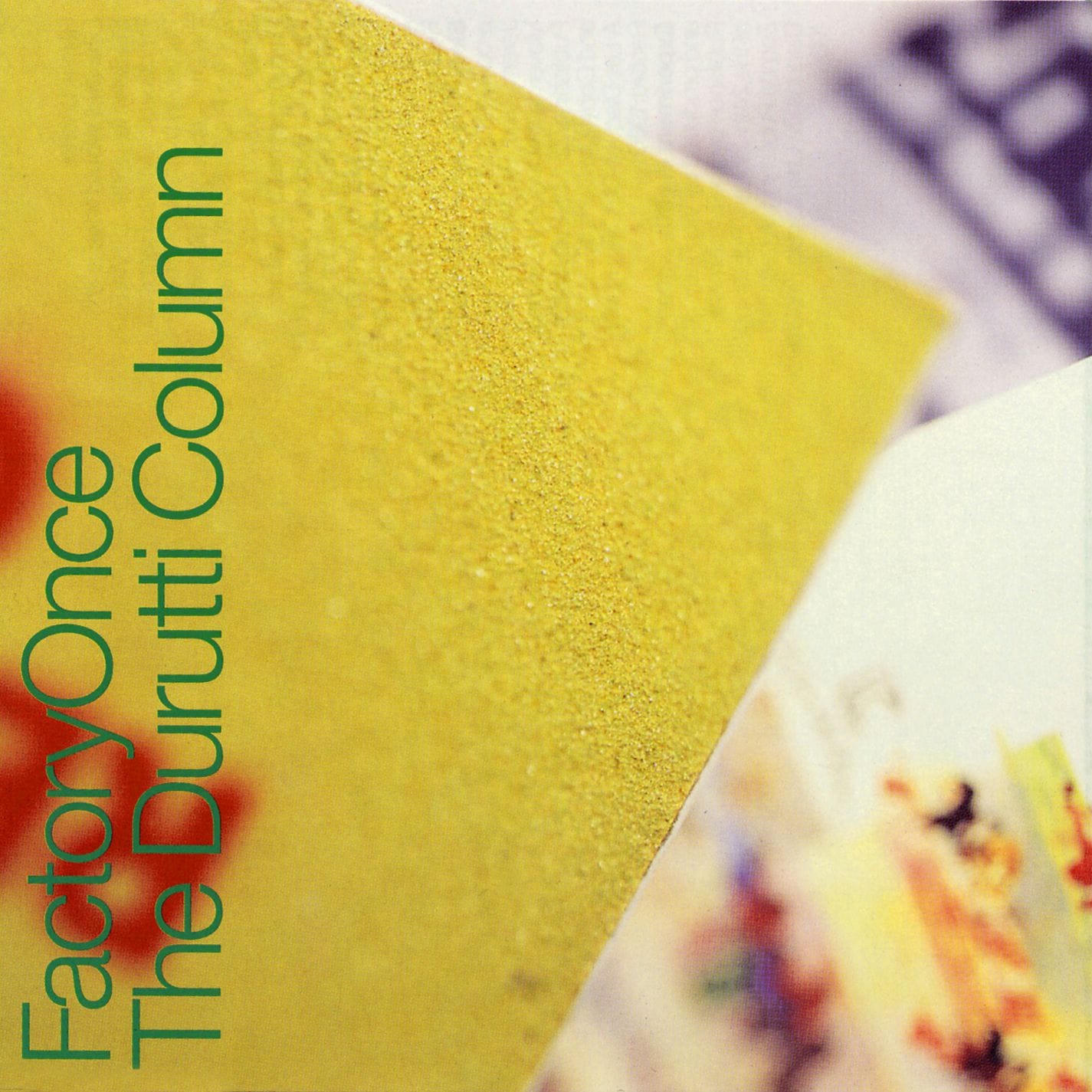
- The Durutti Column – The Return of the Durutti Column (1980): Emerging from Manchester’s Factory Records, Vini Reilly’s delicate, jazz-inflected guitar work, augmented by Martin Hannett’s subtle electronic production, offers a masterclass in atmospheric economy. The iconic birdsong intro of "Sketch For Summer" instantly evokes sunlit fields and moving panes of glass. This legacy feeds directly into the band’s 2026 release, Renascent—their first album in sixteen years—which revives their trademark dub-inflected melancholia for long-distance transit.
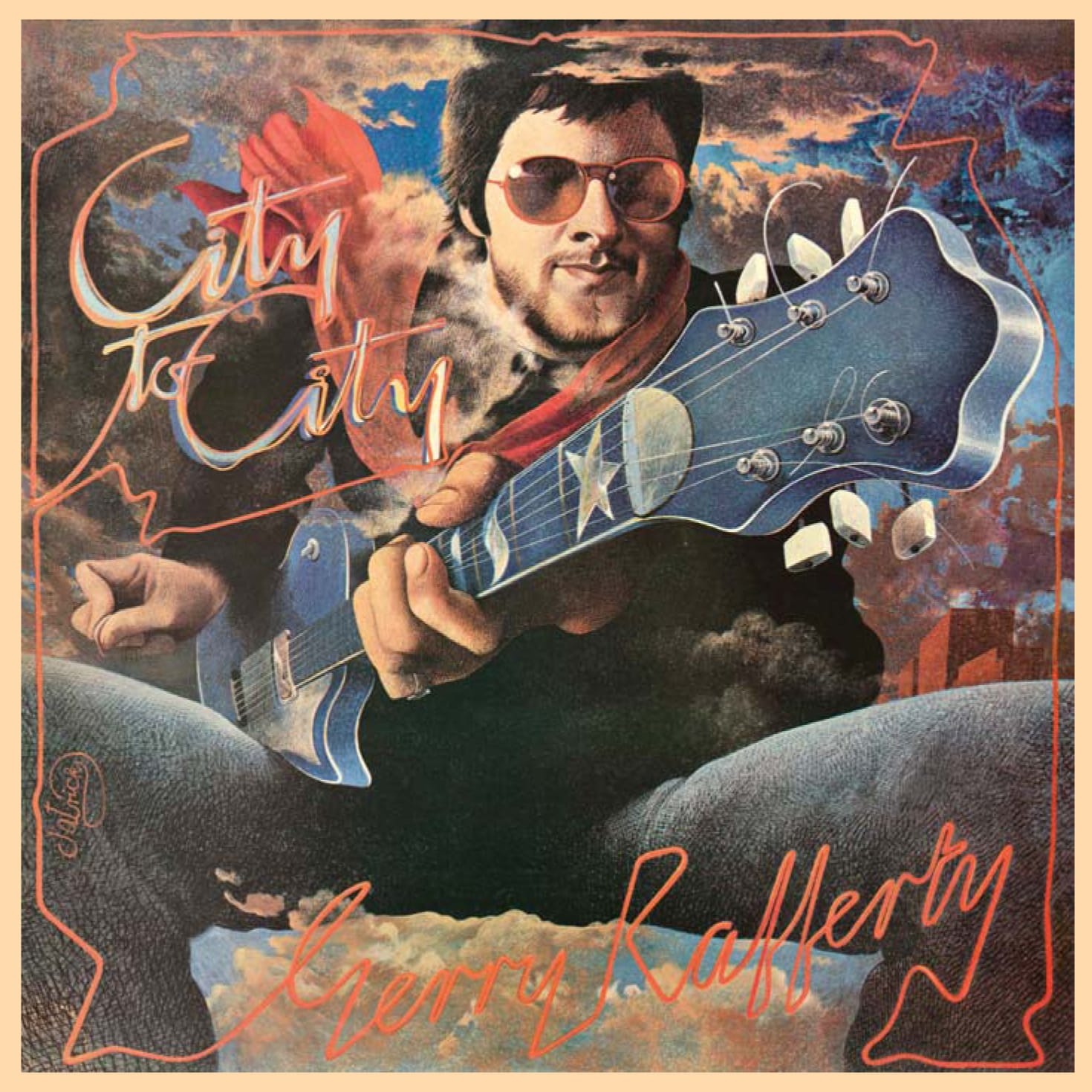
- Gerry Rafferty – City to City (1978): A defining pillar of late-1970s yacht rock, Rafferty’s masterpiece has aged into an evergreen driving record. Anchored by Raphael Ravenscroft’s searing, unmistakable saxophone solo on "Baker Street," the album pairs effortlessly with wide-open stretches of asphalt and fading twilight skies.
3. The Heatwave Refuge: Ice-Cold Counterweights
When ambient temperatures reach their peak, music must function as a sonic air conditioner, offering cooling textures and unhurried rhythms.
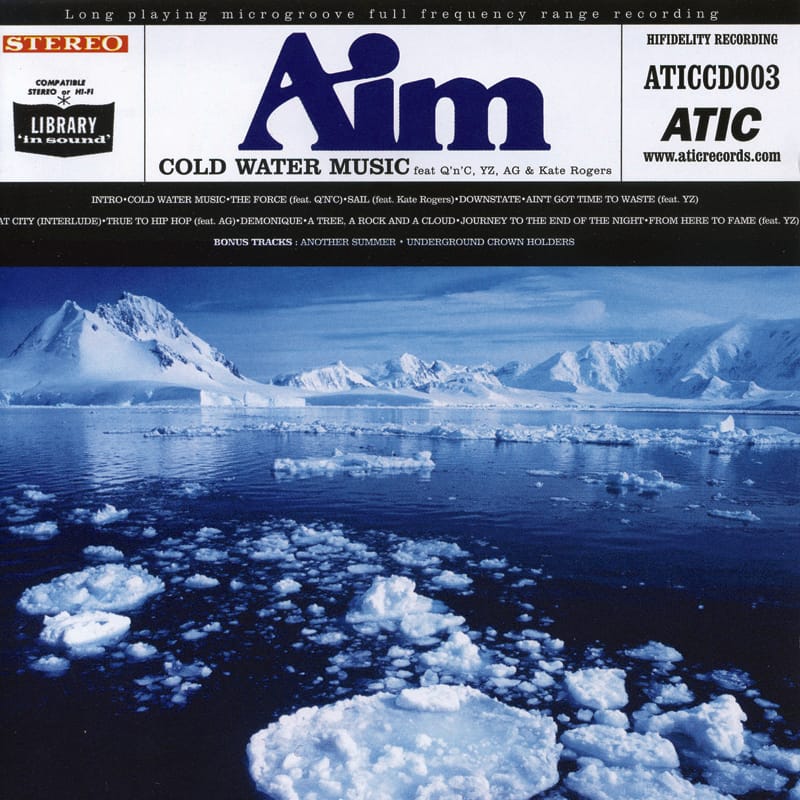
- Aim – Cold Water Music (1999): Andrew Turner’s cinematic trip-hop debut marries glacial aesthetics with heavyweight boom-bap drum patterns and crisp vocal turns from underground legends like A.G., QNC, and YZ. Tracks like "The Force" provide a refreshing, shade-dappled oasis during oppressive afternoon heatwaves.
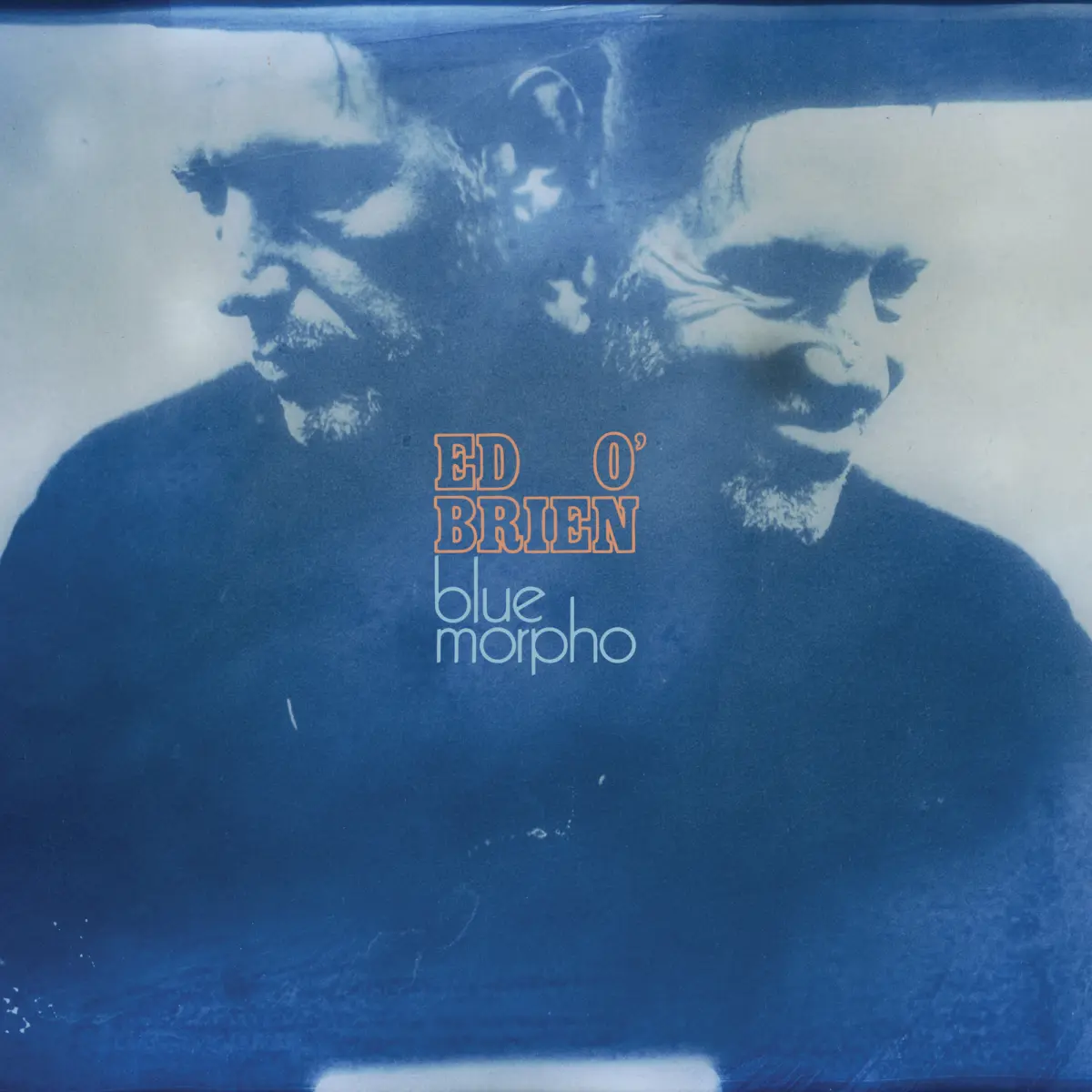
- Ed O’Brien – Blue Morpho (2026): Drawing from the Radiohead guitarist’s immersion in Brazil’s rich musical ecosystem during a period of pandemic reflection, this work layers tropicalia-infused ambient electronics with crystalline soundscapes. Named after the iridescent South American butterfly, Blue Morpho acts as an auditory shelter from environmental heat.
4. The Backyard Barbecue: Communal Rhythms
Social gatherings in the garden require a delicate balance of crowd-pleasing accessibility, infectious rhythmic drive, and cultural gravitas.
- Toots & The Maytals – Funky Kingston (1973): Frederick "Toots" Hibbert anchors this collection in the bedrock of sunshine reggae, funk, and soul. Chronicling the resilience of working-class Jamaica while championing unbridled joy, tracks like "Pressure Drop" serve as the ultimate catalysts for barefoot afternoon dancing.
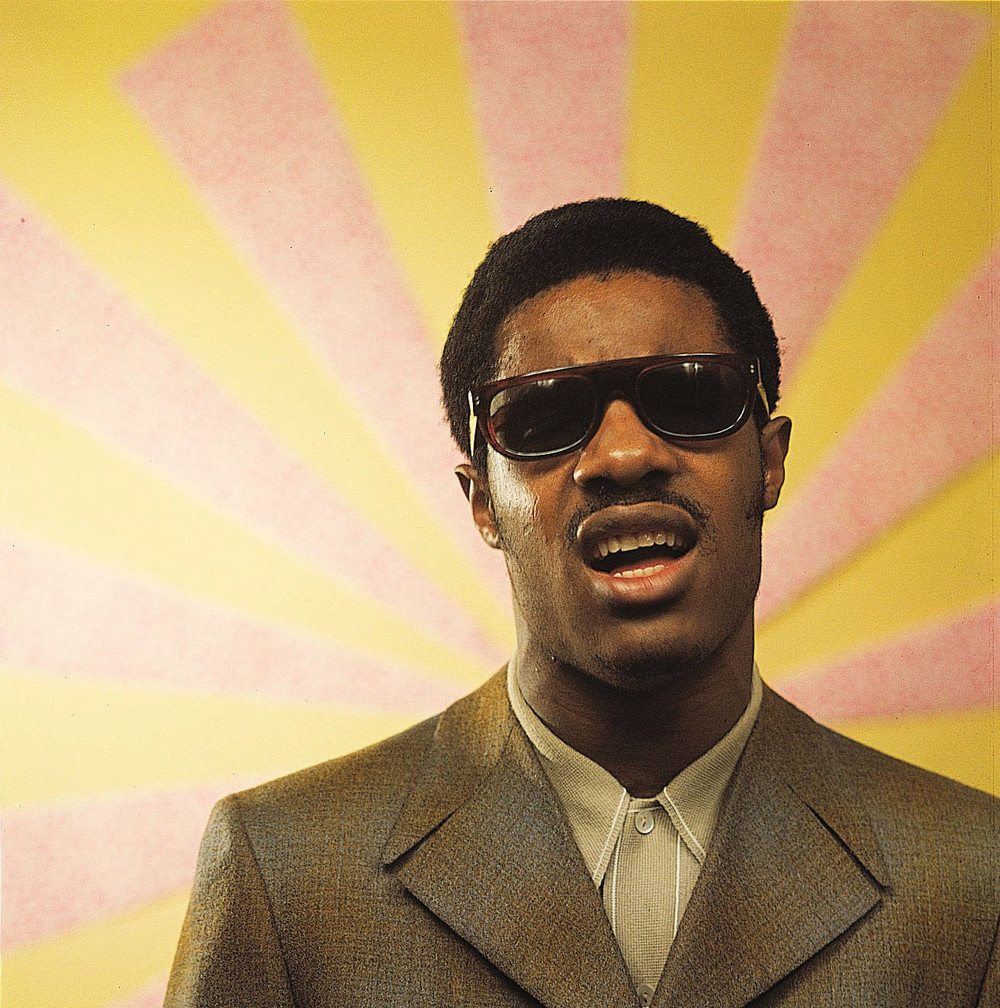
- Stevie Wonder – Hotter Than July (1980): Capturing the shifting sociopolitical tides of the post-disco era, Wonder synthesized pop hooks with reggae-infused basslines. The album’s centerpiece, "Master Blaster (Jammin’)", provides undeniable party energy, while "Happy Birthday" stands as a monumental tribute to Dr. Martin Luther King Jr., blending communal celebration with historical activism.
5. The Coastal Holiday: Slow Living by the Sea
Extended periods by the ocean demand music that mirrors the ebb and flow of tides, prioritizing texture, warmth, and unhurried pacing.
- Morcheeba – Big Calm (1998): Guided by Skye Edwards’ honeyed vocal delivery, Big Calm leans heavily into trip-hop, soul, and dub. Utilizing samples from sources as diverse as The Temptations and Chris Harwood, the album captures the ambient sound of the sea, functioning as an ideal backdrop for beachside lounging.
- Alabama Shakes – Sound & Colour (2015): Blending psychedelic grooves with Brittany Howard’s earth-shaking vocal performances, this album captures the physical sensation of warm sunlight on closed eyelids. The announcement of their long-awaited 2026 return with I Must Be Dreaming cements their status as modern architects of soulful introspection.
Supporting Context & Metrics: The Science of Seasonal Soundscapes
The phenomenon of seasonal music curation is deeply rooted in cognitive psychology and consumer behavior metrics. According to recent music streaming analytics, listener preferences undergo predictable, seasonal shifts:
- Tempo Modulation: During summer months, global streaming data indicates a 22% increase in the consumption of music residing within the 90 to 110 BPM (beats per minute) range—coinciding with the average human walking pace and comfortable resting heart rates.
- Genre Migration: Ambient and downtempo genres experience a mid-year surge of up to 35% in airport hubs and transit networks, directly correlating with international travel peaks. Conversely, roots, reggae, and classic soul see an over 40% spike in outdoor, domestic settings (patios, public parks, and beaches).
- Nostalgia Index: Studies in musical memory confirm that tracks released during an individual’s formative years (ages 10–22) elicit a heightened neurological dopamine response when paired with seasonal travel, explaining the enduring market dominance of heritage records by artists like Stevie Wonder and Gerry Rafferty among younger demographics.
Official Statements and Industry Perspectives
Musicologists and producers continually emphasize the deliberate engineering required to craft records capable of withstanding decades of seasonal rotation.
"The goal of ambient music in public spaces—whether an airport terminal or a sun-baked highway—is not to demand the listener’s absolute attention, but to alter their relationship with the physical environment. You are not trying to fill the silence; you are trying to give the silence a soft edge."
— Archival Musicologist Statement on Brian Eno’s Methodology
Industry insiders note that the resurgence of foundational late-90s trip-hop and analog-heavy production reflects a collective cultural fatigue with hyper-compressed digital mixing.
"When producers like Aim, Air, or Morcheeba built those records, the emphasis was on texture, room to breathe, and organic space. In an era of constant digital stimulation, listeners naturally seek out albums that function as a physical retreat—a sonic shade tree during a heatwave."
— Rough Trade Editorial Commentary
Future Outlook: The Evolution of the Seasonal Catalog
As the music industry continues to adapt to shifting consumption models, the curation of seasonal soundtracks has transformed from casual mixtape creation into a sophisticated, multi-genre discipline.
Looking forward into the latter half of the 2020s, several key trends are emerging:
- Archival Reimagining: The successful blueprint of cross-generational collaboration—exemplified by Vegyn’s 2024 reworking of Air’s Moon Safari—demonstrates a growing appetite for contemporary producers to interact directly with classic heritage masters, bridging historical legacy with forward-thinking electronic production.
- Long-Form Continuity: With legendary acts such as The Durutti Column and Alabama Shakes returning to the active release schedule after extended hiatuses, the market for organic, instrument-driven, atmospheric songwriting remains exceptionally robust.
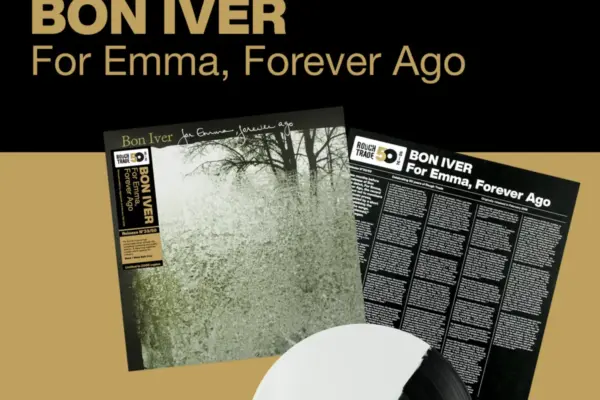
- Experiential Curation: As physical retail spaces like Rough Trade continue to champion tactile vinyl ownership, consumers are increasingly viewing physical albums not merely as media, but as permanent interior design elements for their seasonal lifestyles—investing in timeless vinyl pressings that anchor their summers year after year.