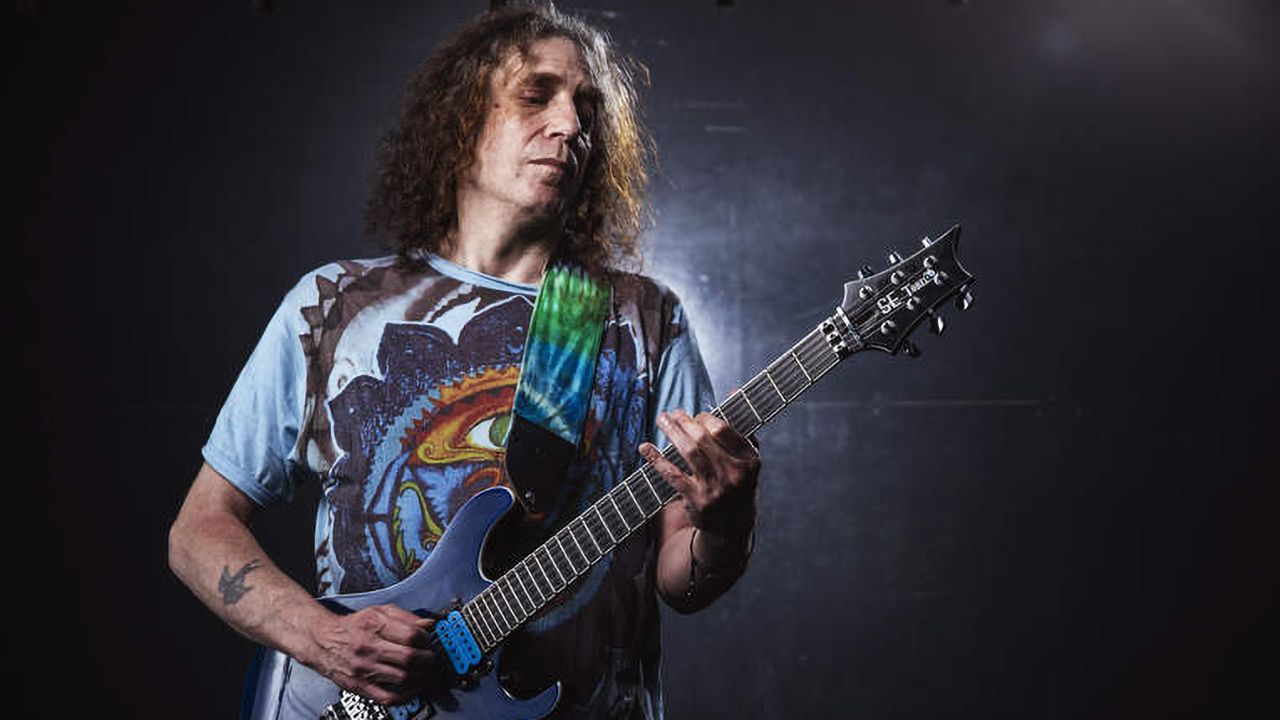
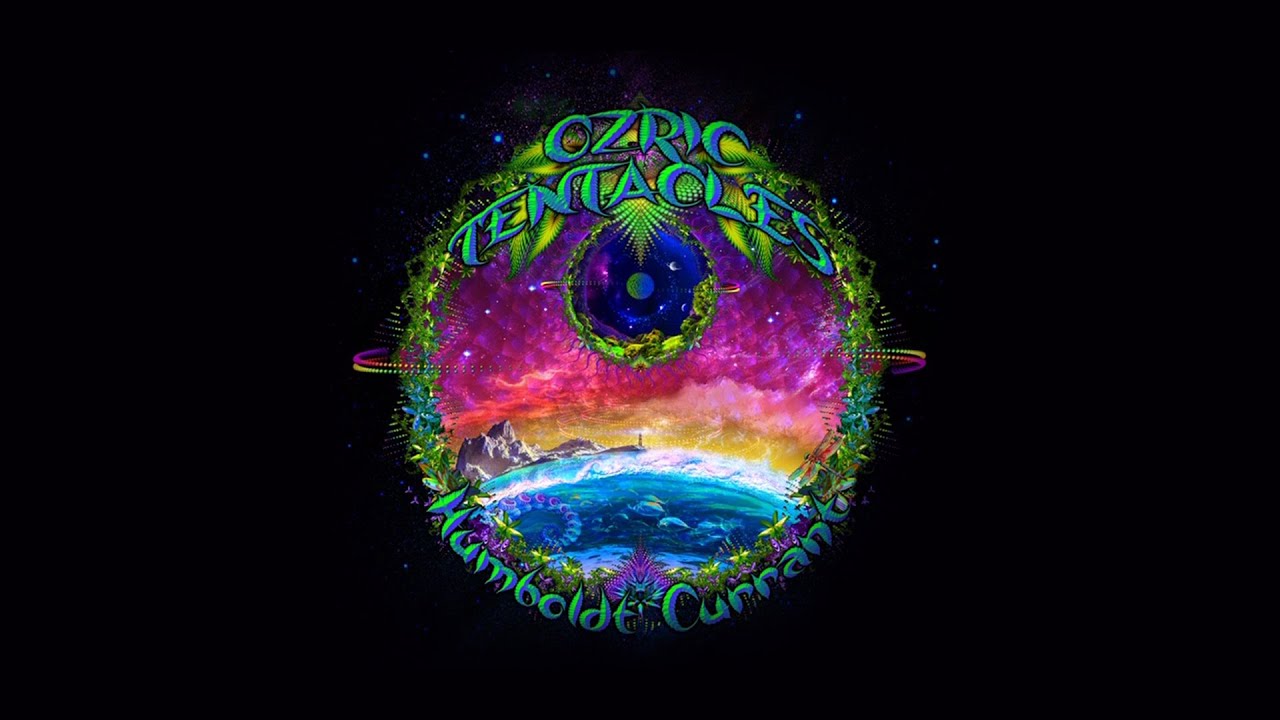
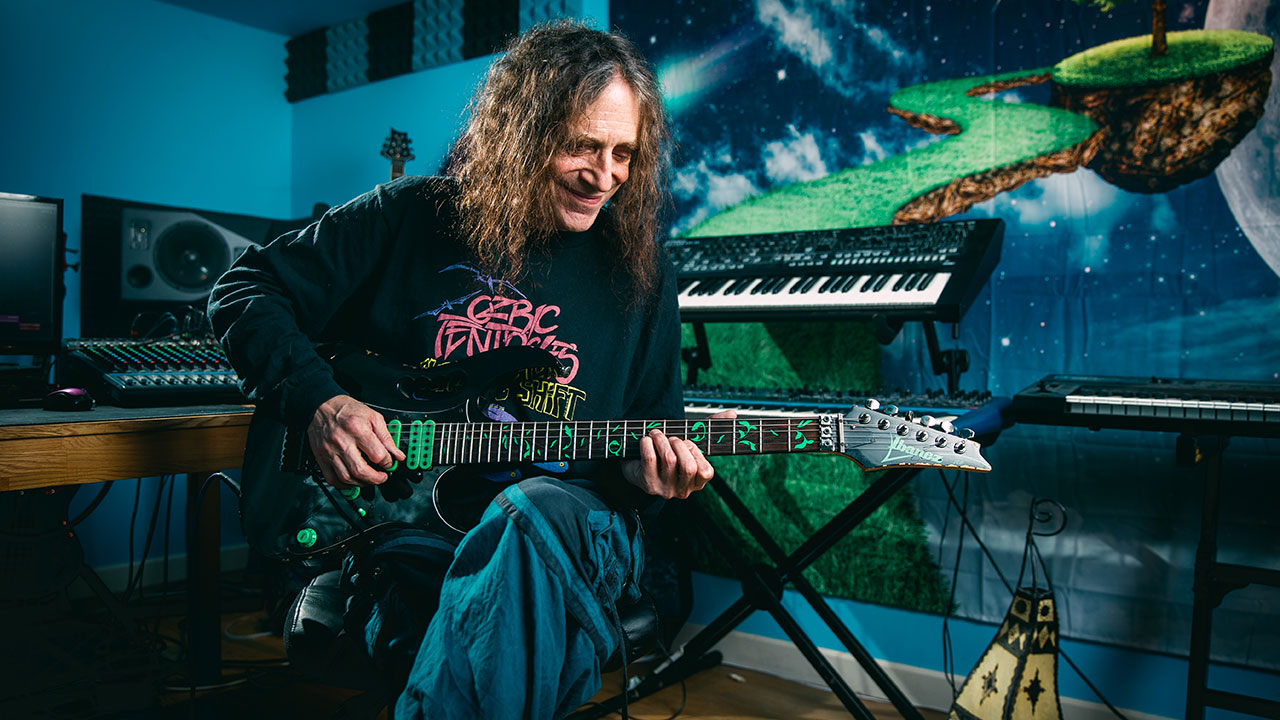
For nearly four decades, Ozric Tentacles has stood as a monumental pillar of British psychedelic space-rock. Founded amidst the chaotic, countercultural energy of the UK free festival movement in the early 1980s, the band evolved from an informal jam collective into an internationally revered musical institution. At the absolute center of this sprawling, ever-shifting sonic universe is multi-instrumentalist, engineer, and composer Ed Wynne. Serving as the primary creative filter, guitarist, and producer, Wynne has guided Ozric Tentacles through changing music industry landscapes, major lineup transitions, and decades of stylistic evolution.
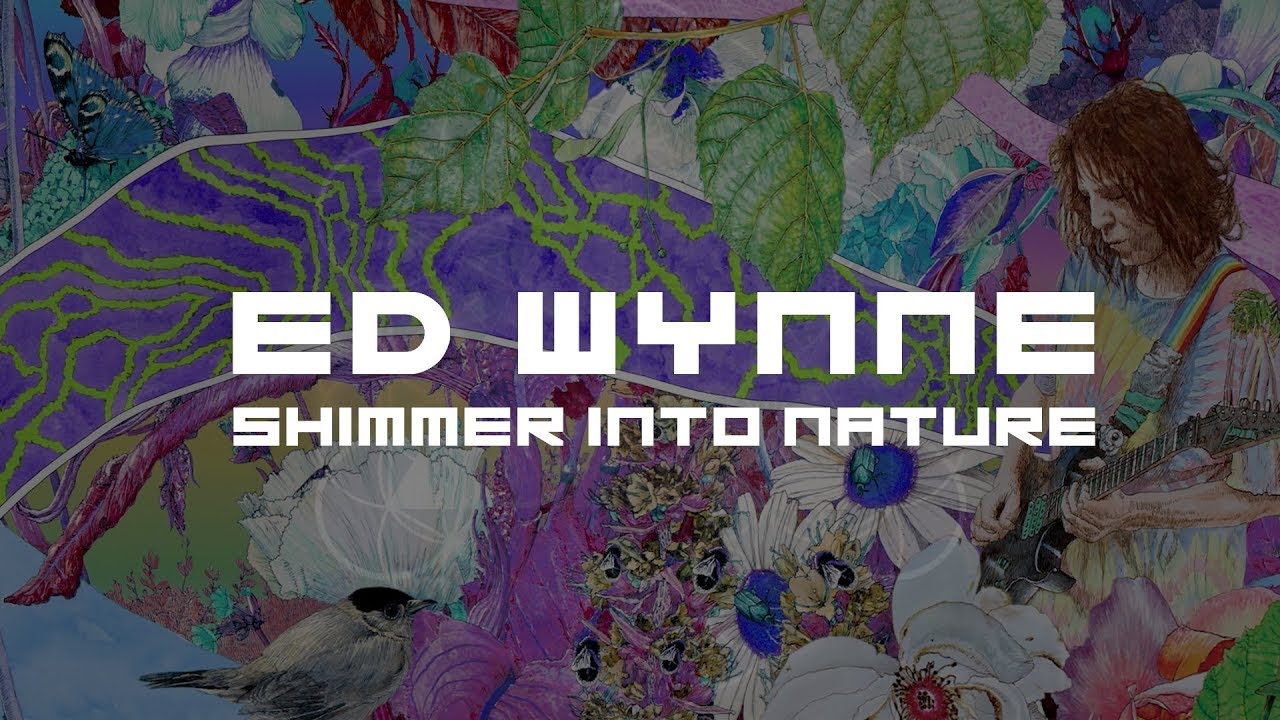
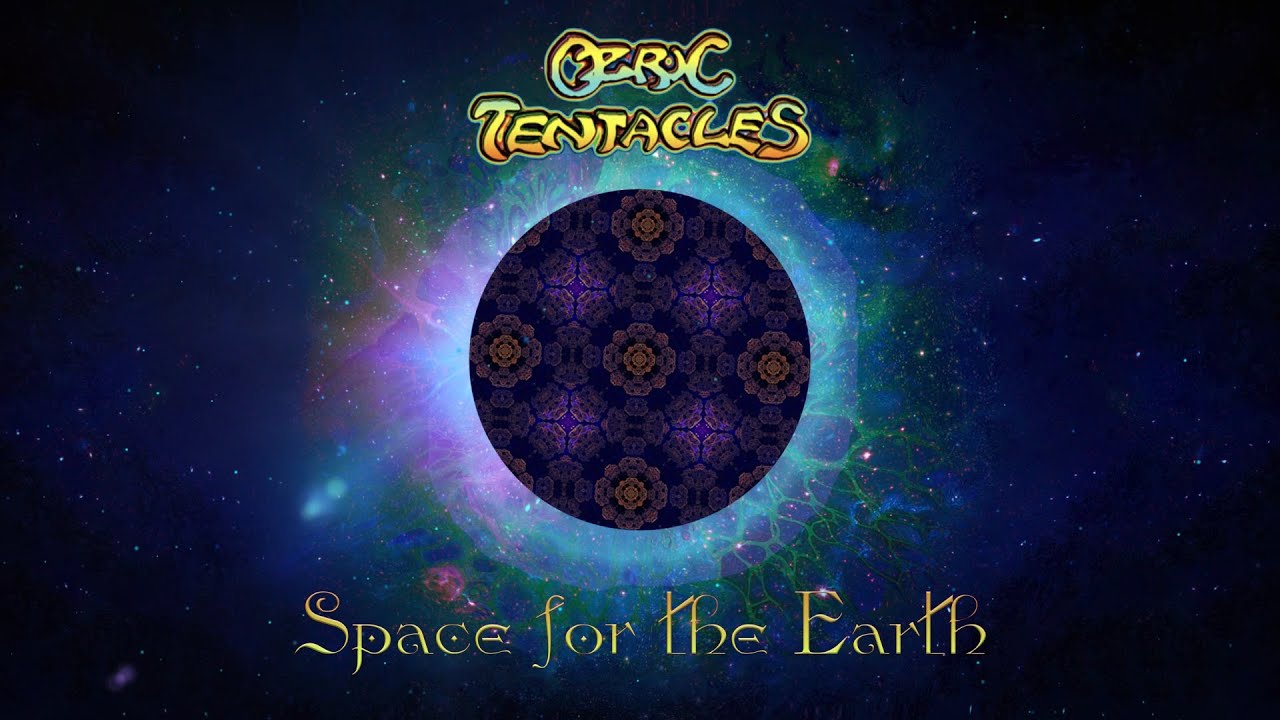
Following the release of his critically acclaimed 2019 solo album Shimmer Into Nature, Wynne reignited the core project, unleashing Ozric Tentacles’ sixteenth studio album, Space For The Earth (2020/2021)—the group’s first full-length effort in half a decade. Written and recorded under the isolated conditions of global lockdown, the record represents both a return to form and an archival reconciliation, featuring guest appearances from legacy band members alongside Wynne’s singular compositional voice.
From selling home-duplicated cassette tapes out of stage boxes for £2.50 in the 1980s to gatecrashing the UK Top 10 with 1993’s landmark Jurassic Shift, Ozric Tentacles represents a rare anomaly in modern music: a fiercely independent, instrumental psychedelic act that achieved mainstream chart success entirely on its own terms.
Detailed Chronology of an Underground Institution
[1983] Formed at Stonehenge Free Festival
   │
[1984–1988] DIY Cassette Era (6 cassette releases, self-distributed)
   │
[1989] Release of 'Pungent Effulgent' (First official vinyl/CD release)
   │
[1990] Release of 'Erpland'
   │
[1993] Commercial Peak: 'Jurassic Shift' hits #11 on UK Albums Chart
   │   └─ Historic release of first CD packaging printed on hemp paper
   │
[1994] Key lineup changes (Joie Hinton & Merv Pepler depart for Eat Static)
   │
[2011] Release of 'Paper Monkeys' (Live mainstay 'Lost In The Sky')
   │
[2015] Double album 'Technicians Of The Sacred'
   │
[2019] Wynne releases debut solo album 'Shimmer Into Nature'
   │
[2020–2021] Return of Ozric Tentacles with 'Space For The Earth'
The Genesis at Stonehenge (1983)
The origin story of Ozric Tentacles belongs to rock lore. In June 1983, fresh out of secondary school, Ed Wynne attended the legendary Stonehenge Free Festival. Equipped with basic gear, a hired generator, and a loose invitation from acquaintances, Wynne set up an makeshift performance area near their campsite.
What began as an unscripted, improvised jam quickly transformed into a magnet for festival attendees. Within thirty minutes, an audience of 100 gathered around the chugging generator; half an hour later, the crowd swelled to over 500 people. When asked by an onlooker for the group’s name, Wynne improvised a moniker that would define his entire artistic career: "Well, Ozric Tentacles is what it’s called today. I don’t know what it’s gonna be called tomorrow."
That initial performance set the template for the band’s early ethos. Keyboardist Joie Hinton, joining the freeform chaos, asked Wynne for direction. Wynne’s instructions were simple: "Make some swishing noises." The resulting synthesised textures provided the foundation for what would become the signature Ozric Tentacles sound—a seamless blend of space rock, dub, world rhythm, and ambient synth wizardry.
The Cassette Cottage Industry (1984–1988)
Following their Stonehenge debut, the band transitioned from spontaneous festival jams to a disciplined, highly active DIY cottage industry. Operating entirely outside the traditional record label ecosystem, Wynne and his collaborators built an underground fanbase through home-duplicated cassette tapes.
Wynne mastered the entire production cycle from his home setup:
Production: Tracks were tracked and mixed onto cassette masters.
Duplication: Tapes were copied one-by-one on dual-deck recording hardware.
Manufacturing: Artwork was photocopied, manually folded, and packaged into plastic cassette cases.
Distribution: Cassettes were sold directly to fans at gigs for £2.50 each out of boxes placed at the front of the stage.
Demand was immediate and overwhelming. Entire runs of 20 or 30 cassettes sold out within seconds of a performance concluding, turning Wynne’s weekdays into continuous tape-duplication shifts to supply weekend festival appearances. Between 1985 and 1989, the group released six underground cassette albums, establishing a massive grass-roots network across the UK counterculture.
Mainstream Intrusion: Jurassic Shift and the Hemp Revolution (1989–1993)
By the late 1980s, the underground wave broke into the mainstream consciousness. The band formed their own independent label imprint, Dovetail Records, releasing their first official studio album, Pungent Effulgent, in 1989, followed by the double-album Erpland in 1990.
The peak of this momentum arrived with 1993’s Jurassic Shift. Operating without major label backing or mainstream radio support, Jurassic Shift defied industry expectations by climbing to No. 11 on the official UK Albums Chart.
The album’s release also marked an environmental and industrial milestone. Wynne, alongside environmental advocate Pete Messenger, sought to print the album packaging entirely on hemp paper. Because industrial hemp processing had long been defunct in the UK, the team orchestrated the legal importation of a truckload of European hemp. To process the raw material, Messenger tracked down an ancient paper mill, commissioned a custom-manufactured industrial cutting blade, and brought the machinery back online. The result was the world’s first commercial CD packaging printed on hemp paper—an achievement permanently commemorated at the Hash Marihuana & Hemp Museum in Amsterdam.
+-----------------------------------------------------------------------+
|                       THE HEMP PACKAGING INNOVATION                   |
+-----------------------------------------------------------------------+
|  1. Material Sourcing: Truckload of raw hemp imported from Europe     |
|  2. Machinery Setup: Custom industrial blade forged for historic mill |
|  3. Production: First-ever commercial CD sleeve produced on hemp paper|
|  4. Historical Recognition: Permanently displayed in Amsterdam museum |
+-----------------------------------------------------------------------+
Metamorphosis and Resilience (1994–2018)
Following their commercial high point, the band faced structural turbulence. In 1994, long-time keyboardist Joie Hinton and drummer Merv Pepler departed the group to focus full-time on their electronic dance side-project, Eat Static. With a major US tour booked just two weeks later, dissolution was not an option. Wynne rapidly recruited new talent, preserved the tour dates, and maintained the project’s momentum.
Over the next two decades, Ozric Tentacles became an international touring juggernaut, maintaining a steady output of acclaimed albums including Sliding Gliding Worlds (1993 remaster era), Paper Monkeys (2011), and the expansive double album Technicians Of The Sacred (2015). Through dozens of personnel shifts, Wynne remained the constant nucleus, keeping the group’s sound fresh while preserving its original space-rock heritage.
Pandemic Renaissance: Solo Horizons to Space For The Earth (2019–Present)
In 2019, Wynne stepped outside the band framework to release his debut solo album, Shimmer Into Nature. The project offered Wynne complete autonomy, free from the democratic expectations of a group setting.
However, the solo outing rejuvenated his desire to revive Ozric Tentacles. Plans for an interconnected studio session involving a full group in early 2020 were interrupted by the global COVID-19 pandemic. Adapting to lockdown restrictions, Wynne recorded Space For The Earth primarily in isolation at his Scottish home studio. Despite the physical separation, he collaborated remotely with legacy members, including flute player John Egan and keyboardist Joie Hinton, resulting in an album that bridges the band’s historic past with its modern direction.
Supporting Context, Metrics & Studio Mechanics
Key Performance Indicators & Distinctions
Metric / Event
Historical Value / Detail
Significance
UK Album Chart Peak
No. 11 (Jurassic Shift, 1993)
Highest chart positioning for an independent space-rock album in the UK
Early Cassette Price
£2.50 per unit
Baseline price point during the 1984–1988 underground festival era
Glastonbury Attendance
Tens of thousands (NME Stage, 1993)
Mark of the band’s transition from small festival free-jams to main-stage status
Catalog Output
16+ Studio Albums / 6 Cassettes
Demonstrates nearly 40 years of continuous creative productivity
Compositional Workflows and "Ethnological Forgery"
Ed Wynne’s creative methodology relies heavily on home-studio synthesis and intuitive digital sequencing. Operating primarily within the Steinberg Cubase digital audio workstation (DAW), Wynne’s tracks often take shape from spontaneous titles generated at the moment of saving project files.
A prime example of his erratic atmospheric inspirations is the creation of the live favorite track "Lost In The Sky" (from 2011’s Paper Monkeys). Wynne composed the piece while living in an underground home studio in North America featuring a massive indoor fish pond:
"I was in a basement with a huge fish pond in the corner of the room, so the whole thing was this slightly damp atmosphere and slightly fishy-smelling studio," Wynne recalled. "’Lost In The Sky’ was me trying to escape that."
Another hallmark of the Ozric sound is Wynne’s concept of "ethnological forgery"—a term borrowed to describe the process of using analog and digital synthesizers to mimic complex global acoustic instruments. By weaving Indian, Middle Eastern, and Celtic tonal modes into electronic synth patches, Wynne creates world-music textures without relying entirely on traditional instrumentation.
Official Statements and Critical Reflections
Throughout his career, Ed Wynne has maintained a distinct perspective on the artistic identity of Ozric Tentacles, the evolution of his studio craft, and his relationship with the progressive rock ecosystem.
+-----------------------------------------------------------------------------+
|                               IN HIS OWN WORDS                              |
+-----------------------------------------------------------------------------+
|  On Band Identity:                                                          |
|  "I'm kind of at the controls; I'm the filter it all goes through...        |
|  Whoever happened to be there at the time got on the track."                |
|                                                                             |
|  On Remastering the Archival Catalog:                                       |
|  "It was like opening a photograph album. Each song was a moment in         |
|  time, a week's worth of time... It's really like a little diary for me."   |
|                                                                             |
|  On Solo Work vs. Ozric Tentacles:                                          |
|  "Ozric Tentacles has become my identity, and it's probably a little late   |
|  to try and alter that too much at this point."                             |
+-----------------------------------------------------------------------------+
On Navigating Band Dynamics vs. Solo Autonomy
Reflecting on the distinction between his solo material (Shimmer Into Nature) and Ozric Tentacles releases, Wynne emphasizes his role as the project’s central anchor:
"I’m kind of at the controls, I’m the filter it all goes through. It always has been a little bit like that. It was me sitting in my little home studio… but then there’s a floating body of people who came and went. We were all involved in it, but it wasn’t like a solid line-up of a band. Whoever happened to be there at the time got on the track."
On Archival Remastering as a Personal Diary
When Wynne undertook the painstaking process of remastering the extensive Ozric Tentacles back catalog—spending two to three days fine-tuning each release—he found the process unexpectedly emotional:
"I expected to be thinking, ‘I’ll go anywhere that needs tarting up and I’ll EQ or top it or whatever,’ but when I put it on and started listening, it was like opening a photograph album. Each song was a moment in time, a week’s worth of time. I’d put them on and suddenly I could remember the situation of sitting in the studio, what was on the walls and what was going on at the time, who was around. It’s really like a little diary for me, these tunes."
Evaluating the vast discography, Wynne highlights Pungent Effulgent (1989) and Sliding Gliding Worlds (1993) as personal milestones, representing the era when the music industry first began taking the group seriously. Conversely, he noted that some mid-period albums, such as 2011’s Paper Monkeys, suffered from excessively fast tempos driven by studio excitement—making them remarkably grueling to perform live.
On Live Chaos and Progressive Kinship
Wynne’s career is filled with surreal live experiences, from nearly getting locked out of his own show at Glastonbury 1993 to performing alongside progressive rock legends like Gong. Opening for Gong on his first-ever solo performances provided Wynne with a deep sense of artistic connection:
"I’d seen various weird photos of them, so you always imagine they’re really weird people. Instantly after I said hello, it was absolutely fine… They have this lovely philosophy about them. I felt very safe from the moment we started talking. Mutual respect and a really good feeling."
Future Outlook: The Enduring Legacy of the Space-Rock Architect
As Ozric Tentacles approaches four decades of existence, Ed Wynne shows no signs of slowing down his artistic output. The success of Space For The Earth proved that despite global disruptions and industry shifts, the appetite for high-concept instrumental space-rock remains vibrant.
           [ 1983: Stonehenge Free Jam ]
                         │
        [ 1990s: Mainstream Chart Breaker ]
                         │
     [ 2000s–2010s: Global Touring & Double Albums ]
                         │
    [ Present/Future: Studio Mastery & Endless Output ]
With ongoing catalog reissues, continuous technological upgrades in his Scottish recording studio, and a flexible roster of collaborating musicians, Wynne views his ongoing artistic mission as a lifelong, uninterrupted calling.
"Pretty much all I do is make music or gig music," Wynne noted on his lasting creative energy. "I’ve nothing else to do, so I’m working on a conveyor belt of spacey tunes."
That relentless work ethic ensures that Ozric Tentacles will remain a guiding force in psychedelic and progressive rock. Through decades of independence, experimental recording techniques, and an unwavering commitment to sonic exploration, Ed Wynne has carved out a distinct legacy in modern British music—proving that artistic compromise is never a prerequisite for enduring success.