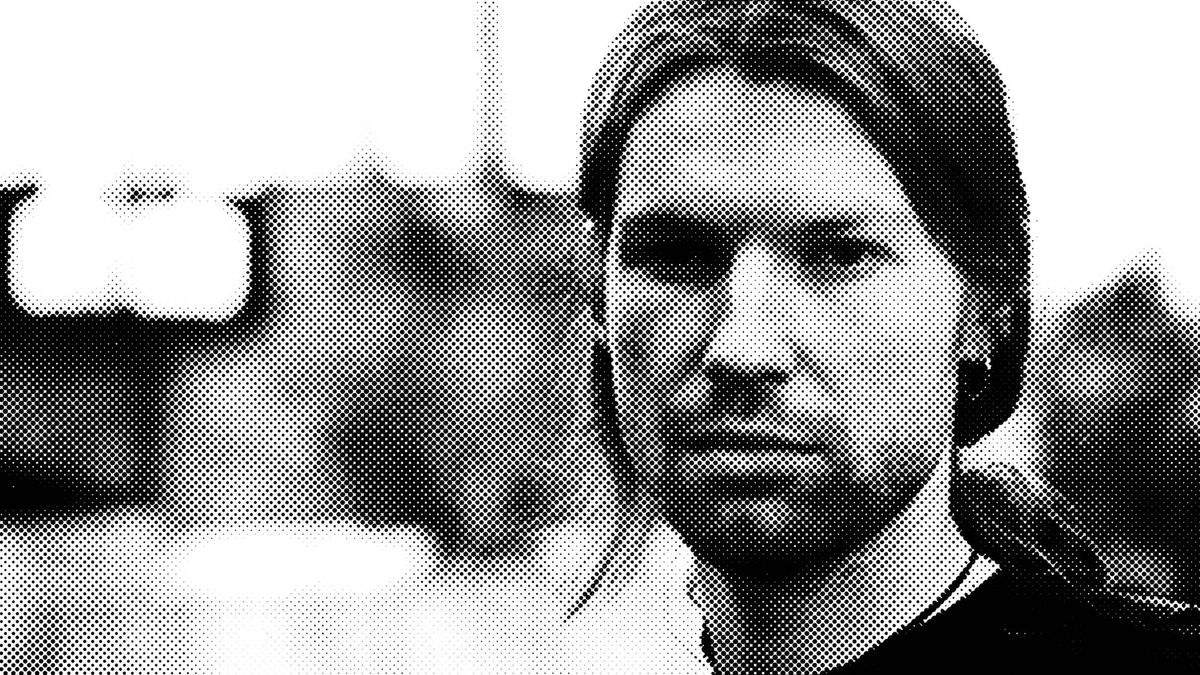
Few figures in modern music command the paradoxical blend of reverence, mystique, and avant-garde notoriety achieved by Richard D. James, universally known as Aphex Twin. Emerging from the crucible of the early 1990s UK rave circuit, James has spent more than three decades dismantling and rebuilding the boundaries of electronic music. His work persistently blurs the lines between chilling mechanical precision and organic beauty, high art and institutional trolling, serene ambient minimalism and terrifying, high-velocity chaos.
As the electronic pioneer’s landmark 2001 double album Drukqs hits its 25th anniversary, prompting a massive resurgence across digital ecosystems like TikTok, the cultural footprint of Aphex Twin remains as potent as ever. Outpacing contemporary pop juggernauts like Taylor Swift in monthly YouTube Music listeners, James’s output demonstrates an uncanny ability to transcend generations.
Curated through a definitive discographical deep dive, this feature explores how the British-raised, Irish-born producer evolved from an elusive warehouse raver into an enduring cultural enigma—examining his foundational albums, iconic visual mythology, and lasting legacy on global youth culture.
Detailed Chronology: The Evolution of a Masterpiece Discography
With a sonic palette defined by radical versatility, any ranking of Aphex Twin’s studio albums remains deeply subjective. What stands as one listener’s holy grail may be another’s confounding noise. However, traversing his primary-album catalog reveals a masterclass in relentless reinvention. Below is the definitive ranking of Aphex Twin’s core studio albums, tracing the arc of a generation-defining career.
[1992] Selected Ambient Works 85-92 (#1)
  └─> [1994] Selected Ambient Works Volume II (#5)
        └─> [1995] ...I Care Because You Do (#6)
              └─> [1996] Richard D. James Album (#3)
                    └─> [2001] Drukqs (#2)
                          └─> [2014] Syro (#4)
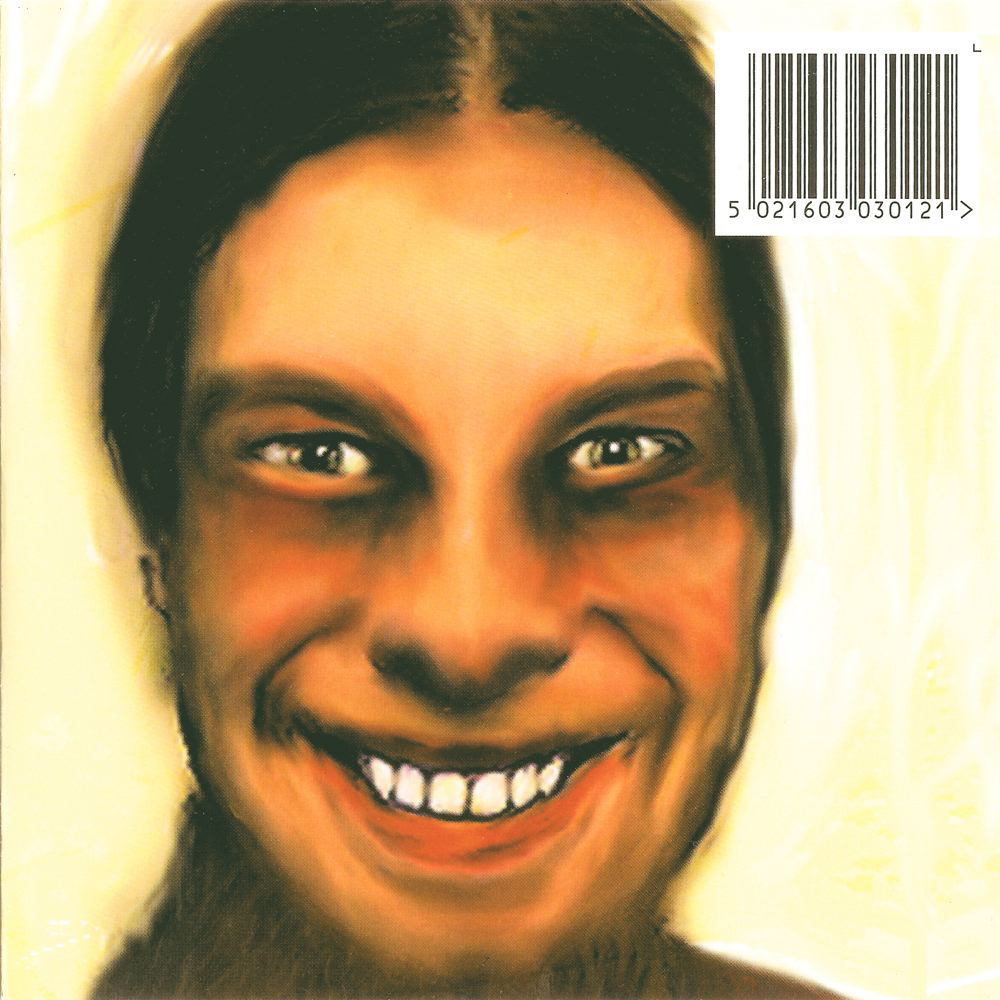
6. …I Care Because You Do (1995)
Following his sprawling ambient masterpiece, 1995’s …I Care Because You Do marked an abrupt pivot back to rhythmic composition and contrasting stylistic fragments. Infused with trademark in-jokes—such as Acrid Avid Jam Shred serving as an anagram of Richard D. James—the record bridges the gap between the dark ambient depths of SAW II and the digital glitch-craft of his later work.
In a 1995 interview with Paper Magazine, James admitted that the rhythm-heavy tracks were a deliberate reaction to his previous year’s ambient output:
"The tracks I chose were part of a conscious effort to be more conventionally accessible, featuring rhythm of some kind. I don’t really care, but I thought since the last one wasn’t [rhythmic], I’d make this one so it was."
Standout Tracks:Cow Cud Is A Twin, Alberto Balsalm
5. Selected Ambient Works Volume II (1994)
Clocking in at over two and a half hours, Selected Ambient Works Volume II is Aphex Twin’s true, uncompromised ambient manifesto. Inspired by lucid dreams and synesthesia, the sprawling double album trades beats for eerie minimalism, lush spiritual pads, and chilling sonic landscapes.
While its low placement on retrospective lists is frequently debated, its lack of traditional track names (identified only by pie-chart icons and fan-assigned monikers like the pastoral #3 / "Rhubarb") makes it an immersive, meditative voyage. It remains a foundational benchmark for ambient music, though its chilling, icy excursions (such as #4 and #24) demand a deeply patient listener.
Standout Track:#3 ("Rhubarb")
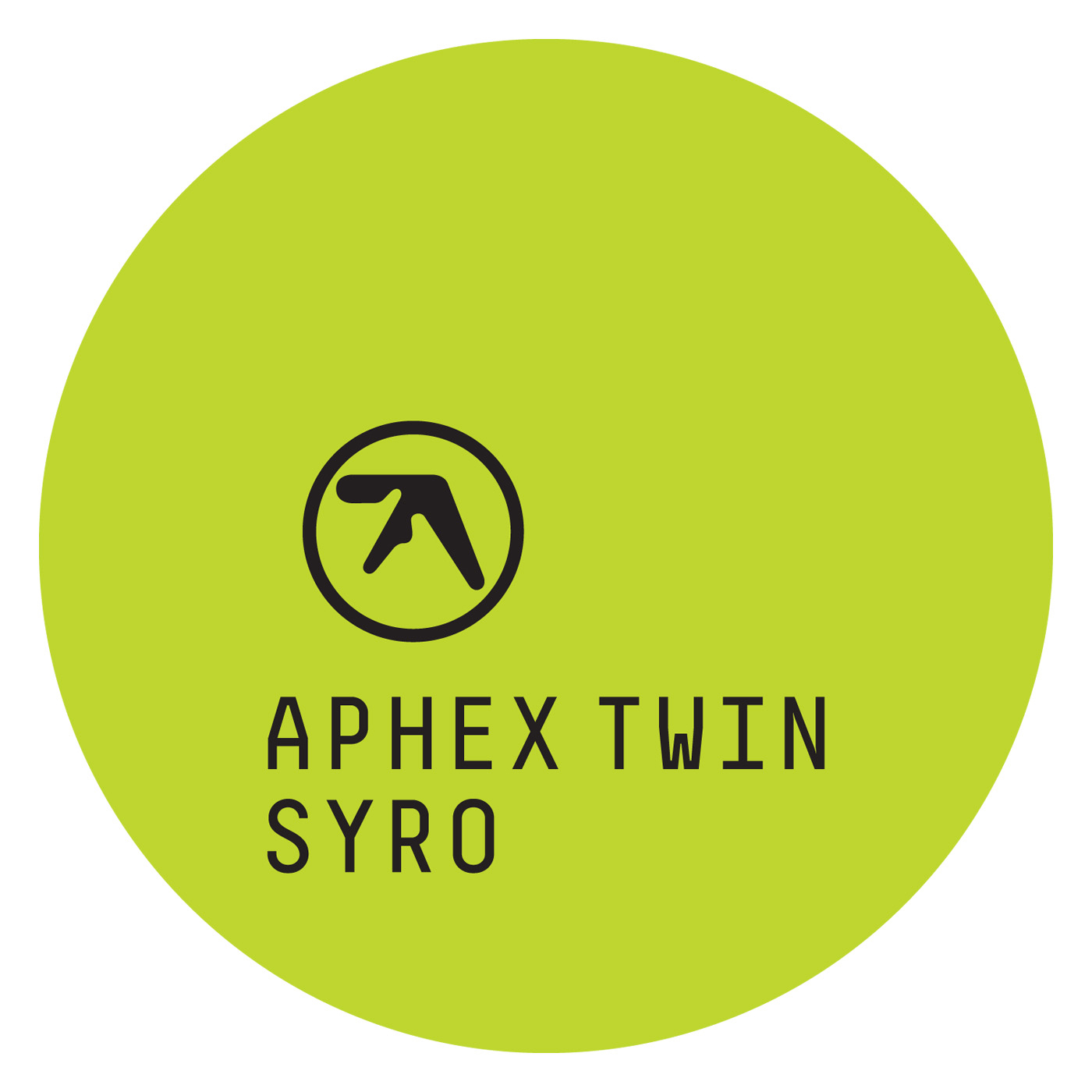
4. Syro (2014)
Arriving after a staggering thirteen-year studio hiatus following 2001’s Drukqs, Syro represented a triumphant, groove-heavy return. Initially viewed by some critics as less eccentric than its predecessors, the album offers some of James’s most accessible, danceable electro and acid-leaning material.
Recorded across multiple studios over several years, Syro is surprisingly cohesive and deeply personal. It features the vocal contributions of James’s wife, Anastasia, his parents, and his own vocoded vocals on the breakbeat opener minipops 67 [120.2]. The album concludes with aisatana, a heartbreaking piano tribute to his wife. Speaking to Pitchfork in 2014, James reflected on the pre-internet era that influenced the record’s aesthetic:
"I used to love jungle. I still think it’s the ultimate genre, really, because the people making it weren’t musicians… There was only a couple of years where people didn’t know what they were doing, and you got all these samples that are just totally not related in pitch."
Standout Track:minipops 67 [120.2]
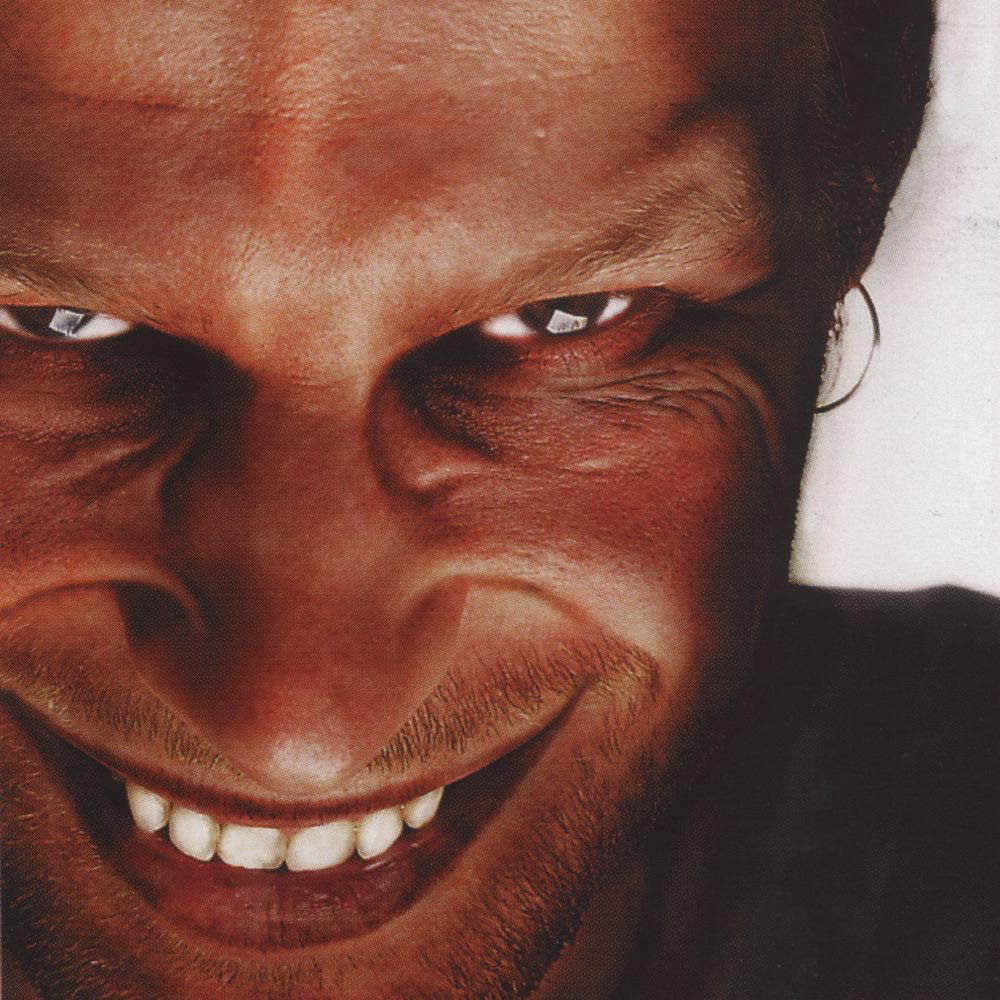
3. Richard D. James Album (1996)
Lean, precise, and uncompromising, the 10-track, 32-minute Richard D. James Album wastes no time. Propelled by hyper-fast breakbeats, it became a foundational blueprint for "drill and bass"—a subgenre prioritizing frenzied, highly syncopated, and chaotic percussion pioneered through his Hangable Auto Bulb EP under the AFX alias.
The genius of the record lies in its stark juxtapositions, violently pitting high-speed drum programming against warm strings and delicate, pastoral melodies on tracks like Girl/Boy Song.
Standout Track:Peek82454201
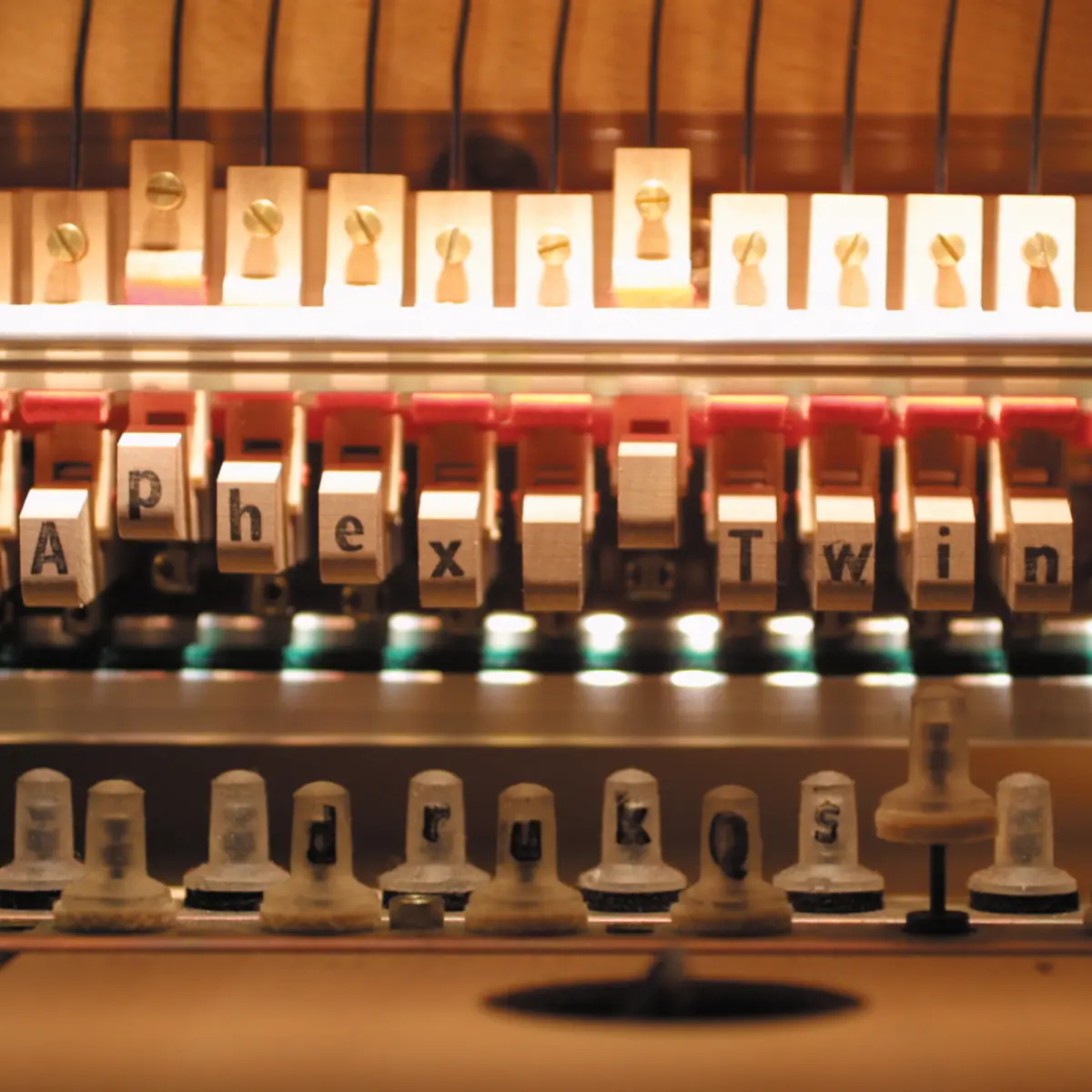
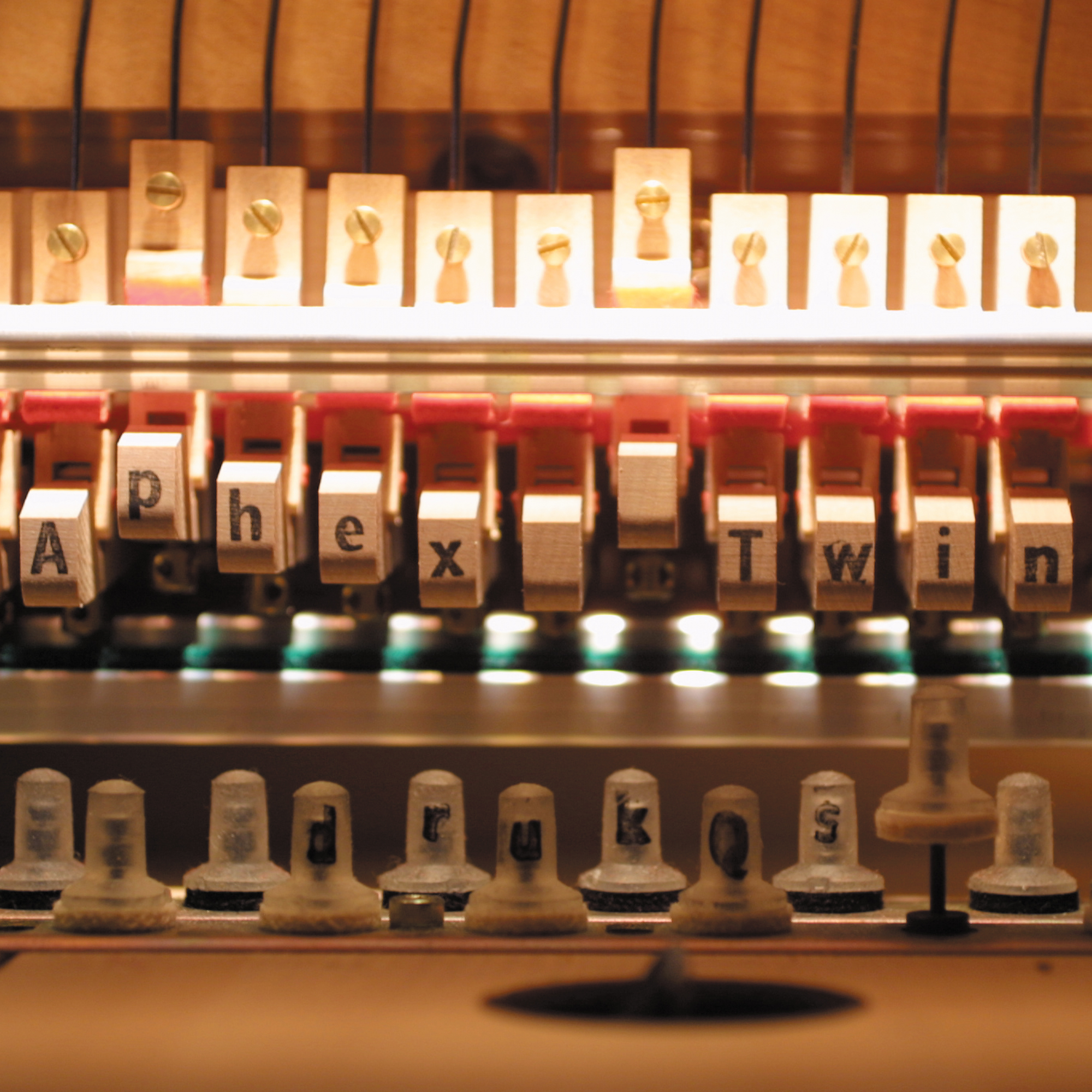
2. Drukqs (2001)
Often dubbed Aphex Twin’s ultimate "showing off" record, Drukqs is a massive 30-track, 100-minute odyssey that maps every extreme of the producer’s creative spectrum. From the mutating, acid-laced drum-and-bass chaos of Vordhosbn to the fragile, Erik Satie-inspired minimalist piano miniature Avril 14th, the whiplash of genres is staggering.
While initial contemporary reviews criticized its stylistic jumps as "languid noodlings," time has proven the album’s immense cultural staying power. Tracks like Avril 14th and QKThr have experienced a massive viral resurgence across TikTok and short-form video platforms, cementing the album as an enduring masterwork of emotional contrast.
Standout Track:Vordhosbn / Avril 14th
1. Selected Ambient Works 85-92 (1992)
For many, Selected Ambient Works 85-92 (SAW I) remains the definitive Aphex Twin statement. Compiling early recordings from James’s youth, the album balances gorgeous, expansive ambience with sudden dives into darker territory, perfectly demonstrated by the wicked acid bubbles of Green Calx.
Surrounded by ethereal textures on tracks like Xtal, Tha, and Pulsewidth, this landmark release also birthed the ubiquitous, alien-like ‘Aphex A’ logo designed by Paul Nicholson. It stands as the ultimate portal into the mind of electronic music’s most enduring wizard.
Standout Track:Pulsewidth
Supporting Context & Metrics: Cultural Impact and Digital Resurrection
The enduring mythology of Aphex Twin extends far beyond his audio production. From the iconic, unsettling body-horror music videos directed by Chris Cunningham (Windowlicker, Come to Daddy)—which featured digital composites of Richard D. James’s grinning face pasted onto dancers and children—to his legendary industry trolling (such as dropping a microphone into a spinning blender during a 1995 live set at New York’s Knitting Factory), James masterfully weaponized internet-era aesthetics before the internet was even mainstream.
Streaming Metrics & Algorithmic Longevity
The TikTok Effect: Tracks like Avril 14th, QKThr, and Jynweythek have found a massive secondary life as trending audios on short-form video platforms, introducing Gen Z audiences to IDM through meme culture.
Commercial Reach: Thanks to this cross-generational algorithmic discovery, Aphex Twin famously surpassed pop icon Taylor Swift in monthly YouTube Music listeners during peak viral cycles.
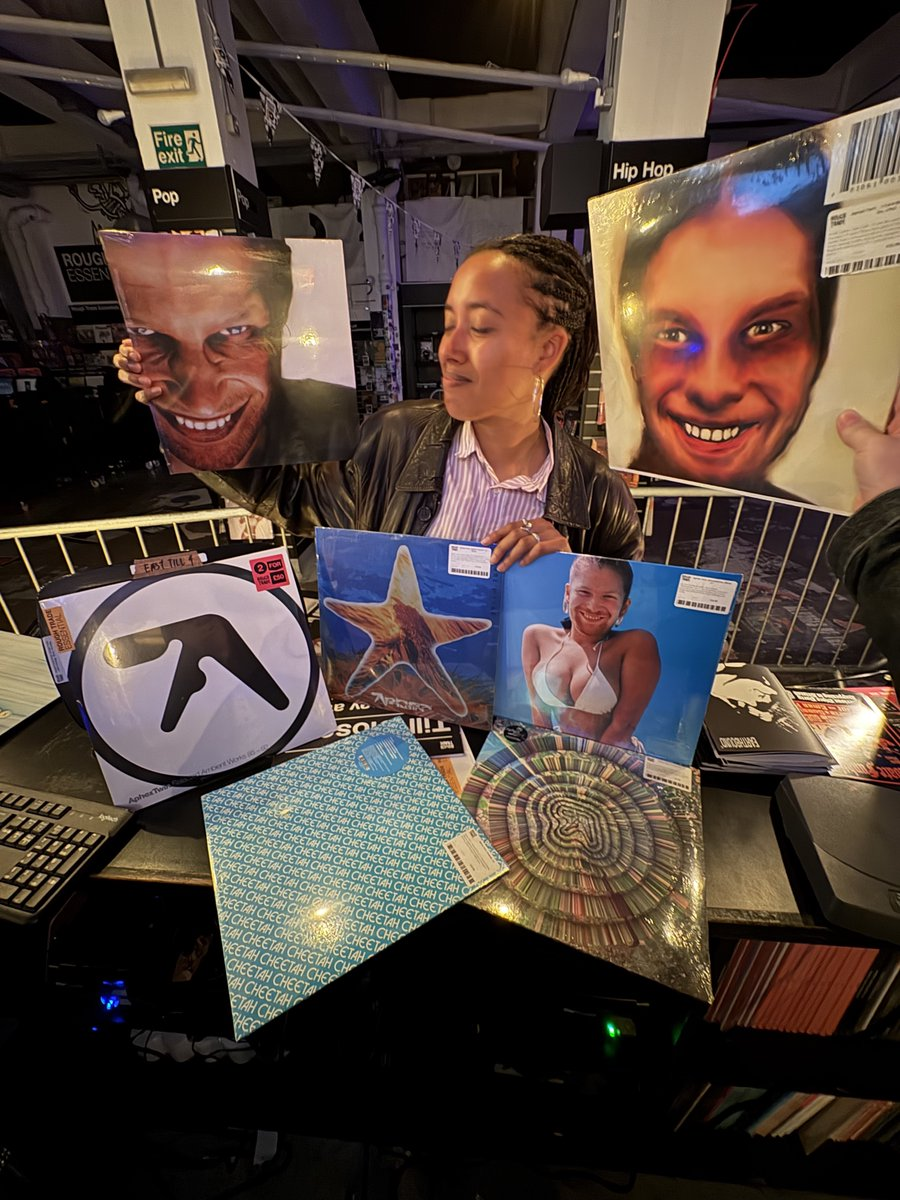
Physical & Merchandise Demand: Collaborations with Warp Records and Rough Trade—such as the organic cotton Stanley & Stella Creator 2.0 logo T-shirt—continue to serve as badges of honor within underground youth culture.
Official Statements & Industry Perspectives
Reflecting on the psychological and artistic framework of Richard D. James, industry critics and collaborators continually emphasize his rejection of institutional boundaries. Rejecting the pretentious moniker of "Intelligent Dance Music" (IDM)—a term he once dismissed as a barrier to entry for genuine listeners—James has consistently positioned himself as an outsider operating from deep within the machinery of electronic composition.
As Rough Trade Marketing and Content Manager Georgia Mulraine notes:
"With so much versatility of sound, it feels that any Aphex Twin ranking is going to be especially subjective… a listen to every one of these albums helps us understand how the British producer has ended up such an enduring cultural enigma."
Future Outlook: The Ongoing Legacy of Richard D. James
As electronic music continues to fracture into hyper-niche micro-genres, the blueprint laid down by Richard D. James remains entirely inimitable. Whether through surprise modern releases like 2023’s Blackbox Life Recorder 21f / In a Room7 F760, archival reissues, or unexpected viral explosions on social media, Aphex Twin operates outside the traditional rules of the music industry.
He remains a ghost in the machine: a prankster, a visionary, and an uncompromising sonic architect whose future moves are impossible to predict, ensuring that the mythology of Aphex Twin will captivate adventurous listeners for decades to come.
Essential Further Listening & Aliases
Analogue Bubblebath (1991): Raw, acid-soaked techno released under the AFX alias, capturing the breathless energy of early ’90s raves.
Come to Daddy EP (1997): A feral, menacing landmark of distorted vocals and breakbeats.
Windowlicker (1999): A futuristic, warped deconstruction of R&B and funky electro matched with groundbreaking visual art.
Blackbox Life Recorder 21f / In a Room7 F760 (2023): A welcome, intricate return to forward-thinking studio production.