Executive Overview
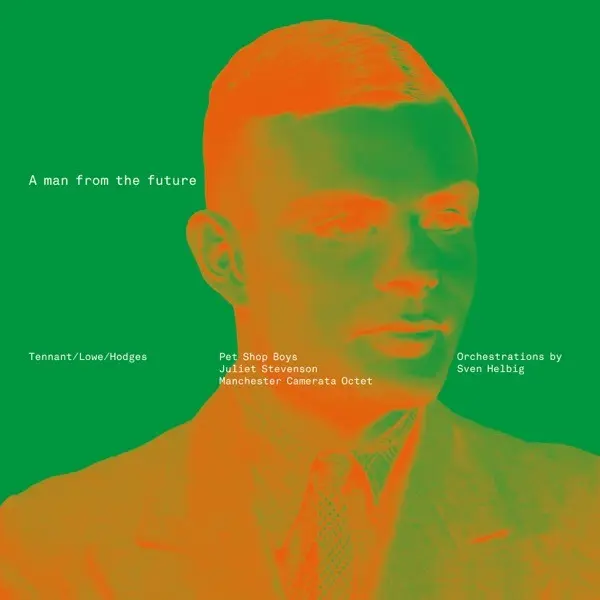
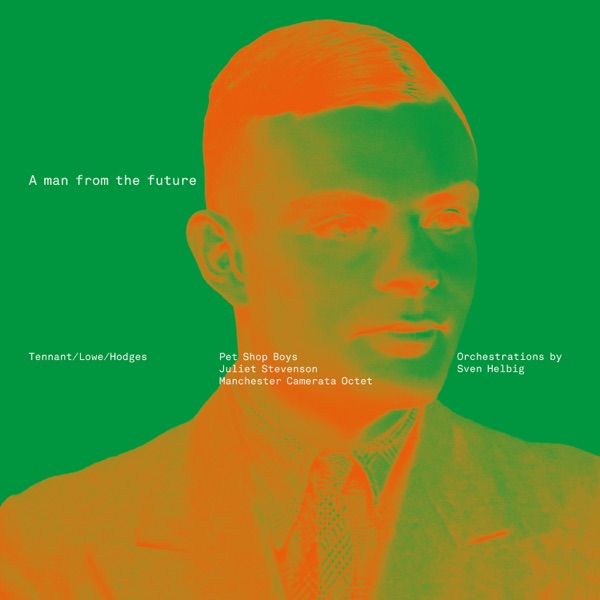
Few musical acts possess the intellectual weight, theatricality, and electronic pedigree required to translate the complex life, tragic persecution, and monumental achievements of pioneering mathematician and cryptanalyst Alan Turing into a cohesive soundscape. Yet, legendary British synth-pop duo Pet Shop Boys—comprising vocalist Neil Tennant and keyboardist/programmer Chris Lowe—have achieved precisely that.
Conceived in collaboration with renowned Turing biographer Andrew Hodges, this ambitious project began taking shape around 2012 and 2013. It made its live world premiere in July 2014 during a triumphant, one-off performance with the BBC Concert Orchestra at London’s prestigious Royal Albert Hall. Over the subsequent decade, the work has been meticulously refined and reworked alongside original orchestrator Sven Helbig.
The resulting masterpiece is an intricate, multi-layered sonic journey. It seamlessly blends masterfully delivered spoken-word passages—courtesy of acclaimed actor Juliet Stevenson—with Neil Tennant’s signature melodic narrative. Anchored by Chris Lowe’s sophisticated synthesizers and sweeping orchestral string arrangements, the project chronicles Turing’s life in strict chronological sequence.
On paper, following up a career milestone—such as securing their highest-charting studio album in 30 years—with a sweeping orchestral and electronic concept piece about a 20th-century mathematician might seem like an unconventional pivot. However, when examining the profound thematic parallels between the creators and their subject, the project feels both inevitable and deeply personal. As enduring pioneers of electronic music who navigated their own eras of cultural scrutiny regarding their sexuality, Tennant and Lowe have crafted one of the boldest, most poignant entries in their illustrious catalog. This cultural artifact honors a national hero while exploring the enduring costs of institutional prejudice.
Detailed Chronology: A Life in Sound and Sequence
The conceptual work is structured chronologically, mapping Alan Turing’s journey from an independently minded schoolboy to a wartime savior, a foundational architect of computer science, and, ultimately, a tragic victim of state-sponsored homophobia.
Act I: Independence and Awakening
The journey commences with the evocative opening track, "Natural Wonders Every Child Should Know". Set against the backdrop of a "moderately distinguished public school," the track immediately establishes Turing’s fiercely independent intellect and emotional isolation. Tennant’s lyrics capture a pivotal behavioral paradigm:
"One could conform, rebel, or withdraw / And Alan withdrew."
This deep-seated refusal to follow rigid societal templates defined his entire existence. The narrative quickly progresses through his formative years, touching upon the realization of his sexuality, his early experiences of first love, and the profound, formative grief of sudden loss. These early milestones forged a man who routinely operated outside conventional expectations, entirely unbothered by institutional norms, and perpetually carving his own intellectual pathways.
Act II: Academia, Enigma, and Computing
Moving from his academic awakening at Cambridge—explored in the piece "He Dreamed of Machines"—the narrative shifts to his legendary wartime contributions at Bletchley Park. In "The Enigma", the music captures the tense, high-stakes atmosphere of cryptanalysis that ultimately helped the Allies break Nazi Germany’s unbreakable codes, shortening World War II by years and saving millions of lives.
Turing’s visionary leap from codebreaking to the theoretical mechanics of computing is addressed in "Memory Control". Here, Lowe’s synthetic soundscapes mirror the rhythmic, calculating pulse of early computational architecture, honoring a mind that conceptualized modern artificial intelligence before the physical technology even existed to support it.
Act III: Persecution and Tragedy
The soaring brilliance of Turing’s professional triumphs is deliberately and devastatingly juxtaposed with the systemic cruelty that ended his life. In 1952, Turing was arrested and convicted of "gross indecency" following the disclosure of a relationship with another man—a harrowing chapter detailed in the track "The Trial".
The narrative culminates in "Only In His Death", addressing his tragic, untimely demise by cyanide poisoning at the age of 41 in 1954. The tonal shift in the music during this movement is palpable; the triumphant, driving synths of his computing era give way to sparse, haunting orchestration that mirrors the profound isolation of his final days.
Supporting Context & Metrics: Geography, History, and Resonance
What elevates this Pet Shop Boys project from a standard biographical tribute into an artistic tour-de-force is its meticulous attention to geographical, historical, and structural nuance.
The Manchester Connection
The production’s acoustic identity is deeply tied to Turing’s legacy. The string arrangements and soaring choral vocals featured on the record were performed entirely by Manchester-based musicians. This was a deliberate, highly symbolic choice:
- Manchester was the city where Turing spent his final, most productive academic years at the University of Manchester, contributing heavily to the development of early operational computers like the Manchester Mark 1.
- Tragically, Manchester was also the city where he was arrested, tried, and ultimately died.
By utilizing local musical institutions to voice Turing’s story, the project creates an acoustic monument rooted directly in the soil where his greatest post-war achievements and deepest injustices occurred.
Historical Irony and the Turing Law
The eponymous final track expands the lens, framing Turing’s individual persecution within a much broader, damning historical context. The lyrics highlight a chilling historical coincidence: Turing was first charged with gross indecency on the exact day Queen Elizabeth II ascended to the throne in February 1952. It took precisely 62 years for that same monarch to grant him a posthumous royal pardon, which finally arrived in December 2013.
This delayed absolution highlights the systemic, multi-generational hostility toward homosexuality that persisted throughout the 20th century across Western legal systems. Notably, since the piece was first conceptualized and premiered, the cultural landscape has shifted. The implementation of the so-called "Alan Turing Law" has officially pardoned tens of thousands of men historically convicted under similar discriminatory historical laws across the United Kingdom. Pet Shop Boys’ musical chronicle serves as both a reflection of this hard-won progress and a solemn reminder of the human cost required to achieve it.
Official Statements and Creative Insights
While Pet Shop Boys have historically preferred to let their meticulously crafted music and overarching concepts speak for themselves, the collaboration with biographer Andrew Hodges offers a rare window into the artistic rigor behind the work.
In retrospective interviews discussing the evolution of the project from its 2014 Royal Albert Hall debut to its refined studio iteration, the duo emphasized the importance of maintaining historical fidelity while ensuring the material remained accessible through pop-electronic idioms.
Biographer Andrew Hodges, whose definitive book Alan Turing: The Enigma served as the narrative blueprint, praised the project for capturing the emotional vulnerability beneath Turing’s icy intellect. Hodges noted that while popular culture often reduces Turing to a binary caricature—either a cold-calculating machine or a purely tragic victim—the Pet Shop Boys composition successfully captures his eccentricities, his dry humor, his visionary zeal, and his profound humanity.
Sven Helbig, the original orchestrator who worked alongside Chris Lowe to bridge the gap between classical composition and electronic soundscapes, noted that the integration of Juliet Stevenson’s spoken-word delivery was critical. Stevenson’s voice acts as an objective narrator, cutting through the emotional peaks of Tennant’s vocals to ground the listener in the cold, unyielding facts of historical documentation.
Future Outlook: Legacy and Cultural Impact
As electronic music continues to grapple with its commercial obligations, projects like Pet Shop Boys’ Alan Turing concept piece redefine what synth-pop can achieve. By anchoring synthetic experimentation to serious historical narrative, Tennant and Lowe have established a high-water mark for artistic longevity.
Looking ahead, the project’s resonance extends far beyond traditional album release cycles. Cultural commentators and musicologists have increasingly pointed to this body of work as a prime example of how popular artists can engage with historical education, public policy, and civil rights advocacy through multimedia performance.
With discussions surrounding potential special live stagings and educational partnerships continuing to circulate within the duo’s creative camp, the legacy of Alan Turing—as refracted through the electronic lens of Pet Shop Boys—will undoubtedly continue to educate, challenge, and move audiences for generations to come. In honoring a man who cracked the uncrackable code, Pet Shop Boys have successfully decoded the emotional mechanics of resilience, tragedy, and artistic triumph.