Executive Overview
With credits spanning more than 700 records, two Grammy Awards, and an esteemed position as an adjunct professor at the University of Southern California (USC), legendary percussionist Peter Erskine stands among the most influential drummers in modern music history. From his early formative years sitting behind a drum kit as a four-year-old toddler to pioneering the gold standard of jazz fusion with Weather Report, Erskine’s career represents a masterclass in versatility, technical precision, and artistic reinvention.
This retrospective explores Erskine’s remarkable trajectory—from his rigorous training under big band titan Stan Kenton and the high-octane velocity of Maynard Ferguson’s orchestra to his genre-defining tenure alongside Jaco Pastorius, Michael Brecker, and Joe Zawinul. Furthermore, we examine his legendary collaborations with iconic singer-songwriters like Joni Mitchell and Kate Bush, his entrepreneurial endeavors with Fuzzy Music, and his modern evolution with the Dr. Um Band, culminating in a poignant return to the pure, acoustic elegance of swinging jazz.
Detailed Chronology: From Prodigy to Fusion Pioneer
1. The Formative Years: Kenton, Ferguson, and Big Band Boot Camp
Peter Erskine’s affinity for rhythm began practically in the cradle. Encouraged by his father—a former bass player and swing bandleader during his college days—Erskine picked up the sticks at the tender age of four. By seven, he was already immersing himself in jazz summer camps, setting the stage for an extraordinary professional future.
It was at these summer workshops that a fateful collision of circumstances brought him into the orbit of legendary bandleader Stan Kenton.
"Serendipity as well as destiny seem to have played their roles in my becoming the drummer for the Stan Kenton Orchestra," Erskine reflects. "Attending the summer jazz camps, he brought his music into my world and me into his orbit. Sooner or later, I would have the opportunity to audition for him."
Fresh off graduating from the prestigious Interlochen Arts Academy—where he received a rigorous education in both big band and orchestral percussion—Erskine possessed both the training and the unyielding ambition required for the gig. After spending three intensive years with Kenton, a brief return to university life, and a subsequent stint on the road with trumpet virtuoso Maynard Ferguson, Erskine had traversed the globe, developing an invaluable toolkit.
While small jazz combos tested a musician’s spontaneous improvisational instincts, the massive big bands demanded flawless ensemble playing. Artists like Erskine were fortunate enough to sit in chairs that forced both skillsets to be honed simultaneously.
Working with Maynard Ferguson—a peerless trumpeter capable of executing blistering notes in the extreme higher register—was both a blessing and a challenge. Ferguson was famously gifted, fiercely determined, and occasionally confrontational. Yet, Erskine has frequently named Ferguson the best boss he ever worked for, a sentiment solidified the evening a certain boundary-pushing fretless bassist caught the band live in concert.
2. Weather Report: Inside the "State of Mind"
Erskine’s transition into jazz-fusion royalty group Weather Report was a textbook example of preparation meeting opportunity. Jaco Pastorius, the visionary electric bassist, witnessed Erskine playing with Ferguson’s orchestra. At the time, Weather Report was aggressively searching for a percussionist who could effortlessly straddle the worlds of tight ensemble arrangement and wild, exploratory improvisation.
Joining Weather Report placed Erskine squarely at the vanguard of what co-founder Joe Zawinul preferred to call "modern American music." Alongside Zawinul, saxophonist Wayne Shorter, and Pastorius, Erskine completed the definitive lineup often dubbed by critics and fans as the "Big Four."
Reflecting on his tenure through the mid-1970s across four studio records, Erskine remains characteristically self-effacing, downplaying his own contributions despite laying down iconic, intricate grooves on tracks such as:
- Pinocchio
- Brown Street
- Port Of Entry
- Fast City
- Dara Factor One
Though he playfully notes that his preferred Weather Report records remain the group’s debut album alongside Mysterious Traveller and Heavy Weather, music historians universally praise his performance on 8.30 cut Sightseeing as a pinnacle of fusion drumming.
3. Word Of Mouth and the Brecker Brothers: Steps Ahead
It was during his final stretch with Weather Report that Pastorius assembled his own gargantuan big band, Word Of Mouth, recruiting Erskine for the recording sessions. Released in 1981, the Word Of Mouth album captured Pastorius’s staggering compositional depth.
One particular memory stands out crystal clear in Erskine’s mind: a mixdown session at A&M Studios where legendary composer Burt Bacharach dropped by unannounced to listen to Three Views Of A Secret. According to Erskine, seeing Pastorius beam with validation during that moment remains the proudest he ever witnessed the volatile bassist.
Musical and personal divergences eventually caused Pastorius to depart to focus fully on his big band ambitions. Seeking a parallel exit, Erskine transitioned into Steps Ahead—a more harmonious and easygoing musical vehicle spearheaded by saxophone titan Michael Brecker and trumpeter Randy Brecker.
"Steps Ahead brought me to New York City, and that journey also brought me to Japan on several occasions, where I fell in love with the woman who would become my wife," Erskine shares warmly. "So I have incredibly warm feelings about the band and those musicians. The Modern Times album stands the test of time just about as well as anything else I’ve ever done."
Supporting Context & Metrics: A Cross-Genre Phenomenon
To box Peter Erskine into a strictly "jazz-fusion" category is to fundamentally misunderstand the breadth of his discography. Believing firmly that diverse musical experiences continuously inform and elevate one another, Erskine steadily expanded his artistic horizons to collaborate with an astonishing roster of mainstream and avant-garde icons.
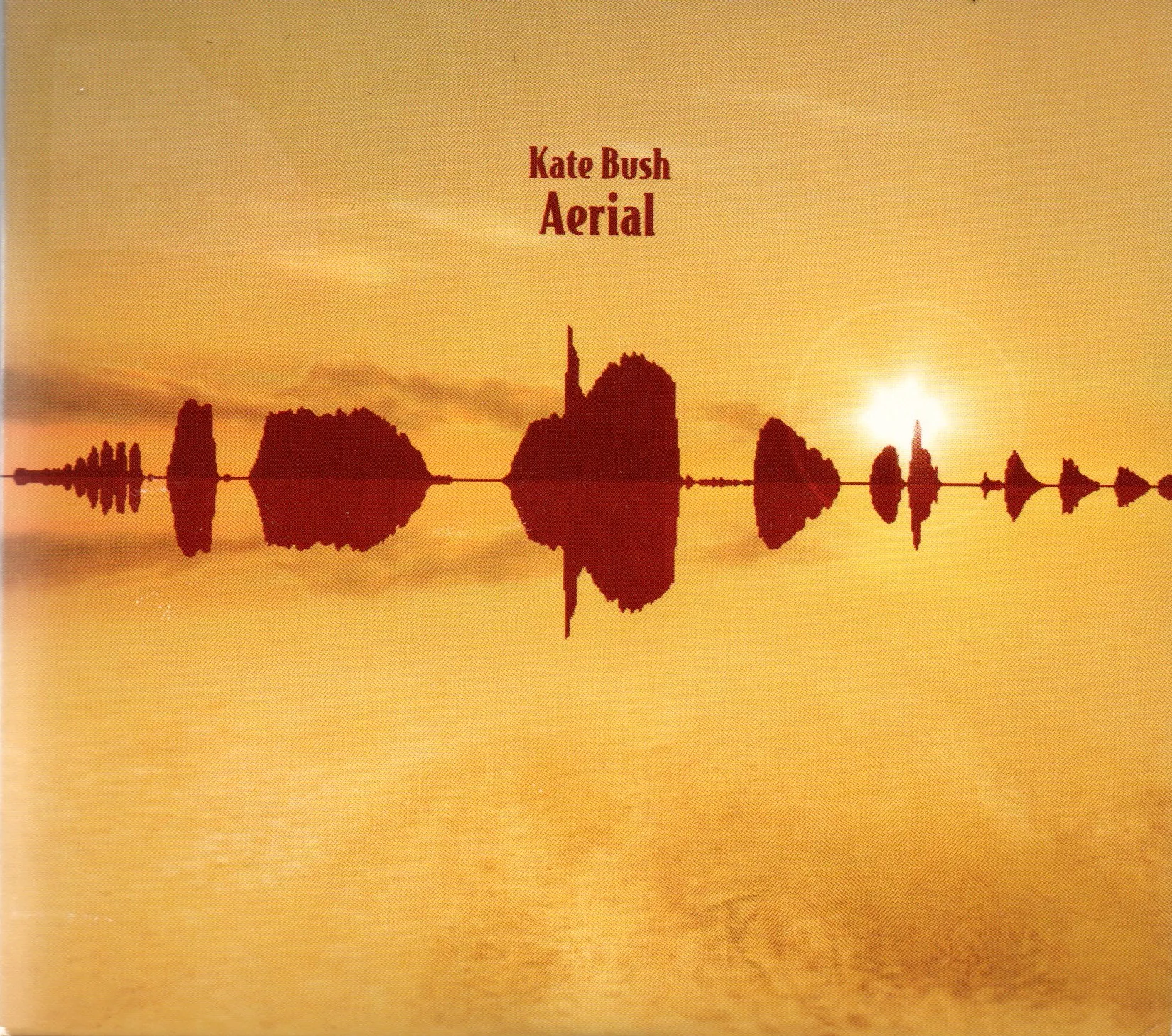
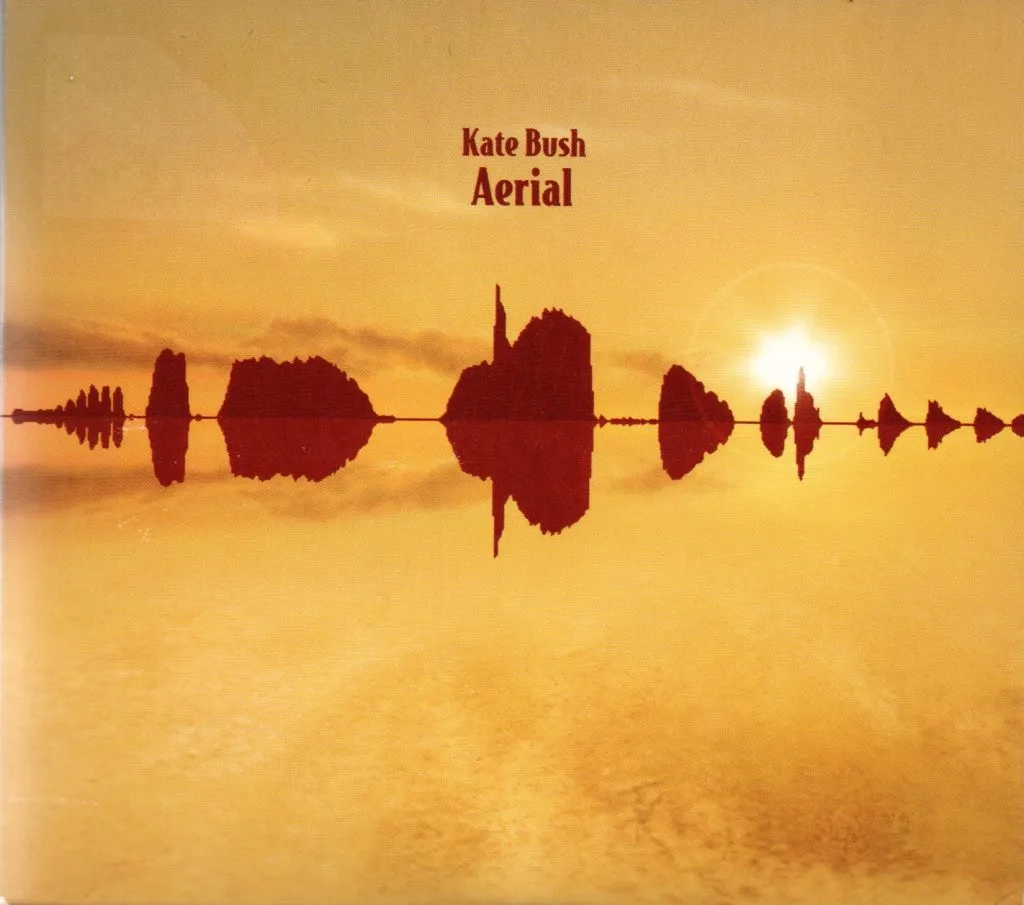
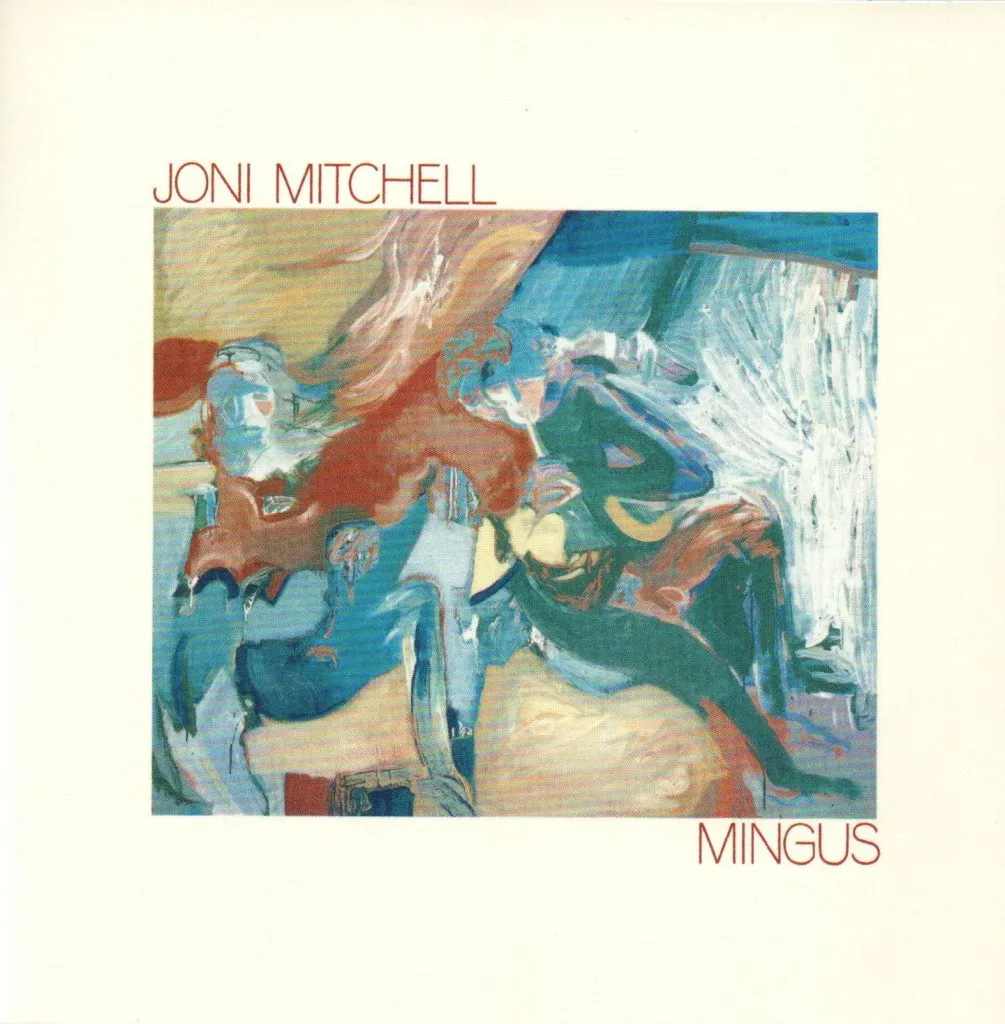
His resume features major credits alongside arrangers like Vince Mendoza, jazz vocal royalty Diana Krall, and sophisticated rock outfit Steely Dan, in addition to legendary renegade singer-songwriters Joni Mitchell and Kate Bush.
+-----------------------------------------------------------------+
|                    PETER ERSKINE: KEY METRICS                   |
+------------------------------+----------------------------------+
| Total Recorded Releases      | 700+                             |
| Grammy Awards Won            | 2                                |
| Academic Affiliation         | Adjunct Professor, USC           |
| Key Label Founded            | Fuzzy Music (Turn of Century)    |
| Primary Musical Epochs       | Big Band, Fusion, Acoustic Jazz  |
+------------------------------+----------------------------------+
When asked about his unexpected detours into pop and art-rock masterpieces, Erskine credits his network of creative catalysts:
- Joni Mitchell: A direct introduction facilitated by Jaco Pastorius.
- Kate Bush: A collaboration orchestrated by contemporary classical composer Mark-Anthony Turnage and the BBC, after Bush caught a documentary detailing Erskine adding percussion to one of Turnage’s orchestral compositions.
Official Statements & Personal Philosophy
Erskine’s reflections on his craft offer profound insights into the psychological evolution of a master instrumentalist. Having spent decades conquering complex time signatures, electric fusion setups, and thunderous big-band arrangements, his perspective has shifted toward minimalism and acoustic purity.
"Dr. Um was fun," Erskine says, referencing his jazz-funk group formed in 2015 with vocalist Jack Fletcher under his Fuzzy Music imprint. "But I’m back to acoustic music-making now. I had to get some of the lingering electric out of my system, but nothing beats the purity of playing an instrument softly, sweetly, and swingingly. THAT is not something I was ready to know or learn when I was a younger drummer in all of those different bands."
This philosophy underlines his current pedagogical role at the University of Southern California (USC), where he passes down decades of wisdom to the next generation of rhythmic architects. He emphasizes that true musicianship is not merely about volume, speed, or technical wizardry, but about listening, breathing with the ensemble, and serving the song.
Future Outlook: The Acoustic Renaissance
As Peter Erskine continues to tour, teach, and record, his legacy is firmly secured not just by the sheer volume of his output—sitting comfortably at over 700 records—but by the uncompromising quality of his musicality.
With his recent work pivoting decisively away from high-voltage electronic fusion back toward the nuanced, organic resonance of acoustic jazz, Erskine proves that true masters never stop learning. Whether he is dissecting rhythmic subdivisions in a USC lecture hall, releasing pristine audiophile cuts through Fuzzy Music, or swinging softly behind a minimalist jazz trio, Peter Erskine remains an eternal student of the drum, ensuring that his rhythmic footprint will echo across generations to come.
Based on interviews by Lin Bensley. Peter Erskine’s latest projects, including works with the Dr. Um Band, are available via Fuzzy Music.