In the landscape of 1970s British rock, few groups occupied a niche as unique—and perpetually volatile—as the Welsh outfit Man. Formed in South Wales in the late 1960s, the ensemble earned an international reputation for blending West Coast American psychedelia, extended blues-rock improvisations, and distinctively dry Welsh humor. Often cited by contemporary rock critics as a British counterpart to San Francisco luminaries such as Quicksilver Messenger Service and the Grateful Dead, Man carved out a dedicated cult following through relentless touring and a famously fluid lineup.
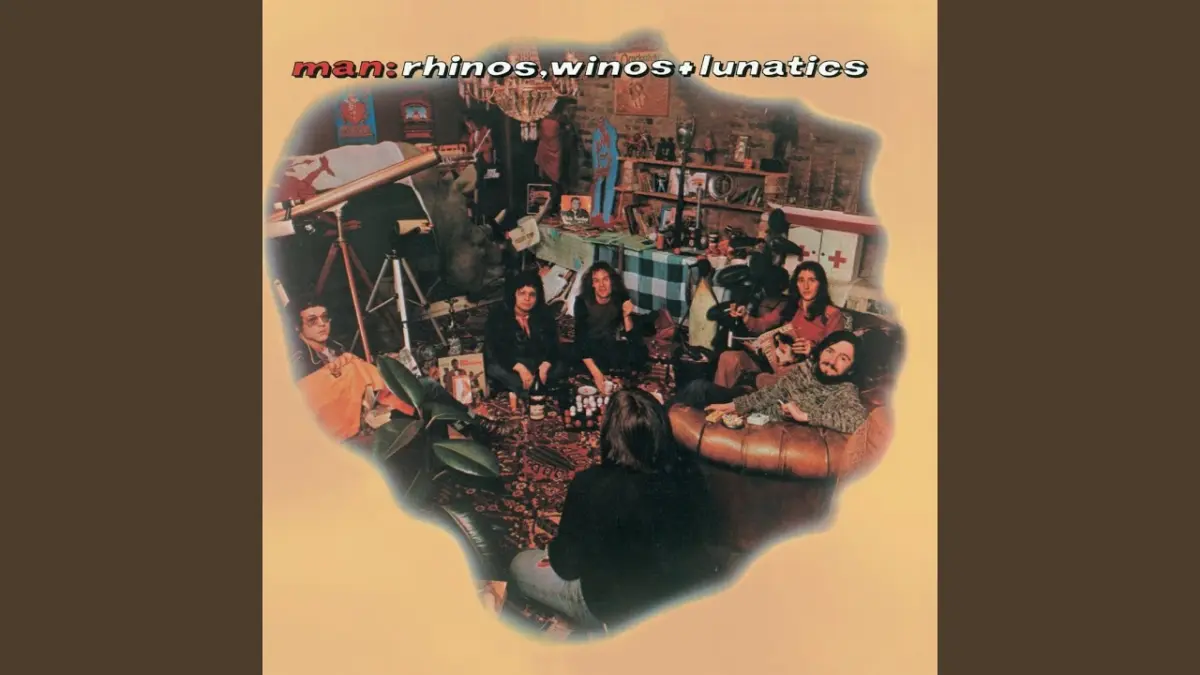
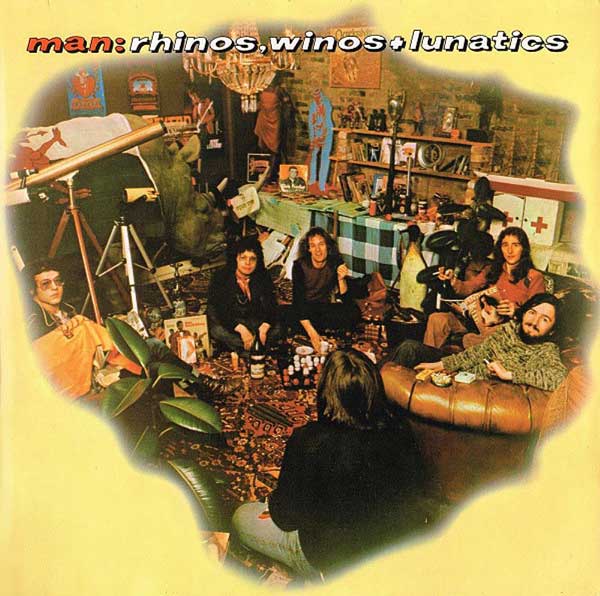
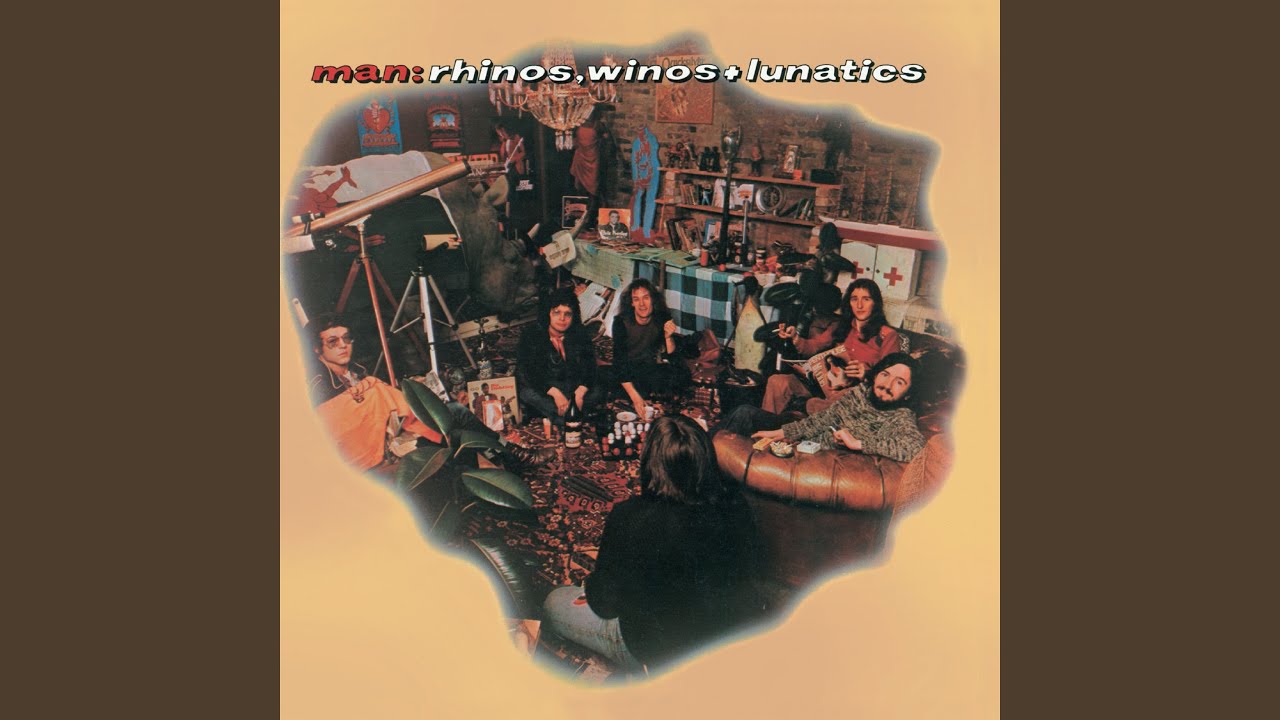
In 1974, the group released Rhinos, Winos and Lunatics, their seventh studio album and a pivotal milestone in their discography. reuniting with prodigal guitarist/vocalist Roger "Deke" Leonard and enlisting acclaimed producer Roy Thomas Baker—fresh off his success with Queen—the record represented a deliberate turn toward structural discipline and polished studio craft without entirely abandoning the band’s rambling jam-oriented ethos.
Recently, the Classic RockAlbum of the Week Club subjected Rhinos, Winos and Lunatics to a rigorous retrospective evaluation. Garner
ing a final aggregate score of 6.50 out of 10 across 30 detailed votes, the album remains a fascinating case study in artistic compromise, showcasing the tension between sprawling live improvisation and commercial studio production.
Detailed Chronology
[1968–1969] -----------------------------------------------------------------> [1971–1972]
Formation in Wales & Debut Release                       Rapid Album Releases & Lineup Shifts
• Debut: "Revelation" (1969)                             • "Be Good To Yourself At Least Once A Day" (1972)
• Controversy over track "Erotica"                       • Famous fold-out map of Wales sleeve art
• UA rejects title "Spunk Rock"

[1973] ---------------------------------------------------------------------> [1974]
Expanded Horizons & Strategic Evolution                  The Production Pivot: "Rhinos, Winos & Lunatics"
• Release of "Back Into The Future"                      • Deke Leonard rejoins the lineup
• Lineup reshuffles continue                             • Hired Queen producer Roy Thomas Baker
                                                         • Shift toward shorter, tighter song structures
Early Notoriety and Label Friction (1969–1970)
Man emerged from the ashes of the Welsh pop group The Bystanders in 1968, adopting a heavier, more experimental sound. Signing with United Artists Records, they released their debut album, Revelation, in 1969. The record immediately stirred controversy with the track "Erotica," which featured simulated sexual sounds and earned the group both a temporary broadcast ban and instant underground notoriety.
Hoping to capitalize on this rebellious image, the band intended to title their 1970 follow-up Spunk Rock. However, executive pressure from United Artists forced a last-minute alteration. The label flatly refused the original title, leading the band to snarkily retitle the record Two Ounces Of Plastic With A Hole In The Middle.
Rapid Evolution and Lineup Instability (1971–1973)
Between 1971 and 1973, Man underwent a period of hyper-creativity coupled with constant personnel changes. They issued two full-length albums in 1971 alone, followed by 1972’s seminal Be Good To Yourself At Least Once A Day—renowned among collectors for its iconic fold-out sleeve designed as a cartoon map of Wales.
By 1973, the release of the double album Back Into The Future cemented their reputation as formidable live performers capable of filling entire vinyl sides with sprawling guitar duels. Yet, internal friction led to the departure of founding frontman and guitarist Roger "Deke" Leonard, who briefly left to pursue solo projects and form the band Iceberg.
The 1974 Pivotal Turn: The Re-entry of Deke Leonard
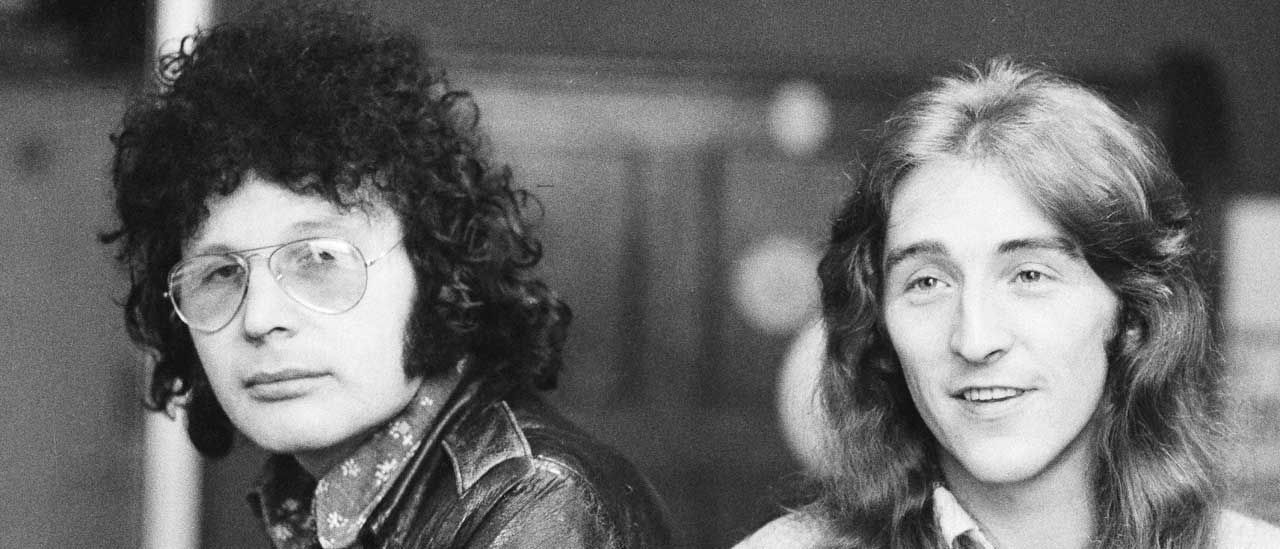
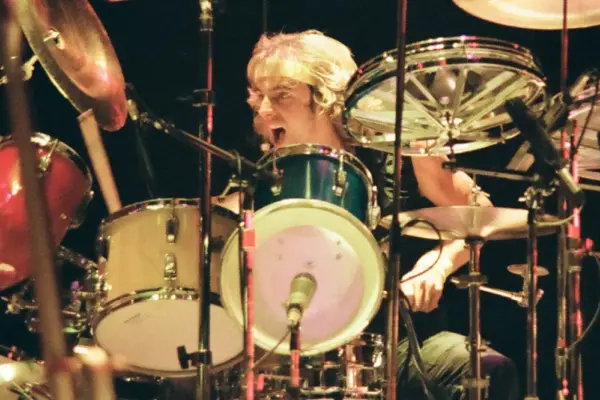
By early 1974, the revolving door of band membership swung back in Leonard’s favor. Rejoining the fold alongside musicians from the group Help Yourself and core members including drummer Terry Williams (later of Rockpile and Dire Straits), Man reconstituted its lineup for their next project.
To refine their sound for international markets, United Artists paired the band with producer Roy Thomas Baker. Known for his meticulous, multi-layered recording techniques with Queen, Baker was tasked with bringing crisp radio accessibility to a band whose natural instinct was to jam endlessly. The resulting session yielded Rhinos, Winos and Lunatics, released in February 1974.
Supporting Context & Metrics
Musical Style and Production Paradigm
Rhinos, Winos and Lunatics stands as a formal departure from the loose, improvised double-album format of Back Into The Future. Containing just seven tracks on the original LP layout, the album presented a tight balance between concise, harmony-laden rock songs and targeted instrumental passages.
Roy Thomas Baker’s signature production touches—precise drum tracking, polished vocal harmonies, and compressed guitar textures—forced Man to structure their material carefully. The triple-guitar attack of Micky Jones, Deke Leonard, and Malcolm Morley was channelled into structured arrangements rather than unstructured studio jams.
+-----------------------------------------------------------------------------------+
|                        TRACKLIST & DURATION ANALYSIS                              |
+------------------------------------+----------+-----------------------------------+
| Track Title                        | Side     | Style / Musical Focus             |
+------------------------------------+----------+-----------------------------------+
| 1. Taking The Easy Way Out Again   | Side A   | Concise, harmony-driven classic   |
| 2. The Thunder And Lightning Kid   | Side A   | Uptempo hard-rock guitar showcase |
| 3. Four Day Louise                 | Side A   | Mid-tempo blues-rock layout       |
| 4. Intro                           | Side B   | Pomp-wah instrumental prelude     |
| 5. Kerosene                        | Side B   | Sultry, extended atmospheric rock |
| 6. Scotch Corner                   | Side B   | 9-minute epic jam with harmonies  |
| 7. Exit                            | Side B   | Bookend instrumental outro        |
+------------------------------------+----------+-----------------------------------+
Critical Track-by-Track Overview
Side One Focus: Opener "Taking the Easy Way Out Again" and "The Thunder And Lightning Kid" highlight the band’s melodic sensibilities, featuring punchy riffs and clean, California-inspired vocal arrangements reminiscent of Buffalo Springfield or Crosby, Stills & Nash.
Side Two Focus: The reverse side operates almost as a continuous suite. Bookended by the short instrumental pieces "Intro" and "Exit" (utilizing prominent wah-wah guitar effects), the core of Side Two relies on "Kerosene" and the expansive 9-minute piece "Scotch Corner". The latter track builds from a picked guitar rhythm into a massive crescendo of harmonized vocals and soaring lead guitar trade-offs.
                     ALBUM EVALUATION METRICS
                     (Album of the Week Club)

       [Total Votes Cast: 30]  |  [Cumulative Score: 195]
       --------------------------------------------------
                     FINAL SCORE: 6.50 / 10
Quantitative Community Evaluation
In the Classic Rock retrospective poll, Rhinos, Winos and Lunatics received an aggregate score of 6.50 out of 10 based on 30 individual evaluations totaling 195 points. Within the context of Welsh rock music evaluated by the community, Man represents one of the few seminal Welsh acts featured alongside hard-rock pioneers Budgie and power-pop legends Badfinger.
Official Statements
Band Reflections
Reflecting on the recording sessions and working under the strict oversight of producer Roy Thomas Baker, late guitarist Roger "Deke" Leonard offered an candid assessment to Classic Rock:
"Roy was a canny bastard. We were all against using him, but the label held firm. And it was odd; we rubbished just about all of his suggestions, but ended up agreeing to them because they were right."
Historical Critical Consensus
At the time of release and in retrospective evaluations, music critics noted the peculiar cross-Atlantic fusion present within the record:
Rolling Stone (1974):
"[The band] seems more interested in making good records than in jamming into the dawn. Rhinos, Winos & Lunatics has more tracks than most Man albums, and each has been carefully structured. The California-style hazy openness is still evident, but it’s been built into songs rather than appearing as the end product of improvisation."
Robert Christgau (Consumer Guide):
"Compounding once and future Iceberg Deke Leonard with two Help Yourselfers… this is the best record to come out of San Francisco in quite a while, pretty impressive for a band that never saw the Golden Gate till after the thing was released."
AllMusic Retrospective Review:
"The second half may be the band’s artistic high point – bookended by the pomp-wah instrumentals, Intro and Exit, it contains the unusually sultry Kerosene and the epic Scotch Corner, which builds up from rattling snare and picked guitar verses to beautiful choruses of harmonised vocals."
Aggregated Listener Feedback
Members of the Album of the Week Club expressed divided opinions on whether Baker’s structured approach benefited or hindered the group’s natural tendencies:
John Davidson:"A Welsh Allman Brothers? Who knew? If anyone had told me this was from an American band, I’d have had no reason to doubt them. Rhino is a languid, slightly bluesy, guitar rock album enhanced with piano and keyboard… I like the guitars, but I’m not loving the vocals."
Keith Jenkin:"Side one is near perfect in my opinion, and the wonderful California Silks and Satins would be a tune you would swear was by Crosby, Stills and Nash or perhaps America if listening to it blind. One of the albums from the seventies that has gone the distance for me."
Philip Qvist:"Man, another group that I had heard of without hearing any of their songs, and a band that had future Dire Straits drummer Terry Williams in their ranks… With three guitarists, with one doubling up as a keyboard player, I guess we shouldn’t be surprised by the nature of the songs on offer here. A 6 or a 7 from me."
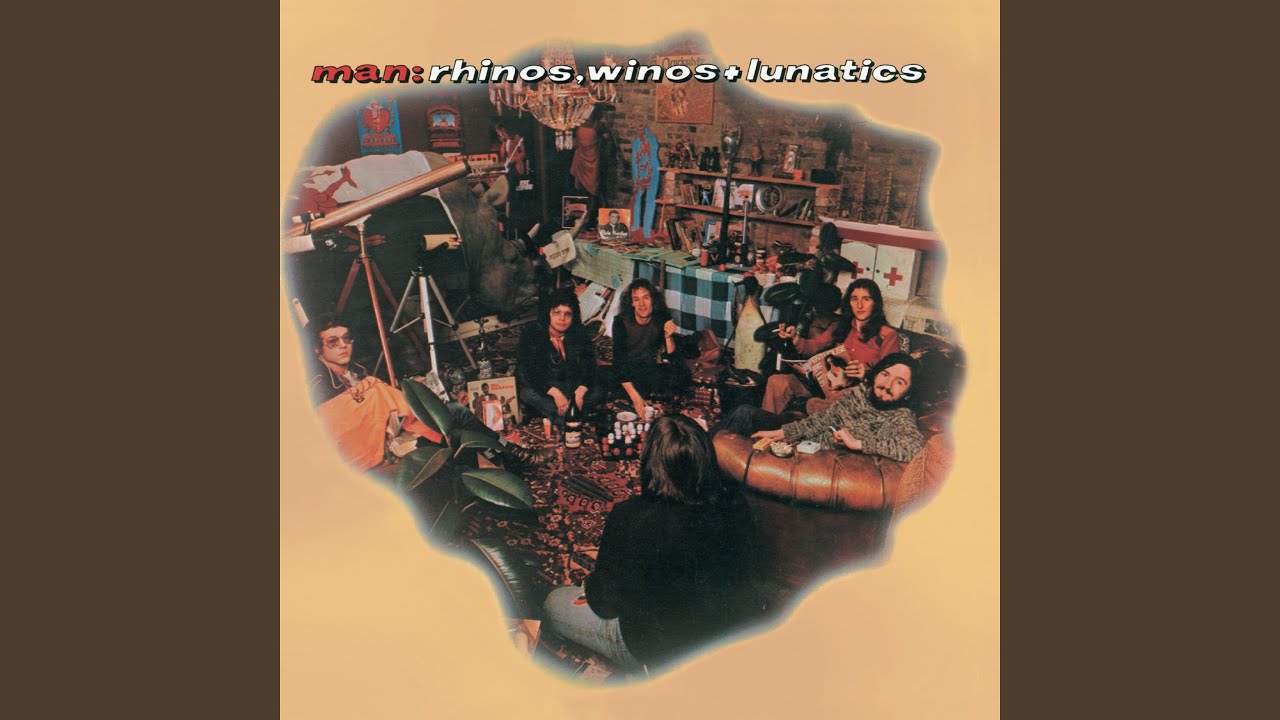
Mike Canoe:"It’s interesting to hear Roy Thomas Baker’s production on something as rootsy and bluesy as this album when I’m most familiar with his work with The Cars and Queen… Half of the songs sound as dated as the album cover looks, while Scotch Corner and The Thunder and Lightning Kid have a more timeless quality."
Future Outlook
Rhinos, Winos and Lunatics remains a key transitional document in the history of 1970s British progressive and pub rock. By proving that a sprawling jam band could adapt to structured studio production, the album paved the way for Man’s mid-70s commercial peak, which culminated in 1976’s highly acclaimed The Welsh Connection and subsequent North American tours alongside West Coast icons like The Allman Brothers Band.
Although Man would disband in 1977 before undergoing various reunions in later decades, the album’s personnel went on to leave a lasting mark on mainstream rock history. Most notably, drummer Terry Williams became a sought-after powerhouse behind the kit, joining Dave Edmunds and Nick Lowe in Rockpile before securing a full-time spot in Dire Straits during their record-breaking Brothers in Arms era.
Today, Rhinos, Winos and Lunatics stands as an enduring cult classic. For music historians and classic rock enthusiasts, it serves as evidence of an era when a group of musicians from South Wales could channel the spirit of San Francisco, craft memorable guitar harmonies, and leave an indelible footprint on the story of 1970s rock.