Executive Overview
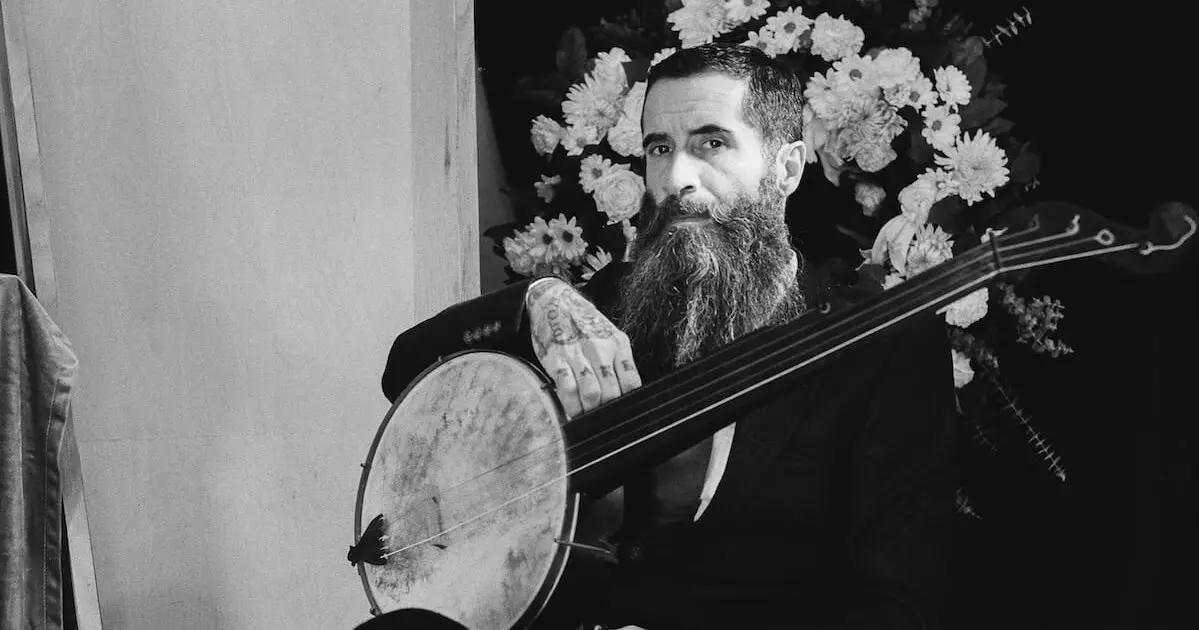
In the ever-evolving landscape of American roots music, few artists balance the raw authenticity of tradition with the weathered wisdom of contemporary experience quite like JP Harris. As anticipation reaches its fever pitch for the release of his sixth studio album, Shaving A Dead Man—slated for an October 23 drop via Bloodshot Records—Harris has pulled back the curtain on the project’s final single, Hang Me.
Accompanied by a visually striking music video captured by Tessa McCoy, Hang Me serves as a masterclass in acoustic storytelling. The track features the exceptional talents of Chance McCoy, formerly of Old Crow Medicine Show, who not only contributes evocative fiddle work and soaring vocal harmonies but also engineered, mixed, and produced the upcoming full-length record.
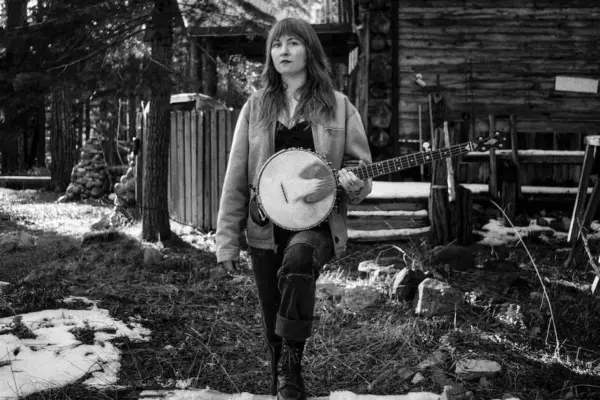
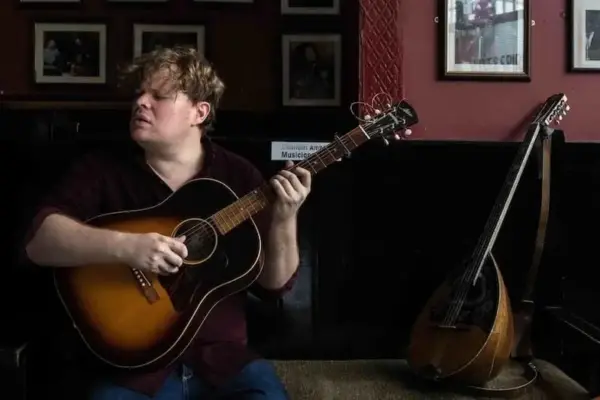
Far from a sterile, over-produced commercial interpretation, Harris and McCoy’s rendition of Hang Me strips away the gloss, returning the centuries-old folk standard directly to the soil from which it sprouted. Through Harris’s resonant, world-weary baritone and masterclass banjo playing, paired with McCoy’s relaxed, atmospheric fiddle lines, the track breathes new life into a deeply historic piece of American oral history.
This release arrives alongside the announcement of an intimate, highly anticipated run of tour dates hitting Nashville and Brooklyn this fall. Below, we examine the rich tapestry behind the creation of Shaving A Dead Man, explore the deep roots of Hang Me, and analyze what this career-defining release means for the future of American roots and old-time music.
Detailed Chronology: From Late-Night Jams to Bloodshot Records
To truly understand the weight and resonance of Hang Me, one must trace the winding path that brought JP Harris and Chance McCoy together. The duo’s creative partnership is not a product of modern music-industry matchmaking; rather, it is rooted in the time-honored traditions of the underground old-time music community.
The West Virginia Connection
Years ago, long before the conceptualization of Shaving A Dead Man, Harris and McCoy crossed paths at a traditional fiddler’s convention in rural West Virginia. These gatherings—often operating on the fringes of mainstream commercial music—serve as living archives where songs are traded face-to-face, instrument-to-instrument, during grueling, late-night porch jams.
It was likely during one of these nocturnal pick-up sessions that Harris first encountered the tune that would eventually crystallize into Hang Me. Passing through generations of players via oral tradition, the song lacks a single definitive author. Instead, it exists as a shifting, breathing entity with countless regional variants, lyrical mutations, and harmonic interpretations.
The Evolution of a Folk Standard
To appreciate the unique geography of Harris’s version, it is helpful to look at how other luminaries of American music have approached the same traditional lineage. For instance, followers of the folk and jam-band traditions are well-acquainted with variants of the song, such as the Grateful Dead’s celebrated rendition of I’ve Been All Around This World. Recorded live at the Fillmore East in New York City on February 14, 1970, the Dead’s electric-acoustic fusion showcased the song’s adaptability.
However, where the Grateful Dead leaned into cosmic Americana and expansive psychedelic folk-rock, Harris and McCoy head in the exact opposite direction. They strip the arrangement down to its bare, skeletal essence.
When Harris takes to the microphone, his delivery avoids the youthful bravado often found in commercial folk revivals. Instead, his warm baritone carries the distinct wear-and-tear of a life spent working on the road, building a music career through the tumult of the modern industry. Supported by McCoy’s laid-back, weeping fiddle and anchored by rhythmic, driving banjo picking, the track transforms from a simple murder ballad or wandering song into a profound meditation on endurance, labor, and systemic hardship.
Capturing the Visuals
To complement the raw audio aesthetics of Hang Me, visual artist Tessa McCoy was brought on to direct and shoot the official music video. The resulting companion piece avoids high-concept narrative clutter, choosing instead to reflect the intimacy and unvarnished reality of the recording sessions. Through natural lighting, lingering close-ups of calloused hands on frets and fingerboards, and pastoral imagery, the video acts as a visual extension of the song’s back-porch pedigree.
Supporting Context & Metrics: The Anatomy of Shaving A Dead Man
As JP Harris prepares to unveil Shaving A Dead Man to the world on October 23 through Bloodshot Records, the album stands as a pivotal milestone in a career that has defied easy categorization.
The Backbone of Old-Time Music
In an industry hyper-focused on streaming metrics, algorithmic optimization, and rapid-fire single releases, Harris has chosen to anchor his sixth album in the unglamorous, foundational soil of old-time mountain music. For an artist who has navigated the rollercoaster of the independent music ecosystem for decades, returning to this specific sonic architecture is more than just a stylistic choice—it is a spiritual homecoming.
The structural makeup of Shaving A Dead Man relies heavily on the synergy between Harris and producer Chance McCoy. By keeping the production booth and the performance space occupied by trusted, lifelong peers, the album manages to capture the fleeting, electrifying energy of a live acoustic session while maintaining sonic clarity.
Critical Themes Within the Track
A close examination of the lyrics embedded within Hang Me reveals the heavy thematic cargo the song carries. Lines such as:
"Working on the railroad in mud up to my knees / Working for John Henry, boys, he’s very hard to please"
connect the protagonist directly to the archetypal figures of 19th-century American labor history. This is not whimsical escapism; it is music forged by the sweat and heavy lifting of the working class. Harris’s vocal delivery underscores the desperate reality of these lines, making the historical narrative feel startlingly immediate and contemporary.
By removing the sterile sheen of modern studio production—which often strips acoustic instruments of their natural overtones and percussive imperfections—Harris and McCoy have crafted a record that sounds as though it was unearthed from an archive field recording, yet vibrates with modern emotional intelligence.
Official Statements: In His Own Words
The creative philosophy driving Shaving A Dead Man goes far beyond a mere exercise in historical reenactment. It represents a profound personal reconciliation for JP Harris, who has spent years establishing himself as a formidable force in American roots, honky-tonk, and traditional country music.
Reflecting on the core driving force behind his new body of work, Harris offers an illuminating perspective on his career and artistic identity:
"Old-time music has been a baseline for me," Harris shares. "And I think in getting a little older, a little more comfortable with myself and trusting my intuitions a little more, I’ve realized that one thing that’s never changed in the tumult of launching and trying to build and maintain a music career all these years, the one consistent love and lover that I’ve had has been the old-time community."
This candid admission underscores the therapeutic and stabilizing role that traditional music has played in Harris’s life. While the music business is notoriously volatile—marked by shifting label landscapes, grueling tour schedules, and the relentless pressure to reinvent oneself—the fellowship of the old-time music community has remained his true north. Shaving A Dead Man is, in many ways, a love letter to that community: a collaborative, respectful nod to the elders, pickers, and tradition-bearers who keep the flame alive away from the mainstream spotlight.
Future Outlook: Tour Dates and Album Launch
With the release date of Shaving A Dead Man fast approaching on October 23, the momentum surrounding JP Harris is palpable. Fans of authentic, uncompromised American roots music have a great deal to look forward to as Harris takes these new recordings out of the studio and onto the live stage.
Upcoming Live Performances
To celebrate the release of the album and bring these acoustic arrangements to life for audiences across the country, Harris has announced two major performances:
- October 23, 2024: Nashville, TN @ The Basement (Album Release Show)
- November 7, 2024: Brooklyn, NY @ Brooklyn Folk Festival
These venues—ranging from Nashville’s legendary subterranean showcase room to one of the premier celebrations of American folk culture in the Northeast—provide the ideal intimate settings for Harris’s narrative-driven performance style. Attendees can expect a masterclass in banjo-picking, storytelling, and old-time camaraderie, likely featuring special guest appearances and deep cuts from the new record.
How to Support the Artist
Physical and digital pre-orders for Shaving A Dead Man are currently live through Bloodshot Records and official artist channels. For enthusiasts of vinyl, high-fidelity physical media, and independent roots music, securing a copy of the album ensures that vital, non-commercial art continues to find a sustainable home in the modern marketplace.
- Pre-Order Link: Pre-Order Shaving A Dead Man Here
As the music industry continues to fragment and shift toward transient digital trends, JP Harris stands firm like an old oak tree rooted in deep earth. With Hang Me serving as a haunting prologue and Shaving A Dead Man waiting in the wings, Harris has delivered a timely reminder that the most enduring music is often that which honors the past while unflinchingly facing the road ahead.