By Chris Wheatley
Executive Overview
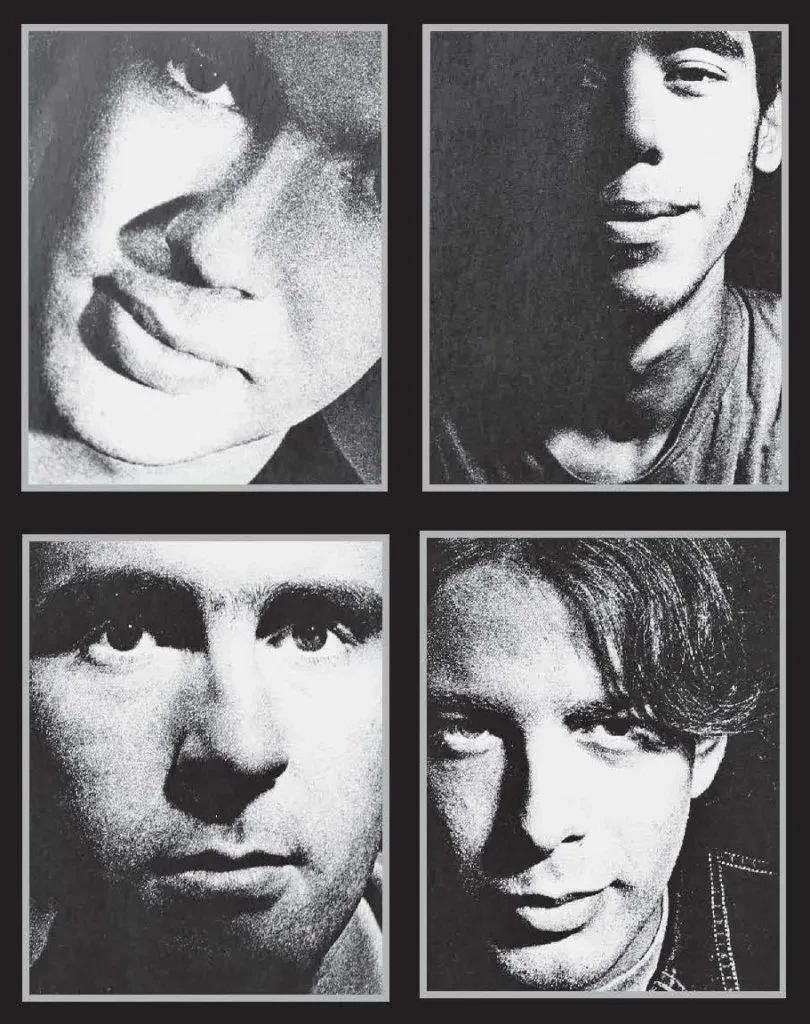
Formed in London in 1986 by a pair of fourteen-year-old schoolfriends, Bark Psychosis emerged as a spectral, defining force in the nascent landscape of alternative music. Long before the term "post-rock" was codified by music critics to describe guitar-based bands utilizing ambient textures, jazz cadence, and electronic soundscapes over traditional verse-chorus-verse structures, Bark Psychosis were quietly inventing the blueprint.
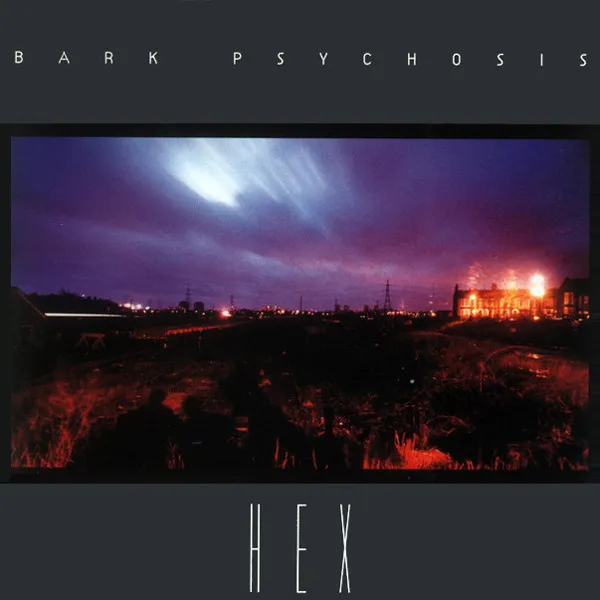
Their 1994 debut full-length LP, Hex—aptly titled to evoke a bewitching, uncanny atmosphere—weaved a curious spell of gloomy, glimmering tension. The record swung effortlessly from delicate, ambient introspection to intricately detailed, storm-like crescendos of power. Yet, the creation of such a masterwork exacted a devastating toll. The intense demands of its multi-layered recording process fractured the group, initiating a staggering 20-year gap before the release of their equally brilliant sophomore effort, ///CODENAME: dustsucker, in 2004.
Now, forty years after the band’s genesis, founding member, primary composer, and sole remaining creative constant Graham Sutton reflects candidly on a singular artistic journey. In this deep-dive retrospective, Sutton discusses the squat life of Leyton, the chaotic early days of DIY tape-machine experimentation, the serendipitous encounters that launched their discography, and a career driven entirely by a simple, fundamental desire: to make art that feels utterly, uncompromisingly true.
Detailed Chronology: From Teenage Mania to the Birth of Post-Rock
The Genesis: Squatting, Schoolyards, and Sonic Awakening (1986–1990)
Music had always been the vital thread tethering Graham Sutton to reality. Growing up surrounded by a household soundtrack that left an indelible mark, Sutton remembers wearing out his mother’s copy of The Beatles’ Rubber Soul and drifting off to sleep with Sgt. Pepper’s Lonely Hearts Club Band playing softly in the background. But it was in 1986, at the tender age of fourteen, that this passive appreciation transmuted into a fiery vocation.
Teaming up with schoolfriend John Ling, Sutton experienced a profound shift. "It was like this mania," Sutton recalls. "I thought: this is what I’m here to do."
The pair began aggressively experimenting with rudimentary equipment—a simple tape recorder and a drum machine. Their baptism by fire came with their first-ever live performance: a CND (Campaign for Nuclear Disarmament) benefit gig hosted at the Sir George Robey pub in Finsbury Park. Galvanized by the performance, Sutton made a life-altering decision: he would leave school immediately after completing his GCSEs and fully commit to the band alongside Ling.
To pursue their ambitions, Sutton relocated from East London to Edgware in North London. Logistical hurdles quickly mounted. "I was travelling back to meet up with John and plan, finding a drummer being the first objective," Sutton explains. They placed an advertisement in a local music shop, which successfully reeled in drummer Mark Simnett. However, the daily commute soon proved unsustainable, prompting Sutton to join Ling in squatting. The transient musicians eventually settled into a notorious artist squat on Claremont Road in Leyton—a crucible of countercultural energy that would soon shape the band’s bleak, urban aesthetic.
It was during this period of bohemian survival that the group crossed paths with singer Sue Page, whose haunting vocals would grace their earliest singles.
The Cheree Years and the Rise of the Underground (1990–1992)
Bark Psychosis’s entry into the physical recorded market was born from another fateful, chance encounter. Waiting on the platform at South Woodford station, Sutton struck up a conversation with a couple named Nick Allport and Vinita Joshi, who operated a local fanzine and independent micro-label called Cheree Records.
"They seemed like interesting people. I just struck up a conversation with them. They kind of adopted me in a way," Sutton says.
Impressed by the band’s brooding demos, Cheree released two 12” records in 1990: All Different Things and Feelings (widely known through early press as Nothing Feels). Both releases crystallized the group’s nascent trademark sound—a hypnotic blend of drifting, atmospheric rock that dissolved conventional song structures into washes of texture and mood.
While Cheree was eager to capitalize on the buzz by pressing the group for a full-length debut, administrative friction loomed. The label brought in outside backers whom Sutton and his bandmates fundamentally distrusted. Salvation arrived via Gerald Palmer, the former manager of space-rock pioneers Spaceman 3.
"He negotiated us out of our Cheree agreement," Sutton notes. Armed with newfound independence, the band signed to 3rd Stone Records and welcomed keyboardist Daniel Gish into the fold. This expanded lineup dropped the atmospheric EP Manman in 1992, closely followed by the audacious single Scum—a staggering 21-minute epic composition that fearlessly bridged experimental noise-rock with sprawling, jazzy soundscapes.
Reflecting on this uncompromising early output, Sutton notes that commercial viability was never part of the calculus. "A lot of it came from being quite wilful," he reflects. "Wanting to do something that was our own and nobody else’s. Nothing was guided by any sort of idea of a career; it was just, ‘How does this feel? Do we feel good doing this?’ For better or worse, it was done with the purest of motives."
Hex, Exhaustion, and the Destruction of a Band (1992–1994)
Buoyed by critical acclaim and their growing underground reputation, Bark Psychosis graduated to a major-label subsidiary, signing with Circa Records (part of Virgin) to record their debut album. Emboldened by the atmospheric success of Scum—which had been recorded live inside the reverberant architecture of St John’s Church in Stratford—Sutton devised an elaborate, multi-phased production blueprint.
"I came up with the idea that we’d lay down some frameworks, then there’d be a stage of overdubbing in the church," Sutton explains. "Then there’d be a further process of sequencing. Finally, there would be touch-ups and vocals, then we’d mix it."
Another vital component of this sonic evolution was Sutton’s burgeoning fascination with newly accessible, affordable sampling technology. "I was excited by that as well, and I wanted that side of things to be represented."
Released in 1994, Hex was an artistic triumph that firmly etched Bark Psychosis into the foundational history of post-rock. It was an absorbing, deeply immersive listen, haunted by melancholic melodies, cavernous silences, and powerfully dark, cinematic compositions. Yet, despite widespread critical praise, the album peaked at a modest number 48 on the UK Independent Albums chart, failing to capture the mainstream commercial wave.
More importantly, the grueling creative process came at an unsustainable human cost. "It took such a lot out of us," Sutton recalls somberly. "I felt very strongly that this might be our only shot at this, so I’m going to give it my absolute everything. The process of making it destroyed the band."
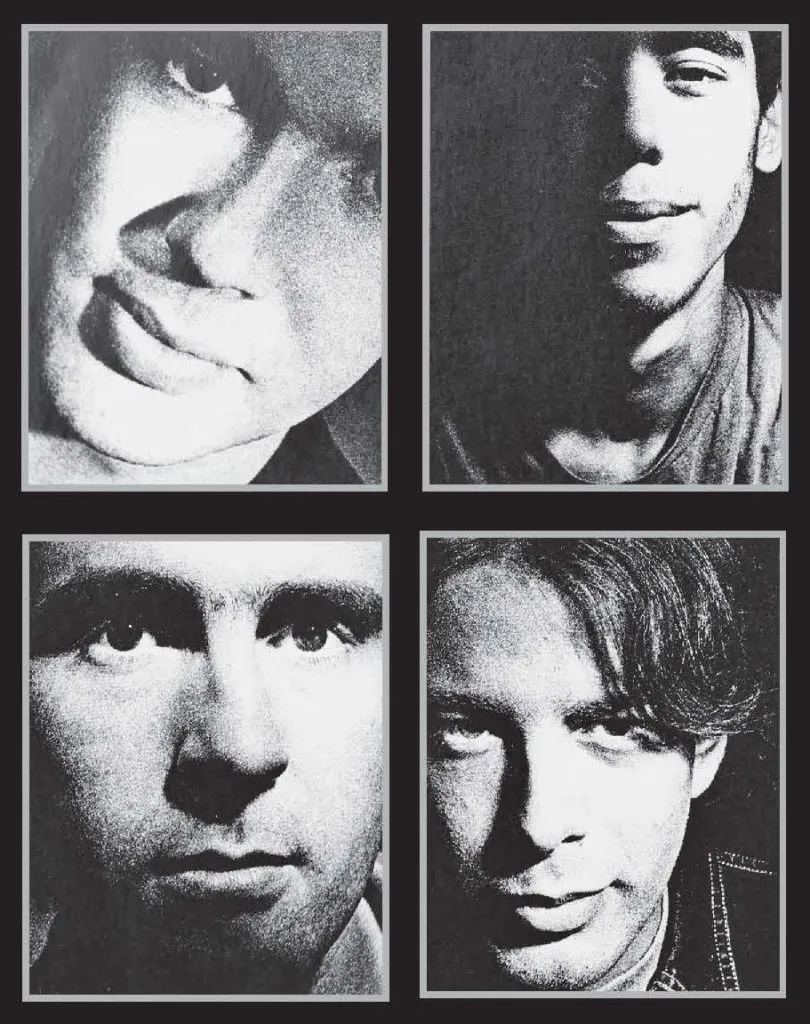
The internal fractures were immediate. Keyboardist Daniel Gish departed mid-session, and bassist/co-founder John Ling left the fold shortly after the album’s completion. Although Sutton and drummer Mark Simnett attempted to keep the live entity breathing with subsequent gigs, the internal engine had seized up.
The Electronic Interlude and ///CODENAME: dustsucker (1994–2004)
Following the dissolution of the traditional band format, Sutton found himself irresistibly drawn to the burgeoning UK drum ‘n’ bass and electronic underground. Channeling this fresh sonic obsession, he shelved guitar music entirely and released an acclaimed electronic album for Parlophone in 1997 titled Balance Of The Force, operating under the moniker Boymerang.
However, creative restlessness struck again. Almost overnight, an internal voice told Sutton that his electronic chapter was closed and that he needed to return to the amorphous world of Bark Psychosis.
"Parlophone weren’t very happy, but I felt like I didn’t have any choice. If it doesn’t feel right, I can’t do it," he states.
The transition was arduous. Parlophone flatly refused to release the resulting material, initiating a grueling multi-year legal battle. "It took a couple of years for me to get the rights back," Sutton notes. Eventually, the long-awaited sophomore Bark Psychosis album, ///CODENAME: dustsucker, found a home on Fire Records and was released in 2004—a full decade after Hex. Featuring Sutton alongside a revolving cast of elite collaborators, the album successfully maintained the sophisticated, experimental ethos of its predecessor while incorporating decades of digital production advancements.
Supporting Context & Metrics: The Cultural Footprint of Hex
To fully grasp the magnitude of Hex, one must evaluate the musical climate of 1994. British music journalism was overwhelmingly dominated by the bombastic, retro-leaning machismo of Britpop (Blur, Oasis, Suede), alongside the fading fumes of grunge and the rise of commercial electronica (The Prodigy, The Chemical Brothers).
Into this noisy, high-tempo landscape dropped Hex, an album that weaponized silence and negative space. Operating similarly to Talk Talk’s masterpieces Spirit of Eden (1988) and Laughing Stock (1991), Bark Psychosis treated instruments as textures rather than tools for traditional melody.
| Metric / Milestone | Detail |
|---|---|
| Formation Year | 1986 (London, UK) |
| Key Founders | Graham Sutton, John Ling |
| Debut LP | Hex (Released 1994, Circa Records) |
| Chart Peak (Hex) | No. 48 on the UK Independent Albums Chart |
| Sophomore LP | ///CODENAME: dustsucker (Released 2004, Fire Records) |
| Notable Side-Project | Boymerang (Balance Of The Force, Parlophone, 1997) |
| Production Credits | The Delays, These New Puritans, British Sea Power |
Despite its initial modest chart performance (No. 48 on the UK Indie chart), Hex underwent a profound critical re-evaluation over the subsequent decades. Today, it is universally cited by music historians and contemporary alternative acts as a foundational pillar of the post-rock genre, predating and influencing bands like Mogwai, Explosions in the Sky, and Godspeed You! Black Emperor.
Official Statements & Industry Evolution: From Reclusive Purist to Sought-After Producer
While crafting dense underground albums, Sutton inadvertently stumbled into a parallel career as one of the UK’s most respected record producers. The transition began as a joke.
Geoff Travis, legendary founder of Rough Trade Records, sent Sutton a postcard bearing a blunt, handwritten challenge in giant capital letters: "CAN YOU MAKE ME A HIT?"
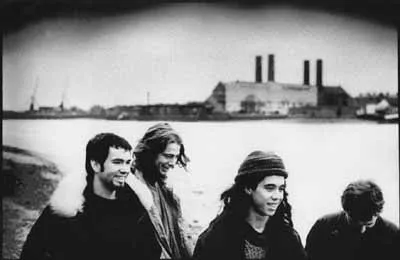
"It seemed like the most ridiculous, bizarre request," Sutton laughs.
Despite the absurdity of the prompt, Sutton accepted the challenge. He stepped into the studio to produce Southampton indie-pop band The Delays for their 2004 debut LP, Faded Seaside Glamour. The results spoke for themselves, proving that Sutton’s meticulous ear for arrangement was not exclusive to bleak, avant-garde soundscapes.
"After that, it was just word-of-mouth, and it hasn’t stopped."
Since that pivotal breakthrough, Sutton’s production and mixing credits have expanded to include some of the most critically revered British acts of the 21st century, including These New Puritans and British Sea Power, cementing his reputation as an authoritative sonic architect.
Future Outlook: Looking Back Without Nostalgia
Today, Graham Sutton displays zero interest in wallowing in nostalgic self-congratulation. His focus remains firmly planted in the present moment, divided between his high-profile production work and his personal creative pursuits.
Yet, looking back across a four-decade arc, he acknowledges a quiet sense of validation regarding his masterpiece.
"It’s enormously gratifying that people still ask me about Hex, because I know how much went into it," Sutton reflects. "And it was done for no other reason, no other purpose, than to try and do something as good as we could make it. So, the fact that people get something out of it, well, that’s nice."
When pressed on whether music fans can ever anticipate a third Bark Psychosis full-length album, Sutton offers a characteristically pragmatic, smiling evasion.
"I don’t know," he says. "I’m just enjoying doing what I’m doing." He pauses, flashing a grin: "And besides, I haven’t got the time!"
As long as Graham Sutton continues shaping the sonic contours of modern alternative music from behind the mixing console, the ghost of Bark Psychosis—born in a Leyton squat out of teenage mania and pure motives—remains a vital, lingering presence in British musical history.