Executive Overview
In an era where contemporary music is increasingly dominated by hyper-globalized, algorithm-driven trends, regional artists are finding powerful ways to reclaim their musical heritage. A striking example of this cultural reclamation is unfolding with the release of "MASKARA" (مسكرة), a collaborative single uniting two of the most resonant voices in modern Palestinian music: Saint Levant and Mohammed Assaf. Teased for months across social media to mounting anticipation, the track serves as the lead single for Saint Levant’s third studio album, AFANDI (أفندي).
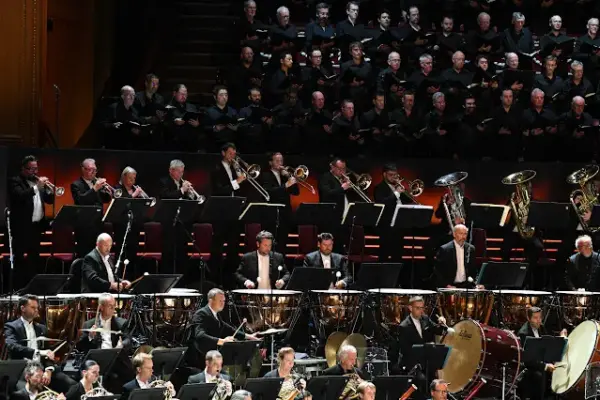
Comprising twelve tracks, AFANDI is not merely a collection of songs; it is an ambitious sonic journey that bridges the past and the present. The record draws deeply from the golden age of Arab pop, channeling the lush orchestrations, emotional gravitas, and timeless vocal stylings of legendary icons such as George Wassouf and Kadim Al Saher. By anchoring contemporary production in classic Levantine and Arab pop traditions, Saint Levant—alongside guest powerhouse Mohammed Assaf—has crafted a project that transcends commercial pop.
"MASKARA" is both a celebration of enduring Palestinian identity and a masterclass in cross-generational artistic collaboration. It marries the smooth, diasporic cool of Saint Levant’s modern aesthetic with Assaf’s soaring, anthemic, and deeply rooted vocal tradition. Beyond its infectious rhythm and nostalgic arrangement, the release of "MASKARA" and the broader AFANDI LP represents a significant cultural moment. It highlights how contemporary artists use their platforms to honor their roots, preserve collective memory, and project the richness of Arab art onto the global stage.
Detailed Chronology of a Collaboration: From Social Media Teasers to Album Launch
The journey toward the release of "MASKARA" was meticulously orchestrated, unfolding over several months through a series of strategic digital rollouts and tantalizing previews.
The Buildup and Digital Teasers
Long before the official audio and music video dropped on streaming platforms, Saint Levant (born Marwan Abdelhamid) utilized his formidable digital presence to build a sense of occasion around "MASKARA." Known for his savvy integration of fashion, visual storytelling, and music on platforms like Instagram and TikTok, the artist began dropping subtle hints about a major collaborative project in late 2023 and early 2024. Short snippets of the instrumental—featuring sultry, vintage-leaning Arabic string arrangements blended with contemporary percussion—circulated online, instantly sparking speculation among fans.
The announcement that he would be teaming up with Mohammed Assaf sent waves through the region’s music community. For weeks, the artists shared behind-the-scenes glimpses from the studio, bridging two distinct musical worlds: Saint Levant, the bilingual, Montreal-raised artist representing a new diaspora wave, and Assaf, the quintessential voice of pan-Arab resilience who conquered the region via traditional broadcast media.
The Official Release and the AFANDI Rollout
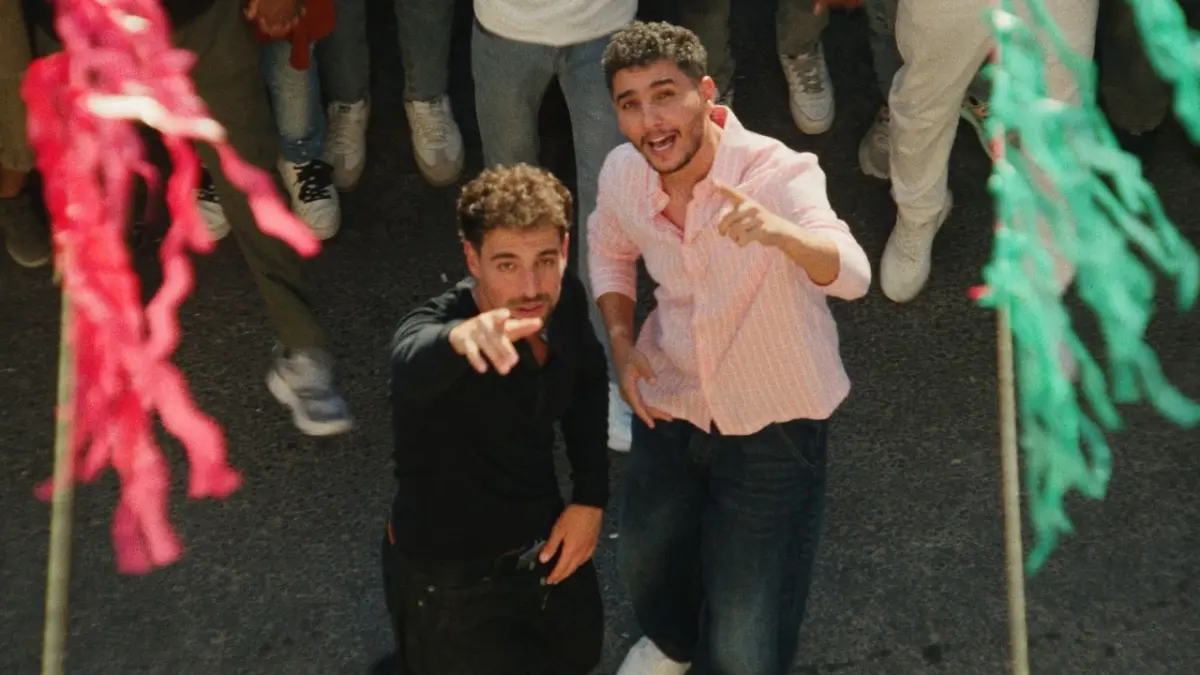
Upon its official release, accompanied by a cinematic music video, "MASKARA" immediately lived up to the prolonged hype. The track was positioned as the cornerstone of AFANDI, a twelve-track LP designed to take listeners on an immersive auditory excursion. The album’s rollout was structured to highlight the narrative depth of each track, treating the record as a cohesive body of work rather than a loose compilation of singles.
The chronology of the release underscores a deliberate artistic maturation for Saint Levant. While his earlier breakout hits leaned heavily into lo-fi hip-hop, bilingual rap, and seductive R&B-infused pop, AFANDI marks a deliberate pivot toward rich, organic Arabic instrumentation. "MASKARA" acted as the perfect bridge, introducing listeners to the sonic palette of the album—one that honors the past while remaining fiercely relevant to today’s global listener.
Supporting Context & Metrics: Heritage, Displacement, and Musical Lineage
To fully understand the weight of "MASKARA" and the AFANDI album, one must examine the profound personal histories and geopolitical contexts of the artists behind the music. Both Saint Levant and Mohammed Assaf carry personal narratives intimately shaped by the ongoing Palestinian diaspora, yet their journeys to the microphone took vastly different geographic and cultural routes.
Mohammed Assaf: The Voice of Resilience
Mohammed Assaf’s ascent to stardom is modern regional folklore. Born in Misrata, Libya, to Palestinian parents before growing up in the Khan Yunis refugee camp in the Gaza Strip, Assaf became a household name across the Middle East and North Africa when he won the second season of Arab Idol in 2013. His victory was more than a television triumph; it was a watershed moment for cultural solidarity.
Assaf’s roots run deep into the history of the 1948 Nakba. His mother’s family was displaced from the village of Bayt Daras, while his father’s family originated from Beersheba. This generational displacement permeates his music, most famously encapsulated in his defining anthem, "Ana Dammi Falastini" ("My Blood Is Palestinian"). The track transformed into an inescapable regional anthem, cementing Assaf as one of the most recognizable and enduring vocalists in the Arab world. His inclusion on "MASKARA" infuses the track with a powerful sense of historical continuity and vocal authority.
Saint Levant: Navigating the Diaspora
Saint Levant’s background offers a compelling parallel. Born in Jerusalem and raised in the Gaza Strip before relocating to Amman, Jordan, and eventually settling in Montreal, Canada, his artistry is deeply informed by the realities of exile and return. His personal history is punctuated by profound loss—a reality laid bare in his poignant track "Deira." Named after his family’s hotel on the Gaza seafront, the song serves as an elegy for the establishment, which was destroyed in an Israeli airstrike.
Rather than shying away from these heavy geopolitical realities, Saint Levant weaves them into the very fabric of his pop music. His ability to move fluidly between English, French, and Arabic has captured a massive global audience, making him a unique voice for a generation of diaspora youth who navigate multiple cultural identities simultaneously.
The Golden Age of Arab Pop
Musically, AFANDI and "MASKARA" draw inspiration from a golden era of Arab pop that dominated the late 20th century. Icons like George Wassouf—known as "Sultan Al Tarab"—and Iraqi virtuoso Kadim Al Saher defined an era of romanticism, poetic lyricism, and grand orchestration. By anchoring their modern sensibilities in this rich musical tradition, Saint Levant and Mohammed Assaf are participating in a broader cultural movement: retrofitting classic pan-Arab sounds for a twenty-first-century audience without losing an ounce of authenticity.
Official Statements and Artistic Vision
The creative ethos behind AFANDI and its lead single has been articulated clearly by Saint Levant, who views the album as a vital bridge between generations.
In discussions surrounding the project’s conceptual framework, Saint Levant has described AFANDI as an "ongoing dialogue between the past and the present." The artist has emphasized that the 12-track record is meticulously designed to transport listeners back to the region’s musical golden age—a period when orchestration, poetic depth, and vocal mastery reigned supreme in Arab pop culture.
By collaborating with Mohammed Assaf, Saint Levant actively honors the foundational figures who paved the way for modern Palestinian artists on the global stage. While traditional press releases and social media campaigns for the single focused on its infectious groove and danceability, the underlying artistic vision shared by both musicians is one of cultural preservation and unity.
In various statements regarding the thematic direction of his music, Saint Levant has consistently underscored that his art is a testament to the vibrancy, resilience, and enduring joy of his people. "MASKARA" is not just a dance track; it is a manifestation of collective memory, proving that celebration and resistance can coexist harmoniously within the same sonic space.
Future Outlook: The Global Impact of AFANDI and New Levantine Pop
The release of "MASKARA" and the arrival of the AFANDI LP signal a transformative moment for contemporary Arabic music on the international stage. As streaming platforms break down geographic barriers, artists from the Middle East and North Africa are no longer confined to regional markets; they are commanding global audiences, headlining major international festivals, and collaborating across genres.
Saint Levant’s trajectory points toward an exciting future where bilingual and multilingual pop music serves as a cultural ambassador. By fusing the nostalgic allure of artists like George Wassouf and Kadim Al Saher with modern trap-pop sensibilities, he is helping to forge a new subgenre: a refined, diaspora-informed Levantine pop that respects traditional structures while embracing global production standards.
Furthermore, the success of collaborations like "MASKARA" demonstrates the appetite for unity within the Arab music ecosystem. When artists from different generations, backgrounds, and regional sub-cultures—such as Assaf’s classic pan-Arab vocal power and Saint Levant’s contemporary diaspora cool—come together, they create something far greater than the sum of its parts.
As AFANDI continues to circulate globally, its impact will likely be measured not only in streaming metrics and chart positions, but in its cultural legacy. It stands as a reminder that music can serve as a repository for history, a vehicle for healing, and a joyful celebration of identity. For Saint Levant and Mohammed Assaf, "MASKARA" is merely a chapter in a much larger, ongoing story—one that ensures the rich tapestry of Arab musical heritage will continue to resonate for generations to come.