Executive Overview
In the realm of modern rock music, few frontmen have successfully bridged the gap between fringe geopolitical conspiracy theories and multi-platinum, stadium-filling commercial dominance. Where most mainstream artists face immediate public backlash or career-altering PR crises for openly questioning official narratives, Muse frontman Matt Bellamy converted deep-seated paranoia, anti-establishment cynicism, and apocalyptic sci-fi tropes into one of the most successful rock records of the 21st century: The Resistance.
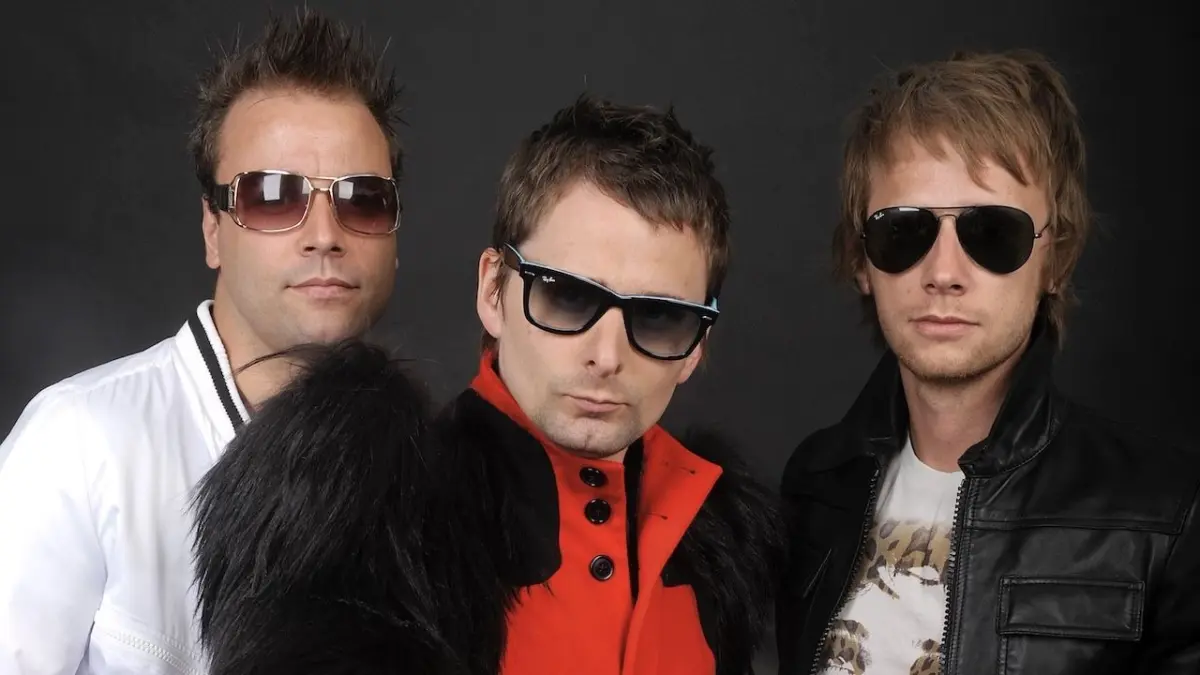
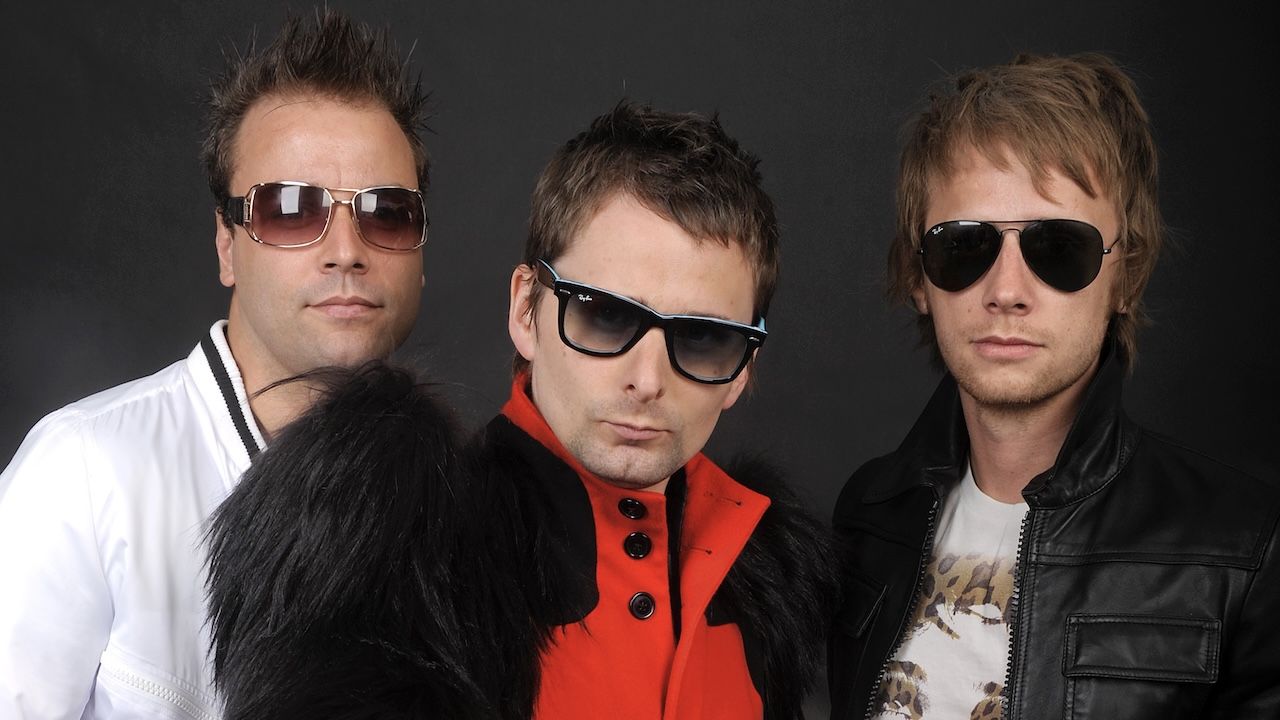
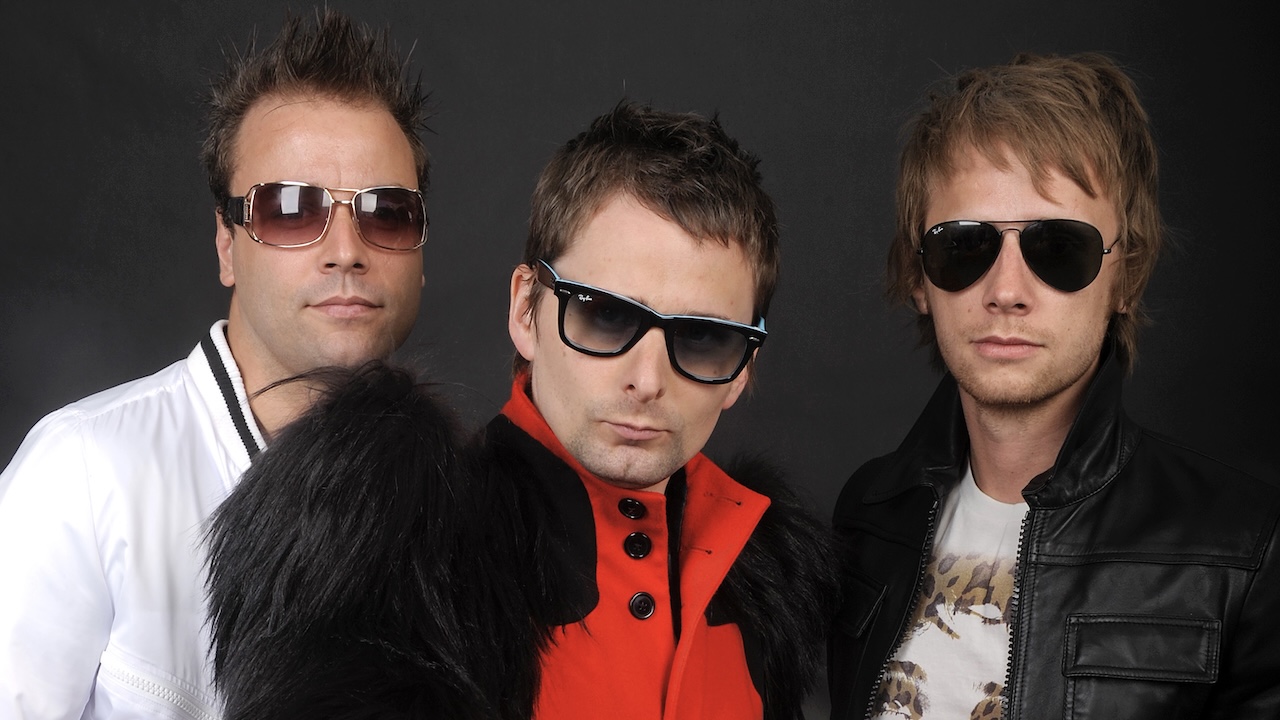
Released in September 2009, The Resistance served as Muse’s fifth studio album and a bold declaration of artistic independence. Coming off the back of the massive success of 2006’s Black Holes And Revelations—which surpassed 750,000 sales in the UK alone—the Devon-born trio (comprising Bellamy, bassist Chris Wolstenholme, and drummer Dominic Howard) retreated to a secluded, self-built studio in Lake Como, Italy. Choosing to self-produce to eliminate record label interference, the band crafted an unapologetically ambitious 11-track opus that blended heavy rock riffs, classical orchestration, gothic synth-R&B, and operatic glam rock.
The result was a monumental commercial and critical success. The Resistance debuted at number one in 19 countries, ultimately selling over five million copies worldwide and earning Muse their first Grammy Award for Best Rock Album. Beneath its soaring melodies and bombastic production lay a deeply topical narrative exploring corporate-ocracy, state surveillance, civilian revolt, and the eternal struggle for human intimacy in a dystopian society. Decades later, as global politics tilt increasingly toward authoritarianism and technocratic control, the album’s bleak yet hopeful themes resonate not as hyper-paranoid fantasy, but as a strikingly accurate critique of modern life.
Detailed Chronology: From Lake Como to Project Eurasia
The creation, campaign, and eventual global conquest of The Resistance unfolded across a meticulous timeline spanning three years of intense production, viral marketing, and worldwide touring.
+-----------------------------------------------------------------------------------+
| CHRONOLOGY OF 'THE RESISTANCE'                                                    |
+-----------------------------------------------------------------------------------+
| 2006–2007 : 'Black Holes and Revelations' touring cements Muse as stadium headliners|
| 2008      : Band constructs private "war-bunker" studio in Lake Como, Italy       |
| Early 2009: Self-produced recording sessions take place under Bellamy's direction   |
| July 2009 : "PROJECT EURASIA" viral treasure hunt launches across six world cities|
| Jul 21,2009: "United States of Eurasia" unlocks after global fan code assembly    |
| Aug 03,2009: Lead single "Uprising" hits global airwaves                          |
| Sep 14,2009: 'The Resistance' officially released worldwide, hitting #1 in 19 nations|
| Feb 2011  : 'The Resistance' wins the Grammy Award for Best Rock Album            |
+-----------------------------------------------------------------------------------+
1. The Bunker Sessions (2008–Early 2009)
Following their historic, sold-out two-night stand at the newly rebuilt Wembley Stadium in 2007, Muse sought total creative autonomy for their next project. They established a private recording space in Como, Italy, referred to by the band as their "war-bunker." Free from executive oversight, Bellamy stepped into the primary producer role, driving the band to synthesize every musical style they had ever experimented with—from Rachmaninoff-inspired piano concertos to electronic pop.
2. The "PROJECT EURASIA" Viral Hunt (July 2009)
To tease the record, Muse staged one of the most inventive viral marketing campaigns in rock history. In July 2009, the band initiated a worldwide treasure hunt. USB flash drives were hidden in physical locations across six major international hubs:
- Berlin, Germany
- Tokyo, Japan
- Hong Kong
- Moscow, Russia
- Paris, France
- Dubai, United Arab Emirates
Fans, designated by the band as "agents," used GPS coordinates to recover the drives. Each drive contained a encrypted audio fragment and a security code. When submitted to the custom PROJECT EURASIA microsite, these codes unlocked sections of a new track. Once all six international codes were verified, a final set of coordinates targeted New York City. The successful entry of the seventh code officially unlocked the song "United States of Eurasia" on July 21, 2009.
3. Singles and Album Launch (August–September 2009)
- August 3, 2009: Muse released the album’s proper lead single, "Uprising," an aggressive, glam-influenced call-to-arms that quickly became an anthem for anti-banking and anti-political protests worldwide.
- September 14, 2009: The Resistance was officially released globally via Helium 3 and Warner Bros. Records.
4. Critical Acclaim and Awards (2010–2011)
The album’s massive release led into a two-year world tour featuring elaborate, multi-tiered LED tower stage designs. The era reached its peak at the 53rd Annual Grammy Awards in February 2011, where The Resistance won Best Rock Album.
Supporting Context & Metrics: Chart Dominance and Sonic Architecture
+-----------------------------------------------------------------------+
| KEY PERFORMANCE INDICATORS & STATS                                    |
+-----------------------------------------------------------------------+
| Global Album Sales      : > 5,000,000 units                           |
| Chart Performance       : #1 in 19 Countries (including UK, FRA, AUS)  |
| US Billboard 200 Peak   : #3                                          |
| Major Industry Awards   : Grammy Award for Best Rock Album (2011)      |
| Lead Single Performance : "Uprising" - 5x Platinum (RIAA, USA)        |
+-----------------------------------------------------------------------+
Sonic Analysis of Key Tracks
The Resistance stands out in Muse’s discography for its genre-bending musicality and cinematic narrative structure, drawing inspiration from classical literature, geopolitical theory, and symphonic compositions.
   THE RESISTANCE: MUSICAL ARCHITECTURE
   │
   ├── "Uprising" ─────────────── Glam-rock rhythm + Synth bass + Protest chants
   ├── "The Resistance" ────────── Pulsing synthwave + Symphonic rock flourishes
   ├── "Undisclosed Desires" ───── Guitarless Gothic R&B + Staccato string samples
   ├── "United States of Eurasia" ── Queen-esque operatic rock + Chopin coda
   └── "Exogenesis: Symphony" ──── 3-Part, 12-minute orchestral space opera
1. "Uprising"
Built upon a driving glam-rock beat and an ominous, pulsing bass synth line, "Uprising" serves as the album’s thematic anchor. Designed to mirror the energy of civilian demonstrations, the song culminates in massed terrace chants ("Oi!"), invoking the spirit of working-class defiance against financial elites and political corruption.
2. "United States of Eurasia"
Deeply influenced by Queen’s theatrical vocal arrangements, this track blends heavy guitar riffs with sweeping orchestral passages, concluding with a delicate piano solo rendition of Frédéric Chopin’s Nocturne in C-sharp minor, Op. posth. Lyrically, the song was directly inspired by political scientist Zbigniew Brzezinski’s 1997 geopolitical treatise The Grand Chessboard, which argued that controlling the Eurasian landmass was essential for maintaining global American supremacy and dominance over Middle Eastern oil reserves.
3. "Undisclosed Desires"
A dramatic departure for the band, "Undisclosed Desires" completely eschews traditional distorted electric guitars. Instead, the track relies on slap-bass synthesizers, electronic drum loops played by Dom Howard, and staccato pizzicato string arrangements. Bellamy delivers a vulnerable vocal performance reminiscent of Depeche Mode’s Dave Gahan, creating a stark, gothic pop-R&B crossover.
4. "I Belong to You (+Mon cœur s’ouvre à ta voix)"
A bizarre yet enchanting fusion of cocktail jazz piano, R&B rhythms, and classical opera. The middle section of the track features Bellamy singing in French, directly adapting the famous aria "Mon cœur s’ouvre à ta voix" from Camille Saint-Saëns’s 1877 opera Samson and Delilah.
5. "Exogenesis: Symphony" (Parts 1–3)
The album concludes with a breathtaking, 12-minute orchestral suite divided into three distinct movements: Part 1: Overture, Part 2: Cross-Pollination, and Part 3: Redemption. Featuring a full 40-piece orchestra, the symphony depicts a desperate narrative where humanity exhausts Earth’s resources and launches an interstellar mission to seed human life on a new world—questioning whether mankind is doomed to repeat its destructive cycles.
Official Statements: Bellamy on Corporate-Ocracy, Protest, and Paranoia
Throughout the promotional campaign for The Resistance, Matt Bellamy offered extensive insight into his philosophical mindset, explaining how real-world political unrest influenced the album’s conceptual direction.
Speaking to Q Magazine during the album’s preparation, Bellamy emphasized his desire for complete creative evolution and freedom:
"I wanted The Resistance to be a culmination of everything we know about music. Every style we have ever played. Every idea we ever had."
When questioned about his long-standing interest in political cover-ups, surveillance states, and global power structures, Bellamy clarified that The Resistance was rooted more in contemporary reality than pure sci-fi fiction:
"The Resistance is supposed to be less about conspiracy and the fantastical than the rational and the real. It’s hopeful and positive. I have been through periods where I’ve felt quite paranoid about the world. But I also believe in the power of people and love to change things. There is a romance to fighting back against malevolent interests. The last album was dark and angry. This is all about resisting the corporate-ocracy."
Addressing the socio-political climate surrounding the lead single "Uprising", Bellamy pointed directly to the fallout from the 2008 global financial crisis and the resulting civil unrest in London:
"In the song, you can hear the general feeling that we’ve been let down again by big institutions, which are supposed to be in positions of trust—politicians obviously, and bankers," Bellamy explained to The Sun. "During the G20 protests, the UK got closer to really making a dramatic change, a non-violent revolution. I think the UK needs one and I hope it hasn’t died down."
In a separate interview with MOJO, Bellamy reflected on the aggressive energy behind the track’s rhythmic chants:
"It’s meant to be football hooligans chanting in protest at the banking situation… I think I’ve put forward the idea in the album that love and peaceful protest is ultimately the best way, but you can’t help thinking that sometimes it’s not enough. Kicking a few shop windows in helps as well!"
Future Outlook: The Legacy of Rock’s Last Great Conspiracy Masterpiece
In hindsight, The Resistance marked a pivotal turning point for both Muse and mainstream rock music at large. It proved that a modern rock band could embrace uncompromising sonic eccentricity, unapologetic symphonic grandiosity, and deeply subversive political lyrics without sacrificing mainstream commercial appeal.
       MUSE'S CONCEPTUAL EVOLUTION
       ┌─────────────────────────┐
       │   Absolution (2003)     │ ──► Apocalyptic fear & religious dread
       └────────────┬────────────┘
                    │
       ┌────────────▼────────────┐
       │ Black Holes... (2006)   │ ──► Space exploration & political corruption
       └────────────┬────────────┘
                    │
       ┌────────────▼────────────┐
       │  The Resistance (2009)  │ ──► Anti-corporate revolt & symphonic opera
       └────────────┬────────────┘
                    │
       ┌────────────▼────────────┐
       │   Drones / Will of the  │ ──► AI, autonomous warfare & total resistance
       │      People (2015+)     │
       └─────────────────────────┘
The album established a template that Muse would continue to refine on subsequent releases like The 2nd Law (2012), Drones (2015), and Will of the People (2022)—albums that repeatedly tackled drone warfare, artificial intelligence, climate collapse, and systemic oppression.
Furthermore, the themes explored on The Resistance have aged remarkably well. In an era dominated by corporate tech monopolies, algorithmic state surveillance, routine crackdowns on public protests, and widespread public distrust in institutional media, Bellamy’s apocalyptic vision reads less like exaggerated paranoia and more like a precise soundtrack to 21st-century anxiety.
By combining classical artistry with arena-rock bravado, The Resistance remains a landmark release: a grandiose testament to the power of artistic defiance, proving that even as society teeters on the brink of chaos, human creativity and love remain the ultimate form of resistance.