Executive Overview
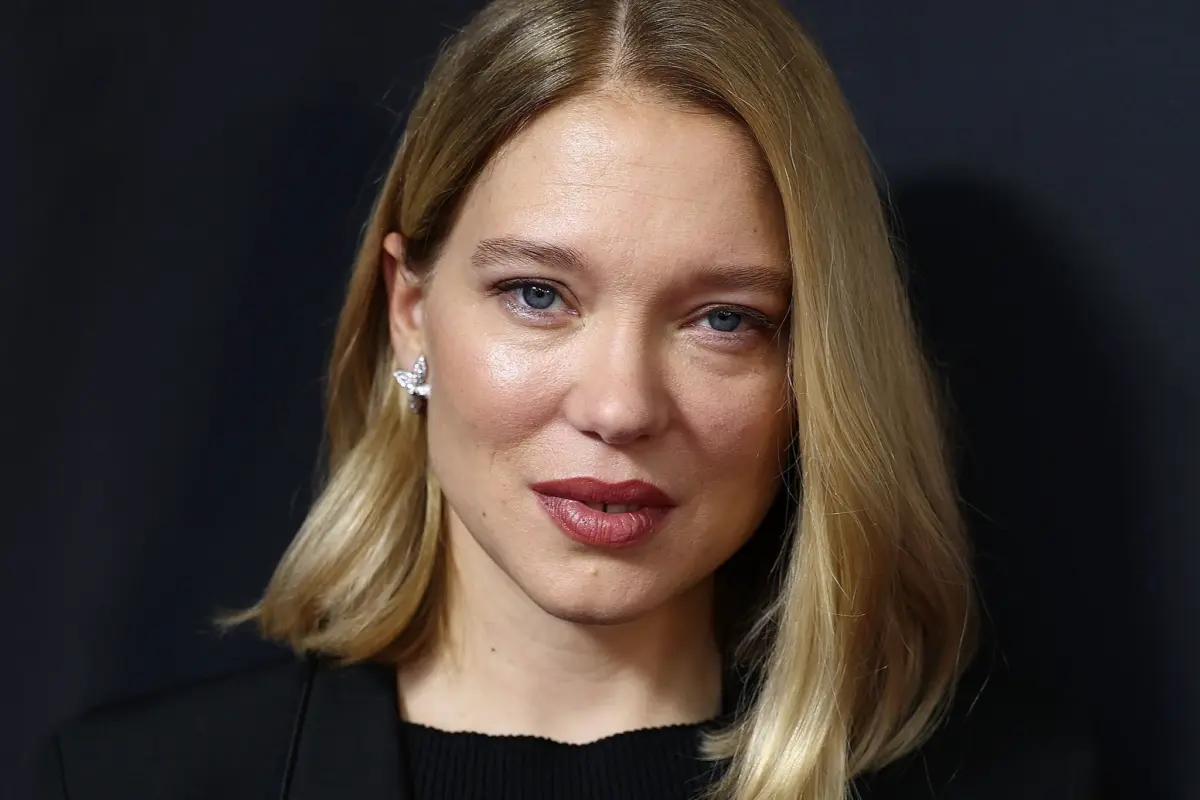
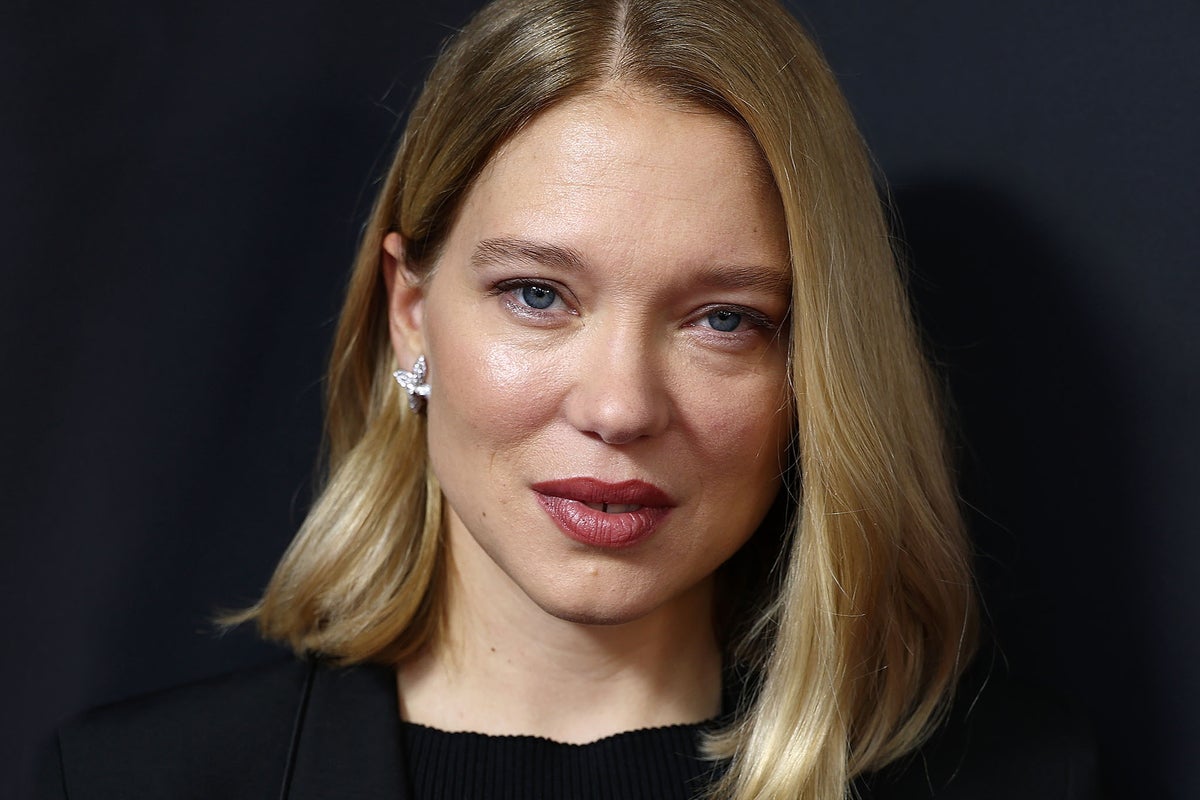
The domestic sanctuary shatters in a heartbeat during the opening sequence of Gentle Monster, a searing, psychologically acute new European drama that refuses to offer easy catharsis. As Austrian auteur Marie Kreutzer directs the frame with characteristic restraint, the ordered, cultured world of a French concert pianist—played with devastating, grounded grace by Léa Seydoux—is violently upended. Police raid her home, seizing hard drives and arresting her husband, the father of her child, under suspicion of possessing and distributing vast quantities of child sexual abuse material (CSAM).
What follows is not a melodramatic thriller driven by high-speed pursuits or histrionic courtroom outbursts, but a quiet, agonizing reckoning. The film investigates a chilling existential dilemma: How does one come to terms with the horrifying revelation that the person sharing your bed, raising your children, and occupying your daily life may be a monster?
For Seydoux and Kreutzer, bringing Gentle Monster to the screen was an act of artistic courage. The project demanded navigating a minefield of public controversy, technical hurdles, and profound emotional trauma. Speaking in a quiet London hotel suite during the film’s festival run, both women reflected on the weight of the subject matter, the lingering scars of a real-life scandal that inadvertently mirrored the film’s premise, and why this story—uncomfortable and harrowing as it is—demands to be told.
Detailed Chronology: From Real-World Horror to Cinematic Art
The genesis of Gentle Monster traces back to 2020, when director Marie Kreutzer encountered a shocking newspaper report detailing a sweeping German police investigation into an extensive international pedophile ring. The operation culminated in dozens of arrests, executed through large-scale coordinated raids.
"It was a very shocking, explicit article," Kreutzer recalls. "It made it clear to me that perpetrators are much closer than we want to think. The article delved into the investigation, but also the personal lives of the perpetrators. And that was the shocking part: This could be someone I know. It was the first time I could really feel how close it is. Like, how would I react if that was my partner?"
Within two years, Kreutzer’s creative exploration of this dark thematic landscape collided with a stark, unsettling reality. Florian Teichtmeister, one of the primary stars of Kreutzer’s acclaimed 2022 period drama Corsage, was arrested and subsequently prosecuted for the possession and processing of more than 76,000 child sexual abuse images.
The revelation sent shockwaves through the European film community. Kreutzer immediately issued a public statement clarifying that while she had been alerted to allegations against Teichtmeister in 2021—after principal photography on Corsage had wrapped—the actor had "convincingly assured us (and others) of their falsity."
At the time, Corsage was riding a wave of international acclaim, shortlisted for the Academy Awards and selling to 92 territories worldwide. The resulting public backlash was ferocious.
"There was a whole s***storm because people wanted us to take it out of every cinema, which was impossible," Kreutzer remembers. "I didn’t want that either. I thought it was unfair to the 350 other people who had worked on the film. People were yelling at me on the street in Vienna. It was a huge scandal in Austria because he was a very famous actor. And I was attacked from many sides."
The most painful aspect of the ordeal, she admits, was facing condemnation from industry peers who accused her of moral failure. Yet, looking back, the director views the crucible as a transformative, albeit brutal, education. This real-world ordeal is immortalized in the credits of Gentle Monster, where Kreutzer offers a biting note of gratitude to "all the haters who made me stronger in 2023, and made me want to make this film even more."
Supporting Context & Metrics: The Anatomy of a European Coproduced Drama
Gentle Monster represents a masterclass in European naturalism, utilizing tonal austerity to amplify the psychological horror of betrayal. The production’s journey to the screen highlights the fragile economics of ambitious, provocative arthouse cinema.
Production and Financing Metrics
- Director: Marie Kreutzer
- Lead Actor: Léa Seydoux (French pianist protagonist)
- Premiere Venue: Cannes Film Festival (May)
- Festival Circuit: BFI London Film Festival and select international showcases
- Theatrical Release Date: October 30 (Selected Cinemas)
- Streaming Release Date: November 18 (Netflix)
- Global Reach & Influence: Direct legislative impact in Austria following the "Teichtmeister Law," which extended penalties for CSAM-related offenses.
Securing funding for a narrative centered on the domestic fallout of CSAM possession was far from straightforward. Kreutzer acknowledges that without the critical and commercial momentum of Corsage, Gentle Monster may never have secured backing at its scale.
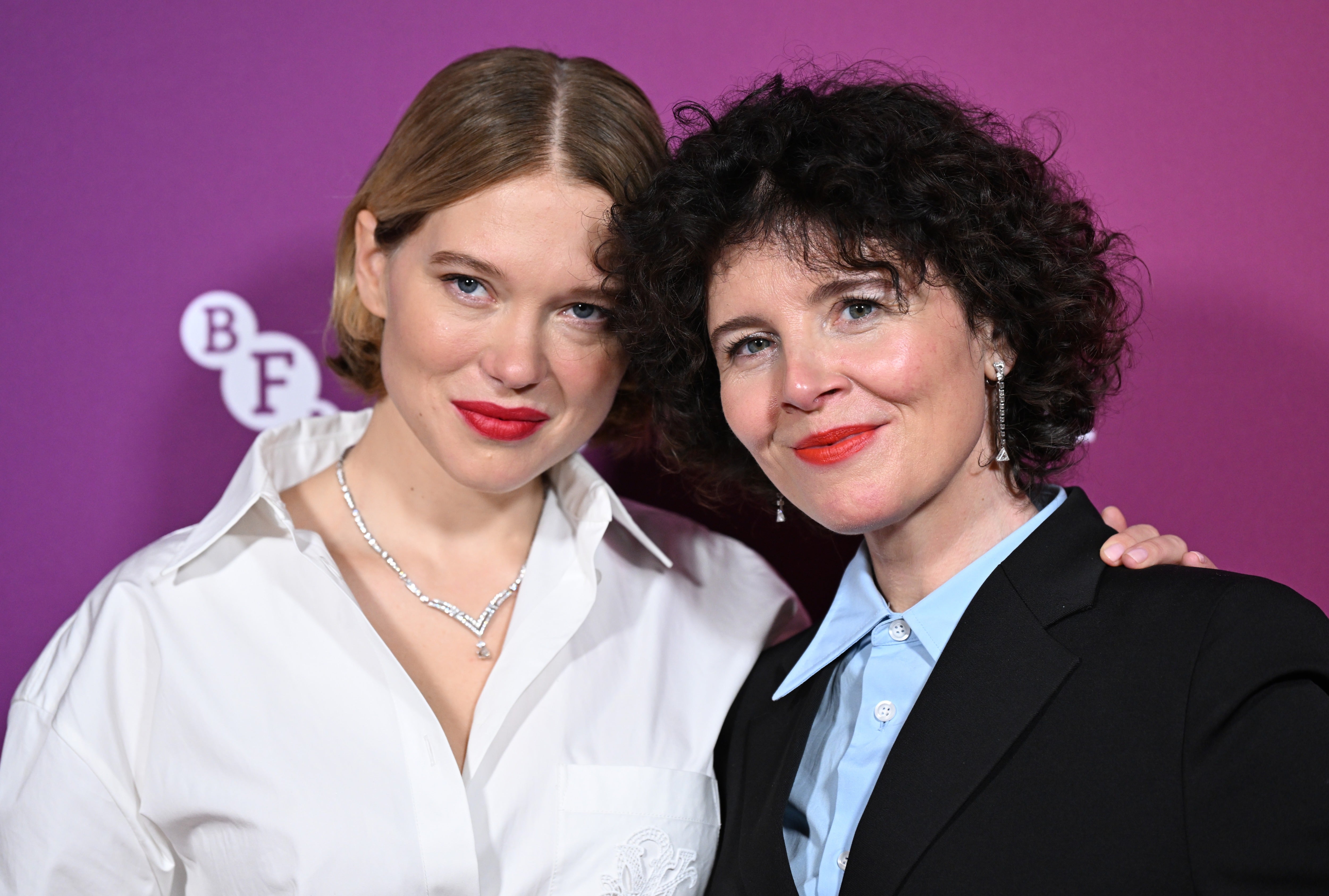
"It was not easy, with that subject matter," Kreutzer notes. "I don’t know if I would have been able to finance it, with that budget, if it weren’t for Corsage. Because I had that success before, and people were excited. But also, I feel confident enough now, at 49 years old, to say, It’s also because I’m a really good writer. And usually, when people read my script, they say, ‘Take the money.’ And that’s the most important thing you can have for financing. I’m so proud I’m finally allowing myself to say that."
For Seydoux, stepping into the role meant confronting her own hesitations. "My agent sent me the script and said, ‘Maybe because you have kids, you might not want to do it,’" Seydoux says, sitting composedly beside the director. "I was afraid of the subject, to be honest. But then I read the script, and was actually very moved. We don’t see anything explicit; it’s subject matter that is difficult to portray, and I like the subtlety of it."
Official Statements and Creative Insights
The collaboration between Kreutzer and Seydoux is built on a foundation of mutual respect, stylistic alignment, and an instinctive approach to performance.
Discussing Seydoux’s ability to anchor emotionally complex narratives without relying on histrionics, Kreutzer observes: "The most important skill of an actor is always to be in the moment. To just trust the other actor, and the camera, and just be there. And Léa is so very good at that."
Seydoux’s filmography is a testament to this versatility, spanning intimate European dramas like Blue Is the Warmest Colour and One Fine Morning, alongside major American blockbusters including Inglourious Basterds, The Grand Budapest Hotel, Dune: Part Two, and her defining recurring role across the final two installments of the James Bond franchise.
The Technical and Linguistic Hurdles
In Gentle Monster, Seydoux faced unique performance challenges: delivering dialogue in German—a language she does not natively speak—and executing convincing piano-performance sequences.
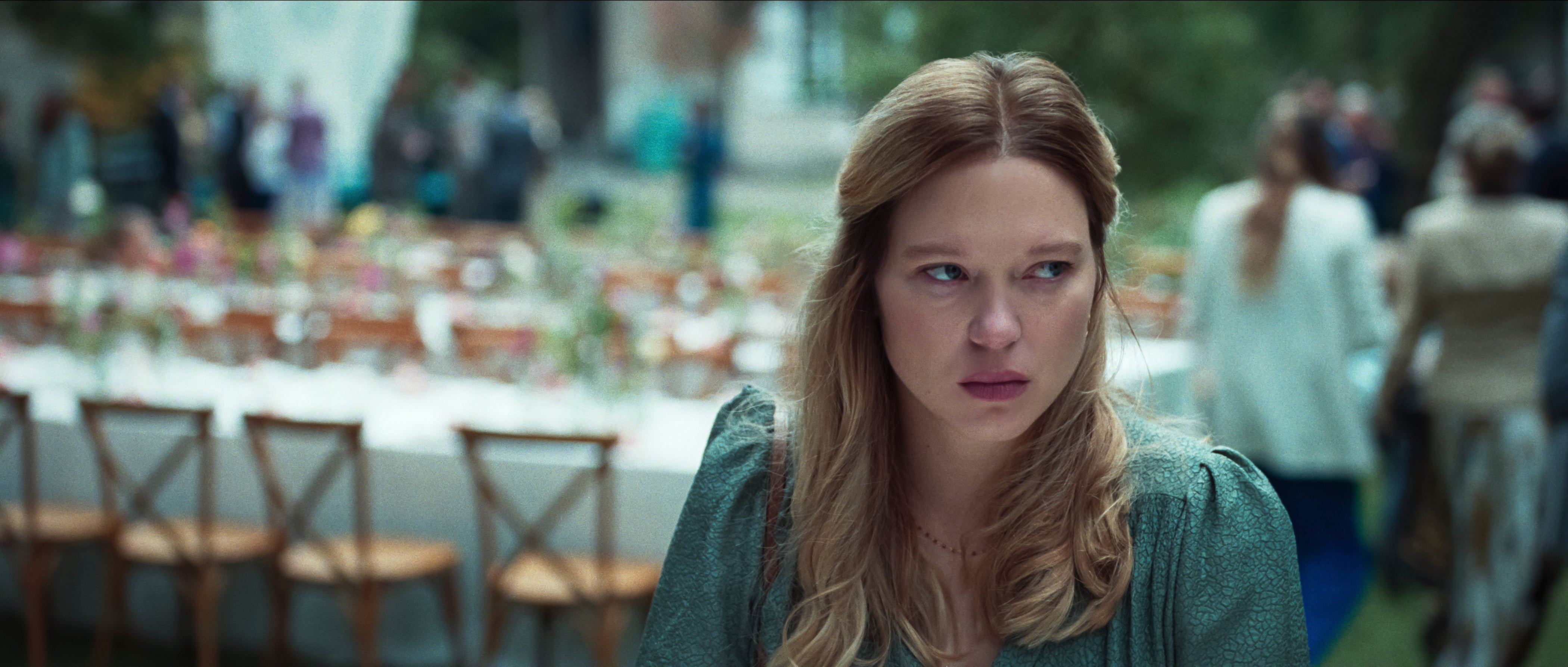
"I’m not very technical," Seydoux admits with a laugh. "I’m very instinctive. So when it comes to doing things that are technical, it’s always difficult. I remember that I did another film where I also played piano [the 2023 time-hopping drama The Beast] and the director was so mad at me. I had only one scene playing the piano, and he was like, ‘No, no, we can’t tell that’s you.’ I struggled."
Deconstructing the Male Gaze
Within the narrative of Gentle Monster, Seydoux’s character makes a living reinterpreting musical compositions written by men—"taking their words, and questioning them." When asked if this dynamic mirrors her extensive career collaborating with prominent male auteurs like Wes Anderson, Quentin Tarantino, and Woody Allen, Seydoux offers a nuanced perspective on gender dynamics in directing:
"First of all, I’ve worked with many, many female directors," she points out. "But I think it’s interesting. It’s often said that men struggle a bit more to express themselves than women. It’s true that when I work with female directors or male directors, I see the difference. When you work with a male director, often they project something on you. You are more like a fantasy. And women, they relate to you more. And she will identify more with your character."
Future Outlook: Cultural Impact and Audience Reception
As Gentle Monster transitions from its festival run into theatrical distribution and its upcoming Netflix streaming premiere, the filmmakers are already witnessing the profound, unintended ripples of their work. Q&A sessions following screenings have regularly transformed into spaces for extended public processing, with audiences lingering long after the credits roll.
Kreutzer reveals that she has received numerous direct messages on social media from survivors of child abuse who viewed the film. "And that’s very moving," she says softly. "The most beautiful thing one of these people wrote was that the film was healing for her. And you cannot expect, or control something like that."
For Seydoux, the film’s ultimate value lies in its power to break societal taboos and alleviate isolation: "I think that it has to be talked about. And maybe because of this film, people can open up. If people can feel less alone with this, then it’s a good thing."

Ultimately, Gentle Monster stands as a testament to the resilience of its creators. By staring unblinking into the abyss of domestic betrayal, Kreutzer and Seydoux have crafted a work that transcends conventional cinema, emerging not only as a triumph of European naturalism, but as a cultural catalyst for accountability, survival, and truth.
Gentle Monster arrives in selected cinemas on October 30, and will be available for streaming globally on Netflix beginning November 18.