Few global urban centers have exerted as profound and enduring an influence on modern music as London. For generations, the British capital has operated as a colossal cultural petri dish—a dynamic ecosystem where disparate diaspora communities, immigrant traditions, and domestic subcultures collide, cross-pollinate, and weave their identities together.
From the foundational reggae and sound-system culture brought to Britain by the Windrush generation—spearheaded by pioneers such as Sir Coxsone Outernational, Dr Alimantado, Jah Shaka, and Dennis Bovell—through the seismic punk rock explosion of the 1970s (The Clash, Sex Pistols, The Slits, and X-Ray Spex), to the relentless mutations of jungle, UK garage, grime, dubstep, and contemporary jazz, London’s musical DNA is defined by perpetual evolution. The city’s physical infrastructure—independent record shops, pirate radio arrays, subterranean clubs, and historical rehearsal spaces—has consistently provided the crucible necessary for these disparate movements to flourish.
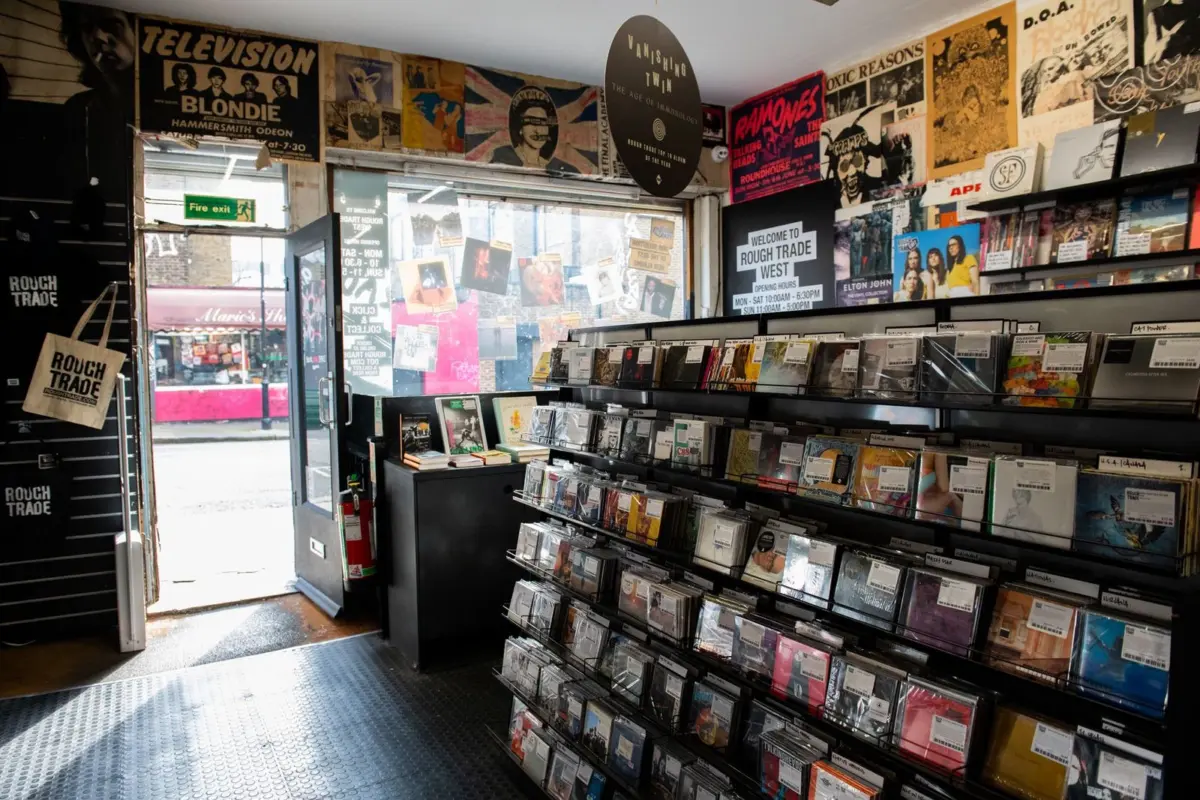
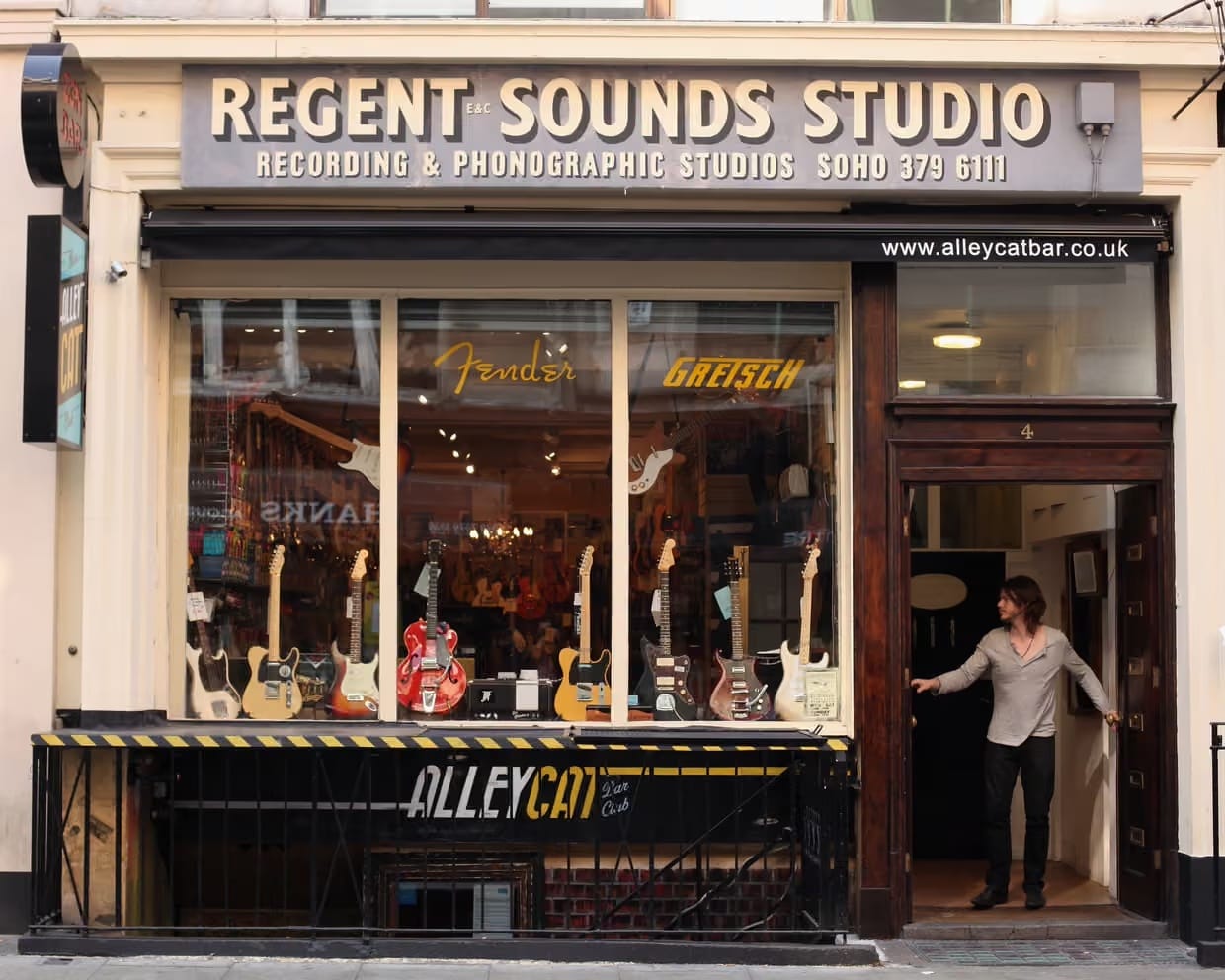
It was precisely within this fiercely independent landscape that Rough Trade first opened its doors in West London in 1976, right in the eye of the punk hurricane. What began as a modest independent record store on Kensington Park Road evolved into an international network of artists, labels, and passionate listeners, creating a global community of music enthusiasts. Nearly half a century later, Rough Trade’s footprint expanded to Soho’s historic Denmark Street—affectionately known as "Tin Pan Alley"—joining a corridor whose musical heritage stretches from mid-century pop to the roots of British rock and punk.
To honor this deep-rooted heritage, Rough Trade staff have curated a definitive, chronological compendium: 100 Songs About London. Spanning over a century of recorded history (from 1924 to 2026), this expansive playlist captures the socio-political triumphs, heartbreaks, and daily realities of the capital through the eyes of artists as varied as Stanley Holloway, Lily Allen, The Clash, Little Simz, Pulp, M.I.A., and RAYE.
Detailed Chronology: A Century of London in Sound
1924–1969: Music Hall Roots to Swinging Sixties Psych
Stanley Holloway – London Town (You Haunt Me) (1924): Holloway bridged the pre-WWI music hall tradition with modern entertainment, later performing on the same Royal Variety bill as Sheena Easton and Rowan Atkinson in 1980. This atmospheric 1924 recording was later immortalized via a sample by The Caretaker in 2008.
Vera Lynn – A Nightingale Sang in Berkeley Square (1940): A sweeping, timeless wartime ballad chronicling a romantic wartime tryst set against the refined backdrop of Mayfair.
Lord Kitchener – London Is the Place for Me (1948): Recorded upon arrival by Empire Windrush passenger Lord Kitchener, this calypso standard encapsulates the optimism and complex realities of post-war immigration.
Flanders and Swann – A Transport of Delight (1956): A breathless, humorous tribute to the iconic London double-decker bus, lifted from the theatrical revue At the Drop of a Hat.
Max Bygraves – Fings Ain’t Wot They Used t’Be (1960): A satirical rock-and-roll number from Lionel Bart’s groundbreaking Cockney musical lamenting the modernization of London’s neighborhoods.
Petula Clark – A Foggy Day (1965): A swinging, mod-infused interpretation of the George and Ira Gershwin standard, set near the British Museum.
Donovan – Sunny Goodge Street (1965): A poetic, vivid folk-baroque observation capturing the concurrent beauty and grit of inner-city bohemian life.
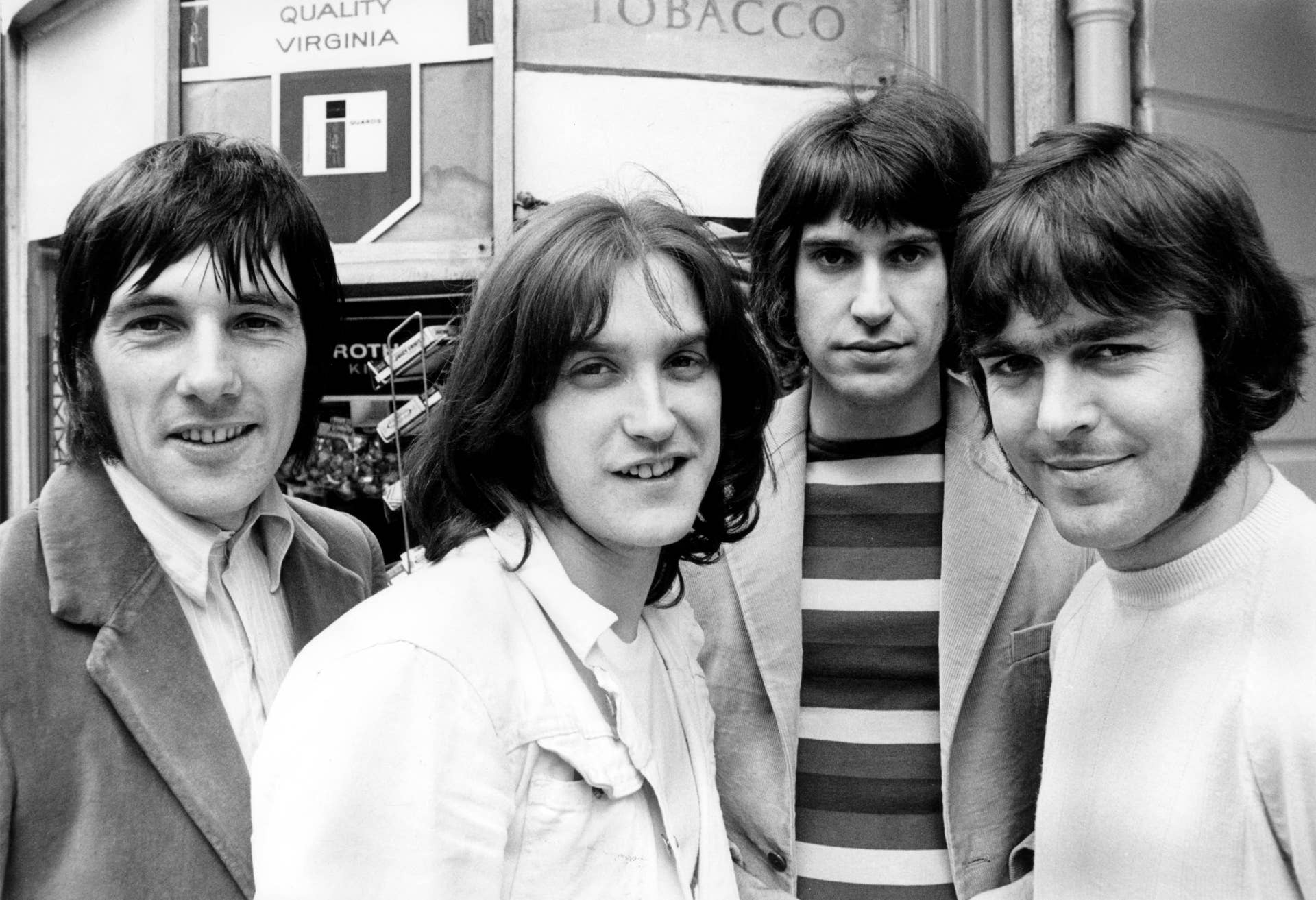
The Kinks – Waterloo Sunset (1967): Written by Ray Davies while convalescing at St Thomas’ Hospital overlooking Waterloo, this remains arguably the most poignant portrait of urban isolation and quiet romance in the English language.
Julie Driscoll – I Know You Love Me Not (1967): A track capturing the complex, unrequited devotion one feels toward a city that loves you back with a "snarling lip."
Small Faces – Itchycoo Park (1967): Inspired by Steve Marriott’s East London upbringing around Little Ilford Park and Wanstead Flats, this psychedelic pop touchstone evokes pure youthful escapism.
Blossom Dearie – I like London in the Rain (1967): A charming, swinging vocal jazz homage that playfully subverts stereotypes of British meteorology.
Marianne Faithfull – In the Night Time (1967): A reimagined cut of Donovan’s "Hampstead Incident," evoking the hazy, paisley-tinted mist of 1960s bohemian London.
Billy Nicholls – London Social Degree (1968): Produced by Andrew Loog Oldham at Barnes’ Olympic Studios, this baroque-pop cut features legendary session contributions from members of Small Faces and Led Zeppelin.
Ram John Holder – Brixton Blues (1969): Long before his television fame, Holder documented the lived experience of Black immigrants facing institutional hurdles in South London.
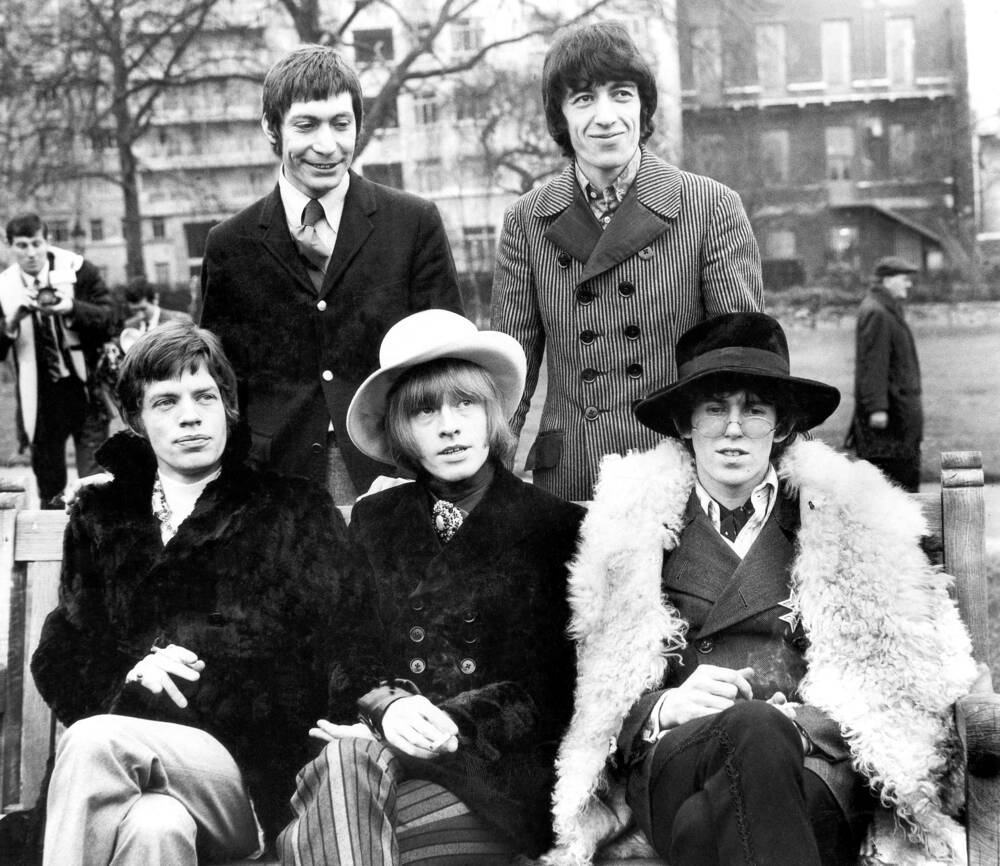
The Rolling Stones – You Can’t Always Get What You Want (1969): Immortalizes the legendary Chelsea Drugstore on King’s Road—a three-story countercultural hub that also caught the eye of Stanley Kubrick for A Clockwork Orange.
1970–1989: Punk Anarchy, Reggae Roots, and New Wave Grime
Mick Jagger – Memo from Turner (1970): The gritty theme song to the cinematic collision of swinging sixties hedonism and London’s underworld in Performance.
Faces – Debris (1971): Written by East London native Ronnie Lane, this folk-rock classic nods directly to Club Row market—just steps away from modern Rough Trade offices.
Caetano Veloso – London, London (1971): Composed while Veloso and Gilberto Gil were living in political exile in the UK after fleeing Brazil’s military dictatorship.
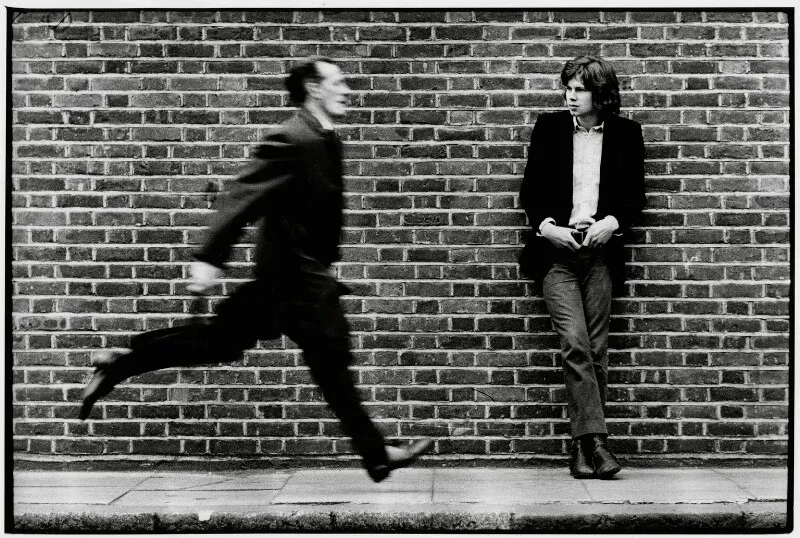
Nick Drake – Parasite (1972): A stark acoustic recording referencing Drake’s daily transit rituals around Haverstock Hill and the Northern Line.
Gavin Bryars – Jesus’ Blood Never Failed Me Yet (1975): Built around a haunting loop of an unhoused man singing a hymn near Elephant and Castle.
Junior Murvin – Police and Thieves (1976): Deeply intertwined with the tensions of the 1976 Notting Hill Carnival, later famously covered by The Clash.
Ian Dury – My Old Man (1977): A quintessential celebration of Cockney vernacular, double-decker buses, and working-class survival.
Dire Straits – Sultans of Swing (1978): Originating in Deptford, Mark Knopfler’s outfit crafted a blues-rock masterclass underpinned by London pub-circuit realism.
Television Personalities – Part-Time Punks (1978): A tongue-in-cheek indie-pop satire of late-’70s punk fashion that features a direct, self-referential nod to shopping at Rough Trade.
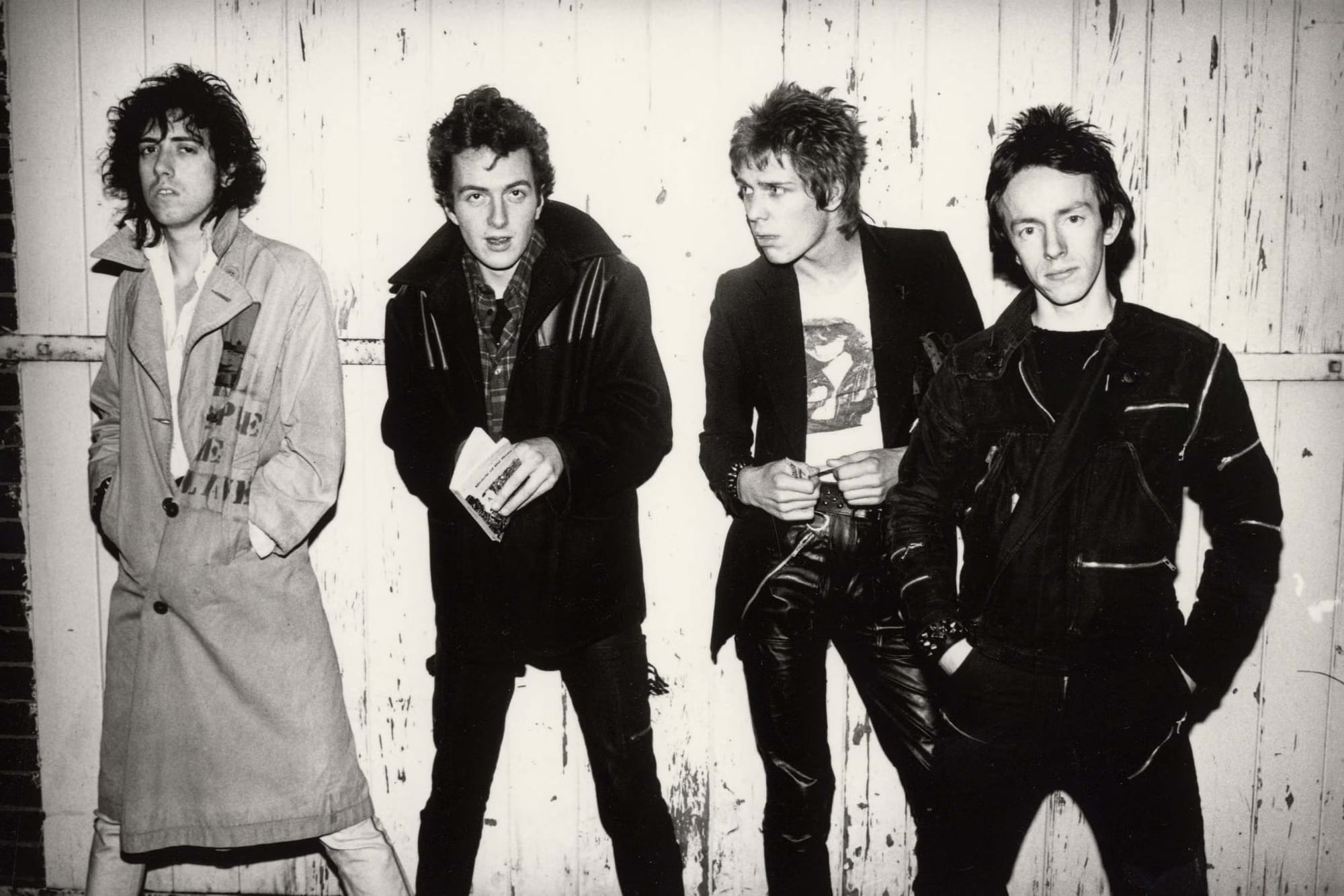
The Clash – (White Man) In Hammersmith Palais (1978): A masterclass in socially conscious punk commentary, examining multiculturalism and political disillusionment.
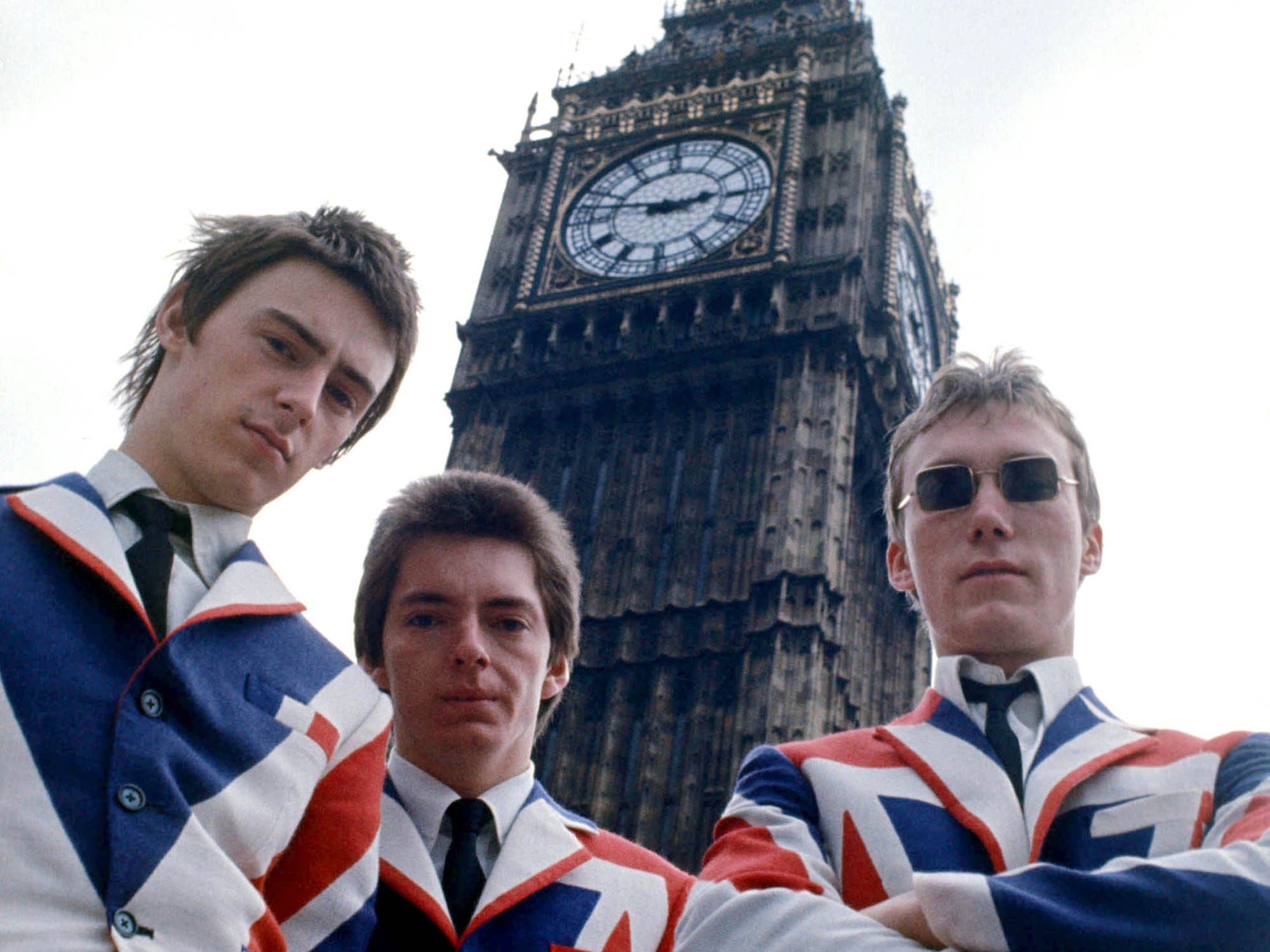
The Jam – Down in the Tube Station at Midnight (1978): Paul Weller’s claustrophobic narrative turns a routine late-night Underground journey into a chilling cinematic thriller reflecting rising racial and social tensions.
Warren Zevon – Werewolves of London (1978): A Chicagoan’s surreal, piano-driven romp through Westminster, dodging metropolitan beasts with a copy of Time Out in hand.
Electric Light Orchestra – Last Train to London (1979): Infuses symphonic disco with the universal relief of catching the final midnight service back home.
Squeeze – Up the Junction (1979): A kitchen-sink drama lyricism tracing the cyclical complexities of working-class domestic life in South London.
Janet Kay – Silly Games (1979): Produced by Dennis Bovell, Kay made history as the first British-born Black female reggae artist to reach the UK top ten, establishing the blueprint for the "Lovers Rock" genre.
Eddy Grant – Electric Avenue (1982): An urgent, infectious protest anthem addressing socio-economic deprivation and civil unrest in Brixton.
Madness – Our House (1982): The quintessential working-class pop portrait of domestic family life in the outer boroughs.
Pet Shop Boys – West End Girls (1984): A dark, synth-heavy nocturnal exploration of class disparity, ambition, and urban alienation.
Smiley Culture – Cockney Translator (1984): A bridge-building dancehall classic marrying Jamaican patois with East End Cockney dialect.
Sinéad O’Connor – Black Boys on Mopeds (1990): A devastating acoustic protest song stripping away the veneer of "Cool Britannia" to expose uncomfortable truths regarding state violence and institutional racism.
Saint Etienne – London Belongs to Me (1991): An indie-dance dream-pop ode capturing the romantic, sunlit potential of urban romance.
Flowered Up – Weekender (1992): An epic, 17-minute Madchester-meets-London house opus chronicling the absolute heights of weekend club culture.
Kirsty MacColl – Soho Square (1993): A bittersweet acoustic love letter anchored around a specific Central London landmark that continues to draw annual vigils from fans.
Blur – For Tomorrow (1993): Britpop royalty exploring the windswept heights of Primrose Hill and the quiet grit of commuter fatigue.
Pulp – Mile End (1996): Featured on the Trainspotting soundtrack, this unsettling pop track captures the grim reality of high-rise council estates.
Scott Garcia / Double 99 – A London Thing / Ripgroove (1997): The foundational anthems of UK Garage, echoing from the speakers of pirate radio transmitters and modified hatchbacks across every London high street.
2000–Present: Grime, Indie Sleaze, and Modern Cosmopolitanism
The Streets – Has It Come to This? (2001): Mike Skinner revolutionized British hip-hop with conversational spoken-word flows mapping journeys from Mile End to Ealing.
The Libertines – Time for Heroes (2002): A volatile, romantic snapshot of bohemian squalor and youthful camaraderie in Camden and Bethnal Green.
M.I.A. – Galang (2003): A hyper-kinetic collision of dancehall, electro, and immigrant slang defining the sound of West London dancefloors.
Dizzee Rascal – Sittin’ Here (2003): An unvarnished, claustrophobic masterclass from the landmark Mercury Prize-winning Boy in da Corner.
Amy Winehouse – You Know I’m No Good (2006): Captures the messy, magnetic nightlife of Camden, late-night kebab shops, and self-destructive romantic cycles.
Lily Allen – LDN (2006): A deceptively breezy ska-pop track subverting its own picturesque view of cycling through Central London traffic.
Adele – Hometown Glory (2007): Written when Adele was just 16, this piano-driven ballad remains a timeless, emotionally weighty defense of her native city.
Skepta – Postcode Wars / Giggs – Talkin’ the Hardest (2007):** Seminal pillars of grime and road rap that documented the hyper-local territorial politics of North and South London.
Joy Orbison – Hyph Mngo (2009): A watershed electronic production blending dubstep, UK funky, and ambient atmospheres that soundtracked the city’s rain-slicked nocturnal concrete.
Jamie T – Sticks ‘n’ Stones (2009): An anthemic indie-folk singalong capturing youthful rebellion and South London pub culture.
Kano – T-Shirt Weather in the Manor (2016): A vivid retrospective of East London heatwaves, ice cream vans, sound systems, and generational change.
Little Simz – 101 FM (2018): A nostalgic, razor-sharp tribute to North London upbringing and the enduring legacy of pirate radio culture.
AJ Tracey – Ladbroke Grove (2019): A sunny, garage-revival smash that turned the streets of West London into a global carnival anthem.
Yussef Dayes – Crystal Palace Park (2023): A virtuoso display of contemporary South London jazz drumming, ambient synths, and family roots.
RAYE – Nightingale Lane (2026): A recent addition exploring monumental heartbreak rooted in specific neighborhood folklore and London pub history.
Supporting Context & Metrics
The depth and resilience of London’s music economy are underpinned by a vast network of grassroots spaces, heritage sites, and institutional archives. According to recent cultural impact studies across the capital:
Independent Retail: Over 45% of independent record stores established during the 1970s and ’80s punk-to-post-punk era relied on localized distribution models pioneered by entities like Rough Trade.
Venue Density: Despite economic pressures, Greater London maintains upwards of 350 active grassroots music venues, though over 30% have faced viability threats due to urban regeneration projects over the last decade.
Streaming Consumption: Curated playlists capturing London’s musical evolution—such as Rough Trade’s Qobuz and Spotify partnerships featuring these 100 tracks—demonstrate a multi-generational appetite, with heritage catalogs (1960s–1980s) experiencing a 22% year-on-year discovery rate among listeners aged 18–25.
Official Statements
Reflecting on the cultural weight of this milestone curation, staff across Rough Trade’s historic locations shared their insights on the capital’s enduring allure:
"London has never been a singular sound; it’s a chaotic mosaic of arrivals and departures. From Windrush sound systems echoing down alleyways to the distorted basslines of pirate radio in tower blocks, the city demands a soundtrack that is as resilient as its people."
— Georgia, Rough Trade Office
"Opening our doors on Denmark Street in 2024 felt like stepping directly into the lineage we’ve championed since 1976. Tin Pan Alley and West London share the same musical DNA—a stubborn, brilliant refusal to sound like anywhere else on Earth."
— Jamie, Rough Trade Operations
Future Outlook: Preserving the Underground
As London navigates the complexities of the 21st century—balancing rapid gentrification, economic headwinds for independent venues, and the digital transformation of music consumption—the capital’s creative spark remains undimmed.
The emergence of boundary-pushing artists across hyperpop, jazz, neo-grime, and post-punk proves that the city’s youth continue to find potent inspiration in its concrete corridors. Initiatives like Rough Trade’s 100-song compendium do more than offer a nostalgic trip down memory lane; they serve as a vital archival map, reminding both residents and international visitors that London’s greatest cultural asset is its capacity to reinvent itself while honoring the generations of musicians who built its sonic foundations.