Executive Overview
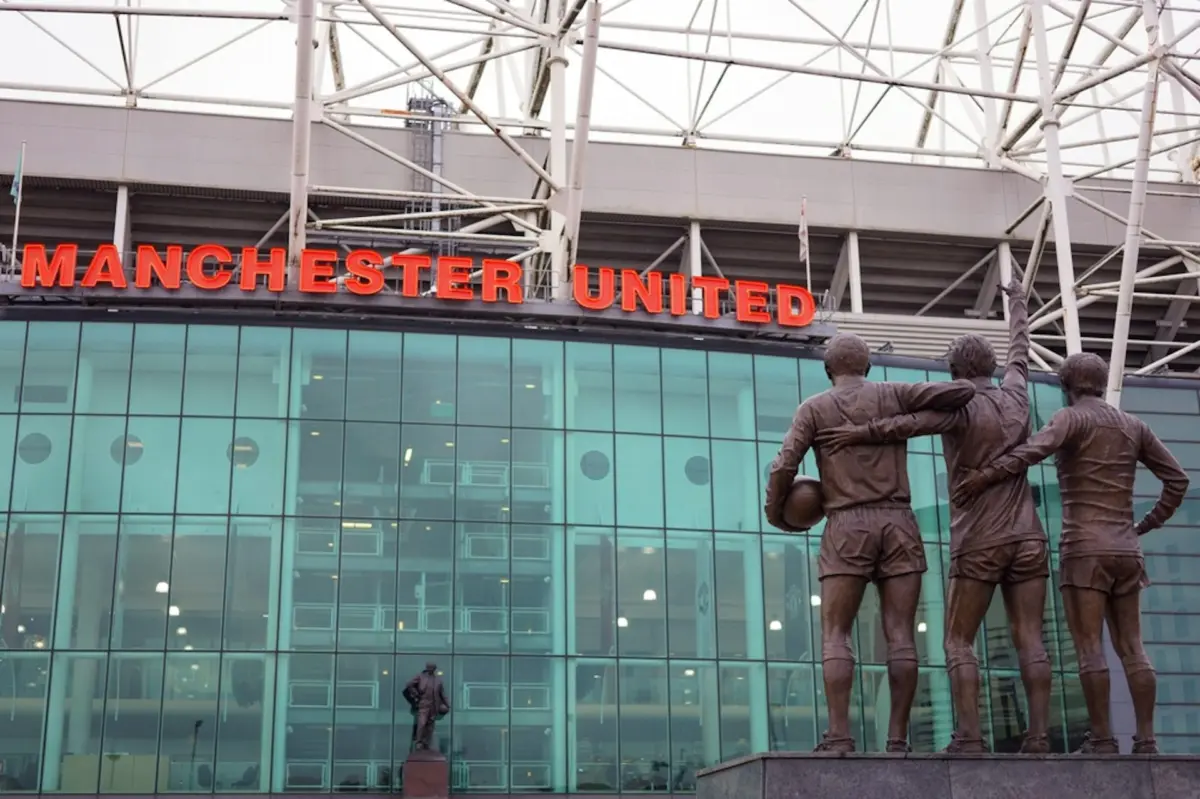
As the English Premier League prepares to kick off another high-octane season, the atmosphere across the nation’s historic grounds is characterized less by the traditional August optimism and more by a palpable sense of alienation, anxiety, and outright anger. While the return of domestic football traditionally heralds a period of collective renewal for supporters, the summer months have instead been overshadowed by aggressive administrative actions from some of the game’s most storied institutions. Prominent clubs—including Arsenal, Manchester United, and Liverpool—have ignited fierce controversy by revoking thousands of season tickets and issuing lifetime bans.
Ostensibly framed as a necessary, long-overdue crusade against illegal ticket touting and secondary-market exploitation, these measures have rapidly escalated into a wider culture war. Beneath the veneer of protecting matchgoing fans from predatory automated software lies a more complex and troubling reality: ordinary, long-standing supporters are increasingly being caught in the crosshairs of blunt algorithmic surveillance.
At the same time, an accelerating commercial imperative is reshaping the financial architecture of English football. Following a post-pandemic surge in profitability and marketization, top-flight clubs have steadily dismantled traditional pricing models. Skyrocketing ticket costs, combined with the erosion of vital concessions for young and elderly attendees, point to a concerted strategic shift. Clubs are systematically pivoting away from core local demographics in favor of more lucrative, transient international tourist bases.
Recent academic research highlights a grave existential threat: the gradual erosion of the football stadium as a vital intergenerational space. By deploying opaque digital enforcement tools and prioritizing maximum commercial yield, the custodians of the English game risk fracturing the community bonds, cultural transmissions, and unique atmospheres that turned the Premier League into a global phenomenon.
Detailed Chronology: The Summer of Discontent
The unfolding crisis is the culmination of years of escalating friction between modern football executives and traditional matchday communities, but the tension boiled over dramatically during the 2026 close-season.
May to June 2026: The Digital Purge Begins
As the previous domestic campaign drew to a close, Premier League clubs quietly upgraded their digital access protocols, deploying advanced automated tracking and artificial intelligence to monitor season ticket usage. Behind closed doors, elite clubs faced mounting pressure from law enforcement and internal security audits to stem the flow of tickets finding their way onto the lucrative black market.
By June, however, the fallout from these automated audits became public. Thousands of supporters across Manchester United, Arsenal, and Liverpool received automated notifications stating their accounts had been flagged for "sustained activity" anomalies or policy breaches. Without a preliminary human review process, thousands of season tickets were abruptly suspended or outright terminated, leaving loyal fans locked out of grounds they had attended for decades.
July 2026: Public Outrage and Resistance
The severity of the crackdown triggered immediate public backlash. In July, Manchester United supporter groups organized emergency meetings following the mass restriction of accounts. Investigations revealed that many flagged instances were benign: elderly fans being assisted by tech-savvy grandchildren, or season ticket holders passing their seats to family members during illness or work conflicts. Rather than catching industrial-scale cyber-touts, the blunt instruments of AI monitoring were penalizing grassroots care networks among fans.
Simultaneously, Liverpool FC—working in conjunction with Merseyside Police—publicly lauded a major anti-touting operation that resulted in the seizure of £1.2 million in assets tied to organized criminal networks. While the crackdown on genuine criminal touting was broadly welcomed, the collateral damage inflicted on regular matchgoers drowned out the PR victory. Fan advisory boards and independent supporters’ trusts united in condemnation, accusing clubs of hiding behind anti-touting rhetoric to systematically purge low-paying, long-term season ticket holders.
August 2026: The Threat of the Modern Matchday
As the new season arrives, the relationship between clubs and their core fanbases sits at an all-time low. Prominent political figures have entered the fray; newly elected Prime Minister and lifelong Everton fan Andy Burnham issued a fierce rebuke against the hyper-commercialization of the sport, explicitly condemning international private equity intrusions and declaring that football belongs fundamentally to its fans, not corporate investors. Yet, despite defensive postures and partial concessions from clubs promising to refine their software algorithms, the damage to trust has been done. The modern matchday experience is no longer viewed as a communal sanctuary, but as a heavily surveilled, commodified product.
Supporting Context & Metrics: The Numbers Behind the Crisis
To fully comprehend the depth of current fan alienation, one must examine the macro-economic shifts transforming English football over the past four decades. Stadiums have evolved from industrial-era working-class terraces into ultra-modern, corporate entertainment hubs. Yet, throughout these infrastructural transformations, the stadium has remained the primary physical site for intergenerational bonding—a place where cultural values, local identity, and familial loyalty are passed down from parent to child.
The current commercial strategies pursued by Premier League ownership groups threaten to sever this chain of transmission. Key metrics underline the severity of the financial squeeze:
- 800% Price Surge: Between the inception of the Premier League in 1992 and 2025, the cost of matchday tickets has skyrocketed by an unprecedented 800%, vastly outpacing national inflation and wage growth.
- The 2024–25 Price Hike Wave: Amid a punishing national cost-of-living crisis, 19 out of 20 Premier League clubs raised ticket prices for the 2024–25 season. Individual increases reached as high as 28% across general admission tiers, while isolated anomalies saw children’s season ticket prices leap by an astonishing 111%.
- Concessionary Erosion: Over the past three seasons, a quiet corporate consensus has emerged to diminish or entirely eliminate traditional pricing concessions for under-18s, students, and over-65 senior citizens, making family attendance an increasingly prohibitive luxury.
- £1.2 Million Touting Economy: The scale of the digital black market is undeniably vast. Sophisticated cyber-touts deploy automated bots to harvest hundreds of digital passes instantly, evidenced by high-profile police seizures such as Liverpool’s £1.2 million asset confiscation. However, the automated nets cast to catch these bad actors are sweeping up ordinary fans as collateral damage.
This data paints a sobering picture. The economic incentives driving clubs to marginalize traditional ticket holders mirror the exact motivations of the criminal touts they claim to fight: displacing local, lower-paying fans to clear seats for affluent tourists and corporate hospitality guests willing to pay exponential premiums.
Official Statements and Institutional Perspectives
The widening chasm between executive boardrooms and the terraces has prompted sharply contrasting public narratives from football authorities, clubs, and fan collectives.

The Clubs: Defending Integrity and Security
Premier League leadership and individual club executives maintain that aggressive digital enforcement is an absolute operational necessity. In official statements, clubs argue that modern ticketing security protects the integrity of the game and ensures that genuine supporters get access to face-value tickets.
A spokesperson for Manchester United acknowledged the anxiety caused by recent automated account reviews, stating:
"We are committed to stamping out illegal secondary-market touting that exploits our supporters. While our automated systems are designed to protect matchday access, we recognize that some legitimate supporters have been inadvertently impacted. We are actively refining our review processes and working closely with fan representatives to ensure fair resolutions."
Similarly, Liverpool FC emphasized the necessity of collaborating with law enforcement to dismantle organized criminal enterprises operating on an industrial scale, pointing to multi-million-pound asset seizures as undeniable proof of the policy’s efficacy.
The Fans: Accusations of Exploitation and Exclusion
Conversely, supporter unions and independent fan networks argue that clubs are weaponizing the fight against touting to execute a premeditated social cleansing of the stands. Campaigns such as the Football Supporters’ Association’s "Stop Exploiting Loyalty" initiative have highlighted the systemic alienation of lifelong supporters.
A displaced Manchester United season ticket holder encapsulated the widespread sentiment:
"I feel angry about it—they just want us gone. For decades, our section of the ground has been like an extended family. Now, an algorithm flags you for helping an elderly relative with their digital pass, and you’re branded a tout with zero right of appeal. It feels deliberate."
Political Intervention
The socio-political implications of this commercial creep have drawn the attention of national leaders. Weighing in on broader sporting privatization models—including recent controversies surrounding international tournament equity sales—Prime Minister Andy Burnham delivered an unequivocal warning to football administrators:
"Football does not belong to investors, corporations, or algorithmic compliance officers. Football belongs to the fans. It always has, and it always will. If we allow community clubs to price out the very people who built their heritage, we destroy the soul of the national game."
Future Outlook: Can English Football Save Its Soul?
As the new Premier League season unfolds, the game stands at a critical historical crossroads. The tension between hyper-commercial globalization and localized cultural heritage is reaching an unsustainable tipping point.
If elite clubs continue down their current trajectory—relying on blunt artificial intelligence tools to police ticket usage, eroding youth and senior concessions, and systematically squeezing out domestic working-class supporters—the very nature of English football will undergo an irreversible mutation. Stadiums risk losing the raw, organic atmospheres, fierce loyalties, and multi-generational traditions that distinguish the Premier League from sterilized entertainment spectacles across the globe.
However, the fierce resistance mounted by fan collectives, coupled with growing political scrutiny, offers a glimmer of hope. For the sport to retain its cultural primacy, football authorities and club boards must establish a collaborative compact with their supporters. This requires implementing nuanced, human-led oversight in digital ticketing enforcement, capping price inflation, and legally safeguarding concessionary rates for the next generation of fans.
Ultimately, English football must remember a fundamental truth: without the passion, commitment, and generational continuity of its local matchgoing communities, the multi-billion-dollar global product collapses into an empty shell. Protecting the terraces is not merely a matter of consumer rights—it is a battle for the very soul of the game.