Executive Overview
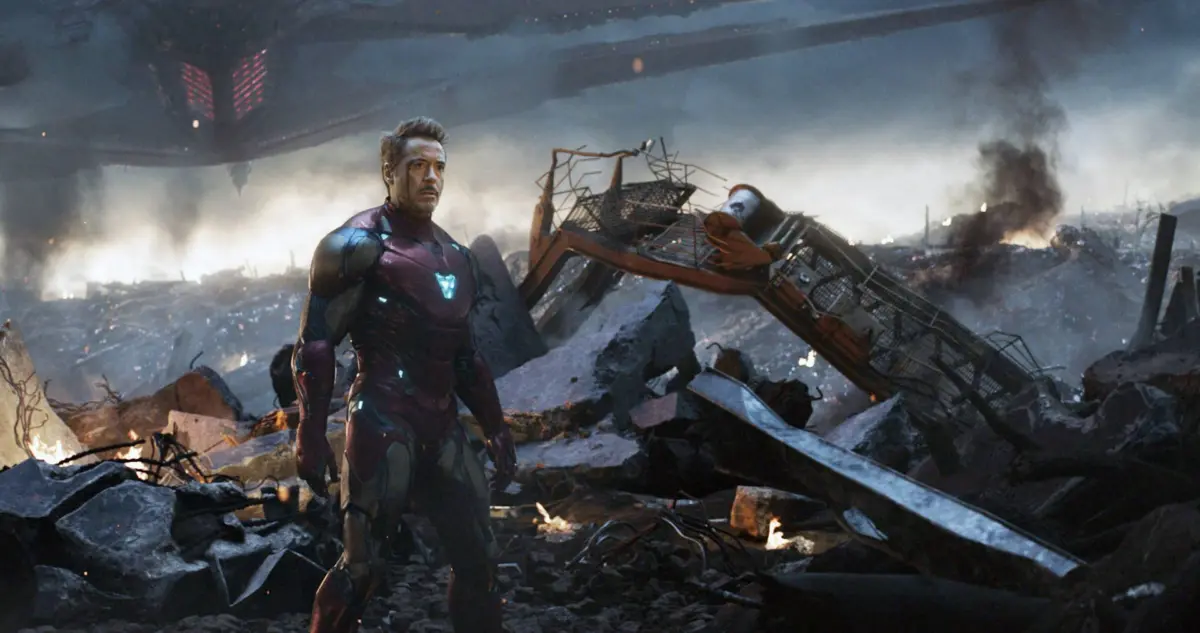
Rumours have swirled across fan forums and industry trades for months, but the mystery is officially solved. Marvel Studios has confirmed a shiny new trailer and a theatrical re-release for Avengers: Endgame, scheduled to hit screens on September 25, 2026. This cinematic encore arrives precisely three months before the highly anticipated Christmas blockbuster, Avengers: Doomsday.
On the surface, bringing back the cultural juggernaut that was Endgame feels like a stroke of promotional genius. As the emotional and narrative climax of the first sprawling chapter of the Marvel Cinematic Universe (MCU)—known definitively as the Infinity Saga—Endgame remains a high-water mark for modern blockbuster filmmaking. Yet, to those who study pop culture and superhero fandom, this tactical re-release reads as something far more complex: a quiet, calculated admission of trouble.
Over the past seven years, the MCU has struggled to maintain the absolute cultural dominance it enjoyed prior to 2019. While the subsequent "Multiverse Saga" promised boundless storytelling possibilities through an interconnected web of films and Disney+ television series, it inadvertently alienated a significant portion of its core audience. Rather than fostering immersive engagement, the sheer volume of content turned casual viewers into overwhelmed participants who frequently described watching Marvel properties as "doing chores" or "studying for homework."
By rolling out an Endgame re-release packed with new footage bridging directly into Doomsday, Marvel is attempting to yank audiences backward. By invoking the golden era of the Infinity Saga—and leaning heavily on nostalgia, legacy characters, and familiar faces—the studio is effectively bypassing years of controversial narrative experimentation. This piece explores the anatomy of Marvel’s strategic retreat, the structural flaws of the Multiverse Saga, and what this unprecedented cinematic do-over means for the future of the world’s most lucrative entertainment franchise.
Detailed Chronology: From the Infinity Saga to the Multiverse Quagmire
To understand why a 2019 film needs a 2026 theatrical encore, one must examine the diverging trajectories of the MCU’s two grand epochs.
The Infinity Saga (2008–2019)
The project began in 2008 with Iron Man, a risky gamble starring Robert Downey Jr. that saved Marvel Studios from impending bankruptcy and catapulted comic book adaptations back into the cultural mainstream. Over the next eleven years, Marvel orchestrated a pioneering cinematic universe. Across 23 interconnected films, characters were introduced, developed, and woven together into a singular, cohesive narrative tapestry.
This meticulous build-up culminated in Avengers: Infinity War and, ultimately, Avengers: Endgame. Reaching a staggering global box office, Endgame became the highest-grossing film of all time, backed by an elite 94% "Fresh" rating on Rotten Tomatoes. It was the culmination of a decade-long viewing habit that felt organic, structured, and rewarding.
The Multiverse Saga (2021–Present)
Following the dust-settling conclusion of the Infinity Saga, Marvel launched its second major epoch: the Multiverse Saga. The blueprint was ambitious. Surviving characters like Loki and Doctor Strange would continue their journeys, while a flood of fresh faces—ranging from Moon Knight and Ms. Marvel to Ironheart—would expand the boundaries of reality across alternate dimensions.
Crucially, this new era promised a deeply immersive, multi-platform media diet. Storylines would no longer unfold exclusively on the silver screen; they would branch out into television series streaming on Disney+. In theory, this allowed for granular, character-driven deep dives. In practice, it fractured the audience.
As the first wave of television series hit Disney+ in 2021, the sheer velocity of output accelerated dramatically. Keeping track of intersecting plotlines, multiversal variants, and mid-credit setups across multiple media formats quickly became a logistical nightmare for most viewers. The foundational architecture of the MCU began to buckle under its own weight.
Supporting Context & Metrics: The Fan Disconnect and Box Office Reality
Academic research into contemporary fandom reveals a stark, lukewarm perception of the Multiverse Saga. In qualitative interviews with Marvel enthusiasts, a recurring motif emerged: watching the franchise no longer felt like a leisure activity. Instead, audiences frequently characterized the experience as "doing chores" or "doing homework."
This fatigue fundamentally altered consumption strategies. Where audiences once practiced a model of gradual, serial immersion across all properties, they shifted toward selective curation. Fans began tracking one or two favorite characters closely while completely ignoring the rest—or, at best, reading Wikipedia synopses and watching breakdown videos on internet forums. While this fractured consumption dynamic traditionally plagues long-running comic book narratives, it had remarkably eluded the MCU during its Infinity Saga heyday.
The media and box office metrics reflect this systemic shift. Industry headlines began asking hard questions, with outlets publishing pieces titled “There is no getting back on this ride” (The Aftermath) and “How Marvel lost its way” (TIME).
The box office fallout soon followed, beginning in earnest with 2023’s The Marvels. Since then, the financial returns for flagship Multiverse releases have grown increasingly volatile:
- The Eternals (2021) and *Thunderbolts (2025)** barely scraped by to recover their production and marketing budgets.
- Captain America: Brave New World (2025) underperformed relative to the historic baseline of the Captain America sub-franchise.
- Fantastic Four (2025) suffered from soft ticket sales despite a distinct aesthetic and heavy promotional push.
Crucially, industry analysts note that this box office softening cannot be dismissed as mere "superhero fatigue." Proof of this resilience lies elsewhere: Marvel’s comic book division and video game ventures are thriving, and contemporary releases like Spider-Man: Brand New Day continue to shatter box office records. The fatigue is not directed at superheroes per se; it is directed specifically at the convoluted, exhausting architecture of the modern MCU.
Official Statements and Industry Insights
When evaluating the decision to re-release Avengers: Endgame, studio insiders and cultural researchers point to a quiet, strategic admission of miscalculation. By pulling Endgame back into theaters with newly retooled footage, Marvel is attempting to reset the psychological clock, encouraging audiences to reminisce about the "good ol’ days" when the cinematic universe functioned with clockwork precision.
Several structural production choices surrounding the upcoming Avengers: Doomsday validate this interpretation:
- The Nostalgia Anchor: Infinity Saga darlings such as Thor and Steve Rogers are making unexpected returns, relying heavily on emotional resonance rather than new narrative foundations.
- The Bridging Footage: The Endgame encore edition will feature exclusive, newly integrated footage designed to tie the events of 2019 directly into Doomsday, effectively bypassing and minimizing several narrative developments from the Multiverse era.
- The Casting Paradox: Robert Downey Jr.—the undisputed linchpin of the Infinity Saga as Tony Stark/Iron Man—is being reintroduced into the franchise as its primary antagonist, Doctor Doom.
- The Missing Generation: Conspicuously absent from early promotional materials and rosters for Doomsday are many of the heavily pushed Multiverse Saga characters, such as Moon Knight, Echo, and Ironheart.
To seasoned veterans of comic book culture, this sudden break in continuity and aggressive pivot toward nostalgia is familiar territory. Historically, comic publishers like Marvel and DC frequently utilized massive crossover events to purge bloated continuity, hit the reset button, and discard poorly performing storylines.
The premier historical parallel is DC Comics’ legendary 1985–1986 event, Crisis on Infinite Earths, which abruptly scrapped decades of convoluted multiverse continuity to establish a single, streamlined universe where select heroes died, others vanished, and core characters embarked on fresh trajectories.
Future Outlook: Rebuilding the Universe Post-Doomsday
Whether Avengers: Doomsday and its precursor re-release will culminate in a hard, systemic reset of the entire Marvel Cinematic Universe remains to be seen. However, the deployment of the Endgame encore suggests that Marvel’s leadership has recognized a timeless rule of serialized entertainment: when an expanding universe becomes too labyrinthine to navigate, you must return to the foundational moments, emotional relationships, and characters that once made it coherent—and boldly ignore the rest.
As Marvel looks past Doomsday toward the horizon of Secret Wars and beyond, the studio faces a unique existential challenge. The hurdle is no longer simply about producing mechanically sound or visually striking films. Rather, it is about restoring the illusion of a unified, living universe.
To succeed, Marvel must convince audiences not only that the individual pieces fit together, but that those connections actually matter—and, most importantly, that the journey is once again worth following.