Executive Overview
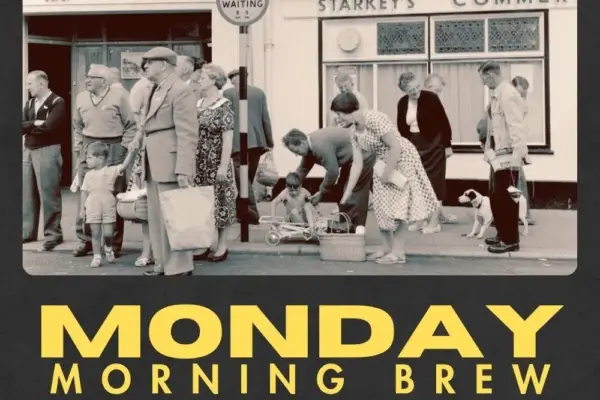
The contemporary global folk and roots music ecosystem is undergoing a profound structural and artistic renaissance, driven by boundary-pushing collaborations, cross-genre fertilization, and a surging appetite for acoustic authenticity. As highlighted in the latest edition of the Monday Morning Brew, the landscape is currently dominated by ambitious "folk supergroups"—ensembles constructed from the cream of regional independent scenes who pool their considerable talents to forge entirely new sonic identities.
At the vanguard of this movement is Birdvox, a coalition of heavyweights featuring Sarah Hayes, Inge Thomson, Jenny Sturgeon, and Charlotte Printer. Parallel to their emergence, collectives like Spell Songs continue to redefine the intersection of environmentalism and roots music, while artists ranging from Nat Myers and Charlie Parr to experimental instrumentalists like Colin Stetson and Brìghde Chaimbeul challenge traditional genre boundaries.
This report investigates the macroeconomic and cultural drivers behind the current folk revival, examines the institutional support systems sustaining independent roots music, and breaks down the key artist movements, geographical hubs, and future outlooks defining the genre in the mid-2020s.
Detailed Chronology: The Evolution of the Modern Folk Supergroup
The modern roots landscape did not materialize in a vacuum; it is the culmination of decades of collaborative experimentation, shifting distribution models, and a post-pandemic hunger for communal, organic listening experiences.
Q1 2024–Q1 2026: The Rise of Collective Coalitions
Over the past twenty-four months, the music industry has observed a noticeable pivot from solo-artist dominance toward collaborative collectives. Economic pressures on touring musicians, combined with a desire for creative cross-pollination, have led to the formation of high-profile supergroups.
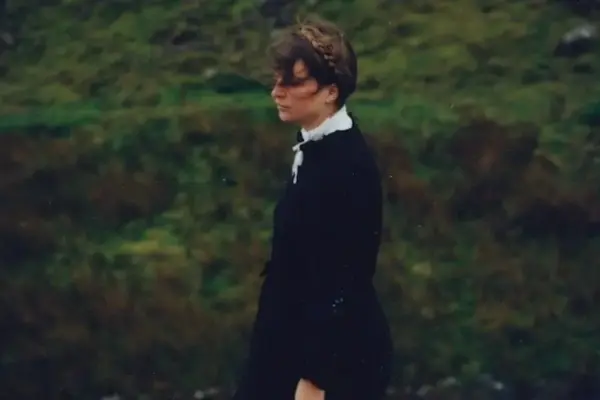
- Birdvox Formation and Sound: Bringing together Sarah Hayes (Admiral Fallow), Inge Thomson (Harem Scarem, Karine Polwart’s band), Jenny Sturgeon (Salt House), and Charlotte Printer (Altered Images, Joesef), Birdvox represents a masterclass in modern Scottish indie-folk. Their work synthesizes traditional Shetland and mainland idioms with contemporary chamber pop arrangements.
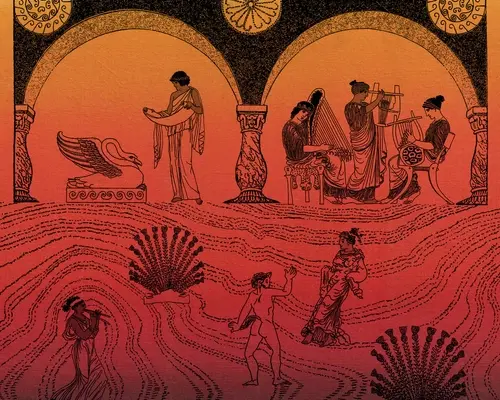
- Spell Songs Expansion: Operating as a musical companion to the acclaimed The Lost Words and The Lost Spells books by Robert Macfarlane and Jackie Morris, Spell Songs has evolved from a one-off project into a vital cultural institution, using folk instrumentation to champion biodiversity and ecological awareness.
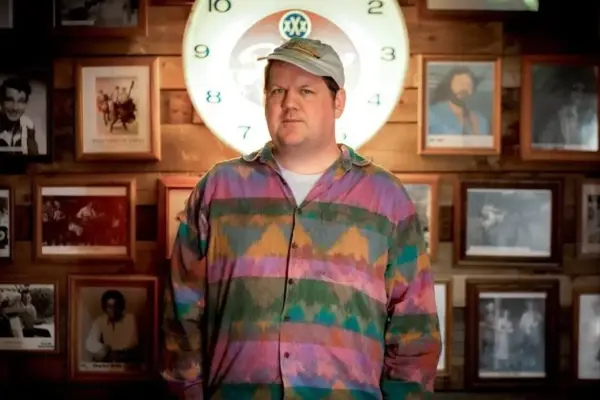
- The Global Ripple Effect: This collaborative spirit extends far beyond the British Isles. In North America, artists like Nat Myers and Charlie Parr are reinterpreting traditional blues and Appalachian string-band music for modern audiences, while international acts like Misha Panfilov and Diket infuse global grooves and experimental textures into traditional frameworks.
Supporting Context & Metrics: The Anatomy of the Modern Roots Economy
To understand why projects like Birdvox and Spell Songs are resonating so powerfully, one must examine the metrics governing contemporary music consumption and independent publishing.
Streaming vs. Physical: The Vinyl and Bandcamp Renaissance
While streaming platforms dominate mass-market consumption, niche genres like folk, Americana, and traditional roots rely heavily on direct-to-fan economies.
- Bandcamp and Independent Labels: Platforms such as Bandcamp remain critical lifelines for independent roots releases. Analysts note that folk and acoustic genres boast some of the highest physical-to-digital purchase ratios, with vinyl and compact disc sales serving as primary revenue drivers for touring musicians.
- The Festival Circuit as an Economic Engine: Folk festivals across the UK, Europe, and North America have rebounded strongly from post-pandemic downturns. Curated lineups featuring collaborative supergroups draw older, high-spending demographics alongside younger, digitally native audiences discovering roots music via TikTok and specialty podcasts.
Geographical Clustering of Creative Talent
The contemporary folk scene thrives on specific geographic and cultural hubs. Scotland, the Shetland Isles, and the broader UK folk circuit continue to punch above their weight due to robust arts funding, dedicated community radio (such as BBC Radio 2 and BBC Radio Scotland), and fertile cross-genre scenes in cities like Glasgow and Edinburgh. Similarly, the Pacific Northwest and the American South remain incubators for modern old-time and blues revivals, bridging historical preservation with contemporary social commentary.
Official Statements and Industry Perspectives
Music critics, cultural historians, and members of the artist community have increasingly weighed in on the societal value of the modern folk movement.
On the Necessity of Collaborative Artistry:
Industry commentators frequently point out that supergroups like Birdvox offer a sustainable model for working musicians in an era of diminished streaming royalties. By sharing resources, fanbases, and logistical overhead, these artists can create ambitious, multi-layered records that might be financially unviable for a solo act.
On Eco-Folk and Cultural Relevance:
Projects like Spell Songs have drawn praise from environmental organizations and cultural theorists alike. In an official statement regarding the role of music in ecological activism, project representatives emphasized:
"Music has a unique capacity to bypass intellectual defenses and touch people at an emotional level. When we sing for the landscapes, the rivers, and the endangered species, we aren’t just making art—we are actively building a vocabulary of care for the natural world."
Furthermore, instrumental innovators like saxophonist Colin Stetson and bagpiper Brìghde Chaimbeul have highlighted the universal appeal of acoustic and wind-driven textures in an increasingly digitized world. Their collaborations demonstrate that traditional instruments can be pushed into avant-garde, drone-heavy territories without losing their soulful core.
Future Outlook: Where the Folk Genre Heads Next
As we look toward the remainder of the decade, several key trends are projected to shape the trajectory of folk and roots music:
1. Increased Cross-Genre Hybridization
The rigid genre boundaries of the past are dissolving. Listeners can expect further experimentation blending African steel guitar, kosmiche synthesizers, and traditional Irish melodies—a testament to the eclectic tastes championed by modern curators and tastemakers.
2. The Decentralization of Production
With high-quality recording technology becoming increasingly accessible, artists no longer need to relocate to major metropolitan hubs like London, New York, or Nashville to make critically acclaimed records. Remote collaboration tools will continue to allow musicians from Shetland, rural Ireland, and beyond to co-create seamlessly.
3. Sustainability in Touring
As carbon footprints and travel costs remain pressing concerns for independent artists, localized touring circuits and multi-artist collaborative revues (where musicians perform in various configurations throughout a single evening) are expected to rise. This model not only reduces overhead costs but also fosters a stronger sense of community among audiences and performers alike.
In summary, the current wave of releases—anchored by formidable coalitions like Birdvox and Spell Songs, and complemented by a vast array of global roots innovators—proves that folk music is not a static museum piece. It is a living, breathing, and constantly evolving art form equipped to address the complexities of the modern world.