Executive Overview
In an era defined by hyper-digitized streaming models, algorithm-driven playlists, and an increasingly precarious financial landscape for independent artists, the infrastructure supporting the creators of our culture is severely strained. For decades, the public-facing glamour of the music industry has masked a stark, underlying reality: the vast majority of musicians, touring personnel, and backstage crews operate without a safety net. A single medical emergency, a sudden physical injury, or an acute mental health crisis can spell immediate financial ruin, forcing creatives to choose between life-saving medical care and basic survival needs like housing and sustenance.
Addressing this systemic vulnerability, legendary independent record retailer Rough Trade has announced a landmark partnership with the U.S.-based non-profit Sweet Relief Musicians Fund. This strategic alliance introduces seamless donation mechanisms across Rough Trade’s U.S. digital platform, empowering everyday music consumers to directly fund emergency assistance for artists and industry workers in need. By integrating checkout donations, digital add-ons, and round-up options directly into the retail experience, Rough Trade is bridging the gap between commerce and community.
This partnership represents more than a routine corporate philanthropy initiative; it is a vital alignment of ethos. As Rough Trade celebrates half a century of championing independent music, this collaboration reinforces the premise that record stores are not merely commercial storefronts, but cultural anchors responsible for protecting the human beings who craft the soundtrack of our lives.
Detailed Chronology: Origins, Evolution, and the Path to Partnership
To fully understand the weight of the Rough Trade and Sweet Relief collaboration, one must examine the distinct trajectories of both organizations—histories rooted in resilience, grass-roots advocacy, and an unwavering devotion to the music community.
The Genesis of Sweet Relief (1994)
The Sweet Relief Musicians Fund was born out of personal adversity and profound systemic failure. In 1994, acclaimed singer-songwriter Victoria Williams received a life-changing diagnosis: multiple sclerosis. At the time, Williams was touring successfully and deeply respected within the alternative music community, yet she lacked health insurance. The exorbitant cost of medical treatment, coupled with her inability to tour, left her facing financial catastrophe.
Recognizing that Williams’ plight was not an isolated incident, but rather a symptom of a broader, endemic crisis affecting countless uninsured and underinsured artists, her friends and peers rallied. They organized a tribute album featuring covers of her songs by prominent acts such as Pearl Jam, Lou Reed, Neil Young, and Lucinda Williams. The commercial success of this project generated surplus funds, inspiring Victoria Williams to establish Sweet Relief as a permanent, dedicated safety net.
Over the subsequent three decades, Sweet Relief evolved into a premier national resource. The organization expanded its mandate beyond solo singer-songwriters to encompass all career musicians and essential music industry workers—including instrumentalists, songwriters, technicians, managers, booking agents, and crew members—who find themselves facing physical or mental health emergencies, age-related disabilities, or critical financial distress.
Rough Trade’s Half-Century Commitment to Community
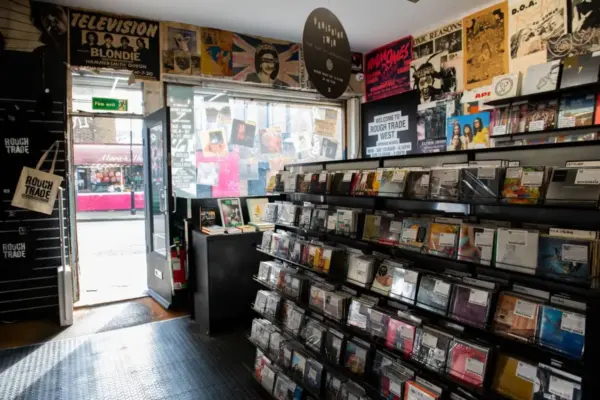
Simultaneously, Rough Trade has spent the last fifty years redefining the relationship between music retail and countercultural community. Founded in West London in 1976 by Geoff Travis at the peak of the punk explosion, Rough Trade began as an independent record shop that quickly blossomed into an influential record label and distribution network.
From its earliest days championing bands like The Smiths, The Fall, and Stiff Little Fingers, Rough Trade operated on a philosophy of radical inclusivity, artist empowerment, and direct support for the underground ecosystem. Even as the company expanded internationally—establishing iconic brick-and-mortar locations in the United States and robust digital platforms—it retained its core identity as a sanctuary for music lovers.
The Convergence
The convergence of Rough Trade and Sweet Relief in 2026 is the culmination of decades spent witnessing the precarious economic realities of the creative class. As touring costs have skyrocketed, post-pandemic economic pressures have mounted, and streaming payouts have failed to provide a sustainable livelihood for mid-tier and emerging artists, the urgency for direct, institutional intervention has never been higher. By joining forces, Rough Trade and Sweet Relief have constructed a direct pipeline from the consumer’s shopping cart to the bedside and doorstep of music workers facing life-altering crises.
Supporting Context & Metrics: The Anatomy of Industry Precarity
The partnership between Rough Trade and Sweet Relief arrives against a backdrop of deep-seated systemic challenges within the modern music industry. While top-tier pop stars and legacy heritage acts command headline-grabbing fortunes, the vast ecosystem of independent musicians, session players, and touring professionals subsists on razor-thin margins.
The Healthcare Crisis in the Arts
Data compiled by labor advocates and music industry health organizations consistently highlights a staggering deficit in healthcare access for creatives:
- The Uninsured Rate: Estimates suggest that a significant percentage of independent musicians operate without health insurance, largely due to the prohibitive cost of individual plans and the freelance, gig-to-gig nature of their employment.
- The Tour Debt Trap: Modern touring has become an increasingly high-risk financial endeavor. Rising inflation, exorbitant fuel costs, unpredictable venue cuts of merchandise sales, and escalating visa and shipping fees mean that many mid-level and underground bands lose money on the road. A single van breakdown or health emergency while on tour can plunge an artist into insurmountable debt.
- Mental Health Vulnerabilities: Studies by mental health organizations in the arts consistently reveal that musicians experience anxiety, depression, and substance abuse disorders at rates exponentially higher than the general population. The combination of isolation on tour, financial insecurity, and lack of access to psychiatric care creates a volatile environment.
How Sweet Relief Deploys Aid
Sweet Relief addresses these intersecting crises through a comprehensive suite of financial assistance programs. The organization’s grants are meticulously designed to cover the fundamental pillars of human stability during a crisis:
- Medical & Surgical Care: Direct coverage for hospital bills, surgeries, specialist consultations, and ongoing treatments.
- Prescriptions & Therapeutic Support: Subsidizing the continuous cost of vital medications, physical therapy, and mental health counseling.
- Insurance Premiums: Assisting artists in maintaining health, dental, and vision insurance policies during periods of enforced inactivity.
- Basic Living Expenses: Providing emergency grants for housing costs (rent/mortgage), utilities, and food security to ensure that recovering artists do not face homelessness or hunger alongside illness.
Through specific, targeted funds managed by Sweet Relief, donors can direct their contributions toward specific demographics or crises, ensuring that aid reaches the most vulnerable segments of the music community with precision and transparency.
Official Statements: Perspectives from Leadership
The strategic partnership has drawn enthusiastic support from the leadership teams of both organizations, underscoring the shared vision driving this collaboration.
Aric Steinberg, Executive Director of Sweet Relief
Highlighting the urgency of the mission and the cultural significance of the alliance, Aric Steinberg, Executive Director of Sweet Relief, shared his enthusiasm:
"We’re huge fans of Rough Trade and we’re thrilled to partner with them to raise funds for our music community in need. It’s exciting and gratifying to see such a storied and respected company recognise the importance and urgency of our mission, and to step up to help in such a meaningful way."
Steinberg also emphasized the collaborative future ahead, noting the potential for broader initiatives:
"We’re looking forward to more creative collaborations designed to help our musicians and music industry workers in need of emergency financial assistance due to a physical or mental health emergency."
Stephen Godfroy, Co-Owner at Rough Trade
Echoing these sentiments, Stephen Godfroy, Co-Owner at Rough Trade, contextualized the partnership within the broader fifty-year history of the brand, emphasizing that music retail must transcend mere consumerism:

"At Rough Trade, music has always been about more than commerce, it’s about community, connection, and the people who dedicate their lives to creating the records that shape our culture."
Godfroy detailed the mechanics of the initiative and its alignment with the company’s foundational values:
"We’re proud to partner with Sweet Relief Musicians Fund and give our customers simple ways to contribute, whether through round-ups, direct donations or future initiatives still to come. Supporting artists and music workers in times of need feels entirely aligned with what Rough Trade has stood for over the past fifty years."
Future Outlook: A New Paradigm for Conscious Consumerism
As the Rough Trade and Sweet Relief partnership rolls out across U.S. digital platforms, it establishes a powerful precedent for how modern music retail can actively participate in the welfare of the creative community.
Empowering the Consumer
In an industry where fans often feel powerless against monopolistic ticketing platforms, plummeting streaming royalties, and the corporate consolidation of media, this initiative restores agency to the consumer. Through simple, frictionless actions—such as rounding up a digital purchase total by a few cents or adding a direct donation at checkout—music buyers can transform a routine transaction into an act of direct solidarity. Every vinyl record purchased, book ordered, or piece of merchandise acquired through Rough Trade now carries the potential to keep an ailing musician housed or a struggling crew member fed.
Expanding Horizons
Looking forward, both organizations plan to expand the scope of the partnership beyond point-of-sale micro-donations. Discussions are already underway regarding exclusive vinyl pressings, curated benefit compilations, live-streamed performance events, and artist-led fundraising campaigns that will further amplify the visibility and financial capacity of Sweet Relief.
A Call to Action
The survival of independent music depends entirely on the health and well-being of the individuals who create it. By shining a spotlight on the hidden struggles of musicians and industry workers, Rough Trade and Sweet Relief are not merely offering a financial safety net; they are fostering a culture of collective responsibility.
Music lovers who wish to support the initiative can do so today by visiting the Rough Trade U.S. Platform. For artists, technicians, and industry professionals facing medical, physical, or mental health emergencies, applications for vital grants and mental health resources are processed directly through the confidential Sweet Relief Application Portal.
In supporting Sweet Relief through Rough Trade, fans ensure that the artists who provide the soundtrack to our lives are never left to face their darkest hours alone.