Executive Overview
In the contemporary music landscape, the boundary between artist and art has increasingly blurred, accelerated by the hyper-speed algorithms of digital platforms. Few cases illustrate this phenomenon more vividly than the rapid rise of Keath Ósk, a Filipino-Icelandic singer-songwriter and visual artist. In early 2024, Ósk began releasing music under the moniker Yaelokre—an indie-folk project rooted in "Meadowlark," an intricate, self-constructed fantasy world that originated in their childhood journals. Within months, the project transformed from a private creative outlet into a global viral phenomenon, propelled by TikTok, visual storytelling, and a highly dedicated online fandom.
However, the rapid transition from bedroom myth-maker to a major-label signee on Atlantic Records brought unexpected challenges. As the Yaelokre universe ballooned, Ósk found themselves navigating the complicated territory of viral fame, characterized by fan gatekeeping, parasocial intrusions into their gender identity, and the commodification of their creative intellectual property.
With the release of their debut album, Foreword, Ósk is executing a calculated artistic pivot. By releasing the album under their birth name, Keath Ósk, the artist is establishing a distinct boundary between the community-owned fantasy of Yaelokre and their personal identity. This investigative feature explores Ósk’s dual heritage, the mechanics of their viral breakthrough, the sonic evolution of Foreword, and the delicate balancing act of reclaiming creative agency in the age of internet-driven stardom.
Detailed Chronology: From Cavite to Global Virality
[Childhood - Cavite, Philippines] ──> [Age 10 - Icelandic Influence] ──> [Early 2024 - Yaelokre Launch] ──> [Late 2024 - Atlantic Signing & "Foreword"]
       (Oral Lore & Clapping Games)           (Scandinavia & Found Family)          (TikTok Virality & Fandom)           (Reclaiming Identity as Keath Ósk)
The Foundations of Meadowlark (2000s–2010s)
Keath Ósk was born and raised as an only child of a single mother in Cavite, a province in the Philippines rich in historical significance and local folklore. Growing up, Ósk’s imagination was fueled by traditional Filipino oral histories, superstitious tales, and Western fantasy literature. This early environment laid the groundwork for Meadowlark, a fictional universe populated by anthropomorphic creatures, masked children, and ancient rituals.
At age ten, Ósk’s family dynamic shifted with the introduction of their adoptive father, who is Icelandic. The family subsequently divided their time between the tropical landscapes of the Philippines and the stark, volcanic terrains of Scandinavia, spending holidays in Iceland. This geographical duality deeply influenced Ósk’s artistic sensibilities, blending the warmth and community-centric nature of Filipino culture with the desolate, myth-heavy atmospheres of Icelandic folklore. Under their father’s guidance, Ósk devoured literature, cinema, and video games that emphasized the concept of "found family"—a theme that would become the emotional anchor of their future musical endeavors.
The Spark of Songwriting and Early Performances
Ósk’s musical journey began early. By age three, they were performing during Linggo ng Wika (Filipino Language Week) at school assemblies. Songwriting, however, emerged as a highly personal, non-commercial practice. Ósk initially composed acapella tracks as custom gifts for friends’ birthdays.
Their technical education in music production came through collaboration with JD Santos, the bassist for the Filipino indie band Medyo Maybe and the former producer for Yaelokre. Santos introduced Ósk to the fundamentals of mixing and recording, transforming their bedroom-recorded guitalele melodies into structured folk-pop arrangements.
The 2024 Viral Explosion
In early 2024, Ósk launched the Yaelokre project. Conceived without commercial expectations—described by Ósk as akin to "posting something on Facebook for the sake of Facebook"—the music was intended as a soundtrack to their illustrations of Meadowlark.
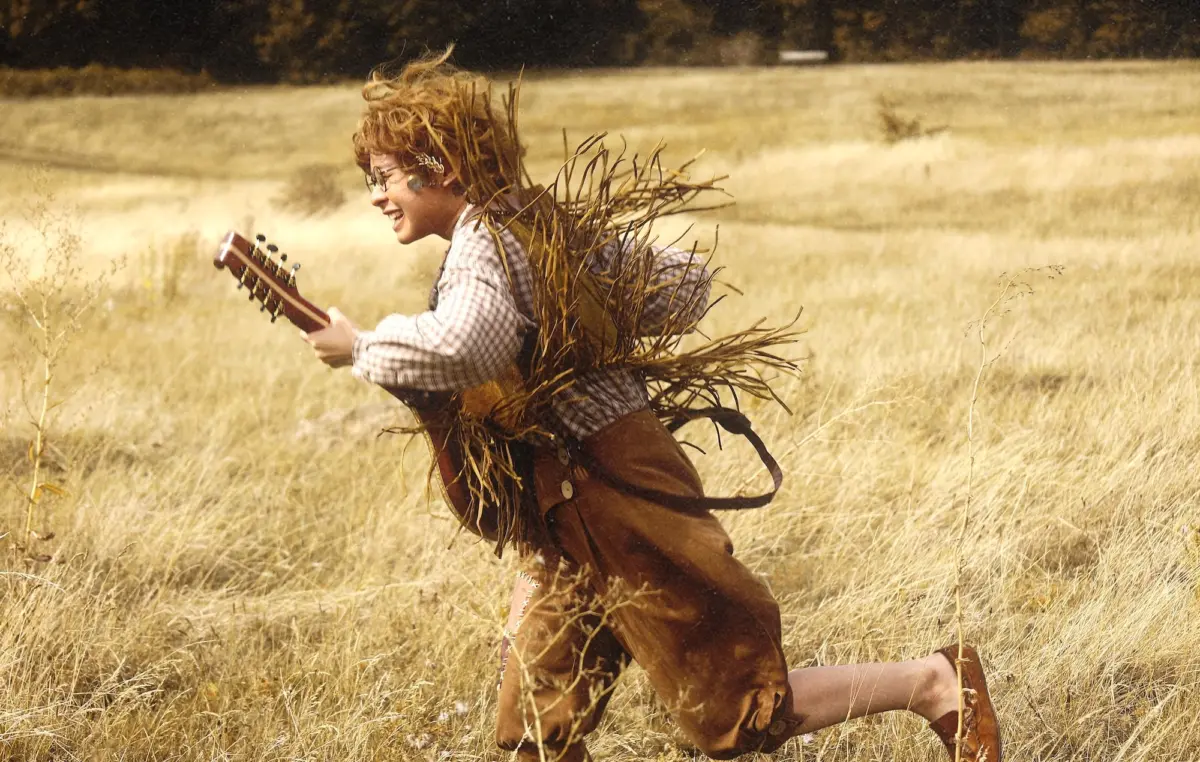
The response was immediate and overwhelming. Driven by the track "Harpy Hare," Yaelokre’s distinctive aesthetic—combining Renaissance-style lyricism, acoustic guitalele instrumentation, and hand-drawn animations of masked characters—resonated with a massive audience on TikTok. Within months, millions of listeners engaged with the project, launching Yaelokre into the upper echelons of independent music metrics and earning Ósk a spot on the prestigious NME 100 list of essential emerging artists.
Supporting Context & Metrics: The Anatomy of a Phenomenon
To understand the scale of Ósk’s breakthrough, it is necessary to examine both the digital metrics and the cultural impact of the Yaelokre project.
| Metric / Attribute | Yaelokre Project (2024 Peak) | Keath Ósk Project (Foreword Era) |
|---|---|---|
| Primary Sonic Aesthetic | Acoustic folk-pop, guitalele-driven, elfin vocals | Brass, jazz, Americana, hip-hop undertones, deep croon |
| Key Streaming Milestone | "Harpy Hare" (242M+ Spotify streams) | Foreword (Strategic major-label debut) |
| Visual Presentation | Masked children, hand-drawn fantasy lore | Human-centric, live-action performance, raw realism |
| Fandom Engagement | High-intensity cosplay, lore gatekeeping, fan fiction | Intimate, traditional concert-goer relationship |
| Primary Theme | Childhood wonder, found family, animal fables | Personal agency, artistic freedom, emotional maturity |
The Cultural Impact of "Harpy Hare"
The centerpiece of Yaelokre’s digital footprint is "Harpy Hare," a track that has amassed over 242 million streams on Spotify alone. The song’s visualizer, which features an animated half-human, half-hare mother burying her infant, struck a chord with global audiences.
Notably, the video incorporates elements of "Nanay Tatay" (Mummy, Daddy), a traditional Filipino children’s clapping game. This subtle inclusion sparked a global cultural exchange: non-Filipino fans began researching the game, posting tutorials online, and reenacting the clapping sequence at live shows.
[Filipino Clapping Game: "Nanay Tatay"] ──> [Integrated into "Harpy Hare" Visualizer] ──> [Replicated globally by fans at live concerts]The Double-Edged Sword of Internet Fandom
While the rapid expansion of the Yaelokre fandom created an enviable level of devotion—with fans arriving at sold-out venues dressed in elaborate Meadowlark costumes—it also presented significant challenges. Fandom spaces began to exhibit signs of toxicity, including:
- Lore Gatekeeping: Online factions arguing over the "correct" interpretation of the Meadowlark narrative.
- Identity Intrusion: Intense speculation and invasive commentary regarding Ósk’s physical body and gender identity.
- Character Sexualization: Fans generating inappropriate content featuring the four child characters of Meadowlark, prompting Ósk to publicly establish strict boundaries regarding fan-created works.
Sonic Reconstruction: The Making of Foreword
Faced with the limitations of bedroom folk, Ósk partnered with south London-based producer Jack Hardman (who records under the moniker Good Dog) to elevate the production values for Foreword.

Originally envisioned as a raw, acoustic bedroom album featuring just voice and guitalele, the project evolved into a sophisticated, multi-genre record. Hardman and Ósk introduced:
- Orchestral Brass: Trumpets and trombones that add a celebratory, theatrical dimension to the tracks.
- Eclectic Arrangements: Elements of jazz, Americana, and hip-hop rhythms that disrupt the traditional expectations of indie-folk.
- Vocal Shift: Ósk trading their characteristic elfin, high-pitched vocal delivery for a deeper, more resonant croon.
Official Statements: Navigating Fame and the "Chair" Metaphor
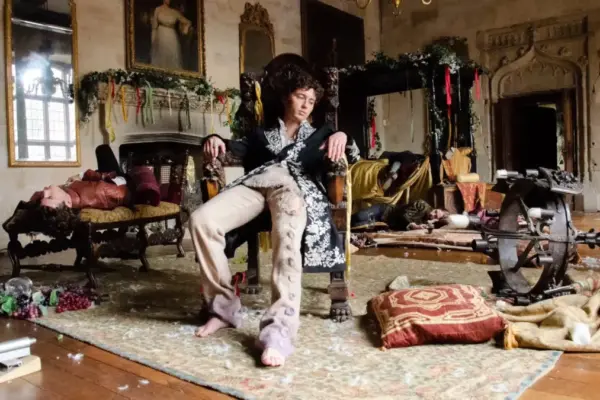
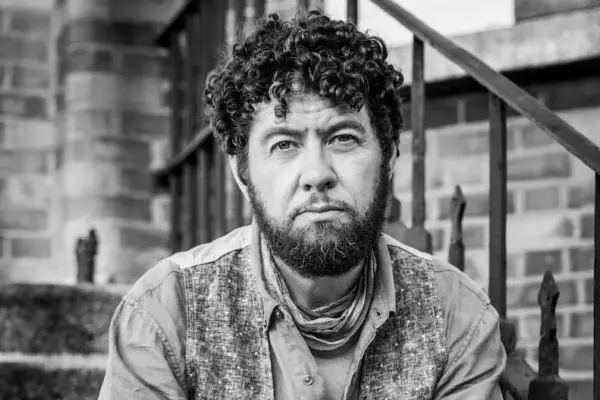
In interviews, Keath Ósk speaks with striking clarity about the psychological adjustments required by their sudden visibility. The central metaphor for this struggle is visualized in the music video for their track "And The Hound," in which Ósk plays two contrasting characters interacting with a single wooden chair.
                  [THE "CHAIR" METAPHOR]
                            │
         ┌──────────────────┴──────────────────┐
         ▼                                     ▼
[Character A: The Cool Singer]        [Character B: The Resister]
- Sits calmly on the chair            - Fights against the furniture
- Represents public expectations       - Represents fear of restriction
- Embraces the curated persona        - Terrified of losing personal freedom
Reflecting on the symbolism of the video, Ósk notes:
"The reason I didn’t want to sit in the video is because it represents this controlled image of who I am. But I proved myself wrong because I’m actually not held in the chair. I have the control and freedom. I’ll always go back to Yaelokre and Meadowlark, but Keath Ósk is my escape from that."
This realization marks a major shift in Ósk’s approach to their career. Rather than shrinking the scale of Yaelokre to regain their independence, they chose to step outside of it, creating a separate lane under their birth name.
Ósk acknowledges that this transition might alienate listeners who expect comfortable, childlike folk music:
"Some might assume I’m just a folk artist with a soft voice who can’t really belt or take on mature topics… but I’m more than that. Every artist who shares their work is more than their art. It’s only a matter of whether they express it or not, and I want to express it as Keath Ósk."
The artist likens the Keath Ósk project to an "acquired taste," comparing it directly to "blue cheese"—complex, sharp, and distinctly different from the universally accessible folk melodies of early Yaelokre.
Future Outlook: The Dual-Track Strategy
As Keath Ósk embarks on their international tour, their strategy for long-term career sustainability rests on a dual-track model. By dividing their creative output into two distinct entities, Ósk hopes to prevent the creative burnout that often claims viral internet sensations.
                         [KEATH ÓSK (The Creator)]
                                     │
         ┌───────────────────────────┴───────────────────────────┐
         ▼                                                       ▼
[YAELOKRE (The Mythos)]                                 [KEATH ÓSK (The Individual)]
- Grand, bombastic theatrical tours                     - Intimate, stripped-back live shows
- Elaborate costuming and visual design                 - Normal clothing, minimal production
- Community-driven, interactive spaces                  - Personal, raw emotional themes
- Built for the "Meadowlark" universe                  - A private creative sanctuary
The Live Tour: Immersive vs. Intimate
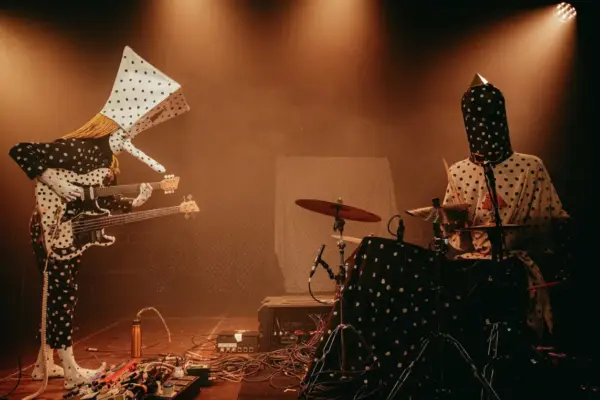
The current international tour, which kicked off in Belgium, showcases the grand scale of the Yaelokre project. Designed to be "grand and bombastic," the performances feature enhanced production values, theatrical lighting, and immersive stage designs intended to transport audiences directly into Meadowlark.
Conversely, Ósk envisions a completely different presentation for potential future Keath Ósk tours:
- Smaller Venues: Intimate rooms where the barrier between artist and audience is minimized.
- Stripped-Back Aesthetics: Performing in ordinary clothing without masks or elaborate theatricality.
- Raw Presentation: A focus on the vulnerability of the songwriter, rather than the scale of the world-builder.
The Long-Term Vision
By signing with Atlantic Records, Ósk has secured the resources needed to sustain both projects. While Foreword acts as a bridge—featuring re-recordings of 11 core Yaelokre songs alongside a cover of Bonnie Tyler’s classic repertoire—subsequent releases under the Keath Ósk name will venture into entirely new thematic and musical territories, completely independent of Meadowlark.
Ultimately, Ósk’s journey is a compelling study of how a modern artist can reclaim agency in a commercial landscape that often demands the commodification of identity. By establishing clear boundaries, embracing musical evolution, and refusing to be confined by the very "chair" that brought them fame, Keath Ósk is building a resilient, long-term career on their own terms.