Executive Overview
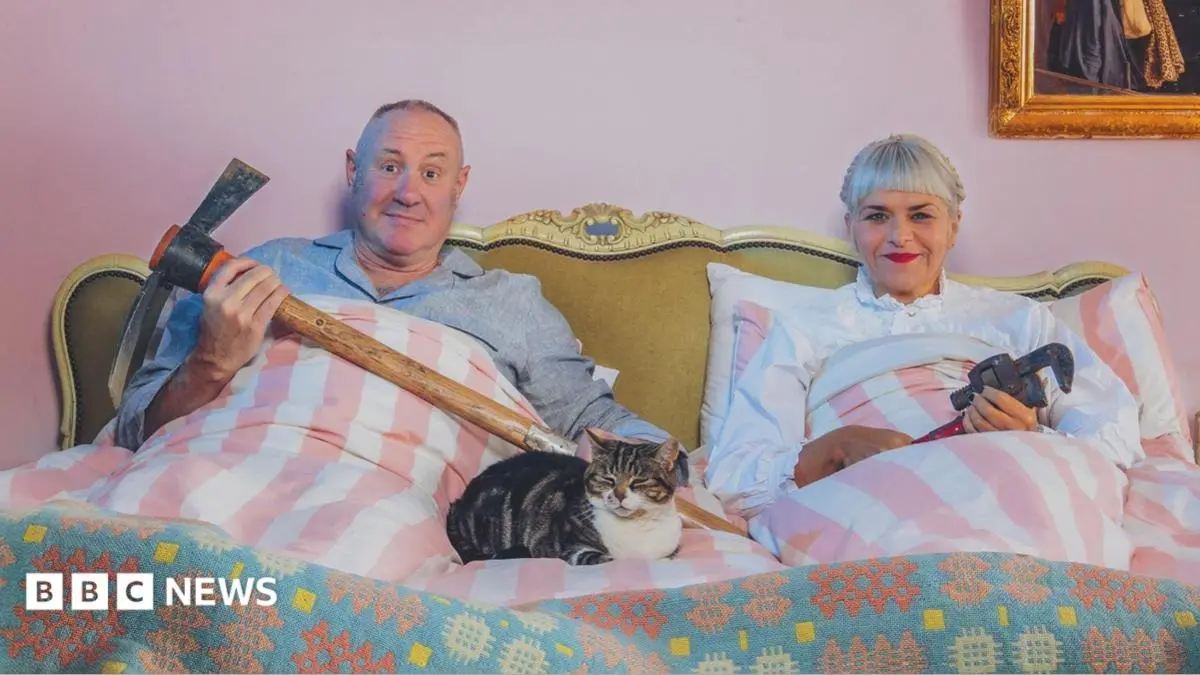
In a narrative that seamlessly bridges contemporary architectural conservation, artistic passion, and personal milestones, The Great Pottery Throw Down judge and master ceramicist Keith Brymer Jones has announced his upcoming marriage to partner and actor Marj Hogarth. The ceremony is slated for May of next year and will take place within the most fitting of venues: their meticulously restored, Grade II-listed 163-year-old chapel home in North Wales.
The engagement, executed before an enraptured audience during a live tour performance at the New Theatre in Cardiff, marks the latest chapter in a profound personal and professional homecoming for Brymer Jones. Having relocated from London to the stunning Llŷn Peninsula in 2022, the couple has spent the intervening years transforming the sprawling, 8,500-square-foot Capel Salem in Pwllheli into an ambitious hybrid of residential sanctuary, pottery studio, and community space.
Beyond the romance of the upcoming nuptials, this development casts a bright spotlight on a broader cultural and architectural phenomenon: the preservation and repurposing of Wales’ endangered religious heritage. Brymer Jones, whose artistic sensibilities were forged during childhood trips down Welsh country lanes alongside his pottery-enthusiast mother, has emerged as an impassioned advocate for giving derelict chapels a "new lease of life." This in-depth report explores the chronology of their Welsh odyssey, the architectural and historical significance of Capel Salem, the economic and cultural metrics of chapel preservation in Wales, and the visionary future the couple is carving out on the breathtaking North Wales coast.
Detailed Chronology
To understand the weight of the upcoming wedding at Capel Salem, one must trace the timeline of Keith Brymer Jones and Marj Hogarth’s deliberate, deeply emotional root-seeking journey across Wales.
The Genesis of a Connection: Childhood Inspirations
While widely recognized for his emotional, tearful critiques on television screens across the United Kingdom, Brymer Jones’ foundational artistic identity traces directly back to the topography and culture of Wales. Both of his parents hailed from South Wales—specifically Swansea and Cardiff. During his formative years, family excursions frequently involved driving down winding Welsh country lanes, hunting for local potteries and absorbing the tactile, earthy aesthetic of the region. Combined with his mother’s ardent passion for pottery, these early experiences planted the seed for what would become a lifelong vocation in ceramics.
The Digital Discovery: Finding Capel Salem (2022)
Decades later, as successful creative professionals based in England, Brymer Jones and Hogarth found themselves yearning for a radical lifestyle change—a "forever home" that could accommodate both their artistic practices and a desire for a deeper connection to nature and community.
In 2022, while "trawling the internet" for distinctive properties, Brymer Jones stumbled upon a listing that would alter the course of their lives: Capel Salem, a sprawling, 163-year-old nonconformist chapel located on the Llŷn Peninsula. Recognizing the extraordinary scale and architectural pedigree of the 8,500-square-foot, Grade II-listed structure, the couple acted with swift decisiveness. They drove up to Pwllheli the very next day, walked through the doors of the derelict building, and instantly fell in love.
The Transfiguration: Living in a Landmark (2022–Present)
Purchasing a historic chapel is not for the faint of heart. The sheer volume of the space—characterized by towering ceilings, sweeping galleries, and vast open areas—presents monumental logistical, financial, and structural challenges. Yet, over the subsequent eighteen months, Brymer Jones and Hogarth immersed themselves completely in the renovation process.
Living on-site amid the dust and scaffolding, they meticulously balanced modern residential comforts with the preservation of the chapel’s sacred historical features. Simultaneously, they integrated themselves into the local Pwllheli community, a transition Brymer Jones has repeatedly described as seamless and deeply welcoming. The building gradually evolved into a multifaceted hub: a private living quarter, a professional-grade ceramic studio, and an envisioned space for local engagement.
The Cardiff Proposal (Recent)
The trajectory of their Welsh adventure reached a romantic crescendo during a live tour stop at the historic New Theatre in Cardiff. Standing on Welsh soil—a geographical distinction of profound emotional resonance for the ceramicist—Brymer Jones orchestrated a public proposal to Hogarth. "I just thought I ought to really propose to her on Welsh soil," he reflected during a subsequent interview with BBC Radio Wales. With the audience erupting in applause, Hogarth accepted. The logistical wheels were immediately set in motion for the couple to exchange vows in the main hall of Capel Salem in May of next year.
Supporting Context & Metrics: The Architectural Plight of Welsh Chapels
The marriage of Brymer Jones and Hogarth inside Capel Salem serves as a high-profile case study in a critical national conversation: the fate of Wales’ historic religious architecture.
The Cultural Footprint of Welsh Nonconformity
For centuries, the nonconformist chapel was the beating heart of Welsh community, social, and spiritual life. From the industrial valleys of the south to the rural, agricultural hamlets of the north, chapels were architectural monuments to local craftsmanship, communal solidarity, and religious fervor. At their peak in the 19th and early 20th centuries, thousands of chapels dotted the Welsh landscape, often serving as the primary cultural venues where the Welsh language, choral singing, and democratic debate were nurtured.
The Scale of Dereliction
However, shifting demographics, secularization, and the economic decline of traditional industries have left hundreds of these magnificent structures redundant. According to heritage preservation bodies such as the Royal Commission on the Ancient and Historical Monuments of Wales (RCAHMW) and the Chapels Heritage Society:
- Staggering Statistics: It is estimated that thousands of chapels have closed their doors permanently over the past fifty years.
- Listing Vulnerability: While many are granted Grade II or Grade II* statutory protection due to their architectural and historical importance, listing alone does not guarantee survival. High maintenance costs, dry rot, lead theft, and specialist roofing requirements make traditional upkeep economically prohibitive for local congregations.
- The Conservation Crisis: The loss of a chapel is rarely just the loss of a building; it represents the erasure of a community landmark and a tangible link to local history.
Adaptive Reuse as a Sustainable Solution
In this context, the efforts of individuals like Brymer Jones and Marj Hogarth represent a vital preservation model: adaptive reuse. By transforming Capel Salem into a hybrid residential, artistic, and community space, the couple is demonstrating how historic buildings can be economically self-sustaining while remaining relevant to modern society.
Heritage experts increasingly advocate for this approach. Rather than allowing buildings like Capel Salem to succumb to terminal decay or unsensitive demolition, repurposing them for residential living, creative studios, and cultural venues injects private capital into heritage conservation while preserving the external and internal character of the structures for future generations.
Official Statements and Media Insights
Reflecting on their journey, upcoming nuptials, and architectural philosophy, Keith Brymer Jones shared candid insights during his broadcast appearance on BBC Radio Wales:
On the emotional weight of returning to Wales:
"I felt the move to Wales was like coming back to my ‘roots’. Both my parents were from Swansea and Cardiff. Wales inspired me to get into ceramics, and my mum had a passion for pottery too. I vividly remember driving down Welsh country lanes in search of pottery when I was growing up."
On discovering and falling in love with Capel Salem:
"I was just trawling the internet and it popped up. Marj and I drove up the very next day to see it, and we just fell in love with the place. It’s a Grade II-listed, 8,500-square-foot building, and it’s definitely our forever home. It sits in quite a magical place on the north Wales coast, with Pwllheli overlooking Eryri and Yr Wyddfa."
On integrating into the local community and the realities of chapel living:
"We’ve been living there for about a year and a half and we absolutely love it. The community in Pwllheli has been absolutely amazing. We’ve been welcomed with open arms."
On the broader architectural crisis facing Welsh heritage buildings:
"There are a lot of derelict chapels across Wales. We need to repurpose these buildings and give them a new lease of life."
Future Outlook: A New Chapter at Capel Salem
As Keith Brymer Jones and Marj Hogarth look toward May of next year, their lives are deeply intertwined with the future of the Llŷn Peninsula. The wedding, to be held within the soaring expanses of Capel Salem’s main hall, will not only mark the formal union of two creative partners but will also consecrate the building anew—transforming a former house of worship into a living, breathing home of art, love, and community celebration.
The Path Ahead
- The Wedding (May Next Year): Preparations are already underway for the ceremony, which is expected to blend local Welsh traditions with the couple’s artistic flair, utilizing hand-crafted ceramic elements created on-site.
- Studio Development: Brymer Jones continues to expand his pottery operations within the chapel footprint, creating a dedicated creative sanctuary that honors his mother’s legacy and his early inspirations on Welsh roads.
- Community Engagement: Beyond their private quarters, the couple remains committed to ensuring that Capel Salem retains its historical status as a welcoming communal focal point, exploring ways to utilize the vast space for local cultural events and artistic workshops.
In championing the adaptive reuse of Capel Salem, Brymer Jones and Hogarth have done far more than secure a dramatic backdrop for their wedding. They have provided an inspiring blueprint for how Britain’s endangered architectural heritage can be rescued, revitalized, and woven back into the living fabric of rural and coastal communities. As the bells prepare to ring out across Pwllheli next May, Capel Salem stands ready for its most joyful chapter yet.