Executive Overview
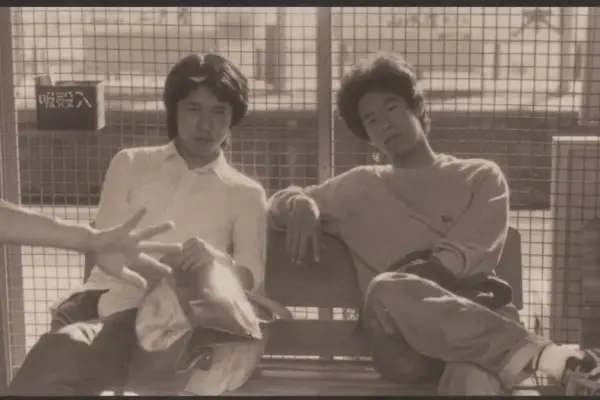
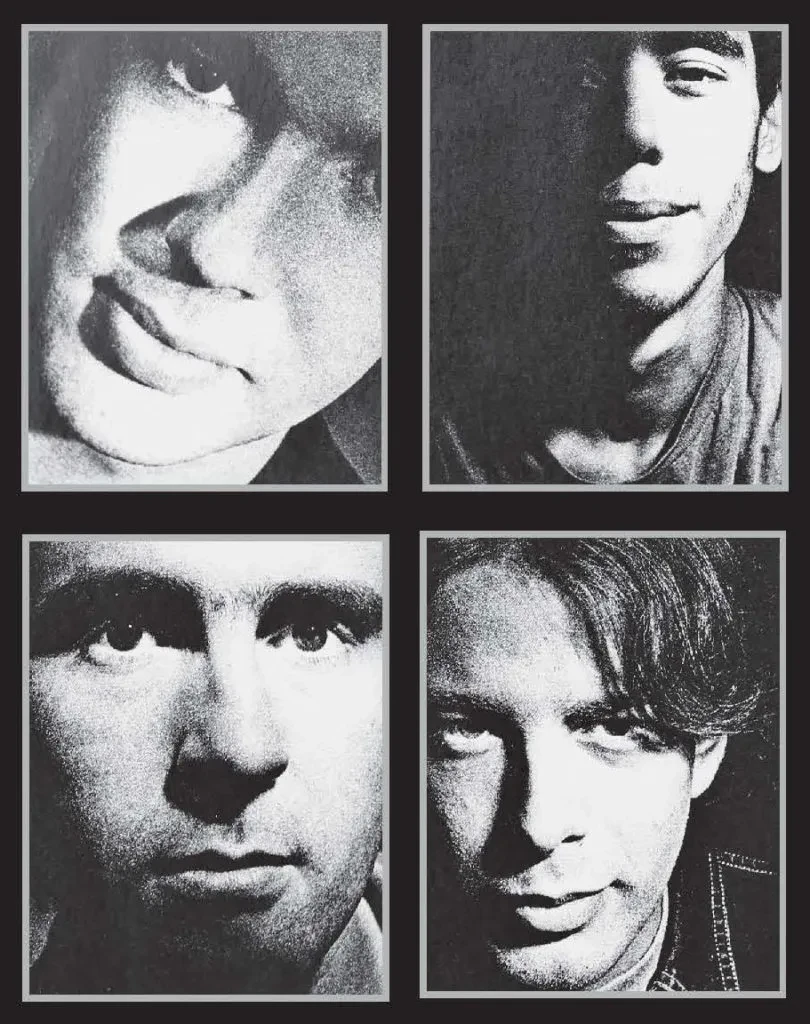
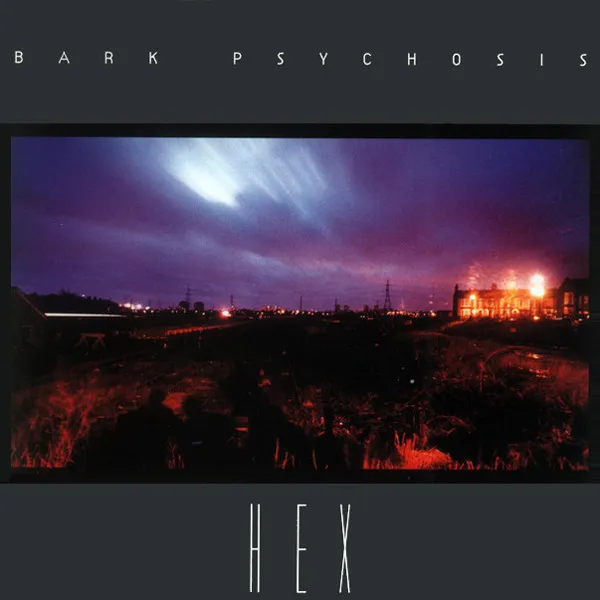
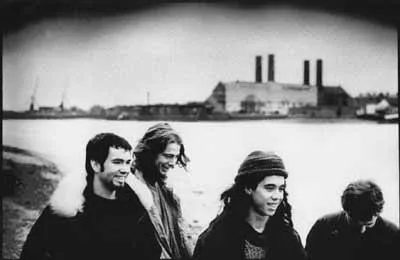
Four decades after its inception in the sprawling, counter-cultural underground of London, post-rock pioneer Bark Psychosis remains one of modern alternative music’s most enigmatic and fiercely uncompromising entities. Formed in 1986 by school friends Graham Sutton and John Ling when they were just fourteen years old, the band helped forge a groundbreaking sonic vocabulary. Their seminal 1994 debut album, Hex, introduced a paradigm shift in how musicians could merge ambient introspection with intricate, dynamic power. It was a record that weaved a singular spell—gloomy yet luminescent, patient yet devastating.
Yet, the trajectory of Bark Psychosis was never defined by conventional commercial ambitions or industry playbooks. Marked by staggering gaps between releases—including a twenty-year hiatus between Hex and its successor, ///CODENAME: dustsucker—the band’s history is characterized by radical artistic reinvention, deep personal cost, and an uncompromising dedication to pure creative impulse. In a candid retrospective interview conducted by Chris Wheatley, founding mastermind Graham Sutton reflects on a lifelong journey guided by music, unpacking the tumultuous origins, the meticulous church-recorded sessions of Hex, his diversion into drum ’n’ bass under the moniker Boymerang, and his subsequent evolution into one of the UK’s most sought-after alternative music producers.
Detailed Chronology: From Teenage Mania to Post-Rock Mythology
The Genesis: East London Squats and Early Experimentation
The roots of Bark Psychosis trace back to a foundational immersion in classic songwriting and youthful urgency. For Sutton, music was an indelible lifeline. "There was always music in my house," Sutton recalls. "My mum had a copy of Rubber Soul, which I played to death. I used to fall asleep listening to Sgt. Pepper’s… Music has been this thread that’s pulled me through life."
When Sutton and John Ling formed the band at age 14, the endeavor felt less like a hobby and more like an inescapable calling. "It was like this mania. I thought: this is what I’m here to do."
Working with rudimentary tools—a simple tape recorder and a drum machine—the teenage duo began mapping out their artistic identity. Their live debut came via a Campaign for Nuclear Disarmament (CND) benefit gig at the Sir George Robey pub in Finsbury Park. Driven by absolute conviction, Sutton made a life-altering decision immediately following his GCSEs: "I made the decision I was going to leave school… and I persuaded John that we were going to do this band."
To facilitate the project, Sutton relocated from East London to Edgware in North London. However, the logistical challenges of commuting forced a deeper immersion into the capital’s fringe counter-culture. "I was travelling back to meet up with John and plan, finding a drummer being the first objective," Sutton notes. After placing an advertisement in a local music shop, they recruited drummer Mark Simnett. Recognizing that daily travel was untenable, Sutton joined Ling in the city’s squatting network, eventually establishing a more permanent base in a notorious squat on Claremont Road in Leyton. It was within this bohemian crucible that they crossed paths with singer Sue Page, whose spectral vocals would grace their earliest singles.
The Cheree Years and Indie Breakthrough
The band’s path to vinyl releases arrived through a quintessential London happenstance. While waiting on a railway platform, Sutton struck up a conversation with Nick Allport and Vinita Joshi, a couple running a local fanzine and an independent micro-label named Cheree.
"I’d met them on the platform of South Woodford station. They seemed like interesting people. I just struck up a conversation with them. They kind of adopted me in a way."
In 1990, Cheree released Bark Psychosis’s inaugural 19” records: All Different Things and Feelings. These early releases established the group’s embryonic sound—a drifting, atmospheric blend of melancholy and textural noise-rock. While Cheree envisioned a full-length album, structural shifts within the label threatened the band’s autonomy. "They wanted us to do an album," Sutton explains, "but they brought in some new backers that we fundamentally didn’t get on with."
Intervention arrived via Gerald Palmer, former manager of neo-psychedelic noise architects Spaceman 3. Palmer successfully extracted Bark Psychosis from their Cheree contract, paving the way for a signing with 3rd Stone Records alongside the addition of keyboardist Daniel Gish. This partnership yielded the 1992 Manman EP and the extraordinary single Scum. Clocking in at a sprawling 21 minutes, Scum bridged experimental noise-rock with free-form jazz soundscapes, signaling a radical leap forward.
Reflecting on this era of pure autonomy, Sutton notes: "A lot of it came from being quite wilful, wanting to do something that was our own and nobody else’s. Nothing was guided by any sort of idea of a career; it was just, ‘How does this feel? Do we feel good doing this?’ For better or worse, it was done with the purest of motives."
Hex: Architectural Ambience and the Cost of Perfection
Moving to Circa, a subsidiary of Virgin Records, the band prepared for their masterwork. Buoyed by the atmospheric success of Scum—which had been recorded live inside St John’s Church in Stratford—Sutton engineered a revolutionary, layered production process for their debut long-player.
"I came up with the idea that we’d lay down some frameworks, then there’d be a stage of overdubbing in the church," Sutton details. "Then there’d be a further process of sequencing. Finally, there would be touch-ups and vocals, then we’d mix it."
A vital component of this dense auditory landscape was Sutton’s early adoption of sampling technology, which was just beginning to hit the consumer market. "I was excited by that as well, and I wanted that side of things to be represented."
Released in 1994, Hex was met with critical adoration, though its challenging nature restricted its commercial peak to number 48 on the UK Independent Albums chart. Today recognized as a cornerstone of the post-rock genre—alongside contemporaries like Talk Talk and Slint—the album’s creation exacted a punishing psychological and physical toll.
"It took such a lot out of us," Sutton recalls candidly. "I felt very strongly that this might be our only shot at this, so I’m going to give it my absolute everything. The process of making it destroyed the band."
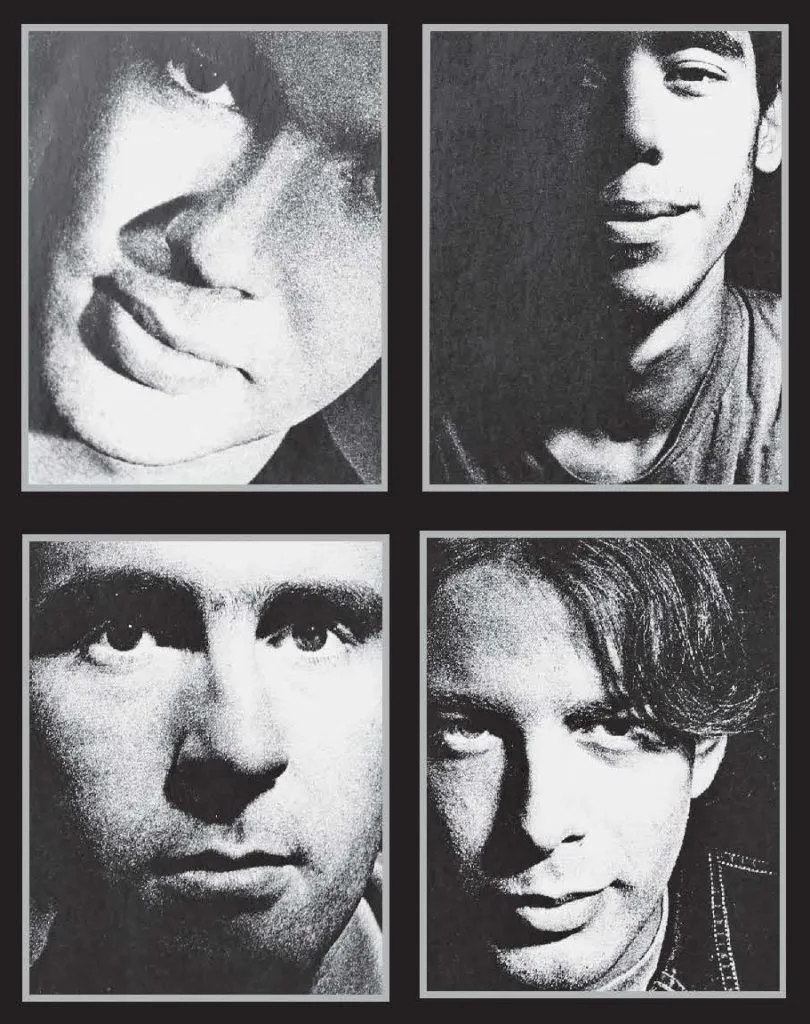
Internal fractures were immediate: Daniel Gish departed during the sessions, and John Ling left shortly after the album’s completion.
Boymerang, Dustsucker, and Production Proliferation
Though Sutton and Simnett attempted to keep the live entity afloat, Sutton’s creative compass soon shifted dramatically toward the kinetic, bass-heavy frequencies of the burgeoning UK drum ’n’ bass scene. Adopting the moniker Boymerang, he released the critically acclaimed album Balance Of The Force through Parlophone in 1997.
True to his restless artistic constitution, Sutton soon abandoned that avenue as well. "Almost overnight, something was telling me, I’ve got to do something else now," he explains.
This impulse triggered the formation of a brand-new Bark Psychosis collection of material. Major labels, however, rarely appreciate such abrupt detours. "Parlophone weren’t very happy, but I felt like I didn’t have any choice. If it doesn’t feel right, I can’t do it."
The standoff resulted in a protracted battle for ownership: "It took a couple of years for me to get the rights back." Eventually, the sophomore Bark Psychosis record, ///CODENAME: dustsucker, materialized via Fire Records in 2004—a full decade after Hex. Featuring Sutton alongside a rotating cast of new collaborators, the album successfully carried forward the band’s sophisticated, avant-garde design.
Concurrently, Sutton inadvertently stumbled into a prolific career as a record producer. The transition began with a characteristically eccentric dispatch from Rough Trade founder Geoff Travis. "Geoff sent me a postcard, with written in big letters: ‘CAN YOU MAKE ME A HIT?’ It seemed like the most ridiculous, bizarre request."
Sutton accepted the challenge, shaping the debut LP of Southampton indie-pop outfit The Delays, Faded Seaside Glamour (2004). The results sparked an unstoppable word-of-mouth reputation that has since seen Sutton helm critically acclaimed records for luminaries such as These New Puritans and British Sea Power, among others.
Supporting Context & Metrics: The Cultural Footprint of Hex
To fully understand Bark Psychosis’s enduring resonance, one must examine the metrics and cultural context surrounding their landmark 1994 release, Hex:
- Release Date: Q1 1994 (Circa Records / Virgin)
- Chart Peak: #48 on the UK Independent Albums Chart
- Genre Classification: Post-rock (coined around this era to describe guitar-based bands utilizing non-traditional structures, electronic sequencing, and ambient textures).
- Key Technological Integration: Pioneer integration of affordable hardware samplers alongside live instrumentation, cathedral acoustics (St John’s Church, Stratford), and extensive digital sequencing.
- Line-up Shifts: Transformed from a 4-piece band (Sutton, Ling, Simnett, Gish) during Hex to an evolving collaborative studio project helmed almost exclusively by Graham Sutton for dustsucker (2004).
Official Statements & Reflections
"For better or worse, it was done with the purest of motives."
— Graham Sutton, reflecting on the uncompromising artistic integrity driving Bark Psychosis’s early output.
Despite his historical aversion to nostalgia, Sutton acknowledges the quiet gratification of seeing Hex maintain a devoted cult following decades later:
"It’s enormously gratifying that people still ask me about Hex, because I know how much went into it, and it was done for no other reason, no other purpose, than to try and do something as good as we could make it. So, the fact that people get something out of it, well, that’s nice."
Future Outlook: Will Bark Psychosis Return?
For fans hoping for a third installment in the sparse Bark Psychosis discography, the horizon remains deliberately hazy. When pressed on whether another album will ever materialize from the project, Sutton offers a characteristic shrug and a smile:
"I don’t know. I’m just enjoying doing what I’m doing."
And then, with a knowing grin that underscores his packed schedule as one of the UK’s most in-demand producers and sonic architects, he adds: "Besides, I haven’t got the time!"
Interview conducted by Chris Wheatley.
Related projects: These New Puritans’ acclaimed work, including Crooked Wing, available via Domino Records.