Executive Overview
In a sweeping restructuring effort driven by severe financial constraints, the BBC has announced plans to shutter the linear broadcast services of BBC Three, BBC Scotland, and BBC Radio 4 Extra by the spring of 2027. The move forms a cornerstone of the corporation’s aggressive strategy to slash £500 million from its operating budget by 2028. Alongside the dismantling of these traditional television and radio channels, approximately 100 jobs are set to be cut within BBC News, with additional redundancies expected across the affected broadcast divisions, including 10 roles in Scotland alone.
The decision has triggered immediate political backlash, most notably from the Scottish Government. Scottish Culture Secretary Mairi McAllan condemned the closure of the BBC Scotland television channel as "wholly unacceptable," branding the move a severe blow to the nation’s media landscape and raising formal challenges with media regulator Ofcom.
While the affected brands will survive in digital formats—migrating to platforms such as BBC iPlayer, BBC Sounds, and YouTube—the pivot away from linear broadcasting marks a historic retreat for public service media in the UK. This latest wave of austerity also claims other cultural casualties, including the indefinite "resting" of the long-running renovation series DIY SOS and the cancellation of a bespoke studio development for the iconic radio drama The Archers in Birmingham’s Digbeth district.
As the corporation grapples with inflation, a frozen license fee model, and rapidly shifting audience consumption habits, Director General Matt Brittin defended the measures as inevitable "tough choices" necessary to reinvent the broadcaster for a digital-first era. However, media unions, regional lawmakers, and creative professionals have warned that the cuts threaten the BBC’s foundational commitment to equitable, universally accessible public service broadcasting.
Detailed Chronology of the BBC’s 2027 Overhaul
The Financial Precipice: Why the Cuts are Happening Now
The announcement on Monday represents the culmination of mounting financial pressure on the UK’s public broadcaster. Faced with the daunting target of finding £500 million in savings by 2028, the BBC leadership has been forced to look beyond minor administrative efficiencies and target core output.
The decision to shutter linear services is the result of months of internal modeling designed to align the corporation’s spending with declining traditional broadcast audiences, particularly among younger demographics. However, the speed and scale of the closures have stunned media analysts.
The timeline for the dismantling of these services is set to culminate in the spring of 2027, giving production teams, staff, and audiences a window of just over two years to prepare for the transition.
The Evolution, Demise, and Second Return of BBC Three
The closure of BBC Three’s linear television channel marks a dramatic second chapter in the turbulent history of the youth-focused brand.
- February 2016: Under previous cost-cutting directives, BBC Three was stripped of its linear television slot and transitioned into an online-only youth platform housed on BBC iPlayer. The move was heavily criticized at the time as an abandonment of young television viewers.
- January 2022: Following sustained campaigning and shifting digital strategies, BBC Three was triumphantly reinstated as a fully fledged linear television channel, broadcasting nightly on Freeview, Sky, and Virgin Media.
- Spring 2027 (Upcoming): The channel will once again lose its linear broadcast home, returning exclusively to digital ecosystems, including BBC iPlayer, YouTube, and other third-party distribution windows.
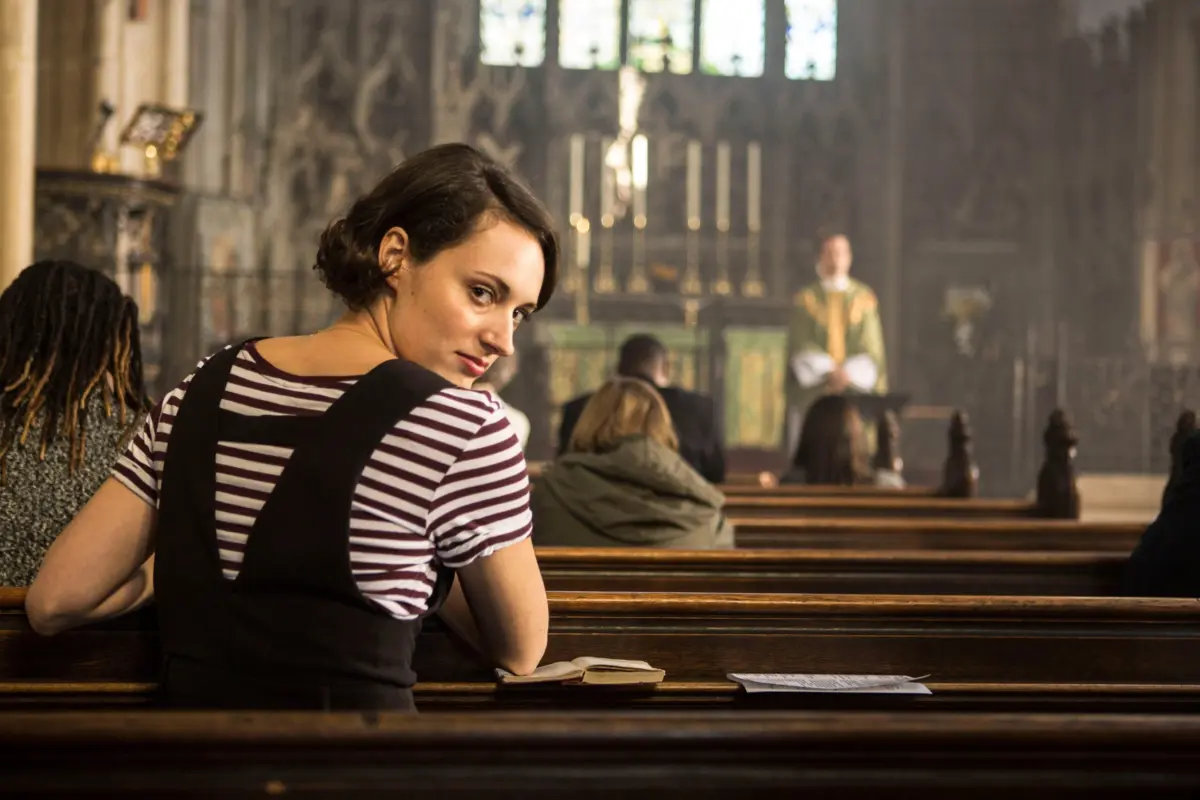
Despite its structural instability, BBC Three has served as an indispensable incubator for British television talent and critically acclaimed drama. The network launched international phenomena such as Phoebe Waller-Bridge’s multi-Emmy-winning dark comedy Fleabag, Sally Rooney’s adaptation Normal People, and the spy thriller series Killing Eve. Under the 2027 plans, programming aimed at the 16-to-34 demographic will continue to be commissioned, but it will live entirely behind the paywall-free digital walls of iPlayer or on ad-supported external platforms like YouTube.
The Demotion of BBC Scotland
Launched in 2019 with a mandate to better reflect modern Scottish life, culture, and current affairs, the BBC Scotland television channel is set to lose its dedicated electronic program guide (EPG) linear slot on television.

While leadership insists the brand will maintain a robust presence on iPlayer and that key Scottish content will be integrated into the schedules of BBC One and BBC Two in Scotland, regional stakeholders view the move as a major institutional downgrade. The loss of the linear channel will result in an initial loss of 10 dedicated broadcasting and operational roles in Scotland, contributing to broader anxiety over the centralisation of media power in London.
The Shift of Radio 4 Extra to BBC Sounds
For lovers of classic comedy, drama, and archive radio, the closure of BBC Radio 4 Extra as a linear broadcast service marks the end of an era for scheduled listening.
The station, which grew out of BBC Radio 7 and has long provided a home for vintage broadcasts of I’m Sorry I Haven’t a Clue, classic Doctor Who audio dramas, and timeless sitcom repeats, will cease broadcasting on digital radio (DAB) platforms in spring 2027. Its extensive catalogue will be folded entirely into the BBC Sounds app, while historical staples like The Daily Service will find transitional homes on BBC Sounds and local radio frequencies.
Supporting Context & Metrics: The £500M Savings Challenge
The structural dismantling of these services cannot be viewed in isolation. It forms part of a multi-year fiscal containment strategy designed to stabilize the BBC’s balance sheet amid systemic funding challenges.
| Metric / Initiative | Detail / Value | Impact on Corporation |
|---|---|---|
| Total Savings Target | £500 million | Must be fully realized by financial year 2028 to balance the budget. |
| BBC News Redundancy Target | ~100 jobs | Immediate downsizing within the newsroom, slated for early 2027 roll-out. |
| BBC Scotland Job Losses | 10 roles (initial phase) | Part of broader regional restructuring across devolved nations. |
| High-Profile Suspensions | DIY SOS "rested" | Long-running renovation show put on indefinite hiatus for 2027. |
| Infrastructure Cuts | The Archers Digbeth studio | Cancellation of bespoke studio development at the Tea Factory, Birmingham. |
The Death of Traditional Broadcast Models
The underlying driver of these cuts is a fundamental generational shift in media consumption. Linear television viewing—particularly among audiences under the age of 45—has plummeted year-on-year as audiences migrate to Subscription Video on Demand (SVOD) services like Netflix, Disney+, and Amazon Prime, as well as short-form video platforms like TikTok and YouTube.
By killing off under-performing or costly-to-broadcast linear channels, the BBC hopes to redirect vital capital toward digital infrastructure, high-end drama commissioning, and AI-driven personalization on BBC iPlayer and BBC Sounds. However, critics argue that abandoning linear broadcasting prematurely disenfranchises millions of elderly, rural, or low-income households who rely on traditional aerial and DAB access and lack reliable, high-speed broadband connections.
Official Statements and Industry Reactions
Scottish Government Outrage
The Scottish Government’s response to the proposed closure of the BBC Scotland television channel was swift and uncompromising.
Scottish Culture Secretary Mairi McAllan issued a scathing public critique, stating:
"The proposal to close the BBC Scotland channel is wholly unacceptable and the Scottish Government opposes it in the strongest possible terms. This represents a significant blow to our media landscape and is the latest example of a long-standing pattern of BBC underinvestment in Scotland."
McAllan continued by questioning the broadcaster’s foundational mandate:

"It raises serious questions about the broadcaster’s commitment to Scottish audiences and the creative sector, and its public service obligations to serve all parts of the UK fairly and equitably. I have set this out directly with the BBC Scotland director and will engage with Ofcom to make clear the significant concerns this proposal raises."
BBC Leadership Defense
Defending the cuts in an internal note to anxious staff members, BBC Director General Matt Brittin emphasized that the corporation had no choice but to adapt to fiscal realities:
"We need to make every pound work harder for audiences as we respond to the immediate cost pressures and reinvent the BBC for a changing world. We all know that means tough choices."
Brittin sought to reassure both staff and viewers that content creation would not cease entirely, noting:
"Much of the great content they currently carry will still be found where audiences already enjoy them on iPlayer and Sounds. While this follows media speculation, I recognise the confirmation of this news will be hard for audiences and colleagues."
Creative and Regional Blowback
Independent producers and regional creatives have voiced profound alarm over the compounding nature of the cuts. The decision to halt the construction of a bespoke studio for The Archers at the Tea Factory in Digbeth, Birmingham, has been interpreted by many in the UK creative industries as a betrayal of the BBC’s long-standing pledge to decentralize production away from London.
Similarly, the decision to "rest" the heartwarming community renovation program DIY SOS has signaled that even high-rating, long-standing mainstream entertainment formats are no longer safe from the budgetary axe.
Future Outlook: What Lies Ahead for the BBC
As the BBC prepares to implement these historic service closures by the spring of 2027, the coming months promise intense scrutiny from media regulators, parliamentary committees, and labor unions.
Key Milestones on the Horizon:
- Early Next Year: Newly appointed Director of BBC News Rachel Jupp is scheduled to outline a comprehensive roadmap for the remaining newsroom savings, which are expected to detail precisely where the 100 job cuts will fall across domestic and international operations.
- Spring 2025 – 2026: Other divisions—including Local Broadcasting, Children’s, and BBC Sport—will finalize and announce their own localized cost-cutting blueprints.
- Ofcom Intervention: The Scottish Government’s formal engagement with Ofcom will test the regulatory framework governing the BBC’s public service remit, potentially forcing the corporation to defend its regional commitments during its upcoming mid-term charter review.
- The 2027 Transition: As the physical broadcast signals for BBC Three, BBC Scotland, and Radio 4 Extra go dark, the corporation will face its ultimate stress test: proving that its digital-first audience migration strategy can retain viewers without eroding the universal social contract that has defined British public broadcasting for a century.