Executive Overview
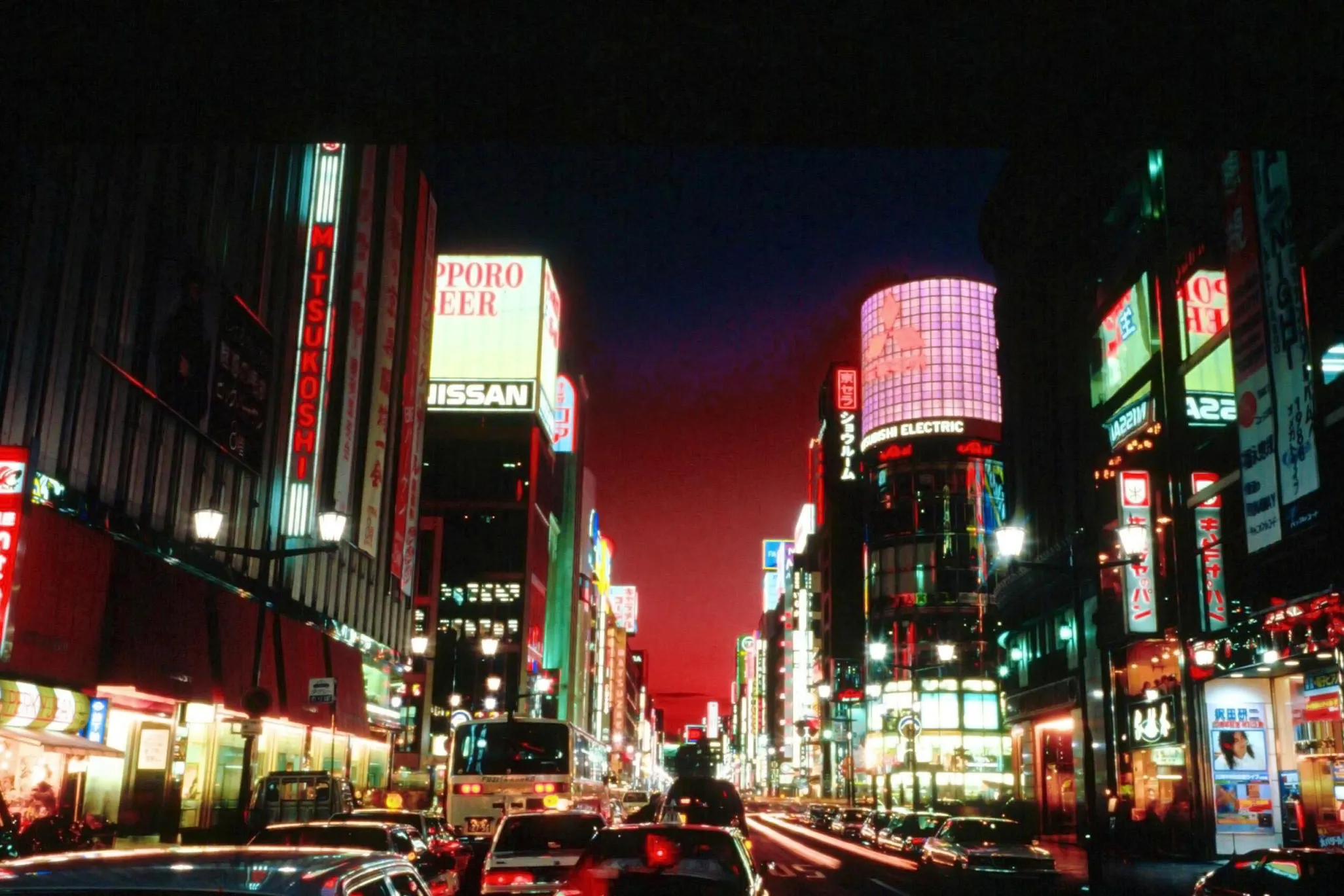
To understand Japanese city pop is to step inside a meticulous, architectural illusion. Picture sun-soaked, geometric vistas stretching out unmarred, where artificially perfect palm trees stand sentinel against an impossibly blue sky. Neon signs glow in iridescent shades of bubblegum pink and electric cyan, skyscrapers stretch endlessly into the twilight, and litter-less freeways lead toward an urban existence of unmatched romance and possibility.
More so than almost any other genre in modern music history, "city pop" transcends simple auditory categorization. It is an era, an aesthetic, a vibe, a feeling, and—for an increasingly obsessed global populace—a complete lifestyle. It is an enigma of compelling dualities: it can be simultaneously quaint and deeply aspirational, shallow yet profoundly melancholic, retro and dizzyingly futuristic. It belongs to a time and a place that most Western fans will never experience firsthand—an economic bubble-era Tokyo that perhaps never truly existed in physical reality, but lives on eternally in the grooves of vinyl records.
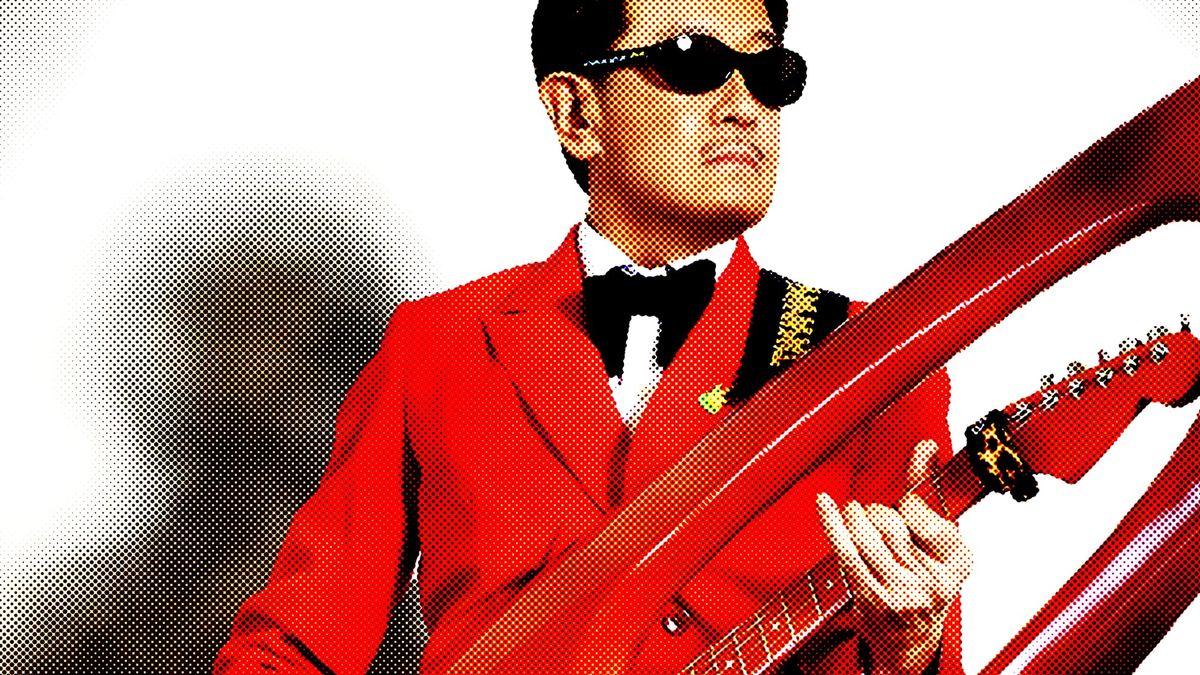
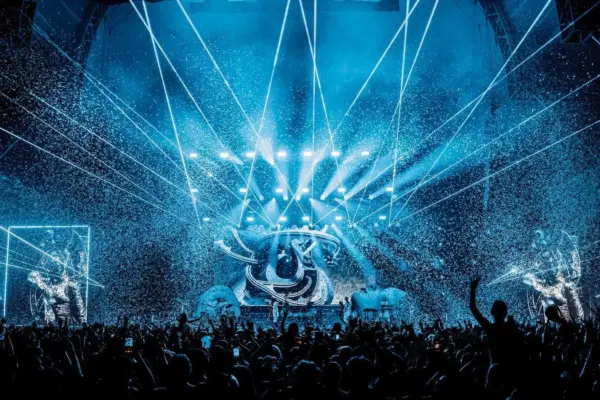
This global cultural revival reaches a monumental watershed moment in August 2026, when legendary guitar virtuoso Masayoshi Takanaka headlines City Pop Waves at the Crystal Palace Bowl—London’s first-ever outdoor festival dedicated entirely to the genre. Today, a new generation of international audiophiles and diggers treats Takanaka not merely as a relic of the past, but as an absolute pioneer of the sound.
To celebrate this unprecedented cultural resurgence, Rough Trade Nottingham’s resident specialist Jono Beard has curated an exhaustive chronological journey through ten essential Japanese city pop albums. From Takanaka’s breezy tropical masterwork Seychelles to cult-status underground favorites by Taeko Ohnuki, Haruomi Hosono, Junko Yagami, and beyond, this feature examines the sonic architecture of a movement that continues to conquer the world decades after its inception.
Supporting Context & Metrics: The Evolution of a Sound
For music historians and hardcore devotees of Japanese music, the very term "city pop" can be a point of polite contention. During its late-1970s and 1980s heyday, the movement was generally classified domestically as "New Music." This sophisticated domestic wave began with an underground collective of forward-thinking singers, musicians, and songwriters deeply influenced by Western folk music of the 1960s. Over time, these artists aggressively expanded their sonic palette, absorbing jazz, funk, soul, disco, boogie, and cutting-edge synth-pop.
By the late 1970s, as Japan’s economic miracle roared forward and the nation boasted the second-largest music market in the world, the term "city pop" was officially coined to commercialize and distinguish this sleek, cosmopolitan soundscape. Japan was awash in capital, confidence, and cutting-edge recording technology, allowing producers and session musicians to craft records with an immaculate, expensive sheen that few Western productions could match.
Though the global internet age eventually rediscovered these forgotten masterpieces via YouTube algorithms and vaporwave offshoots, the sheer volume of high-caliber art produced during this period remains staggering. With Japan’s music industry operating at peak capacity, hundreds of world-class records were pressed, many of which languished in obscurity for decades before international vinyl hunters brought them back into the daylight.
Detailed Chronology: Ten Essential Masterpieces
1. Masayoshi Takanaka – Seychelles (1976)
Released in the shimmering summer of 1976, Seychelles is a quintessential release and one of the earliest foundational pillars of the genre (narrowly pipped to the commercial post by seminal records like Sugar Babe’s Songs). While Takanaka’s technical mastery often aligns his work with jazz fusion and instrumental rock—with soaring, virtuosic guitar lines heavily reminiscent of Carlos Santana—his overarching aesthetic shares DNA with city pop.
Vibrant, breezy, funky, and unapologetically tropical, Seychelles arguably codified much of the vibe that the world would come to associate with the movement. Much like American yacht rock, these songs are light, effortless to digest, and driven entirely by elite musicianship. Takanaka’s intricate, sun-drenched arrangements showcase an artist fully formed as a master auteur right out of the gate.
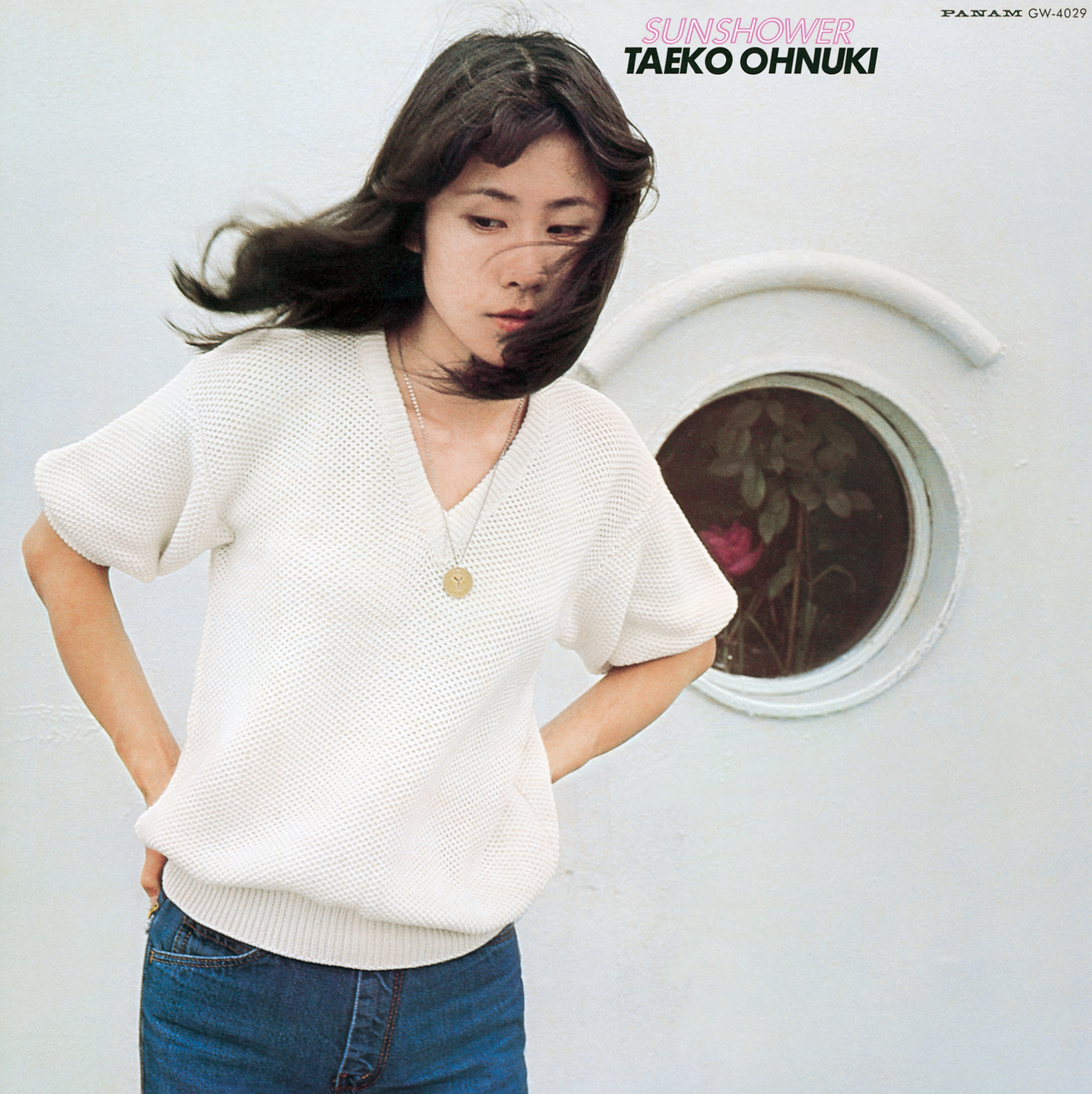
2. Taeko Ohnuki – Sunshower (1977)
As a founding member of the aforementioned group Sugar Babe, Taeko Ohnuki immediately capitalized on her early critical acclaim (following her 1976 solo debut, Grey Skies) with her sophomore masterwork, Sunshower, in 1977.
Having achieved international cult acclaim outside Japan for well over a decade, Sunshower straddles the fence between the late-stage "New Music" era and the hyper-commercial, funk-inflected sound that would dominate the 1980s. The intricate funk arrangements—crafted by a pre-Yellow Magic Orchestra Ryuichi Sakamoto—are perfectly juxtaposed against Ohnuki’s vocals: pure, airy, and possessing an unusual, quirky tone that steers clear of standard sensual tropes. Sakamoto also contributes the haunting, rippling synthesizers on the eerie penultimate track, Sargasso Sea.
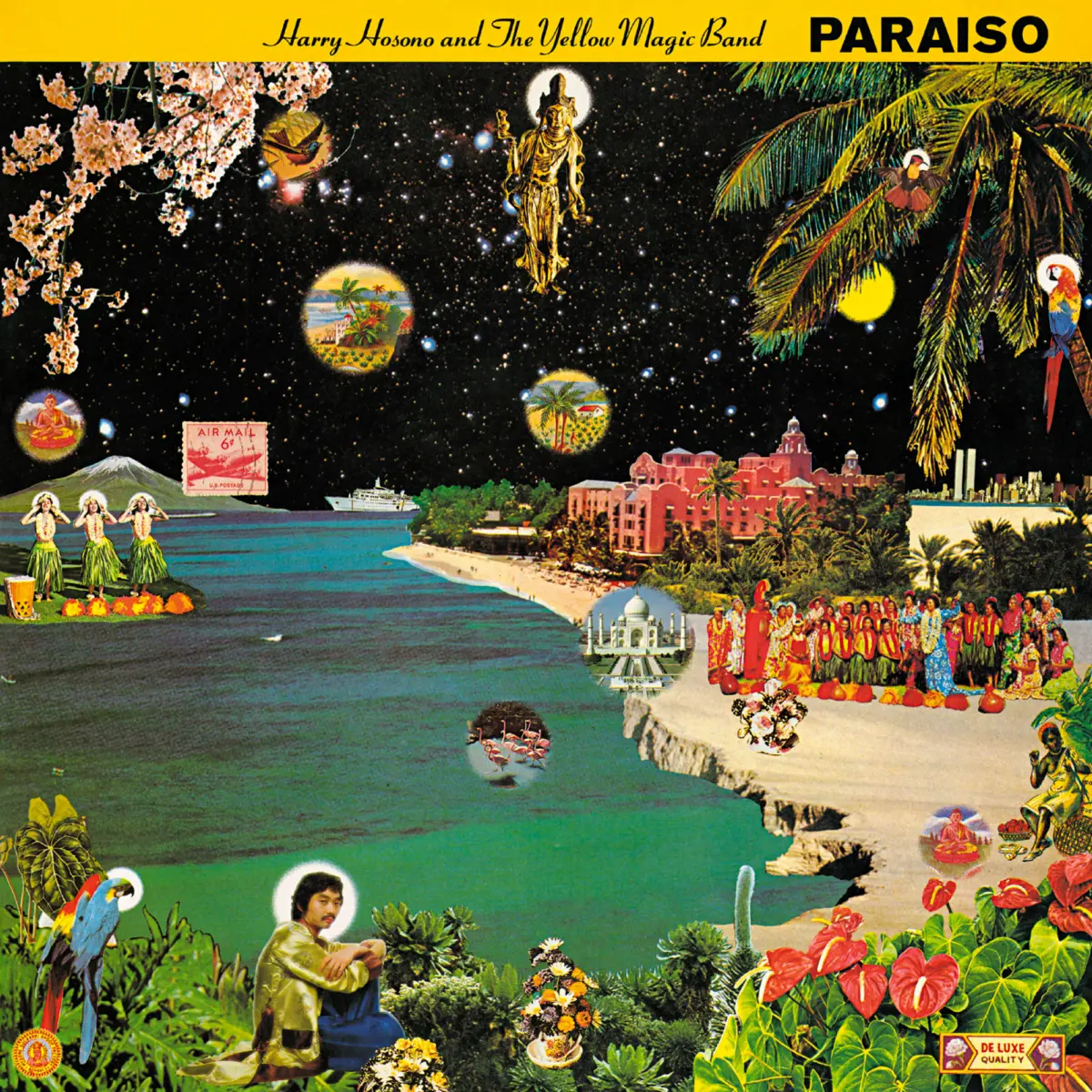
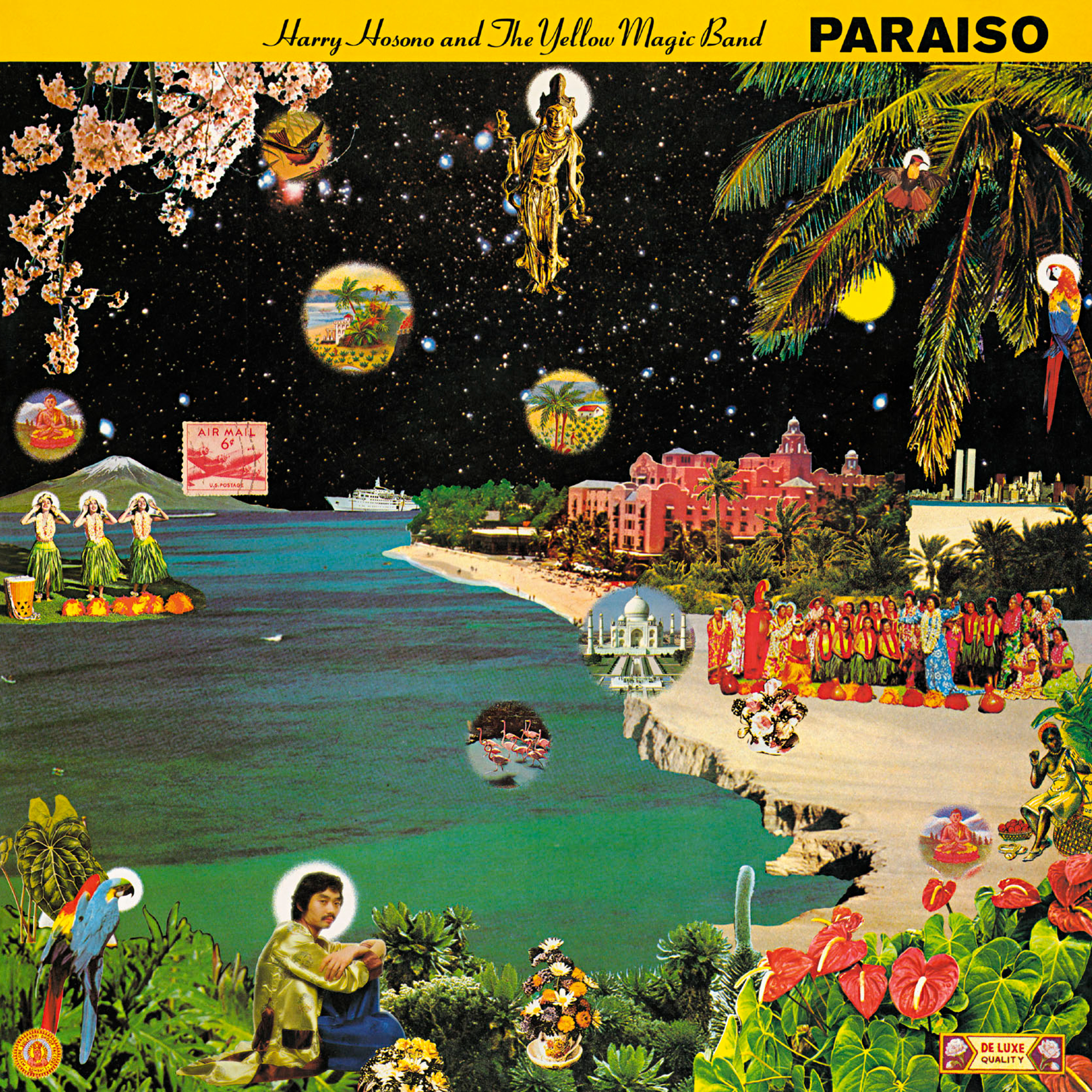
3. Haruomi Hosono – Paraiso (1978)
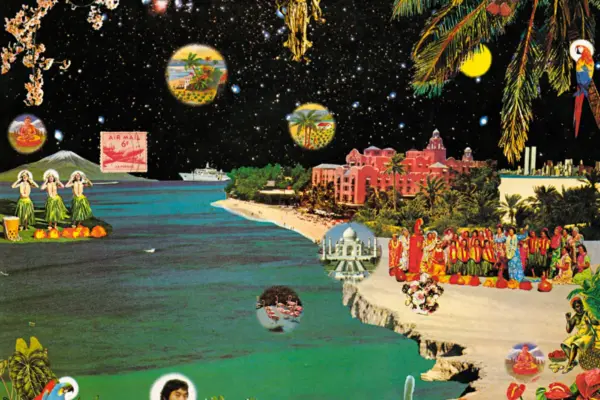
Easily one of the more eccentric releases in the city pop canon, Haruomi Hosono’s Paraiso leans into the playful, psychedelic weirdness that often colors Western perceptions of Japanese pop culture. Yet, above all else, it remains a supremely joyous and uplifting listen. It offers a far more psychedelic combination of exotica and tropicalia than traditional city pop usually provided, bringing to mind something akin to Little Feat fronted by Bill Withers and produced by mid-century lounge maestro Les Baxter.
As a pioneering multi-instrumentalist, producer, and founding member of both Yellow Magic Orchestra and Happy End, Hosono’s sprawling artistic footprint continues to reverberate across modern electronic and pop music.
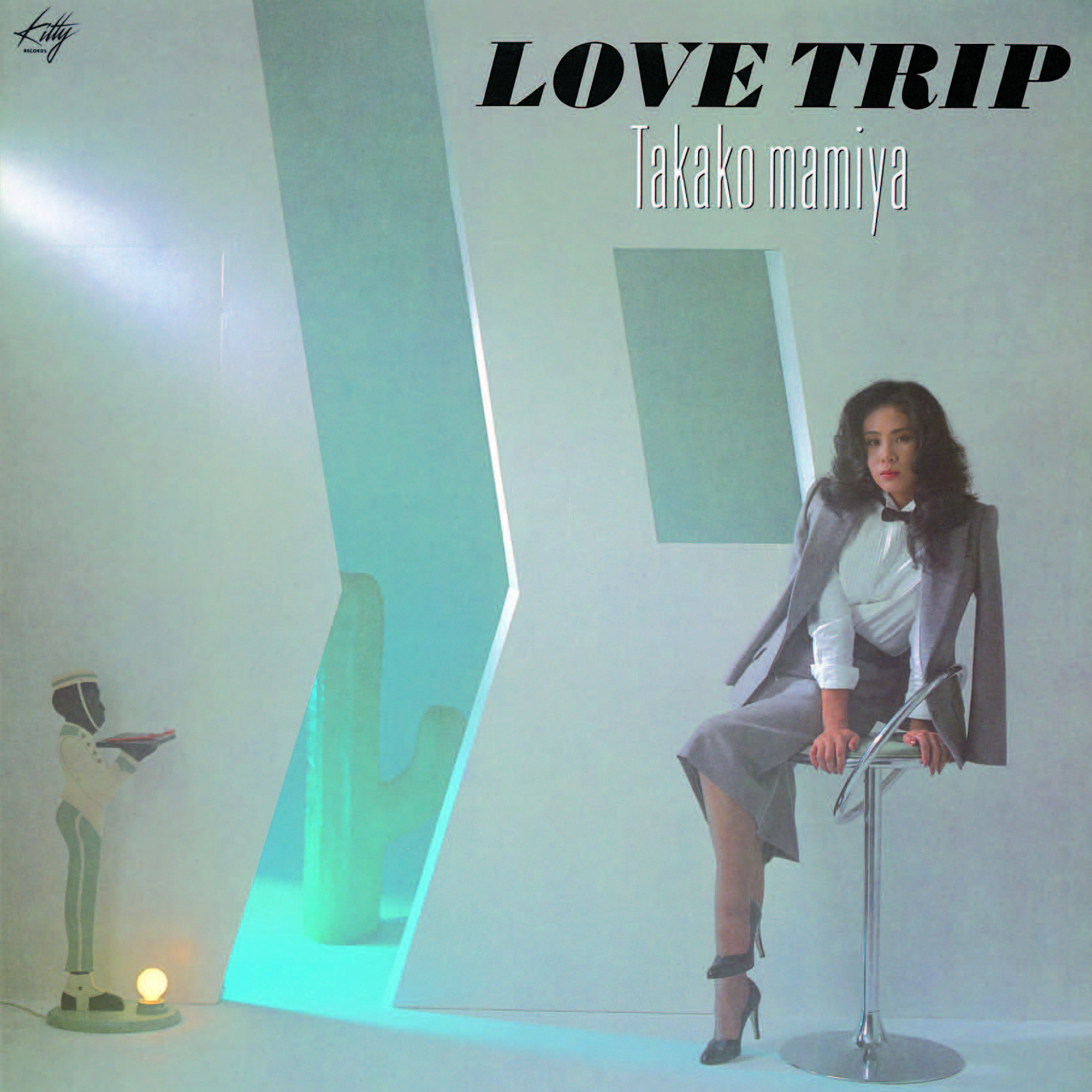
4. Takako Mamiya – Love Trip (1982)
From its effortlessly classy sleeve art to the iconic Kitty Records center label, everything about Love Trip telegraphs "instant cult classic." Factor in the enigmatic mythology of Mamiya herself—who stepped away from the industry after releasing this single, solitary solo album—and you have the ultimate internet-era music legend.
Musically, Love Trip easily backs up the digital hype. Existing at the hyper-sophisticated intersection of city pop, sophisti-pop, and smooth jazz, these tracks would slide seamlessly onto a playlist alongside Roxy Music’s Avalon, Randy Crawford’s Secret Combination, or Everything But The Girl’s The Language Of Life. It is opulent, melancholic, and steeped in luxurious yuppie ennui.
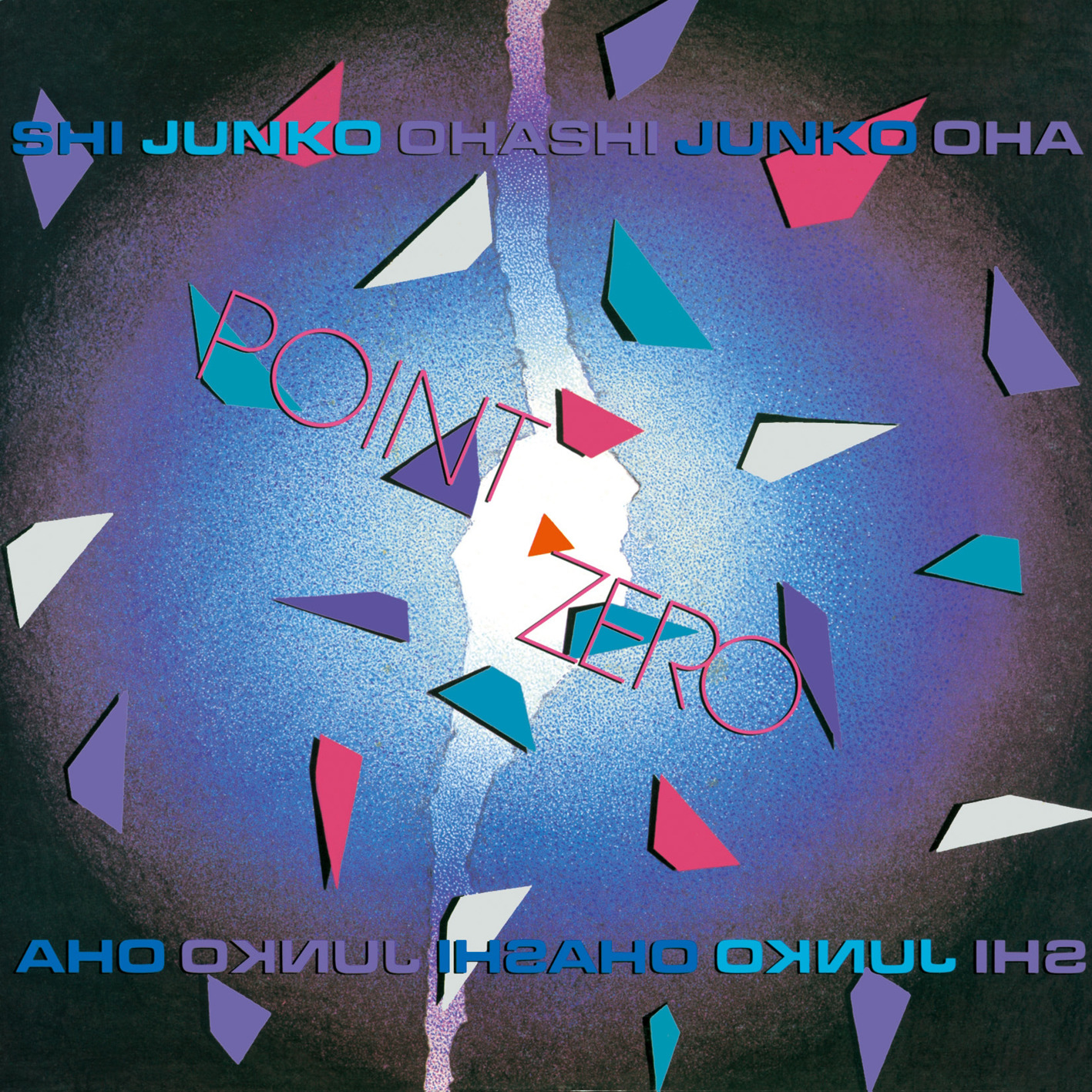
5. Junko Ohashi – Point Zero (1983)
While Junko Ohashi is perhaps best known to casual fans via her sweeping career compilation Magical, true diggers recognize her 11th studio album, Point Zero, as her crown jewel. Recorded in New York City alongside American session royalty, Point Zero is a kaleidoscopic, daring post-disco record.
It is brilliantly bookended by the gold-standard boogie anthem Dancin and the outrageously catchy closer Sugao no Mama de (arguably one of the greatest city pop tracks ever committed to tape). Meanwhile, futuristic cuts like Sensual Night prove Ohashi and her production team were working years ahead of their contemporaries.
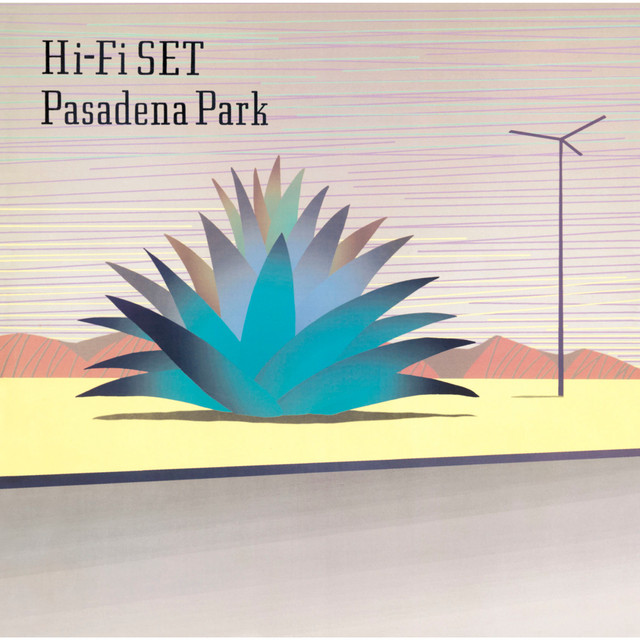
6. Hi-Fi Set – Pasadena Park (1984)
Rising from the ashes of the folk-oriented vocal group Akai Tori (The Red Birds), Hi-Fi Set pivoted toward lush close vocal harmonies backed by jazz-funk rhythms and a dash of theatrical sheen, not unlike America’s Manhattan Transfer.
By 1984, their sound had evolved into the decadent, high-gloss sophisti-pop that came to define the mid-80s Japanese metropolis. Featuring minimalist Japanese-Americana sleeve art and arrangements that recall a cross-pollination between Swing Out Sister and The Carpenters, Pasadena Park stands as an archetypal textbook example of the genre.
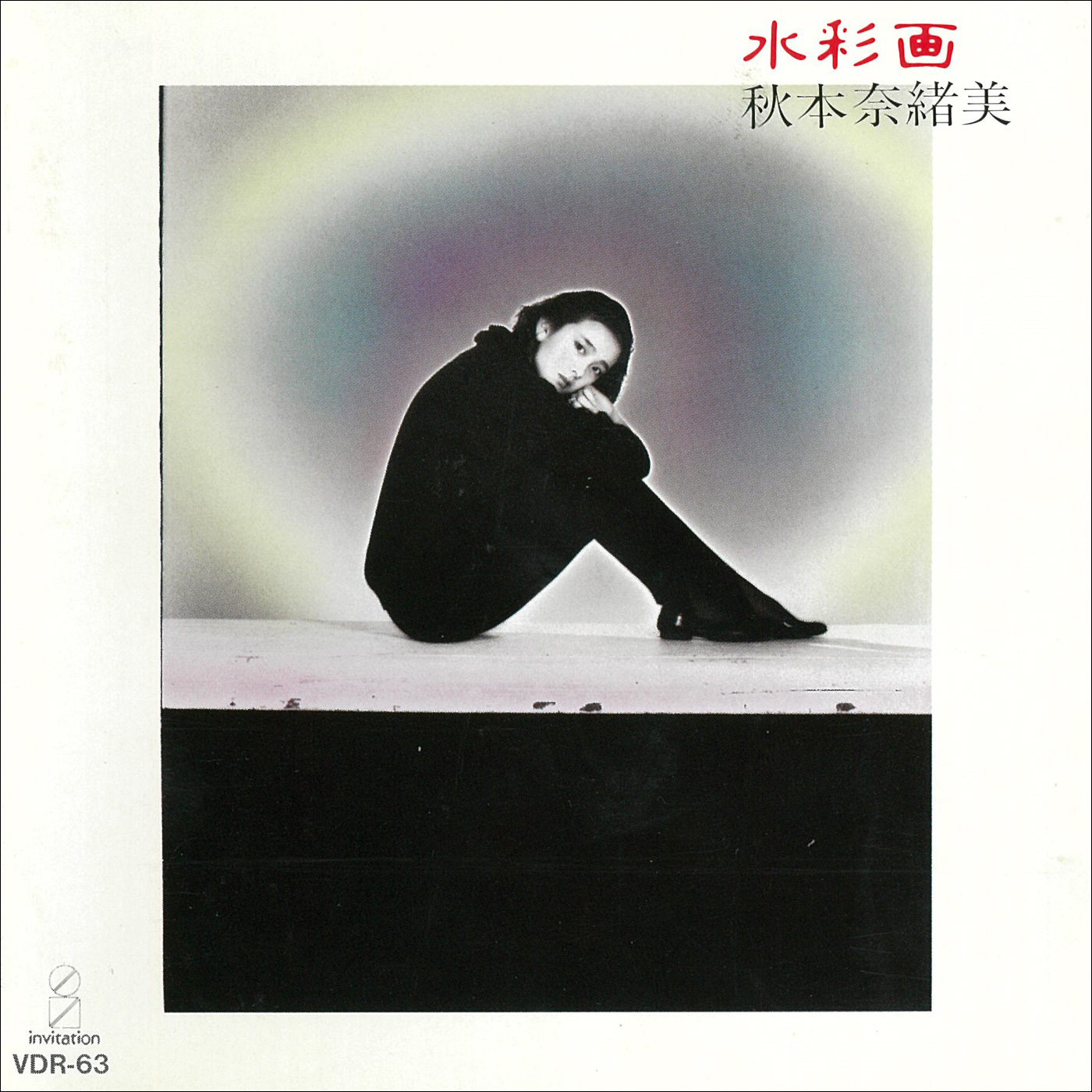
7. Naomi Akimoto – Suisaiga (1984)
While Naomi Akimoto’s name rings bells in dedicated collector circles, her 1984 LP Suisaiga (translating to "Watercolour Painting") remains criminally underrated and startlingly unique.
The sonic landscape of the record defies easy description. Imagine a stripped-down dub mix of Jennifer Rush’s The Power of Love—minus the bass, minus the traditional instrumentation, leaving only sweeping synthesizers, heavily processed drum machines, bottomless pools of reverb, and restrained, ghostly vocals. It eschews the typical sunlit funk of city pop entirely, offering instead an ethereal, twilight-drenched precursor to modern alternative R&B.
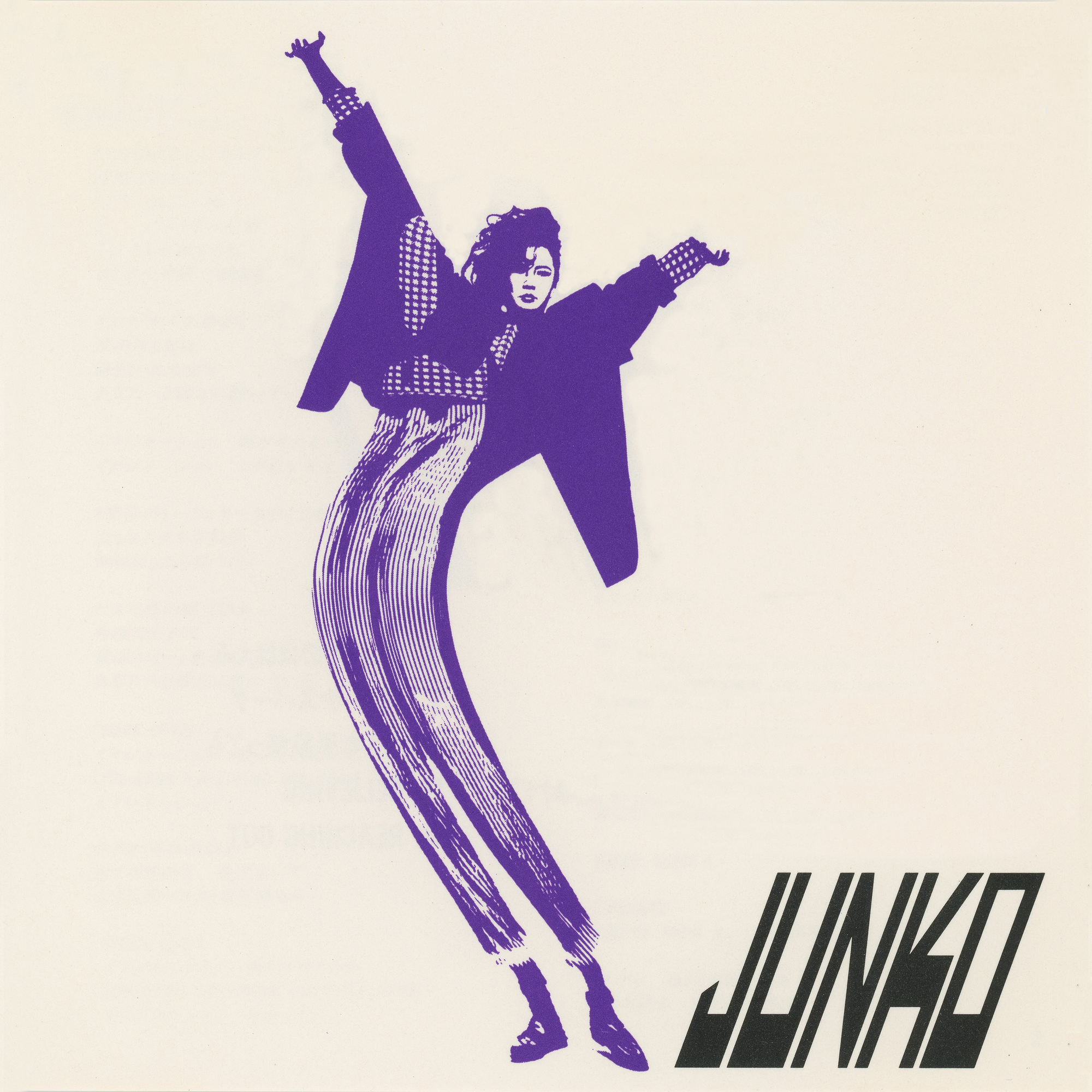
8. Junko Yagami – Communication (1985)
Junko Yagami’s discography is so packed with brilliance that albums like The Best, Lonely Girl, and Full Moon could all easily stake a claim for greatness. However, Communication remains her most compositionally cohesive full-length statement.
Marking her debut on Moon Records after leaving Discomate, Communication aggressively modernized Yagami’s sound, steering her into digital, high-energy synth-funk and Hi-NRG territory. From its eccentric, Jean-Paul Goude-inspired album cover to the Madonna-esque title track and the electronic reggae-pop fusion of Johannesburg, the album is an interstellar joyride through an idealized, futuristic Tokyo.
9. Rajie – Espresso (1985)
Emerging from the initial 1970s singer-songwriter wave, Rajie crafted several orthodox city pop records earlier in her career. However, her seventh and final studio album, Espresso, marked a dramatic shift.
With Espresso, Rajie effectively invented a uniquely Japanese, wintry variation of dream pop, predating Akina Nakamori’s celebrated Fushigi by a full year. The essential genre markers are all present: breathy, otherworldly vocals, lush synthesizers, chorus-drenched guitar lines, and a heavy wash of atmospheric reverb. Lighter and more accessible than its contemporaries, it remains a haunting, beautiful footnote to the era.
10. RA MU – Thanks Giving (1988)
For veteran fans wondering where the ubiquitous Momoko Kikuchi might appear on this list, her ultimate artistic statement arrived via the short-lived supergroup RA MU (a transliteration of the Japanese romaji for l’amour).
Fronted by Kikuchi alongside powerhouse American backing vocalists Rosalyn Renee Keel and Darelle-Foster Holden—whose voices powered thousands of 1980s Japanese records—RA MU combined Kikuchi’s signature breathy whisper with world-class soul harmonies. Driven by bright, sparkling production heavily indebted to American R&B and New Jack Swing, Thanks Giving is an irresistible, high-water mark of late-bubble excess.
Official Statements & Curatorial Insight
Reflecting on the monumental task of narrowing an entire musical movement down to just ten records, Rough Trade Nottingham’s Jono Beard acknowledges the titanic omissions inevitable in such an exercise:
"Now, I know what you must be thinking. Where’s Ride On Time by Tatsuro Yamashita? No Anri or Miki Matsubara whatsoever?! No Spectrum?! I sincerely apologize. There were countless albums and artists I wanted to write about but simply didn’t have the space for… I can scarcely believe I haven’t talked about EPO, Minako Yoshida, Tomoko Aran, or Hitomi Tohyama, not to mention Yuming or the countless 90s revival acts."
Despite these omissions, Beard emphasizes that the current landscape for fans of the genre has never been more welcoming:
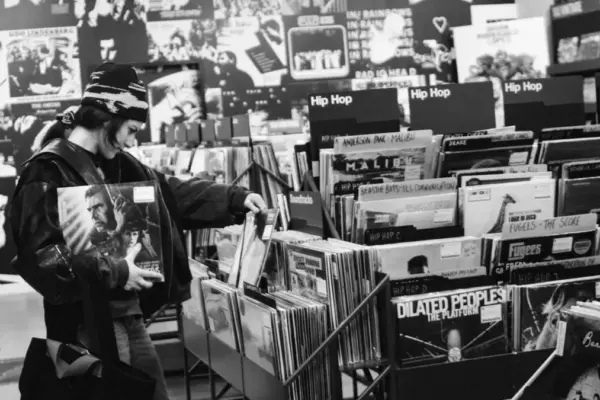
"The great thing for anyone getting into city pop these days is that it’s becoming easier than ever to find on vinyl outside of Japan. Thanks to the tireless efforts of record companies and distributors who are importing and repressing these treasures at an unprecedented rate to meet surging global demand, the music is finally accessible to all."
Future Outlook: The Global Resurgence in 2026 and Beyond
As the calendar turns toward the landmark City Pop Waves festival at the Crystal Palace Bowl in August 2026, it is clear that Japanese city pop has outgrown its status as a niche internet phenomenon. What began as a decentralized digital excavation by Western crate-diggers and meme-makers has matured into a fully validated, globally respected musical canon.
With major international record retailers regularly securing exclusive represses, and legendary artists like Masayoshi Takanaka commanding massive festival headlining slots across European capitals, the aesthetic of the concrete paradise has truly conquered the globe. The economic bubble of 1980s Tokyo may have burst decades ago, but thanks to passionate archivists, independent record stores, and a timeless devotion to peerless musicianship, the sunlit grooves of city pop will keep shining indefinitely.