Executive Overview: The Continental Rock Juggernaut at a Crossroads
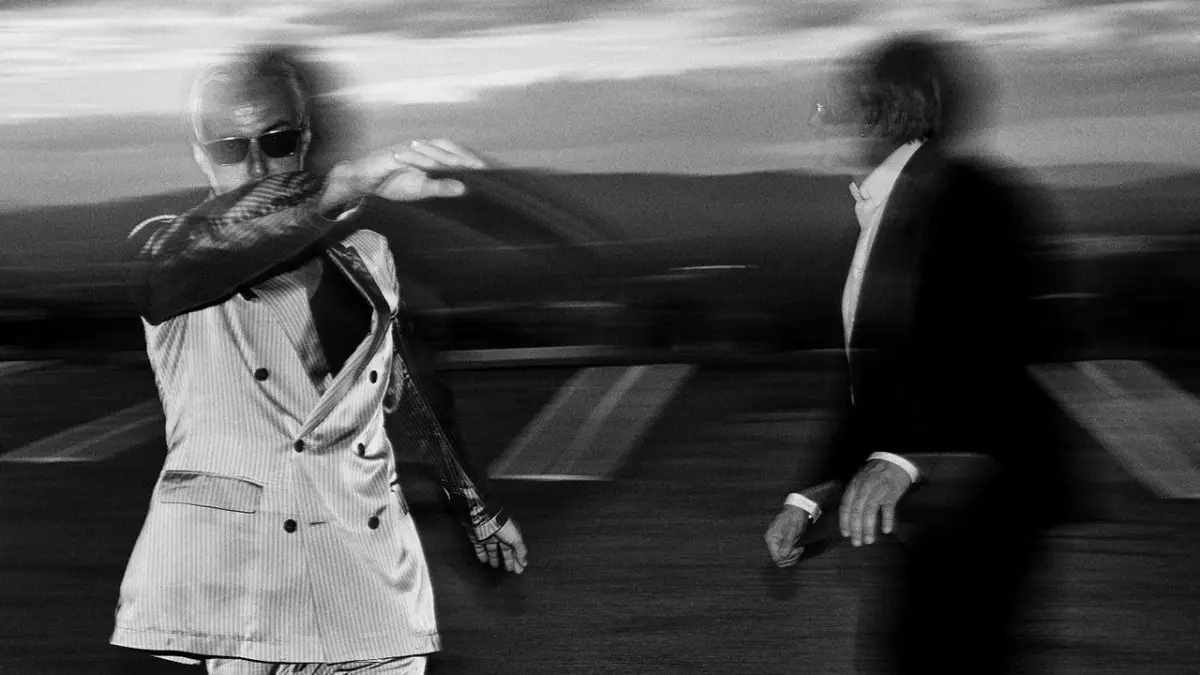
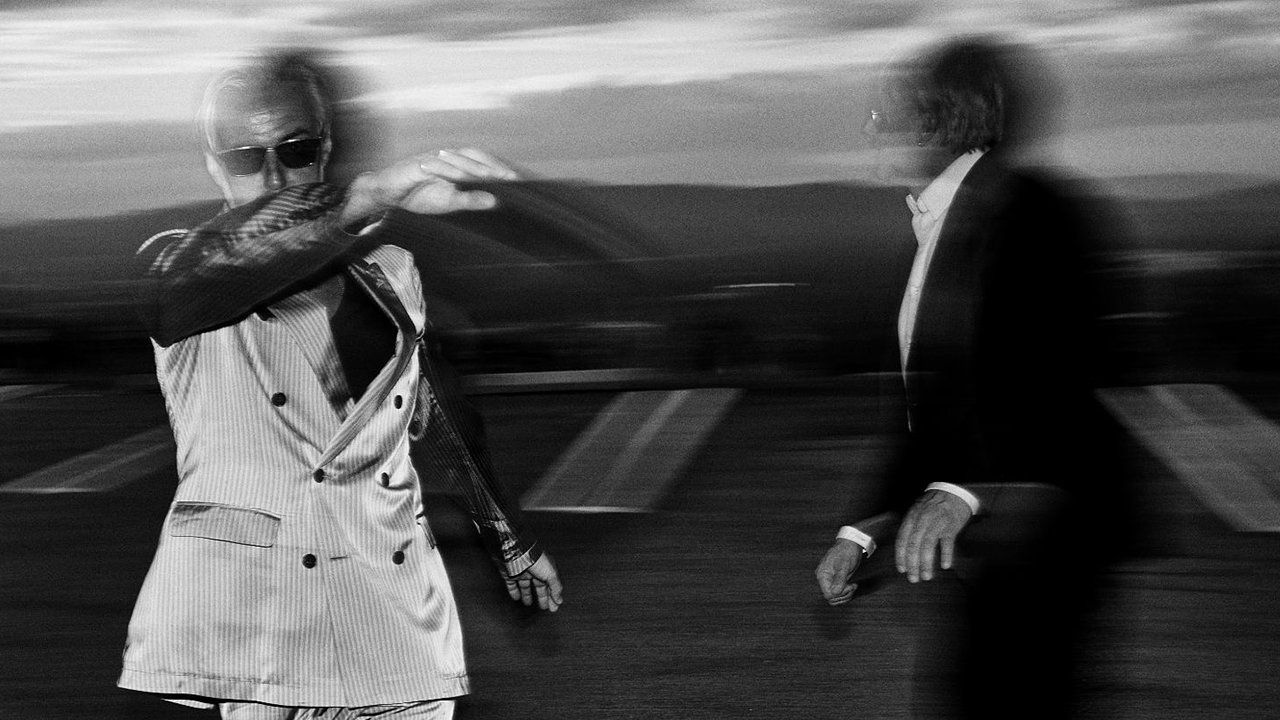
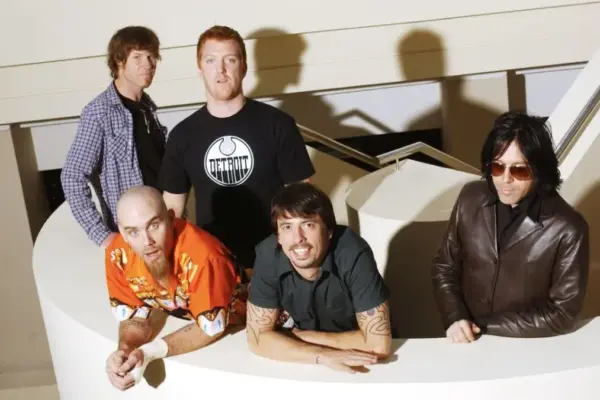
For over two decades, Belgian rock outfit Triggerfinger has occupied a rare rarefied space in European music. Revered across mainland Europe for their razor-sharp tailoring, swaggering stage presence, and a sonic output best described as a high-octane fusion of blues-tinted stoner rock and seductive groove, the band has achieved legendary festival status. They belong to a rare tier of live acts capable of filling stadium-sized voids on a moment’s notice—a reputation famously cemented when they stepped in for the Foo Fighters at the prestigious Pinkpop Festival to widespread critical acclaim.
Yet, despite their overwhelming dominance across the Benelux region, Germany, and France, Triggerfinger has remained one of rock music’s most tantalizing secrets in the United Kingdom and North America. Now, returning with their sixth studio album, Tarmac (releasing September 18 via Sony Music/Hufter), co-founders Ruben Block (vocals/guitar) and Mario Goossens (drums) are preparing to alter that narrative.
Tarmac arrives not merely as another entry in a storied discography, but as a crucial watershed moment for the group. Crafted amidst profound personal loss—most notably the passing of their long-time bassist Paul "Monsieur Paul" Van Bruystegem—the record balances heavy, hypnotic, Queens Of The Stone Age-adjacent riffs with poignant reflections on mortality, parenthood, and transience. As the duo navigates this transitional era, Tarmac serves as both an emotional landing pad and a launchpad for Triggerfinger’s next global push.
Detailed Chronology: From Antwerp Underground to Mainstage Royalty
Understanding Triggerfinger’s present requires tracing the precise evolutionary steps that elevated a trio from Antwerp into a continental powerhouse.
+-----------------------------------------------------------------------------------+
| CHRONOLOGY OF TRIGGERFINGER'S EVOLUTION                                           |
+-----------------------------------------------------------------------------------+
| 1998        | Band formed in Antwerp by Ruben Block, Mario Goossens, and original  |
|             | bassist Wladimir Geels.                                             |
| 2003        | Paul Van Bruystegem ("Monsieur Paul") joins as permanent bassist,    |
|             | establishing the classic trio lineup.                              |
| 2004        | Release self-titled debut album 'Triggerfinger' via Blue Milk.      |
| 2008–2010   | Release 'What Grabbed Ya?' (2008) and 'All This Dancin' Around'     |
|             | (2010), achieving multi-platinum sales in Belgium & Netherlands.    |
| 2012        | Live acoustic cover of Lykke Li's "I Follow Rivers" becomes a major  |
|             | European cross-genre hit, topping charts across the continent.     |
| 2015        | Step in for Foo Fighters at Pinkpop Festival, solidifying their      |
|             | status as premier European festival headliners.                     |
| 2017        | Release 'Colossus', recorded at Sunset Sound in Los Angeles.        |
| 2023        | Writing sessions for sixth album begin; bassist Paul Van           |
|             | Bruystegem formally steps back due to declining health, later      |
|             | passing away.                                                       |
| Sept 2024   | Official worldwide release of 'Tarmac' via Sony Music/Hufter.       |
+-----------------------------------------------------------------------------------+
The Formative Era and Rhythmic Foundation (1998–2003)
Triggerfinger coalesced in Antwerp in 1998, driven by vocalist/guitarist Ruben Block and drummer Mario Goossens. Seeking a sound that combined the swampy garage blues of Howlin’ Wolf with the crushing volume of modern hard rock, the band spent years refining their craft in intimate European clubs. The arrival of bassist Paul Van Bruystegem in 2003 finalized their signature dynamic: an unyielding, suit-and-tie trio delivering wall-of-sound rock with theatrical precision.
The Continental Breakthrough (2008–2015)
With the release of All This Dancin’ Around (2010), Triggerfinger broke out of club circuits into major European arenas. Their mainstream breakthrough took an unexpected turn in 2012 when a impromptu, cup-and-knife acoustic performance of Lykke Li’s "I Follow Rivers" on Dutch radio exploded into a European chart-topping phenomenon.
Far from letting the pop cover define them, the band channeled this visibility into their live shows. By 2015, when Dave Grohl’s broken leg forced the Foo Fighters to pull out of Pinkpop, Triggerfinger stepped into the headline slot seamlessly, winning over 60,000 festival-goers and cementing their reputation as live performers.
The Creation of Tarmac and Tragedy (2023–Present)
In early 2023, Block and Goossens reconvened to begin writing material for their long-awaited sixth studio album. However, the creative process was shadowed by the worsening health of Van Bruystegem, who had opted to retire from intensive touring to live life entirely on his own terms. His subsequent death marked the end of an era for the group, forcing Block and Goossens to absorb the loss directly into the DNA of the new material. The result, Tarmac, stands as their most musically expansive and lyrically vulnerable work to date.
Supporting Context & Metrics: Decoding the European Transatlantic Divide
The disparity between Triggerfinger’s massive continental footprint and their understated presence in English-speaking markets offers a fascinating study in modern music distribution and media dynamics.
+-----------------------------------------------------------------------------------+
| METRIC COMPARISON: CONTINENTAL EUROPE VS. UK/US MARKETS                           |
+-----------------------------------------------------------------------------------+
| Metric                        | Continental Europe (Benelux/DE/FR) | UK & US      |
+-------------------------------+------------------------------------+--------------+
| Album Chart Positions         | Consistent Top 3 (Multiple #1s)    | Indie/Import |
| Venue Capacities              | 5,000 - 15,000 (Arenas/Festivals)  | 500 - 1,500  |
| Mainstream Radio Airplay      | High Rotation (Public & Commercial)| Niche Rock   |
| Festival Slotting             | Headliner / Sub-Headliner          | Afternoon    |
+-----------------------------------------------------------------------------------+
The "QOTSA Effect" and Musical Architecture
Musically, Triggerfinger operates in a sonic territory heavily influenced by American desert rock—pioneered by Queens Of The Stone Age and Kyuss—yet infused with a distinctive European elegance. Their arrangements rely on heavy drop-tunings, swinging shuffle beats, and falsetto vocal hooks.
Where many contemporary hard rock bands rely on sheer compression and digital distortion, Triggerfinger utilizes space, dynamic swing, and vintage tube amplification. This approach has earned them praise from rock royalty, including support slots for The Rolling Stones, where their emphasis on rhythm and swing over brute force aligned perfectly with classic British blues-rock traditions.
Official Statements & In-Depth Band Dialogue: Life, Loss, and ‘Tarmac’
In a series of reflective conversations surrounding the release of Tarmac, Ruben Block and Mario Goossens opened up about the emotional weight of their new material, the mythos of tour bus survival, and the irreplaceable legacy of Paul Van Bruystegem.
On the Creative Birth of Tarmac
Musicians frequently resort to metaphors when describing the grueling process of creating an album, but for Mario Goossens, the comparison to childbirth remains surprisingly accurate.
Mario Goossens: "Actually, it is [like giving birth], because you live with it for such a long time. We started writing Tarmac in 2023. You become so attached to it. It’s addictive. Then suddenly it’s not yours anymore. It’s out there in the world, and everyone has an opinion about it."
Frontman Ruben Block expanded on the thematic depth of the album’s title, explaining that Tarmac symbolizes the literal and metaphorical crossroads the band faced during its production.
Ruben Block: "This album is not a one-trick pony. We write about life, the joyous and tragic events. Taking care of your parents and them passing away. Having kids of your own who start finding their way in life. That’s why we thought Tarmac was a good title. It’s both a landing place and a place to depart from."
+-----------------------------------------------------------------------------------+
| THEMATIC DUALITY OF 'TARMAC'                                                      |
+-----------------------------------------------------------------------------------+
| LANDING PLACE (Reflection)             | DEPARTURE POINT (Forward Motion)         |
+----------------------------------------+------------------------------------------+
| • Processing grief & parental loss     | • Embracing a new band identity          |
| • Honoring Paul Van Bruystegem's legacy| • Sonically venturing beyond traditional  |
| • Accepting life cycles & aging        |   blues-rock boundaries                  |
|                                        | • Exporting the sound to international   |
|                                        |   audiences                              |
+-----------------------------------------------------------------------------------+
Remembering Paul "Monsieur Paul" Van Bruystegem
The shadow of late bassist Paul Van Bruystegem hangs over Tarmac. Known for his towering physique, sharp sartorial choices, and larger-than-life personality, Van Bruystegem lived with an intensity that left an indelible mark on the band.
When asked about the strict touring rules that govern life on the road—and who was most likely to break them—the conversation naturally turned to their late bandmate.
Goossens: "Number one rule on the tour bus? Don’t have a shit. But that’s the rule on every tour bus… We didn’t break it, but we had a band member before who probably did."
Block: "Breaking rules was his number-one goal when he got up in the morning. Paul was someone who lived very intensely. He was a big guy, so he could take more of everything than a regular person. He could take six or seven instead of one. He lived at two hundred miles an hour, and it was pretty exciting to be in his slipstream. But he basically used everything up, starting with his own body."
Goossens: "His death last year hit us hard, of course. But he chose it. Even when he quit the band—before he got really ill—he told us: ‘I’m gonna go for it, even if it costs me two years of my life.’ So what could we say?"
Influences, Groove, and Lessons from The Rolling Stones
Despite critical comparisons to stoner rock icons and blues legends, Block remains notoriously reluctant to credit specific influences during the writing process, fearing it compromises the authenticity of their output.
Block: "I usually don’t know where it comes from. And I don’t want to know. You listen to music, watch movies, read books or articles, you put all of it in your backpack. It’s also a bit dangerous to start by saying, ‘Let’s make a song like Bowie, or Howlin’ Wolf.’ It would demotivate me right away, because that music is so great."
When asked about the sensuality frequently attributed to their sound—with critics often observing that Triggerfinger’s heavy riffs "sound like sex"—Block greeted the assessment with characteristic understated wit.
Block: "Well, there are worse things that music can do to you."
This focus on rhythm and movement over volume was reinforced during their arena support dates with rock icons The Rolling Stones.
Block: "I was amazed at how light they played. They started the show and Charlie [Watts]’s playing was so light and bouncy, and Mick’s shoulders are moving… It was amazing to hear how groovy it all is. Even the loudest bands we like, they also have the roll, y’know? Even if you listen to the early Slayer records, it’s frickin’ groovy stuff, man. So that’s what we go for."
Future Outlook: Navigating the Next Chapter
As Tarmac arrives via Sony Music/Hufter, Triggerfinger stands at a pivotal juncture. The loss of Van Bruystegem fundamentally altered the trio dynamic that defined them for two decades, requiring Block and Goossens to re-architect their live performances and studio workflow.
Strategic Priorities for the Tarmac Campaign
Re-establishing the Live Identity: Incorporating touring musicians to handle low-end frequencies while maintaining the tight, conversational musical chemistry between Block and Goossens.
Targeted UK & International Crossover: Leveraging the critically acclaimed, groove-heavy sound of Tarmac to break through UK rock radio barriers and expand their footprint in North American markets.
Sustaining Continental Dominance: Executing an extensive 2024–2025 European headlining tour, returning to primary mainstages across Benelux, Germany, and France.
Tarmac is far more than a simple recovery effort following bereavement; it is a mature work from a band operating at the height of their technical abilities. By embracing mortality, groove, and unvarnished rock-and-roll swagger, Triggerfinger continues to pave its own runway—ready for whatever lies beyond the horizon.