Executive Overview
Against the majestic, centuries-old backdrop of Stirling Castle, tens of thousands of music enthusiasts converged for one of the crown jewels of the British live-music calendar: BBC Radio 2 in the Park. Over the course of three sun-drenched and rhythm-infused days, the historic Scottish landmark transformed from a site of medieval warfare and royal court intrigue into an open-air amphitheater celebrating pop, soul, rock, and dance heritage.
Radio 2 in the Park has steadily evolved into a cultural touchstone. It bridges generational divides by uniting legendary legacy acts with contemporary pop royalty, all curated by the BBC’s premier adult-contemporary radio station. This year’s staging in Stirling marked a significant milestone for the event, representing a major coup for Scottish tourism, local commerce, and the broader UK live entertainment sector.
The festival delivered an eclectic masterclass in programming. From floor-filling DJ sets that ignited the Friday night crowd to Saturday’s powerhouse showcase of vocal royalty, and finally Sunday’s emotional, triumphant homecoming for Scottish rock icons Simple Minds, the event was a logistical and artistic triumph. Beyond the music, the weekend served as a case study in modern event management, regional economic stimulus, and public service broadcasting in action. This report examines the chronological progression of the festival, contextualizes its cultural and economic footprint, analyzes the curatorial strategy, and explores the long-term legacy of Radio 2 in the Park’s historic Scottish deployment.
Detailed Chronology
Friday Night: The Preludes and the Party Starter
The atmospheric curtain-raiser on Friday evening set a high-octane tone for the weekend ahead. Eschewing a full-band opening night in favor of an immersive club experience, the festival grounds buzzed with anticipation as thousands of early-arriving ticket holders poured through the gates.
The mandate for Friday was simple: unlock collective nostalgia and establish a communal spirit. Spearheaded by a stellar roster of beloved BBC Radio 2 presenters and DJs, the stage became a conduit for shared cultural memory. Sara Cox brought her signature infectious enthusiasm, orchestrating massive singalongs that echoed against the ancient stone ramparts of the castle. Gary Davies mined the depths of the 1980s pop canon, while DJ Spoony introduced deep grooves and infectious house-inflected rhythms that kept the vast arena moving well into the twilight hours.
Adding international flair and high camp to the proceedings, Michelle Visage—a fierce champion of dance culture and vocal house—commanded the stage alongside the irrepressible Rylan. Together, the presenting ensemble transformed the festival site into a sprawling, open-air discotheque. Classic anthems from the past four decades were blasted through state-of-the-art acoustic arrays, ensuring that every corner of the Stirling venue reverberated with energy. By the time the final beats faded on Friday night, the tone was firmly set: this was not merely a concert, but a celebratory marathon of British pop culture.
Saturday: Vocal Legends and Pop Royalty
As Saturday dawned, the festival transitioned from a DJ-led party into a powerhouse showcase of live vocal performance and legendary songwriting. The daytime crowd, spanning multiple generations of music fans, flooded the arena to witness a line-up that read like a masterclass in pop longevity.
The day’s proceedings featured a dazzling array of talent. Alexandra Burke opened the main afternoon slots with a commanding vocal display, reminding the audience of the sheer power that propelled her to superstardom. Her pitch-perfect renditions of contemporary soul-pop staples set a high standard for the day.
Soon after, the crowd was treated to a masterclass in pop-funk artistry from ABC, whose sophisticated lyricism and timeless hits like "The Look of Love" proved remarkably fresh. Jack Savoretti followed with his gritty, romantic folk-rock, charming the audience with his smooth delivery and rich, gravelly timbre.
As the sun began to dip behind the horizon, the emotional stakes of the festival rose. Texas, led by the charismatic Sharleen Spiteri, delivered a masterclass in Scottish rock pride. Spiteri’s effortless stage banter and powerhouse vocals on anthems like "Say What You Want" elicited deafening roars from the hometown crowd.
Emeli Sandé followed with an awe-inspiring set of soaring emotional ballads, her voice cutting through the crisp Scottish air with breathtaking clarity. The evening culminated in breathtaking performances by global icons. Chaka Khan, the undisputed Queen of Funk, demonstrated why her vocal dexterity and cultural influence remain entirely undiminished, delivering a masterclass in rhythm and blues. Meanwhile, pop royalty Lulu—performing as part of her extensive farewell touring commitments—received a rapturous, tear-stained reception from fans who have tracked her trailblazing career across decades. The Script rounded out the evening’s heavy hitters with soaring stadium-pop choruses that united the entire festival grounds in song.
Sunday: The Homecoming and Grand Finale
Sunday’s programming was designed as a grand, emotional crescendo, anchored heavily by Scottish musical heritage while supported by an enviable supporting cast of UK pop royalty.
The day began with dynamic sets from classic pop acts and indie mainstays. Appleton brought their effortless Y2K pop sensibilities to the stage, while Cast delivered sharp, guitar-driven indie nostalgia that resonated deeply with the generation of music fans who lived through the Britpop era. Blue reminded the audience of their reign as boyband royalty with harmonious, high-energy renditions of their chart-topping hits, while Level 42 dazzled instrumental purists with Mark King’s trademark slap-bass mastery and intricate jazz-funk arrangements.
As dusk approached, the emotional momentum shifted toward the homegrown legends. Deacon Blue took to the stage to deliver a rapturous performance of timeless Scottish anthems like "Dignity" and "Real Gone Kid." The sight of thousands of fans arms-locked, singing every word back to Ricky Ross, encapsulated the unifying power of live music. Following them, James Blunt injected his signature self-deprecating wit and acoustic-pop craftsmanship into the evening, setting the stage for the ultimate festival climax.
The weekend culminated with a legendary headlining set from Simple Minds. Frontman Jim Kerr, commanding the stage with the gravitas of a true rock statesman, led the band through a career-spanning epic. Against the illuminated backdrop of Stirling Castle, tracks like "Don’t You (Forget About Me)" and "Waterfront" took on mythic proportions. It was a masterclass in arena-rock performance, closing Radio 2 in the Park 2024 with a transcendent celebration of Scottish musical identity.
Supporting Context & Metrics
The Economic and Cultural Footprint
Hosting an event of the magnitude of Radio 2 in the Park is a monumental logistical undertaking that ripples far beyond the immediate festival footprint. For Stirling—a historic city traditionally reliant on heritage tourism—the economic injection was transformative.
According to preliminary regional impact assessments commissioned by local authorities and tourism bodies, the three-day festival generated an estimated multi-million-pound boost for the local economy. Hospitality providers, from boutique hotels in Stirling to bed-and-breakfasts in the surrounding Trossachs region, reported 100% occupancy rates weeks in advance of the event. Local pubs, restaurants, and independent retailers experienced unprecedented weekend footfall, effectively extending the peak tourist season well into the autumn months.
Logistical Engineering on Historic Grounds
Stirling Castle provided a breathtaking aesthetic backdrop, but it also presented severe logistical hurdles for event producers. Perched high upon an intrusive volcanic crag, the historic site required meticulous planning to ensure that the delicate infrastructure of the ancient monument was protected while accommodating tens of thousands of attendees, state-of-the-art staging, high-output sound rigs, and comprehensive catering facilities.
Production teams worked alongside heritage conservationists to design a temporary event city that minimized ground impact while maximizing audience safety, sightlines, and acoustic distribution. Advanced crowd-management protocols ensured that ingress and egress flowed smoothly through the city’s historic medieval streetscapes, mitigating disruption for local residents while maintaining a secure, festival-friendly environment.
The BBC Radio 2 Ecosystem
Radio 2 in the Park is more than just a live music festival; it is the physical manifestation of the UK’s most popular radio station. With a weekly audience stretching into millions of listeners, Radio 2 occupies a unique space in British broadcasting, catering to the "middle-youth" demographic—listeners who grew up with pop and rock music and demand sophisticated, curated entertainment without elitism.
The festival acts as a vital bridge between linear broadcasting and live experiential marketing. By broadcasting sets live across BBC Sounds, BBC Radio 2, and television highlights packages, the corporation extended the reach of the Stirling festival to millions of homes across the United Kingdom. This omni-channel approach reinforces the value of the BBC licence fee, demonstrating how public service broadcasting can foster national cohesion, celebrate regional culture, and support the domestic creative industries.
Official Statements
The success of the weekend prompted widespread praise from artists, organizers, and civic leaders alike, highlighting the unique collaborative spirit required to execute such a massive undertaking.
Helen Thomas, Head of BBC Radio 2, reflected on the emotional resonance of the event and the station’s deep connection with its audience:
"Radio 2 in the Park is all about bringing our listeners and presenters together for the ultimate weekend of live music. To bring this year’s festival to Stirling, against the breathtaking backdrop of the castle, has been an unforgettable experience. The warmth of the Scottish audience, combined with the phenomenal performances from our line-up of legendary artists, has made this one of our most successful and joyful weekends to date. We are immensely proud to deliver an event that resonates so deeply both locally and across the entire UK through our broadcasts."
Jim Kerr, frontman of headliners Simple Minds, spoke movingly about the significance of closing the festival in his home country:
"Playing live is the lifeblood of Simple Minds, but there is something altogether sacred about standing on a stage in Scotland, looking out at a sea of familiar faces, with a historic monument like Stirling Castle standing guard behind us. We’ve played stages all over the world, but tonight ranks among the very special ones. The energy, the history, the sheer joy of the crowd—it’s a reminder of why we do this."
Stirling Council representatives also emphasized the long-term benefits for the region, noting that the global media exposure achieved through BBC broadcasts has firmly positioned Stirling as a premier destination for major cultural events. Local business leaders praised the seamless coordination between municipal authorities, event security, and BBC production teams in delivering a safe, vibrant, and economically lucrative weekend.
Future Outlook
As the dust settles on the grounds beneath Stirling Castle and the temporary stages are dismantled, the legacy of Radio 2 in the Park 2024 enters a new phase. The resounding success of the Stirling deployment has permanently elevated expectations for future iterations of the festival.
Setting a New Benchmark for Regional Touring
Historically, major BBC music events have often gravitated toward traditional English metropolitan centers. By successfully executing a festival of this scale in a historic Scottish location, the BBC has proven that world-class entertainment infrastructure can be successfully decentralized. This sets a powerful precedent for future regional programming, demonstrating that cities outside the traditional major capitals can host complex, multi-day musical extravaganzas with world-class production values.
The Evolution of the Legacy Pop Market
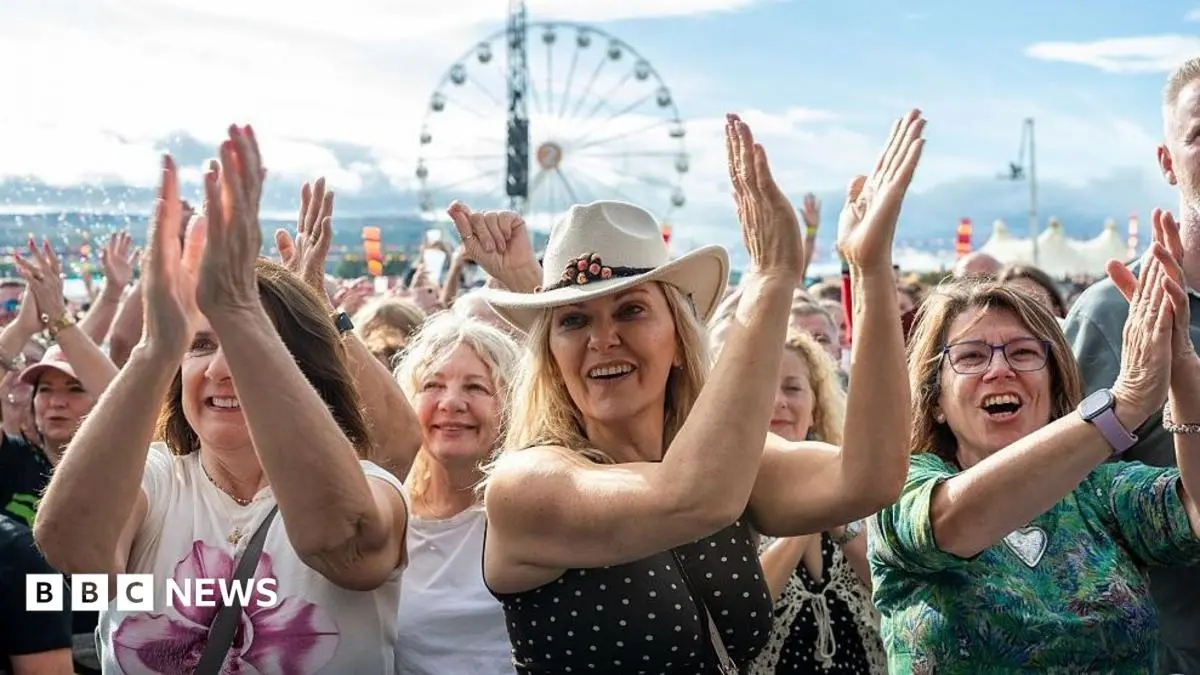
The demographic makeup of the audience at Stirling—spanning teenagers discovering classic soul through their parents, to lifelong music fans celebrating the soundtracks of their youth—highlights the robust commercial and cultural health of the legacy music market. As streaming platforms continue to fragment listening habits, live events like Radio 2 in the Park serve as vital physical anchors for communal music consumption. The demand for authentic, live-vocal performances by established artists remains unshakeable, suggesting that future festivals will increasingly lean into multi-generational lineups that celebrate career longevity over transient internet hype.
Looking Ahead to 2025 and Beyond
With the bar set exceptionally high by the Stirling Castle weekender, planning for the next iteration of Radio 2 in the Park is already underway within the BBC corridors. While the host city for the upcoming year remains tightly under wraps, organizers have indicated that the core philosophy of the event—celebrating great music, fostering community spirit, and bringing world-class artists directly to the heart of the UK’s diverse regions—will remain unchanged.
Ultimately, Radio 2 in the Park in Stirling will be remembered as a masterclass in event curation, a triumph of logistical engineering, and a joyous celebration of the enduring power of popular music. Against the stone walls of a castle that has witnessed centuries of Scottish history, the weekend wrote a vibrant new chapter in the nation’s cultural story—one defined not by conflict, but by harmony, shared memory, and the unifying magic of a great song.