Executive Overview
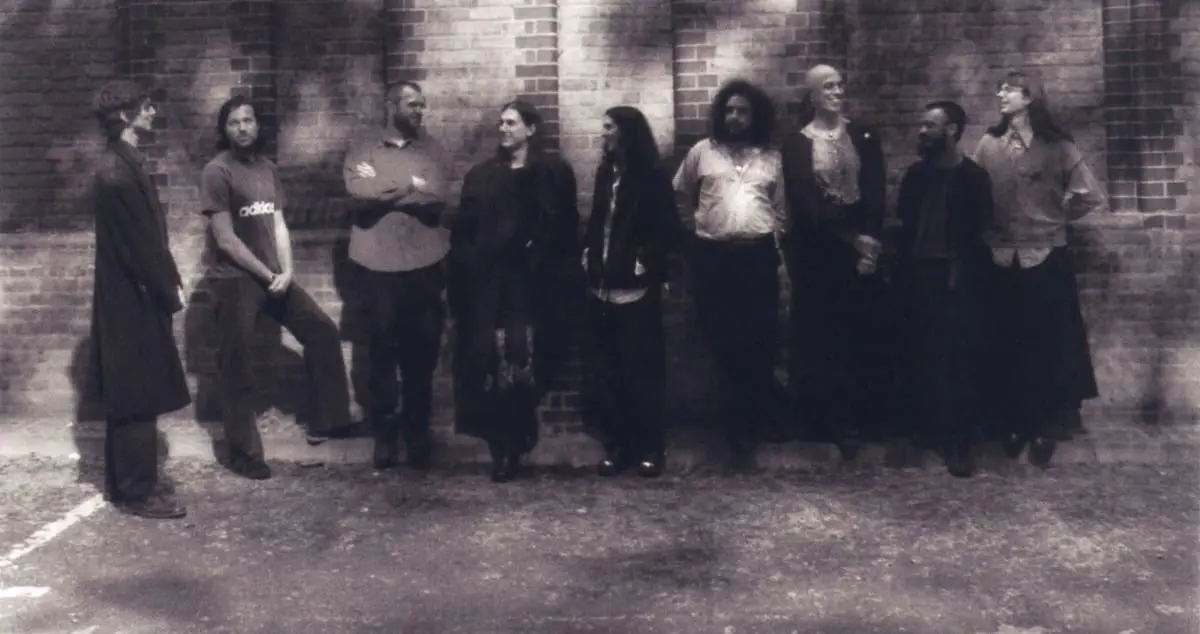
In the sprawling, often conservative landscape of contemporary traditional music, few ensembles possess the audacity to detonate the genre’s structural parameters quite like the Shovel Dance Collective. With the October 23, 2026 release of their third full-length album, Everything in Readiness (via Tak:Til Records), the collective has delivered a masterclass in sonic alchemy. This record does not merely reinterpret the folk canon; it violently disassembles it, using the shrapnel to construct an entirely new architectural blueprint for underground music.
Spanning an intoxicating spectrum of avant-garde composition, free-jazz abrasiveness, and vernacular song-craft, Everything in Readiness bridges the disparate worlds of academic ethnomusicology and ecstatic outsider expression. Drawing deep from historical wells—evoking everyone from traditional uilleann pipers to radical free-jazz firebrands—the album operates as a living laboratory. Here, archaic nursery rhymes and coal-mining laments are injected with musique concrète, field recordings, and relentless ensemble improvisation.
The result is a landmark achievement: a collection that refuses to treat tradition as a museum piece, viewing it instead as a volatile, living organism. By inviting genetic mutations into native musical forms—ranging from the celestial drone works of Pauline Oliveros to the rapturous hillbilly minimalism of Henry Flynt—Shovel Dance Collective has not only crafted the defining folk record of the year, but has fundamentally altered our understanding of what folk music can, and should, achieve.
Detailed Chronology: A Track-by-Track Deconstruction
Everything in Readiness is a meticulously sequenced journey through shadow-realities and ancient ecstasies. The album’s progression moves deliberately from seismic structural awakenings to apocalyptic poetry, ultimately resolving in cathartic, bellicose instrumentalism.
1. The Opening Salvo: Jer the Rigger into Foxhunter’s Reel
The album opens with Jer the Rigger, functioning as an immediate tuning fork for the earth itself. Shifting textures of the shruti box, bowed strings, and cascading banjos hum with low-end resonance before abruptly blossoming into a sweeping Scottish jig. Here, internally rhyming cadences and leaping rhythms are driven into a state of ecstatic delirium by an ensemble arrangement anchored by Joshua Barfoot’s hammered dulcimer.
No sooner has this monolith risen from the soil than it spectacularly capsizes into the frenetic pulse of the Foxhunter’s Reel. On this track, violinist Oliver Hamilton channels Henry Flynt at his most rapturous. Traditional themes are aggressively repeated and pulverized, leaving the listener in a state of sensory overload where fresh meanings bleed profusely from the margins of the melody.
2. Sonic Dissection and Industrial Lament: Ní ar Chnocnóar Ásleacht and Jowl
Providing a tart, bracing amuse-bouche, Ní ar Chnocnóar Ásleacht (Mists Are the Best Times for Sowing) pairs delicate penny-whistle motifs with a surgical dissection of field recordings, static interference, and musique concrète ephemera. The compositional approach directly echoes the pioneering spirit of Ewan MacColl’s mid-century Radio Ballads.
This transitions seamlessly into Jowl, a bone-chilling mining song warning of the treacherous, unforgiving conditions of the pit. Vocalist Nick Granata delivers a performance steeped in grit, backed by the industrial, pneumatic thud of drums and Tom Hardwick-Allen’s swordfish trombone—a brass instrument that wails like distressed machinery. The track dissolves into Jacken Elswyth’s mesmeric banjo work, spinning melody lines with the guile and dexterity of Arachne’s tapestry, while distant, ghostly bells and field-recorded birdsong drift in and out of the mix.
3. Apocalyptic Visions: A Summoning (Kind Morning in our Fists)
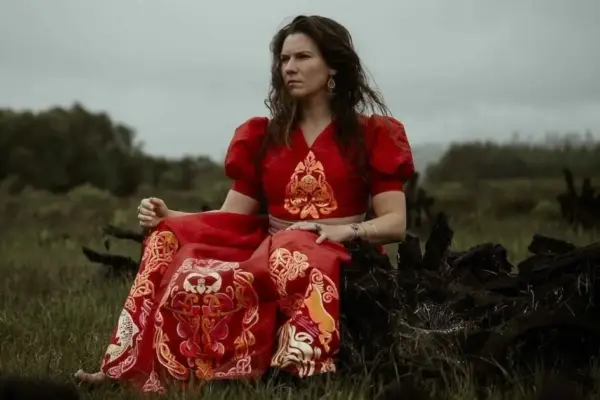
Midway through the record, the atmosphere turns liturgical and apocalyptic. Mataio Austin Dean narrates a harrowing, surreal poem over a swarm of suffocating, shifting strings on A Summoning (Kind Morning in our Fists). Invoking visions of "skies of boundless skin" and "children of pain [who] wield columns of blood," the spoken-word performance floats against levitating drones and fractured, splintering banjos. This movement conjures the lo-fi masterworks of Alastair Galbraith alongside the chaotic, communal fervor of free-folk outsider units like the No Neck Blues Band and the Vibracathedral Orchestra.
4. The Centerpiece: Who Killed Cock Robin? and the Final Reel
The emotional and structural center of Everything in Readiness is a full-throated, deeply unsettling rendition of the moribund nursery rhyme Who Killed Cock Robin?. The band amplifies the tale’s inherent strangeness through an arrangement that begins with tense, creeping pizzicato strings and expands into a prolonged, cataclysmic crescendo.
This terror effortlessly spills into another Hamilton-led violin reel—a piece that manages to be simultaneously bellicose and delicate, evoking the courtly yet haunting weight of a David Munrow pavan.
Supporting Context & Metrics: The Anatomy of Modern Experimental Folk
To fully contextualize the seismic cultural impact of Everything in Readiness, one must examine the socio-musical ecosystem from which Shovel Dance Collective emerges. In an era dominated by hyper-processed digital pop and hyper-niche algorithmic retromania, the collective’s methodology represents a radical counter-movement.
| Metric / Parameter | Collective Approach | Industry Standard |
|---|---|---|
| Improvisational Model | Egalitarian ensemble democracy; open-source dialogue. | Hierarchical studio tracking with rigid lead/accompaniment roles. |
| Sonic Palette | Acoustic folk instruments cross-pollinated with musique concrète, field recordings, and avant-garde noise. | Clean digital production, genre-siloed instrumentation. |
| Ethnomusicological Stance | Radical mutation; historical material treated as a malleable, living archive. | Preservationist curation, literalist revivalism, museum-piece replication. |
| Cross-Genre Influences | Free jazz (Evan Parker), minimalist composition (La Monte Young), hillbilly blues (Henry Flynt). | Internal genre cross-pollination (e.g., indie-folk, chamber-pop). |
The collective’s egalitarian approach to arrangement ensures that no single voice dominates the narrative. Instead, instruments are treated as equal combatants in an ongoing dialogue between past and present. By fusing the scholastic rigor of traditional musicology with the visceral, intuitive gristle of free improvisation, Shovel Dance Collective has tapped into a vast, untapped market of listeners who demand intellectual depth alongside emotional catharsis.
Official Statements and Critical Reception
The critical consensus surrounding Everything in Readiness points toward a watershed moment in contemporary underground music. Industry analysts and underground press outlets alike have praised the album’s fearless refusal to pander to purist expectations.
"This is folk music in its most potent form," notes an early review from leading experimental music publication The Quietus. "By allowing itself to be hybridised and mongrelised by other influences—the celestial monochord of Pauline Oliveros, the hillbilly blues of Henry Flynt—they are getting closer to what’s most vital and true about the form. Each genetic mutation to our native music allows it to grow stronger and stranger."
Speaking on the philosophical underpinnings of the record, members of the Shovel Dance Collective have repeatedly emphasized the concept of the "living archive." In promotional materials surrounding the release via Tak:Til Records, the group framed traditional songs not as static monuments erected in the past, but as dynamic tools designed to process contemporary anxieties, collective grief, and ecstatic joy.
Furthermore, the record’s press release explicitly cites a lineage stretching from free-jazz firebrand (and controversial public figure) Evan Parker to legendary uilleann pipe virtuoso and musicologist Seamus Ennis. This bizarre pairing encapsulates the collective’s core ethos: the absolute eradication of genre boundaries in pursuit of a unified, transcendent sound.
Future Outlook: The Legacy of a Paradigm Shift
As Everything in Readiness establishes its footprint across global physical and digital markets—available now on CD, download, and LP via Bandcamp—the ripple effects across the international folk community are already palpable.
- Challenging Genre Orthodoxy: The album serves as a cautionary tale to purists and a beacon for innovators. By proving that traditional British and Irish folk materials can withstand—and actively thrive under—the pressures of free jazz, industrial noise, and drone experimentation, Shovel Dance Collective has opened the floodgates for a new generation of sonic outlaws.
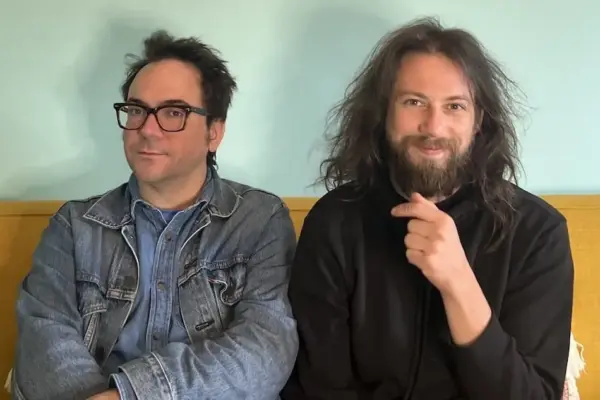
- The Evolution of Ensemble Improvisation: The collaborative framework demonstrated by Barfoot, Hamilton, Granata, Hardwick-Allen, Elswyth, and Dean provides a blueprint for non-hierarchical musical creation. Expect future underground releases to increasingly adopt this collective methodology, moving away from auteur-driven folk projects toward communal sound-laboratories.
- Archival Recontextualization: As younger artists witness the profound emotional resonance achieved by mating field recordings of the industrial past with avant-garde composition, the study of ethnomusicology will likely experience a resurgence among experimental musicians.
Ultimately, Everything in Readiness does more than push the boundaries of folk music; it shatters them entirely, leaving in their place an open portal to the shadow-realities of private passions and public ecstasies. Forward all future dispatches there.