Executive Overview
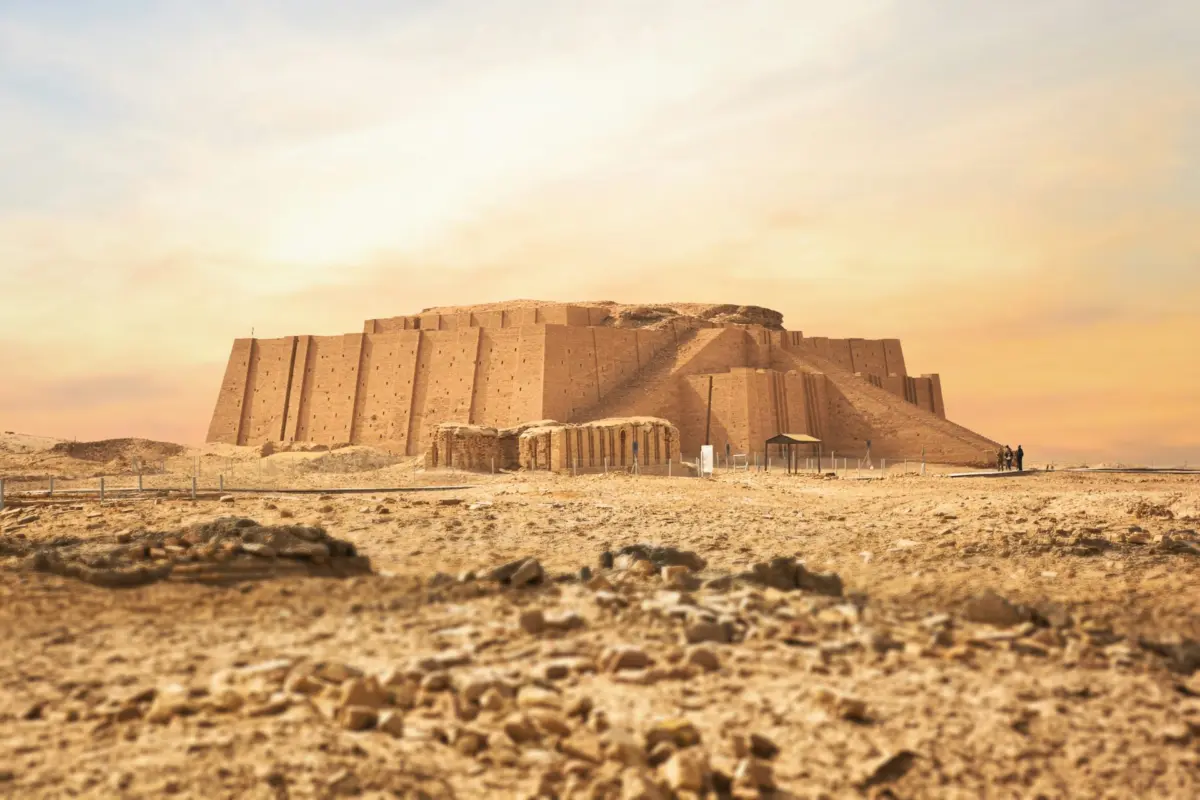
For over a century, the rich archaeological landscape of Iraq—the historical cradle of human civilization—has captured the global imagination. From the sensational excavations at the royal tombs of Ur to the groundbreaking revelations of the Jemdet Nasr period, international expeditions have continually shaped our understanding of early urban life, trade, and the dawn of writing. Yet, for decades, the global discourse surrounding Iraqi heritage has been overwhelmingly defined through a lens of catastrophe, emergency response, and rescue operations.
Dominated by the shadows of the 2003 US-led invasion, the destructive legacy of the Islamic State (ISIS), and ongoing environmental degradation, international narratives have frequently cast local professionals as passive recipients of foreign expertise. However, a quiet yet profound paradigm shift is underway.
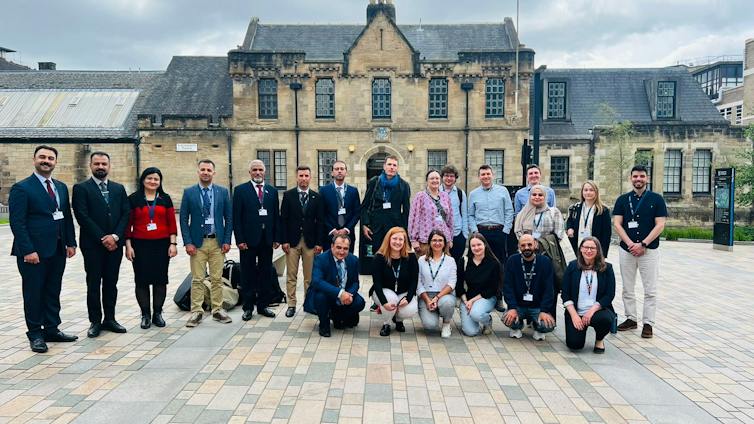
In May 2025, a landmark gathering in Glasgow brought together Iraqi and Kurdish archaeologists, heritage professionals, government officials, and academic leaders alongside their international counterparts. This summit was more than an academic exchange; it served as a decisive catalyst in the ongoing movement to decolonize Mesopotamian archaeology. By challenging entrenched institutional imbalances, addressing stark gender disparities in the field, and confronting the compounding existential threats of climate change, Iraqi scientists are stepping into their rightful role as the primary architects of their nation’s heritage narrative.
Detailed Chronology: A Century of Discovery and the Path to Institutional Autonomy
To understand the current turning point in Iraqi archaeology, it is necessary to examine the historical trajectory of excavation, international intervention, and local institutional development over the past hundred years.
The Century in Review (1920s–2000s)
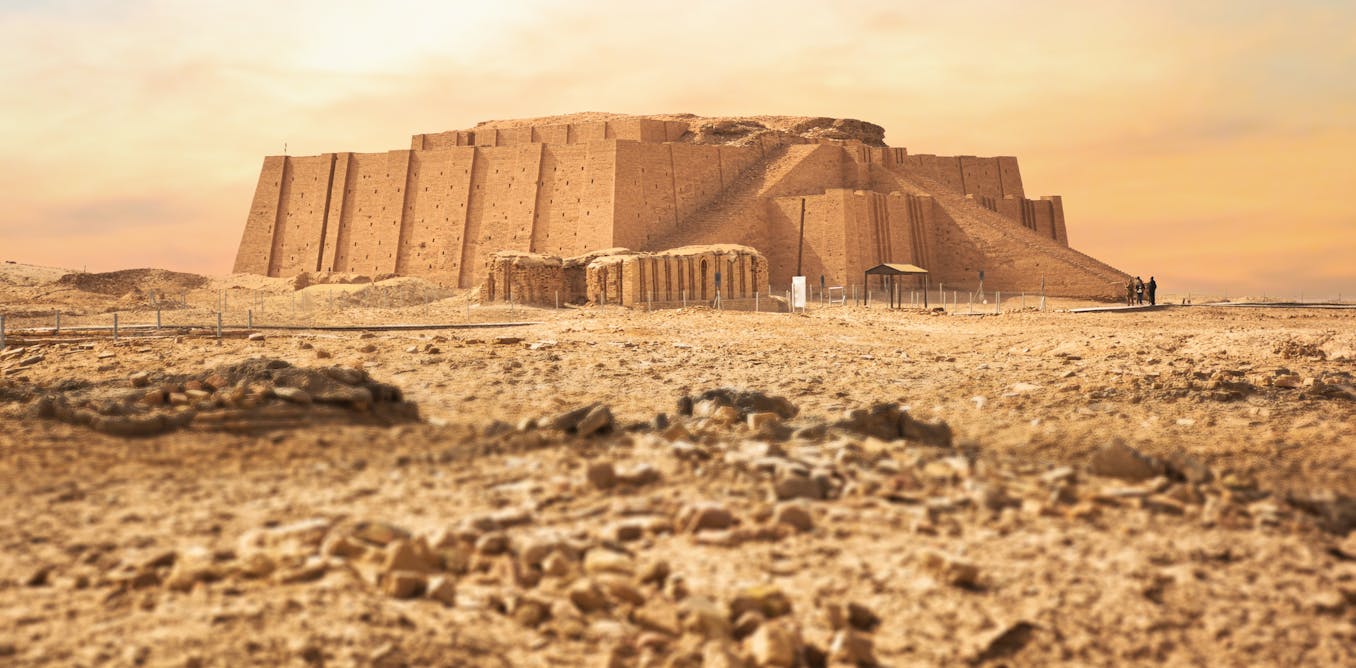
- The Golden Age of Excavation (1920s–1930s): Marking the centenaries of monumental discoveries, this era established the foundational methodologies of modern archaeology in Mesopotamia. The joint expedition of the British Museum and the University of Pennsylvania at Ur revolutionized scholarly views on early urbanism, burial customs, and long-term trade networks. Simultaneously, research into the Jemdet Nasr period unlocked the origins of administrative bureaucracy and proto-cuneiform writing systems.
- Mid-20th Century Growth: Throughout the mid-to-late 20th century, Iraq’s State Board of Antiquities and Heritage (SBAH) developed into a robust domestic institution, collaborating with international missions while building a strong foundation for indigenous academic training.
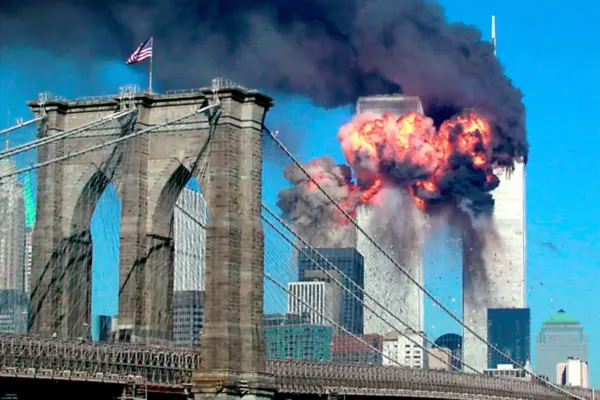
- The Post-2003 Crisis: The US-led invasion of 2003 shattered this stability, triggering catastrophic looting across major museums and unprotected field sites. This initiated a two-decade era dominated by emergency rescue missions, wherein international funding and expertise were mobilized primarily to salvage remnants from the brink of destruction.
- The ISIS Era (2014–2017): The destruction of ancient monuments in Mosul, Nimrud, and Hatra by the Islamic State further cemented the global media narrative of Iraqi heritage as a fragile asset requiring foreign intervention to survive.
The Modern Turning Point (2024–2025)
- December 2024: The University of Glasgow’s Sirwan Regional Project publishes new insights from the Shakhi Kora site in the Kurdistan Region of Iraq. These findings offer fresh perspectives on the rise and collapse of the earliest public institutions, highlighting modern collaborative research models that prioritize local institutional partnerships.
- May 2025: Twenty archaeologists, heritage specialists, and university leaders from federal Iraq and the Kurdistan Region travel to Glasgow for a historic collaborative workshop. Supported by the Sirwan Regional Project and the Cultural Heritage Organisation, the summit breaks down political and institutional divides, enabling local leaders to set their own research agendas.
- Late 2025 (Post-Workshop Developments): Within months of the Glasgow summit, tangible structural changes begin to manifest. Two prominent women are promoted to senior academic positions at the University of Al-Qadisiyah, and collaborative frameworks between regional universities and the SBAH are visibly strengthened, signaling a durable shift in domestic structural power.
Supporting Context & Metrics: Gender Disparities and Climate Realities
A true transformation of archaeological practice requires more than shifts in project leadership; it demands an honest appraisal of internal structural barriers and external environmental threats.
The Gender Disparity Paradox
One of the most compelling insights to emerge from recent academic panels is the profound contradiction characterizing gender representation within Iraqi archaeology:
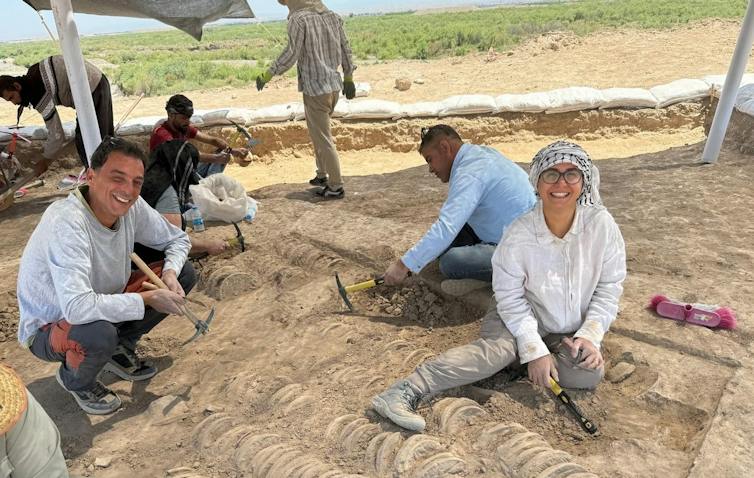
- The Academic Pipeline: At institutions like the University of Al-Qadisiyah in Al Diwaniyah, women make up an overwhelming 70% of the student body enrolled in archaeology programs.
- The Fieldwork Reality: Despite this high enrollment, women account for only approximately 2% of active excavation team members in the field.
- Academic Leadership: Women represent a mere 15% of senior academic leadership positions across Iraqi universities and research boards.
Scholars argue that correcting this imbalance is not merely a demographic objective, but an intellectual necessity. A more diverse workforce fundamentally alters the questions asked of the material record. While traditional patriarchal historiographies have prioritized monumental architecture, military conquests, the exploits of kings, and temple administration, a diversified archaeological workforce is uniquely positioned to redirect academic attention toward labor conditions, domestic life, social care networks, and community resilience in the ancient past.
The Environmental Crisis
Iraq is currently designated by international climate monitors as one of the nations most vulnerable to climate change globally. The convergence of multiple environmental factors poses a direct, dual threat to both living populations and subterranean heritage:
- Rising Temperatures and Extreme Dust Storms: Unprecedented heatwaves and frequent, toxic dust storms degrade outdoor archaeological structures and severely impact local public health.
- Water Scarcity and Soil Salination: Upstream damming by neighboring countries has precipitated a severe water crisis, drying out historical ecosystems like the Chibayish marshes in southern Iraq.
- Erosion of the Cradle of Civilization: As water tables drop and soil salination destroys agricultural land, ancient sites face accelerated erosion, threatening unexcavated strata that hold critical keys to human history.
Consequently, heritage professionals are redefining what "preservation" means. Rather than viewing archaeological sites as static museums frozen in time, researchers are looking to traditional, ancient relationships between local communities and wetland landscapes to provide practical, sustainable adaptation strategies for the future.
Official Statements and Perspectives
The transition from a rescue-oriented paradigm to an autonomous, locally driven archaeological framework has been championed by prominent figures within the heritage sector:
-
Bridging Institutional Divides:
"One of the most significant achievements of these collaborative platforms has been the ability to bring together professionals who are often disconnected due to political and institutional divisions."
— Rozhen Mohammed-Amin, President of the Cultural Heritage Organisation in the Kurdistan Region of Iraq. -
Reforming Excavation and Survey Methodologies:
Academics and field directors, including those associated with the Sirwan Regional Project and local academic institutions, have repeatedly emphasized that decolonizing the discipline requires shifting the locus of problem-formulation. True collaboration means that Iraqi researchers no longer simply execute research designs formulated in Western capitals, but independently define the scientific, social, and cultural questions that direct field projects.
-
Challenging the Deficit Narrative:
Participants at the Glasgow workshop stressed that while international funding and specialized scientific analysis (such as archaeobotany, DNA sequencing, and remote sensing) remain valuable, they must be deployed in service of national priorities established by the SBAH and local universities, rather than dictated by foreign academic trends.
Future Outlook: A Sustainable Path Forward for Mesopotamian Heritage
The modest institutional victories achieved following the May 2025 summit—such as the elevation of women to senior university posts and enhanced communication channels between academic centers and state heritage boards—may not command the immediate global headlines generated by a newly discovered royal tomb. However, industry insiders recognize that these administrative and cultural adjustments are vital for the long-term sustainability of the field.
As Iraq grapples with severe environmental degradation, shifting socio-political dynamics, and the pressures of modernization, the country’s archaeological community is forging a new identity. By welding cutting-edge scientific methodologies with indigenous insights, Iraqi archaeologists are transforming their discipline. Archaeology in Mesopotamia is evolving from an external quest to recover lost treasures into a vital, forward-looking tool—one that honors ancient history while actively contributing to sustainable environmental and social futures for the communities inhabiting the cradle of civilization today.