By the Classical Music Desk
Executive Overview
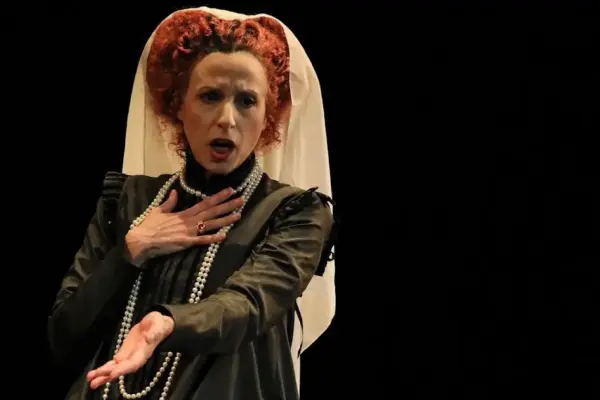
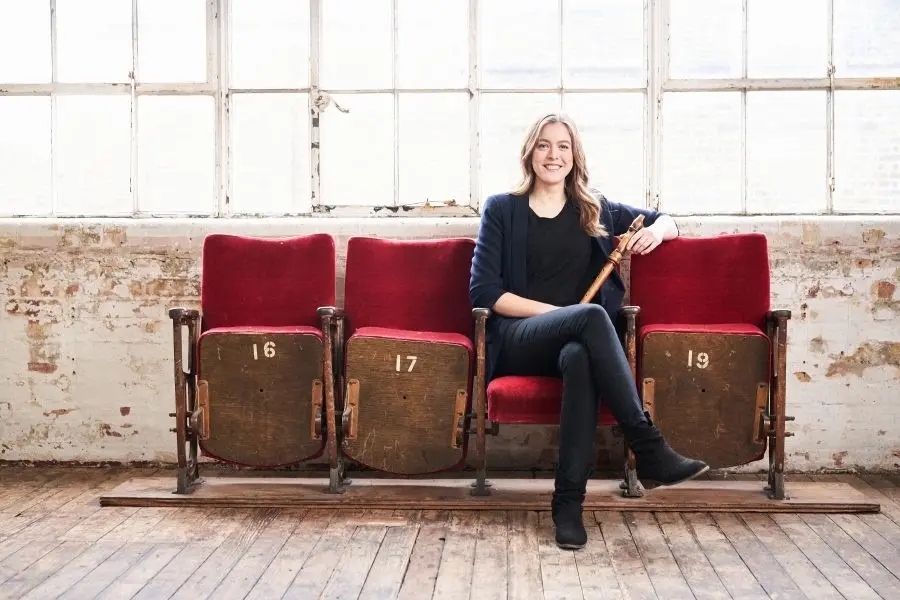
In a significant announcement for the international early music community, renowned German recorder virtuoso Tabea Debus has been named the new Guest Artistic Advisor for the esteemed York Early Music Festival. Debus, celebrated for her virtuosic technical command, imaginative programming, and deep commitment to expanding the boundaries of her instrument, will officially step into the role for the 2027, 2028, and 2029 festival editions. She succeeds acclaimed mezzo-soprano Helen Charlston in this vital leadership position.
Debus joins an elite collaborative curatorial team. She will work alongside established music writer and producer Lindsay Kemp; Peter Seymour, Emeritus Professor of Music at the University of York and Director of the Yorkshire Baroque Soloists & Choir; John Bryan, Emeritus Professor of Music at the University of Huddersfield and member of the Rose Consort of Viols; and fellow guest advisor Mark Seow, an accomplished violinist, musicologist, writer, and broadcaster.
This appointment marks a dynamic new chapter for the York Early Music Festival, which has spent nearly five decades cementing its reputation as one of the world’s premier celebrations of historically informed performance. By welcoming an instrumentalist of Debus’s boundary-pushing caliber, the festival signals its ongoing dedication to artistic innovation, cross-genre exploration, and the continuous revitalization of early repertoire for contemporary audiences.
Detailed Chronology & Background: The Rise of a Recorder Virtuoso
Formative Years and Academic Excellence
Born in Würzburg, Germany, a city steeped in rich architectural and musical history, Tabea Debus demonstrated an early and prodigious affinity for the recorder. Her foundational studies took place at the prestigious Frankfurt University of Music and Performing Arts (Hochschule für Musik und Darstellende Kunst Frankfurt am Main), an institution renowned for its rigorous approach to historical performance practice. Seeking to expand her artistic horizons on an international stage, Debus subsequently relocated to the United Kingdom to study at the Royal Academy of Music in London, where she refined her craft under the tutelage of some of the world’s leading early music specialists.
Her time in the UK catalyzed a flourishing international career. Debus quickly established herself not merely as an exponent of baroque and renaissance repertoire, but as a fearless champion of contemporary music, commissioning and premiering numerous works written specifically for the recorder. Her performance style is characterized by a rare synthesis of musicological scholarship and unbridled theatricality, making her a sought-after soloist and recitalist across Europe, Asia, and North America.
The Palisander Years and Educational Outreach
In 2023, Debus deepened her footprint in the British musical landscape by joining Palisander, an innovative, all-female recorder quartet known for breaking traditional concert conventions. Palisander’s signature style blends virtuosic consort playing with theatrical staging, multi-media elements, and genre-defying programming designed to captivate audiences of all ages and socioeconomic backgrounds.
Crucially, Debus’s artistic philosophy extends far beyond the concert platform. Through her work with Palisander and various other educational initiatives, she has maintained a profound dedication to youth outreach and music education. The quartet has performed regularly at the National Centre for Early Music (NCEM) in York, where they have simultaneously spearheaded engaging, interactive workshops for children, teenagers, and aspiring young musicians. This extensive history with the NCEM makes Debus’s transition into the role of Guest Artistic Advisor a natural, organic evolution of her longstanding relationship with the organization.
Supporting Context & Metrics: The Legacy of the York Early Music Festival
A Historic Backdrop for Historical Performance
Established in 1977, the York Early Music Festival occupies a unique and revered space in the global classical calendar. The festival was originally conceived with a visionary premise: to marry world-class, historically informed music-making with the breathtaking architectural heritage of York.
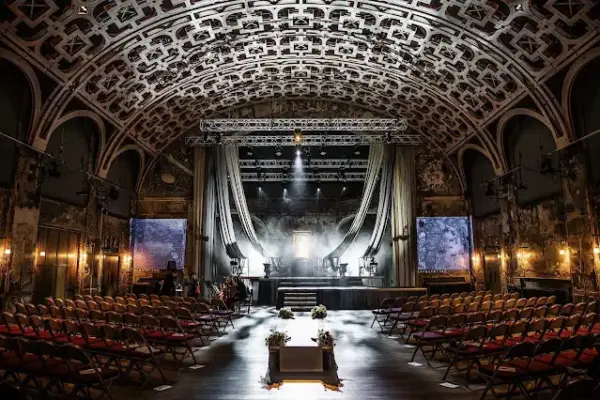
Over the decades, the festival has transformed the city’s medieval churches, magnificent guildhalls, historic houses, and intimate academic halls into living, breathing acoustic laboratories. From the soaring gothic arches of York Minster to the wood-paneled intimacy of the Merchant Adventurers’ Hall, the festival offers listeners an immersive sensory experience where the physical environment directly enhances the sonic architecture of medieval, renaissance, and baroque masterpieces.
The Institutional Engine: The National Centre for Early Music (NCEM)
The York Early Music Festival operates as the crown jewel in the annual programming of the National Centre for Early Music (NCEM). Based in the converted medieval church of St Margaret’s, Walmgate, the NCEM serves as a national flagship for the promotion and celebration of early music.

Throughout the year, the Centre runs an extensive array of concerts, residency programs, and learning and participation projects. It acts as a vital incubator for emerging talent, most notably through the biennial York International Young Artists Competition, which attracts the finest young chamber ensembles from around the globe to compete in front of an international jury and live audience.
Economic and Cultural Impact
While exact figures fluctuate year-on-year, independent cultural impact assessments consistently demonstrate that the York Early Music Festival acts as a major economic driver for the region of Yorkshire. Drawing thousands of domestic and international visitors—often referred to affectionately by locals and organizers as "early music pilgrims"—the festival significantly boosts local hospitality, tourism, and retail sectors. Furthermore, its digital reach, amplified through international radio broadcasts and streaming partnerships, ensures that York remains a global epicenter for early music discourse and performance.
Official Statements & Industry Reception
The announcement of Tabea Debus’s appointment has generated widespread enthusiasm among her peers, festival administrators, and music critics alike.
Expressing her excitement about the new role, Tabea Debus stated:
"I am absolutely delighted to be joining the team of Artistic Advisers and honoured to be working alongside these wonderful colleagues to contribute to the creation of the world-renowned York Early Music Festival. I can’t wait to spend the summer festival season in beautiful York in the coming years, delighting in concerts by fabulous musicians from across the UK, and beyond."
Her sentiments were echoed by members of the festival’s executive and advisory boards, who highlighted the crucial perspective a working instrumentalist brings to the curatorial process. Lindsay Kemp, music writer, producer, and fellow artistic advisor, noted that Debus’s peerless technical insight and adventurous spirit will be invaluable as the festival looks toward its upcoming landmark decades.
Industry observers have similarly praised the appointment. Classical music critics have long lauded Debus for her ability to dismantle preconceived notions of the recorder as merely a pedagogical stepping-stone, elevating it instead to a vehicle of profound expressive depth and staggering technical brilliance. Her inclusion in the artistic advisory team is widely viewed as a clear statement of intent: the York Early Music Festival is committed to honoring its rich historical roots while vigorously embracing the future through dynamic, contemporary performance practices.
Future Outlook: Looking Ahead to the 2027 Festival and Beyond
As Debus prepares to shape the artistic vision for the 2027, 2028, and 2029 festivals, anticipation is already building across the classical music world.
The immediate focus falls on the upcoming York Early Music Festival, scheduled to take place from July 2 to July 9, 2027. While the full, detailed programme for 2027 is still being finalized under the collaborative guidance of Debus and her fellow advisors, NCEM representatives have hinted that audiences can expect a carefully curated balance of beloved baroque masterworks, rare medieval discoveries, and boundary-pushing contemporary crossover projects.
Key Dates and Information for Festival-Goers:
- Dates: July 2 – July 9, 2027
- Location: Various historic venues across York, coordinated by the National Centre for Early Music (NCEM)
- Ticketing & Programme Releases: Announcements regarding priority booking, artist rosters, and special educational events will be rolled out progressively through the official NCEM communication channels.
For scholars, performers, and passionate concertgoers alike, the coming years promise a renewed vibrancy in the ancient city of York. With Tabea Debus lending her boundless creativity, curatorial flair, and infectious passion to the artistic team, the York Early Music Festival is exceptionally well-positioned to inspire new generations of music lovers, ensuring that the living history of early music continues to resonate deeply in the twenty-first century and beyond.
Further information regarding tickets, venue accessibility, and the evolving 2027 festival schedule can be accessed directly via the official National Centre for Early Music website.