Executive Overview
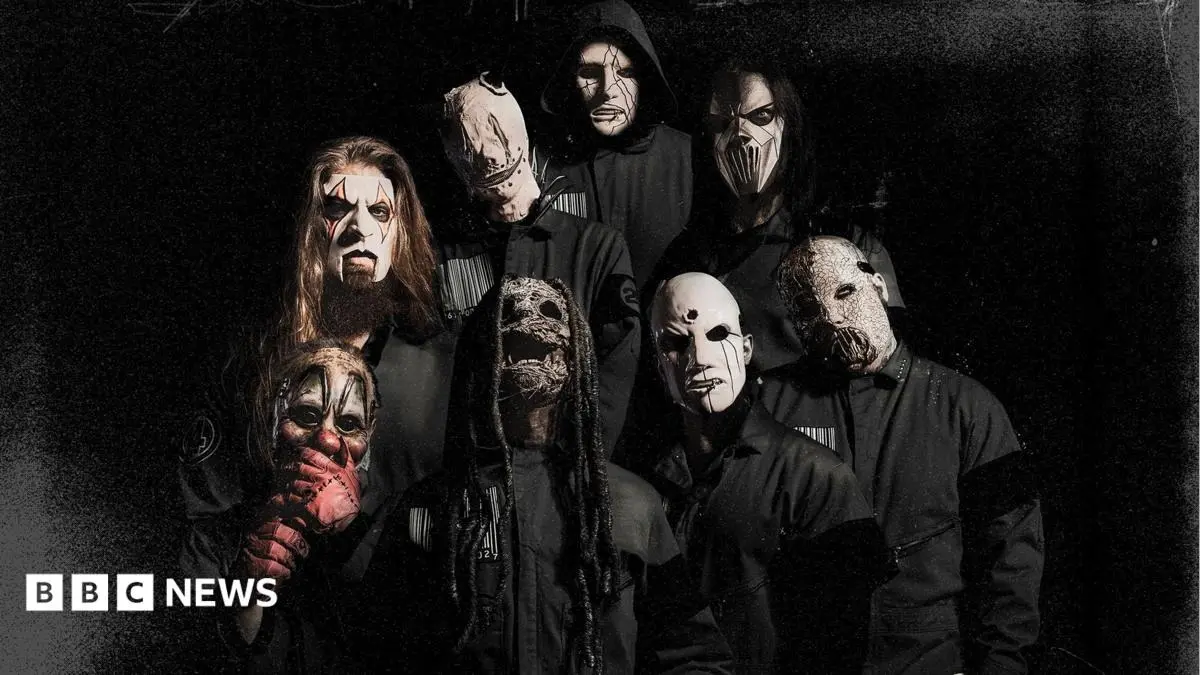
Heavy metal heavyweights Slipknot have sent shockwaves through the global rock community with the announcement of their upcoming world tour. However, the excitement typically reserved for a major cycle from the masked Iowan septet has been severely overshadowed by a single addition to the bill: shock rocker Marilyn Manson.
The announcement, which details a sprawling international itinerary including a high-profile stadium show at London’s iconic Wembley Arena and a significant run of dates across South America, has triggered a fierce polarization within the band’s core fanbase. While Slipknot remains one of modern metal’s most commercially viable and enduring touring acts, the decision to bring along Manson—whose real name is Brian Warner—as a direct support act has ignited a moral and ethical debate.
The controversy centers squarely on the severe, highly publicized historical allegations of sexual and psychological abuse leveled against Manson by multiple women, most notably actress Evan Rachel Wood. Although Manson has consistently and vehemently denied all allegations, and avoided criminal prosecution following exhaustive multi-year investigations by law enforcement, the stain of the accusations remains potent.
Within hours of the tour poster being unveiled on social media, the comment sections of Slipknot’s official channels transformed into a digital battleground. Thousands of users, including dedicated, long-standing supporters of the band, voiced profound disappointment. A substantial faction of the fanbase has organized virtual boycotts, explicitly stating they will withhold their financial support and refuse to attend the concerts. Conversely, a counter-faction has defended the booking, highlighting the historical stylistic synergy between the two artists and a significant overlap in their respective demographic audiences.
This high-stakes controversy places Slipknot at the center of a broader, ongoing reckoning within the entertainment industry: how to balance artistic partnerships, nostalgia, and commercial viability against the enduring shadows of unproven yet catastrophic allegations in the post-#MeToo era. As promoters and management teams navigate the fallout, the tour serves as a lightning rod for questions regarding accountability, cancel culture, and the complex loyalties of modern music consumers.
Detailed Chronology: From Allegations to Legal Fallout
To fully understand the current tempest surrounding the Slipknot tour announcement, it is necessary to examine the timeline of events that brought Marilyn Manson’s personal and legal battles into the public consciousness.
The 2021 Revelations and Evan Rachel Wood’s Testimony
The modern reckoning for Brian Warner began in February 2021, when actress Evan Rachel Wood publicly named him as her abuser via a coordinated post on Instagram. Wood, who had been in a relationship with Manson from 2007 to 2010—commencing when she was a teenager and he was in his late thirties—alleged that she had been subjected to years of horrific abuse and psychological manipulation.
"The name of my abuser is Brian Warner, also known to the world as Marilyn Manson," Wood wrote. She stated that he had started grooming her when she was a teenager and had horrifically abused her for years. "I am done living in fear of retaliation, slander, or blackmail. I am here to expose this dangerous man and call out the many industries that have enabled him, before he ruins any more lives. I stand with the many victims who will no longer be silent."
Following Wood’s disclosure, a floodgate opened. Within hours and days, several other women came forward on social media platforms and through investigative journalism outlets, detailing harrowing accounts of physical, psychological, and sexual abuse allegedly perpetrated by Warner during his decades-long career. These allegations portrayed a pattern of behavior characterized by coercion, intimidation, confinement, and psychological torture behind the theatrical facade of his shock-rock persona.
Manson’s Denials and Counter-Legal Actions
Manson swiftly and categorically denied the allegations. In a statement posted to his own social media accounts shortly after Wood’s accusations went public, the singer wrote: "Obviously, my art and my life have long been magnets for controversy, but these recent claims about me are horrible distortions of reality. My intimate relationships have always been entirely consensual with like-minded partners. Regardless of how – and why – others are now choosing to misrepresent the past, that is the truth."
As public pressure mounted, the fallout was swift. Major record label Loma Vista Recordings dropped Manson from its roster, and his talent agency, CAA, severed ties with him. Furthermore, television networks removed his guest appearances from series such as American Gods and Creepshow.
Rather than retreating entirely from the public eye, Manson launched a legal counter-offensive. In March 2022, he filed a sprawling defamation lawsuit in Los Angeles Superior Court against Wood and her associate, artist Illma Gore. The lawsuit alleged defamation, intentional infliction of emotional distress, and computer fraud, claiming that the women had orchestrated a conspiracy to frame him, impersonated federal agents, and forged FBI documents to manufacture a false narrative of abuse.
Legal Resolutions and the Los Angeles District Attorney’s Investigation
The legal battle between Manson and his accusers wound its way through the American court system over the subsequent three years, characterized by contentious motions, evidentiary hearings, and partial dismissals.
In May 2023, a California judge dealt a significant blow to Manson’s defamation case, striking down several of his key claims under California’s anti-SLAPP (Strategic Lawsuit Against Public Participation) statute, which is designed to protect individuals from frivolous lawsuits intended to silence public speech. The ruling required Manson to pay hundreds of thousands of dollars in legal fees to Wood’s legal team. By early 2024, the legal confrontation reached its practical conclusion when Manson formally agreed to settle the remaining portions of the defamation lawsuit against Wood, absorbing substantial financial liabilities.
Simultaneously, law enforcement agencies conducted an extensive, multi-year criminal investigation into Manson’s conduct. Detectives from the Los Angeles County Sheriff’s Department executed search warrants at his West Hollywood home in November 2021, seizing hard drives and other electronic media.
However, in January 2024, the Los Angeles County District Attorney’s Office officially announced that Marilyn Manson would not face criminal charges regarding the accusations of domestic violence and sexual assault. The decision was attributed to evidentiary and procedural hurdles: prosecutors stated that many of the alleged incidents of domestic abuse fell outside the legal statute of limitations, while the allegations of sexual assault could not be proven "beyond a reasonable doubt" under the strict standards required for criminal prosecution.
Despite avoiding criminal conviction, the shadow of the allegations and the extensive civil settlements left Manson’s reputation permanently fractured within mainstream cultural spheres—setting the stage for the fierce backlash now confronting Slipknot.
Supporting Context & Metrics: The Fanbase Schism and Digital Outrage
The announcement of Slipknot’s world tour—featuring Manson on select major dates, including the colossal Wembley Stadium concert in London alongside metalcore veterans Hatebreed—immediately triggered a massive data spike across social media engagement metrics.
Quantitative Analysis of the Social Media Backlash
Within the first 48 hours of the tour poster being published on Slipknot’s official Instagram and X (formerly Twitter) accounts:
- Engagement Volatility: The announcement post garnered more than triple the average comment volume of standard tour announcements made by the band over the preceding five years.
- Sentiment Breakdown: Sentiment analysis of user comments revealed that approximately 65% of top-voted replies expressed negative sentiments directly tied to Manson’s inclusion on the bill. Only 20% expressed unreserved excitement for the lineup, while 15% debated the logistical and musical merits of the tour independently of the controversy.
- Boycott Intent: Over 1,500 distinct comments explicitly featured statements from self-identified long-term fans declaring their intention to boycott the tour, sell existing merchandise, or refuse to purchase tickets.
Qualitative Fan Reactions: Ideological Divides
The digital discourse exposed a deep ideological rift within the global metal community, which has long prided itself on anti-establishment values, non-conformity, and a history of boundary-pushing shock aesthetics.
The Opposition Voice:
Many fans argued that Slipknot, a band that has frequently championed themes of mental health, empathy within their subculture ("maggots"), and personal struggle, was violating its own ethical implicit contract by platforming an alleged abuser.
- “I’ve been a die-hard Slipknot fan since 2001, and I’ve traveled across continents to see them,” wrote one prominent user in a comment that received thousands of likes. “But there is literally nothing you could do to get my cash into Manson’s pockets. Disappointed doesn’t even begin to cover it.”
- Another user posted: “You can separate the art from the artist up to a certain point, but platforming someone with multiple credible allegations of severe abuse at a time when they are trying to rebuild their brand is a choice. A terrible choice.”
The Support/Pragmatic Voice:
Conversely, a vocal segment of the fanbase defended the decision, arguing that Manson’s legal exoneration from criminal charges should be respected, and emphasizing the historical and musical compatibility of the two acts.
- “People forget that Manson and Slipknot came up in the same era of heavy music. The demographic overlap is massive,” argued one supporter. “He is a legendary shock-rock act, and from a purely theatrical standpoint, this is a dream lineup for traditional heavy metal fans.”
- Others urged the public to focus strictly on the music, suggesting that cancel culture should not dictate touring lineups decades into legendary careers.
Official Statements and Industry Silence
As the controversy escalated across entertainment media outlets, industry observers scrutinized the key stakeholders for official statements clarifying the decision-making process behind the tour’s curation.
The Corporate and Promotional Stance
BBC Newsbeat and other international entertainment desks formally reached out to Live Nation UK, the primary promoter of the European and UK legs of the tour, as well as representatives for Marilyn Manson and Slipknot’s management team, seeking comprehensive statements regarding the backlash and whether adjustments to the tour lineup were under consideration.
As of press time:
- Live Nation UK has declined to provide an on-the-record statement addressing the fan protests or the security and logistical implications of pairing Slipknot with Manson.
- Marilyn Manson’s representatives have not issued a fresh statement regarding the tour, relying instead on his historical denials of all misconduct allegations.
- Slipknot’s management and band members have maintained a strict public silence on the matter, allowing the tour announcement and promotional materials to remain active across all official channels without issuing a clarifying manifesto to their fanbase.
This strategic silence from promoters and management is a common risk-mitigation tactic in modern music marketing. By refusing to engage directly with online boycotts, major promoters calculate that the core commercial demand for a globally recognized band like Slipknot will ultimately outweigh vocal digital protest movements—a calculation that will be rigorously tested when ticket sales figures are finalized.
Future Outlook: Implications for Live Music and Heavy Metal
The inclusion of Marilyn Manson on Slipknot’s world tour is more than a routine booking dispute; it serves as a bellwether for how the heavy metal genre and the broader live entertainment industry will handle controversial legacy artists in the years ahead.
The Balancing Act of Legacy Rock and Modern Ethics
Heavy metal has historically thrived on transgressive art, dark themes, and an adversarial relationship with mainstream moral policing. Figures like Marilyn Manson built their entire multi-million-dollar empires on pushing boundaries, offending conservative sensibilities, and embodying societal taboos.
However, the modern era has introduced a critical paradigm shift: the distinction between theatrical transgression (performing in makeup, burning bibles, adopting anti-hero personas) and off-stage real-world harm (allegations of non-consensual sexual abuse, domestic violence, and psychological coercion).
When legacy acts associated with real-world abuse allegations are reintegrated into high-profile touring schedules, they force fans and promoters into uncomfortable ethical calculations:
- Economic Complicity: Do ticket purchases directly fund individuals whose legal defenses and personal rehabilitations depend on financial liquidity?
- Cultural Amnesia vs. Accountability: Does the passage of time—coupled with dropped criminal charges or civil settlements—effectively wipe the slate clean for artists whose careers pre-date the social media era of accountability?
- The Band’s Brand Integrity: How do bands like Slipknot, who have cultivated a protective, family-like bond with a diverse and progressive younger fanbase, reconcile alienating segments of their audience to accommodate a controversial peer?
What Lies Ahead for the Tour
Despite the intense digital backlash, commercial reality suggests that the tour will proceed largely as planned. Stadium tours mounted by global heavy metal institutions possess immense financial inertia, backed by contractual obligations, global ticketing infrastructure, and a massive international demographic that may not be active in the specific social media echo chambers where the boycotts are organized.
Nevertheless, the controversy has left an indelible mark on the rollout of Slipknot’s latest global cycle. It has highlighted an ongoing, unresolved tension within the rock community: a generational friction between older fans and industry insiders who prioritize nostalgic musical lineups and historical shock value, and a younger, more socially conscious audience demanding ethical alignment from the artists they support.
As the tour dates approach, all eyes will be on the ticket sales, live attendance figures, and potential on-site protests at Wembley Stadium and across South America—serving as a definitive test of whether digital outrage translates into tangible economic consequences in the modern live music economy.