Executive Overview
In a candid and unapologetic critique that has sent shockwaves across the entertainment landscape, veteran actor Nicolas Cage has taken direct aim at the Marvel Cinematic Universe (MCU). Speaking at Fan Expo Dallas, the 62-year-old Oscar winner argued that the modern era of interconnected superhero blockbusters has drifted far from its cinematic roots, risking devolution into little more than a "well-funded and glorified WWE."
While praising the foundational storytelling that launched the franchise nearly two decades ago, Cage expressed dismay at the current formula of increasingly crowded casts, elaborate costumes, and relentless, CGI-heavy brawls. His remarks have ignited a fierce debate among pop culture enthusiasts, critics, and industry insiders alike. While some fans have validated his concerns regarding narrative fatigue and formulaic spectacle, critics of Cage’s comments have been quick to point out his own extensive resume within the comic-book film genre—including his turns as Ghost Rider and Spider-Man Noir.
This clash of perspectives arrives at a pivotal moment for the superhero industrial complex. As Marvel prepares to roll out its massive Phase Six crossover events, headlined by Avengers: Doomsday and Avengers: Secret Wars, the industry is forced to confront enduring questions about artistic integrity, audience fatigue, and the future of blockbuster filmmaking.
Detailed Chronology: The Evolution of the MCU and Cage’s Comic-Book Career
The Golden Age of Phase One
The modern superhero landscape traces its genesis to the summer of 2008, when Marvel Studios—then operating under high financial risk—released Iron Man. Directed by Jon Favreau and starring Robert Downey Jr. as the charismatic billionaire industrialist Tony Stark, the film was an unexpected critical and commercial triumph. Crucially, its post-credits scene introduced a broader concept: a shared cinematic universe.
Marvel methodically expanded this universe later that year with The Incredible Hulk, before rolling out world-building sequels and introductions like Iron Man 2, Thor, and Captain America: The First Avenger. This meticulous groundwork culminated in 2012’s The Avengers, directed by Joss Whedon. The film united Stark, Bruce Banner (Mark Ruffalo), Steve Rogers (Chris Evans), Thor (Chris Hemsworth), Black Widow (Scarlett Johansson), and Hawkeye (Jeremy Renner) alongside Nick Fury (Samuel L. Jackson). It grossed over $1.5 billion globally, establishing a gold standard for serialized storytelling that Hollywood studios spent the next decade attempting to replicate.
Nicolas Cage’s Comic-Book Footprint
Long before the MCU established dominance at the box office, Nicolas Cage was carving out his own distinct space within the comic-book film adaptation genre. Known for his eclectic career choices and immense passion for pulp storytelling, Cage stepped into the supernatural underworld in 2007 to star as Johnny Blaze in Sony’s Ghost Rider, a role he reprised in the 2012 sequel Ghost Rider: Spirit of Vengeance.

His comic-book credentials expanded further with memorable turns as the vigilante Big Daddy in Matthew Vaughn’s subversive 2010 dark comedy Kick-Ass. More recently, Cage embraced voice and live-action television work within the Spider-Man ecosystem, voicing the hard-boiled Spider-Man Noir in Sony’s acclaimed animated feature Spider-Man: Into the Spider-Verse (2018). He later returned to the role in Prime Video’s live-action neo-noir series Spider-Noir.
Supporting Context & Metrics: The Spider-Noir Phenomenon and Fan Backlash
The Rise and Fall of Spider-Noir
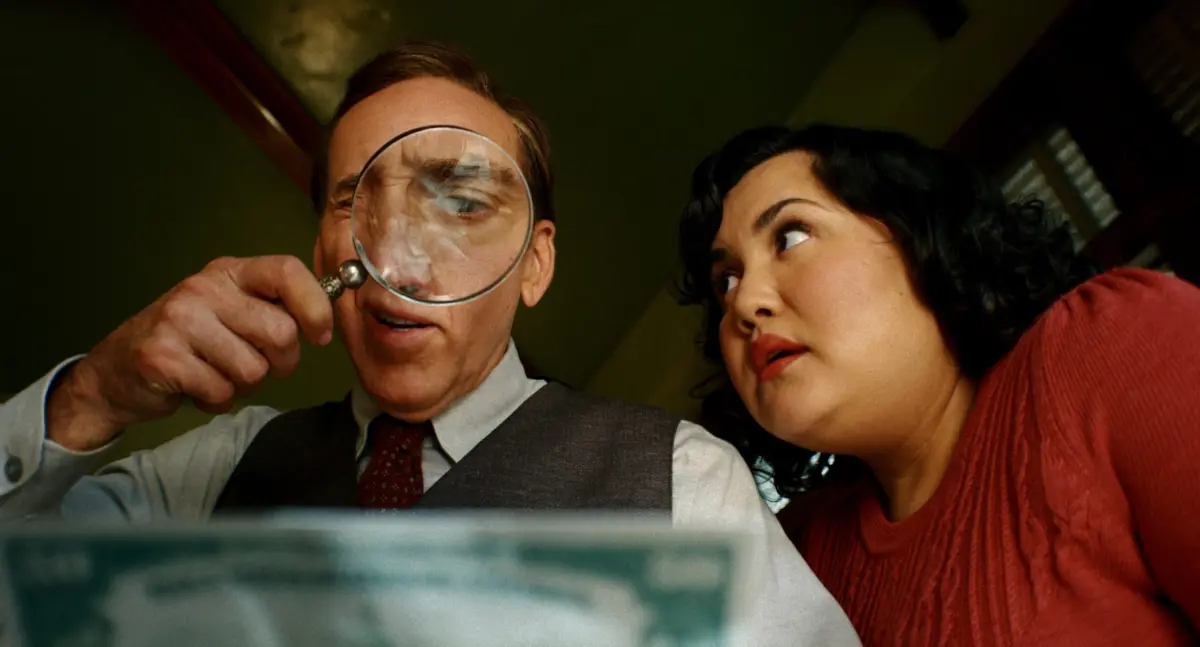
Cage’s critique of modern cinematic brawls heavily mirrors the artistic philosophy he brought to Spider-Noir. Created for television by Oren Uziel and Steve Lightfoot, the eight-part series followed Ben Reilly, a down-on-his-luck private investigator in 1930s New York wrestling with his past as the city’s sole costumed hero.
Distinguishing itself from typical superhero fare, the series leaned heavily into the visual and narrative conventions of classic 1940s film noir. Cage drew inspiration from legendary Golden Age actors such as Humphrey Bogart, James Cagney, and Edward G. Robinson. He aimed to blend vintage cinematic sensibilities with a "Roy Lichtenstein pop-art sensation." Released in both black-and-white and color formats, the series resonated strongly with critics. It secured a 92 percent approval rating on Rotten Tomatoes and earned 11 Emmy nominations—making it the most-recognized Prime Video original program of its broadcast year.
Despite critical acclaim and high awards visibility, Prime Video abruptly cancelled Spider-Noir in September, just over three months after its premiere. Industry analysts have suggested that this cancellation may have influenced the timing and edge of Cage’s recent remarks at Fan Expo Dallas.
Fan Reaction and Hypocrisy Debates
Cage’s commentary sparked intense online discourse, particularly regarding his observation of "50-plus, otherwise intelligent, remarkably gifted thespians putting on these ridiculous outfits." Social media users were quick to point out apparent ironies in his statements.
- Age and Demographics: Fans noted that Cage portrayed Ghost Rider at age 48 and embodied Spider-Man Noir at 62, rendering his critique of aging actors in superhero costumes somewhat self-referential.
- The "Cashing Checks" Argument: Detractors pointed out Cage’s long-standing affinity for high-profile comic adaptations, including his aborted casting as Superman in Tim Burton’s legendary unmade 1990s film Superman Lives.
- Sympathetic Perspectives: Conversely, many defenders agreed with his core thesis. A segment of the fan base argued that while Cage’s career choices may mirror those he critiques, his diagnosis of modern blockbuster cinema remains accurate: an overreliance on CGI spectacle at the expense of narrative depth.
Official Statements and Industry Commentary
The core of Cage’s critique highlights a growing artistic tension within Hollywood. While acknowledging the brilliance of Marvel’s early execution, his commentary at Fan Expo Dallas drew a stark line between structural storytelling and modern sensory overload:

"It started out, in my view, terrific. Some of the early stories were marvellous, the way that they wove all the threads together and told the different character stories and backstories… But lately — I do say this with love — when I see these 50-plus, otherwise intelligent, remarkably gifted thespians putting on these ridiculous outfits and getting ready for the fight, it’s hard for me not to be reminded that the MCU is becoming a well-funded and glorified WWE."
Contrasting this with his television work, Cage emphasized his preference for investigative pacing over endless combat sequences:
"One of the things I like about Spider-Noir, it wasn’t cutting to the fight. It was a detective story. There was a mystery there. I would like to see it get back to telling the stories and not just cutting to the wrestling match."
Neither Marvel Studios nor parent company Disney has formally responded to Cage’s remarks. However, industry insiders note that the studio is keenly aware of shifting audience sentiments regarding franchise fatigue, prompting strategic shifts in its upcoming theatrical slate.
Future Outlook: The MCU Heading into Phase Six
As the Marvel Cinematic Universe advances deeper into Phase Six, studio executives are betting heavily on massive, multi-franchise convergence to sustain box-office dominance. The cornerstone of this strategy is Avengers: Doomsday, scheduled for theatrical release on December 18.
The Return of Robert Downey Jr. and Sprawling Ensembles
Directed by veteran architects Anthony and Joe Russo—the creative force behind Avengers: Endgame—Doomsday represents Marvel’s most ambitious crossover event since 2019. In a seismic casting twist designed to revitalize interest, Robert Downey Jr. is returning to the MCU, shedding his identity as Tony Stark to portray the iconic supervillain Doctor Doom.
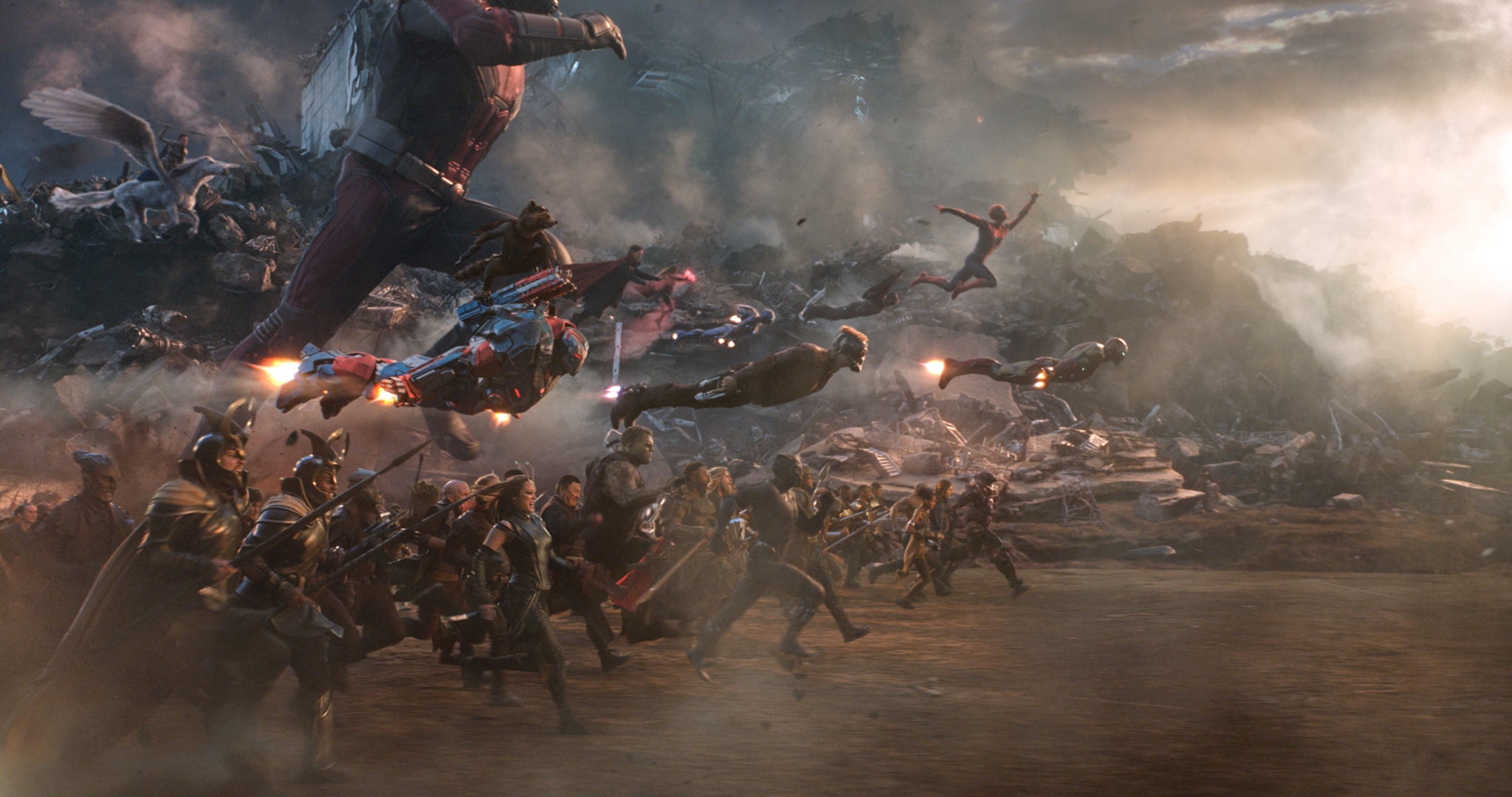
The film’s sprawling ensemble cast blurs institutional boundaries, bringing together established characters from the Avengers, the Fantastic Four, and revived iterations of the X-Men film franchises, alongside Wakandan heroes. The star-studded roster includes:
- Chris Hemsworth
- Chris Evans
- Pedro Pascal
- Anthony Mackie
- Florence Pugh
- Paul Rudd
- Channing Tatum
- Patrick Stewart
- Ian McKellen
- Tom Hiddleston
Following Doomsday, Marvel will continue its massive narrative arc with Avengers: Secret Wars, slated for December 2027. This project promises an even larger ensemble, cementing the interconnected strategy that defines the modern studio system.
A Crossroads for Blockbuster Cinema
Nicolas Cage’s critique captures an existential question facing modern Hollywood: Can a cinematic universe maintain artistic vitality while scaling to unprecedented multi-franchise proportions?
While Avengers: Doomsday and Secret Wars are projected to dominate global box offices, criticisms like Cage’s highlight a persistent undercurrent of viewer exhaustion. Whether Marvel can balance its trademark spectacle with the grounded storytelling, mystery, and character-driven depth that initially captivated audiences in 2008 will determine whether the franchise remains a cultural titan or fulfills Cage’s cautionary prophecy as a glorified, high-budget wrestling ring.