Executive Overview
Electrical repairs in residential and commercial settings are rarely dramatic cinematic moments. They typically manifest as subtle, nagging inconveniences: a circuit breaker that trips inexplicably on a hot afternoon, a kitchen outlet that stops carrying a current without warning, or a lighting circuit that dims noticeably whenever a heavy appliance kicks on. Yet, these minor symptoms often mask underlying hazards that require professional intervention. Selecting the right contractor to address these issues is not merely a matter of convenience; it is a critical safety decision.
Homeowners and property managers across Southern California face a crowded marketplace of service providers. However, finding a contractor who possesses the requisite licensing, insurance, and diagnostic acumen to uncover a root fault—rather than merely applying a temporary cosmetic patch—demands careful vetting. This comprehensive guide evaluates five of the most trusted electrical repair contractors operating across the Southern California region. Each selected entity holds an active C-10 electrical contractor license issued by the California Contractors State License Board (CSLB), establishing the baseline threshold for technical competence, accountability, and regulatory compliance.
Through rigorous analysis of diagnostic methodology, credential transparency, warranty provisions, and historical track records, this report aims to arm property owners with the insights necessary to make informed hiring decisions, protect their investments, and ensure domestic safety.
Detailed Chronology & Industry Evolution: The Shift Toward Diagnostic Precision
To understand the current state of electrical contracting in Southern California, it is helpful to examine the historical trajectory of the trade over the past three decades.
The Era of Trial and Error (Late 20th Century)
During the late 1980s and 1990s, residential electrical troubleshooting relied heavily on heuristic methods. Electricians often depended on intuition, trial-and-error component swapping, and basic multimeters to isolate faults. While functional for simpler, older grid configurations, this approach frequently resulted in multiple service calls for intermittent issues. Documentation was largely paper-based, and consumer recourse in the event of a substandard repair was often limited to local word-of-mouth reputation.
The Rise of Digital Diagnostics and Standardization (2000–2015)
As modern building codes evolved—particularly with the widespread adoption of National Electrical Code (NEC) standards and California Title 24 energy efficiency mandates—the complexity of residential electrical infrastructure increased exponentially. The introduction of arc-fault circuit interrupters (AFCIs), ground-fault circuit interrupters (GFCIs), and smart home panels required electricians to transition from traditional wire-nuts-and-tape mechanics to specialized diagnosticians. Contractors began utilizing advanced thermal imaging cameras, digital circuit analyzers, and software-driven dispatch systems. During this period, firms offering 24/7 emergency dispatch and standardized upfront pricing models began to capture significant market share by addressing consumer demand for transparency and speed.
The Modern Paradigm: Accountability, Code Compliance, and Specialization (2016–Present)
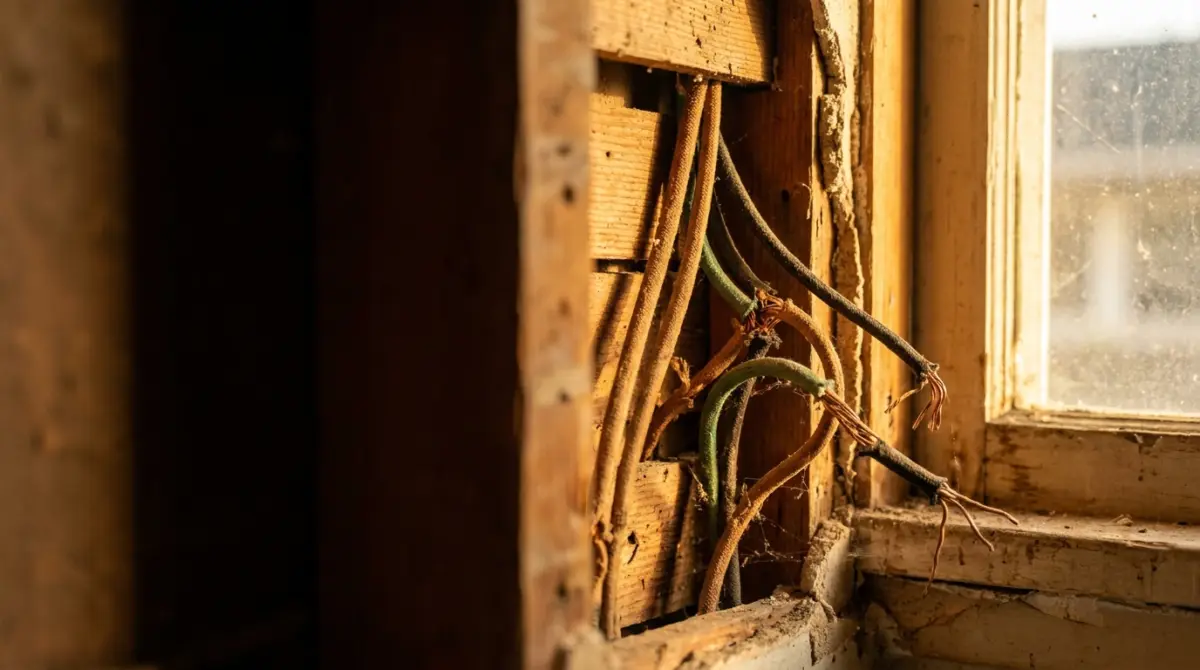
Today, Southern California’s electrical repair sector operates in a high-scrutiny regulatory environment. With thousands of properties dating back to the mid-20th century—many featuring outdated knob-and-tube or early-generation copper-clad aluminum wiring—contractors must balance rapid response times with deep historic preservation knowledge. Modern top-tier contractors utilize fully integrated digital fleets, real-time CSLB credential verification links, and rigid diagnostic protocols. The emphasis has shifted decisively away from "rip-and-replace" sales tactics toward targeted diagnostics that preserve structural integrity while bringing legacy systems up to contemporary safety codes.
Supporting Context & Metrics: Evaluating the Top 5 Southern California Contractors
Selecting a reliable electrical contractor requires examining objective operational metrics. Below is a comparative breakdown of five leading repair contractors serving the Southern California market, evaluated across core performance indicators.
| Contractor | Credential Signal | SoCal Geographic Coverage | Core Repair Strength & Specialization |
|---|---|---|---|
| Blue Moon Electrical | Licensed, Bonded & Insured | Los Angeles Metro & Surrounding Counties | Upfront written pricing, 24/7 emergency availability, broad everyday fault resolution. |
| Express Electrical Services | Licensed, Insured & Bonded | Greater Southern California Region | Rapid same-day dispatch, integrated financing for heavy-duty repairs (panels, sub-panels). |
| Electricians Service Team | Verifiable CSLB #1034067 | Greater Los Angeles & San Diego | Direct credential transparency, full-scope residential and commercial troubleshooting. |
| Powell Electric | Licensed, Insured & Background-Checked | Los Angeles Metropolitan Area | Extensive repeat-customer base, code-current technicians, meticulous residential service. |
| The Electric Connection | Licensed California Electricians | Los Angeles & Immediate Environs | Specialized diagnostic patience for aging infrastructure and older-home wiring quirks. |
1. Blue Moon Electrical — Best All-Round Repair Contractor
Operating with over two decades of hands-on experience, Blue Moon Electrical has established itself as a cornerstone for routine and emergency electrical repairs throughout the Los Angeles metropolitan area and neighboring communities. As a fully licensed, bonded, and insured entity, the firm tackles the most common residential and commercial fault categories—including dead outlets, persistently tripping breakers, faulty wall switches, and aging sub-panels—with reliable efficiency.
- Operational Highlights: Same-day dispatch availability paired with round-the-clock (24/7) emergency responsiveness.
- Pricing & Transparency: Mandates written, upfront pricing only after a comprehensive on-site diagnostic assessment, eliminating hidden surcharges.
- Primary Scope: Outlets, switches, breaker/panel faults, wiring remediation, and interior/exterior lighting circuits.
2. Express Electrical Services — Best for Same-Day Repairs With Financing
With over 35 years of continuous service across Southern California, Express Electrical Services is structured for rapid deployment. Utilizing a fleet of fully stocked mobile service vehicles, the company minimizes the downtime associated with waiting for specialty parts. Because major repairs—such as complete electrical panel upgrades or heavy-duty service mast restorations—can represent a significant unexpected financial burden, the firm provides structured financing options to ease the immediate capital requirement.
- Operational Highlights: Decades of regional footprint stability, fully bonded and insured operations, and comprehensive customer satisfaction guarantees.
- Primary Scope: Main service panel repairs, breaker replacements, wiring fault isolation, mandatory safety upgrades, and standby generator integration.
3. Electricians Service Team — Best for Verifiable Credentials
For property owners prioritizing absolute transparency in licensing and accountability, Electricians Service Team serves Greater Los Angeles and San Diego with an openly published CSLB credential (CSLB #1034067). This allows consumers to independently verify the company’s standing, workers’ compensation coverage, and bond status in seconds. From resolving a single failed kitchen GFCI receptacle to diagnosing complex multi-circuit wiring failures, the team couples direct, transparent quotations with flexible financing options when minor repairs expand into comprehensive overhauls.
- Operational Highlights: Openly verifiable CSLB licensing, direct-line quoting models, and robust geographic coverage spanning two major Southern California hubs.
- Primary Scope: Receptacles, circuit breakers, electrical panels, branch wiring, specialized lighting, and whole-house surge protection systems.
4. Powell Electric — Best Proven Repeat Record
Powell Electric has carved out a distinct reputation within the Los Angeles metro area by cultivating a remarkably large, loyal base of repeat residential and commercial customers. This high retention rate serves as a primary performance metric indicating that their repairs withstand the test of time. Their technicians undergo continuous training regarding the latest iterations of the National Electrical Code (NEC) and are widely recognized for maintaining clean, respectful work environments during intrusive wall or ceiling repairs.
- Operational Highlights: Decades-long customer loyalty metrics, background-checked personnel, and rigorous adherence to current code mandates.
- Primary Scope: Panel overhauls, branch circuit repairs, wiring maintenance, lighting configurations, and general commercial/residential troubleshooting.
5. The Electric Connection — Best for Older-Home Repairs
Southern California is rich in architectural heritage, featuring thousands of homes built in the early-to-mid 20th century. These properties frequently present electrical symptoms that baffle technicians accustomed strictly to modern, standardized construction. The Electric Connection has built its Los Angeles-centric reputation on diagnostic patience and deep familiarity with aging infrastructure. Tracing aged copper wiring, obsolete fuse boxes, and mixed-era junctions requires a methodical approach that prioritizes preservation alongside modernization.

- Operational Highlights: Extensive review history in historic and older Los Angeles neighborhoods; specialized expertise in tracing legacy wiring anomalies.
- Primary Scope: Older-home wiring fault isolation, legacy outlet/switch remediation, and complex circuit troubleshooting.
Official Industry Insights & Expert Perspectives
To maintain journalistic rigor, industry standards and regulatory frameworks must be considered when evaluating electrical contractors. Representatives from consumer protection agencies, electrical safety foundations, and trade associations emphasize specific criteria when hiring professionals for domestic repairs.
The Imperative of Diagnostic Depth
According to veteran C-10 contractors and electrical safety educators, the most dangerous misconception among property owners is that an electrical repair is complete simply because power is restored.
"When a circuit breaker trips, it is performing a life-saving function by interrupting an abnormal flow of current," notes an independent Southern California electrical inspector. "Resetting that breaker without utilizing a multimeter, an insulation resistance tester, or a thermal camera to find out why it tripped is professional negligence. A true repair addresses the root pathology—whether it is a loose neutral connection generating localized heat behind drywall, an ungrounded path, or a compromised cable sheath—rather than merely treating the symptom."
Navigating the Regulatory Landscape in California
The California Contractors State License Board strictly regulates electrical work under the C-10 Electrical Contractor classification. State law dictates that any electrical contracting work valued at $500 or more in combined labor and materials must be performed by a licensed C-10 contractor. Furthermore, reputable contractors must maintain active workers’ compensation insurance for all field employees and a contractor’s bond to protect consumers against incomplete or substandard workmanship.
Industry advocates strongly advise consumers to cross-reference any prospective contractor’s license number directly on the official CSLB online portal prior to signing any service agreements or authorizing diagnostic fees.
Future Outlook: The Evolution of Southern California Electrical Infrastructure
As Southern California looks toward the middle of the 21st century, the demands placed on residential and commercial electrical systems are undergoing a radical transformation. Several macroeconomic and technological trends are reshaping what property owners will require from their repair contractors in the coming years.
1. The Electrification Movement and Panel Capacity
California’s aggressive climate and energy policies—including mandates favoring the transition from natural gas appliances to high-efficiency electric heat pumps, tankless water heaters, and induction cooktops—are drastically increasing electrical loads in residential dwellings. Furthermore, the rapid adoption of Electric Vehicles (EVs) and Level 2 home charging stations means that a standard 100-amp or even 200-amp electrical panel in an older Southern California home is frequently pushed to its absolute thermal and volumetric limits.
Consequently, electrical repairs will increasingly intersect with system-wide capacity upgrades. Contractors who can seamlessly transition a routine repair call into a forward-looking load calculation and panel modernization will become indispensable.
2. Smart Diagnostics and Predictive Maintenance
The integration of Internet of Things (IoT) sensors, smart circuit breakers, and real-time energy monitoring systems (such as Sense or SPAN panels) is shifting electrical maintenance from a reactive model to a predictive one. Future-focused repair contractors are already beginning to utilize cloud-connected diagnostic tools that alert homeowners—and, optionally, their contracted electricians—to micro-arcs, ground faults, or voltage sags before they result in catastrophic component failure or thermal events.
3. Stringent Energy Codes (Title 24) and Code Compliance Pressures
As local building departments enforce stricter energy efficiency and safety standards under California’s Title 24, simple "like-for-like" repairs are becoming legally restricted. When an electrician opens a junction box or replaces a branch circuit, they are increasingly obligated by code to upgrade downstream protection devices. Contractors who stay ahead of these regulatory shifts through continuous education will ensure that Southern California properties remain safe, compliant, and insurable in an evolving insurance market.
Strategic Advice: How to Choose a Repair Contractor You Can Trust
Navigating the hiring process for an electrical contractor requires a methodical, step-by-step vetting strategy:
- Verify the License: Always request the contractor’s license number and check it directly on the CSLB website to ensure the C-10 classification is active, clear of disciplinary actions, and properly bonded.
- Demand Proof of Insurance: Request certificates of liability insurance and workers’ compensation coverage directly from the provider or their insurance agent to shield yourself from liability in workplace accidents.
- Evaluate the Diagnostic Approach: Beware of contractors who offer fixed-price quotes over the phone without inspecting the physical site, or those who quickly flip a breaker and declare the job finished without running diagnostic tests.
- Understand Diagnostic Fees: Clarify whether the initial dispatch or diagnostic fee will be credited toward the total cost of the approved repair work.
- Insist on Written Guarantees: Ensure that all estimates, scopes of work, and warranty terms (covering both parts and labor) are provided in a clear, itemized written document before any physical work commences.
By applying these rigorous criteria, Southern California property owners can transform a stressful, nagging electrical fault into a permanent, code-compliant repair that safeguards both human life and structural property for decades to come.