Executive Overview
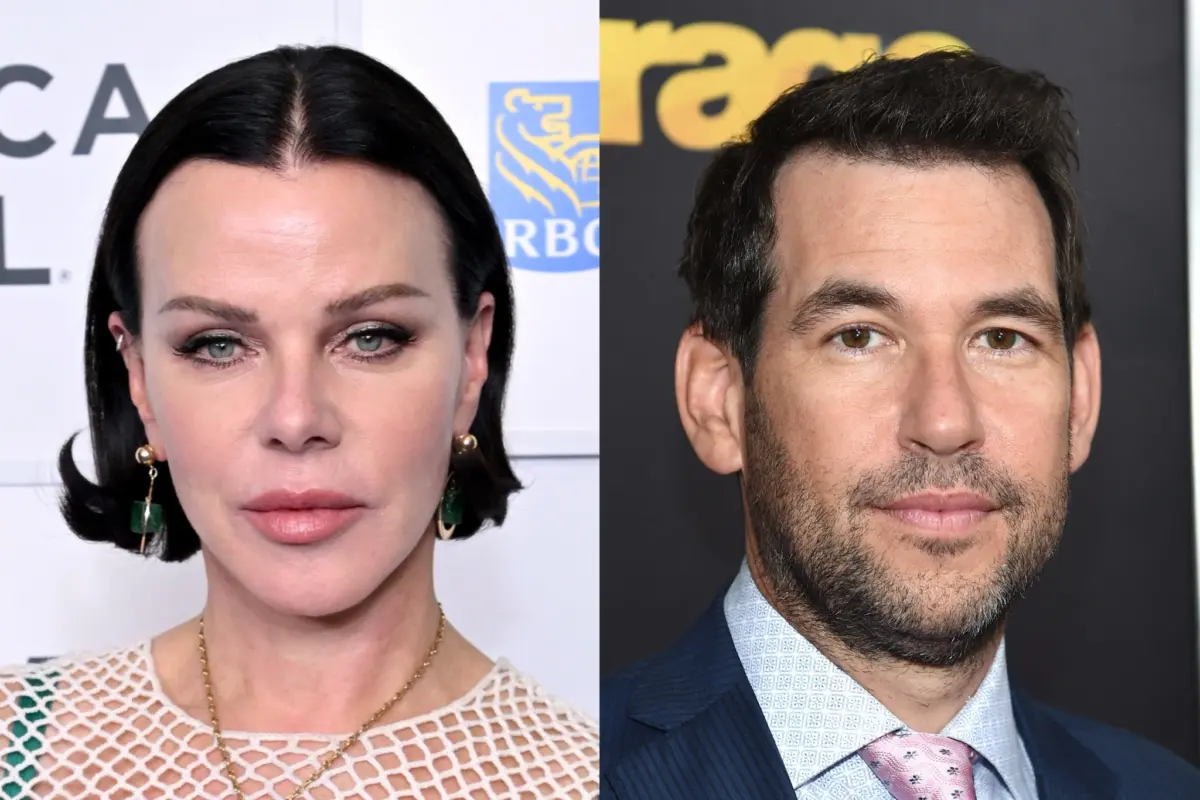
Years after the final curtain fell on HBO’s definitive 2000s male-bonding comedy-drama Entourage, the hit series is once again finding itself trapped in a media storm. What was once celebrated as a breezy, hedonistic victory lap through the upper echelons of Hollywood excess has increasingly become a lightning rod for cultural reassessment. The latest flashpoint involves a fierce public war of words between show creator Doug Ellin and cast member Debi Mazar, who famously portrayed the razor-tongued publicist Shauna Roberts.
Mazar recently ignited a firestorm during a wide-ranging interview with The Times of London, bluntly describing the later seasons of the show as a "toxic," testosterone-fueled environment where she felt body-shamed following her pregnancy. Her revelations have opened a Pandora’s box of retrospective scrutiny, prompting Ellin to fire back with an indignant defense on social media.
This latest controversy arrives at a delicate moment for the legacy of Entourage. As contemporary audiences view the series through a post-#MeToo lens, the show faces mounting critiques over its depiction of women, historical allegations against former cast members, and past accusations of on-set insensitivity. Yet, the discourse remains sharply polarized. While critics and some alumni argue that the set fostered a regressive boys’-club mentality, defenders maintain that the series was merely an authentic, albeit exaggerated, mirror reflecting the ruthless machinations of the entertainment industry.
As Hollywood continues to reckon with past workplace misconduct and shifting power dynamics, the clash between Ellin and Mazar encapsulates a broader cultural battleground: Can a television show beloved for capturing a specific, unfiltered era of male camaraderie survive the rigorous moral standards of the modern era, or is its cultural footprint destined to be defined by the toxicity reported behind the scenes?
Detailed Chronology of the Controversy
From "Joy-Fest" to Testosterone-Fueled Tension
To understand the current friction, one must trace the timeline of production as described by those who lived it. According to Debi Mazar, Entourage did not start out as a hostile workplace. On the contrary, she has frequently recalled the inaugural season as an unalloyed "joy-fest," defined by creative optimism and a tight-knit ensemble eager to discover the show’s unique voice.
However, as the series surged in popularity heading into its third season, the behind-the-scenes atmosphere allegedly began to curdle. Mazar noted that the production evolved into an overwhelmingly male-dominated, testosterone-heavy space. As an outspoken actress who refused to suppress her opinions, Mazar found herself increasingly at odds with the changing cultural temperature on set.
The tipping point for the actress, however, was deeply personal. Having welcomed her second child, Mazar returned to production only to feel targeted regarding her postpartum body. In her interview with The Times, she alleged that the production team and environment "didn’t like that I got fat, even though I got skinny again." Though she maintained her professionalism throughout her tenure and expressed gratitude for the career-boosting role, she admitted that the working experience devolved drastically, summarizing the trajectory with a poignant realization: "It was a lot of fun, until it wasn’t."
Doug Ellin’s Vehement Rebuttal
Mazar’s candid reflections did not go unnoticed by the show’s mastermind. Taking to the platform formerly known as Twitter (X), Doug Ellin launched a blistering counter-offensive to clear his name and defend the integrity of the production environment.
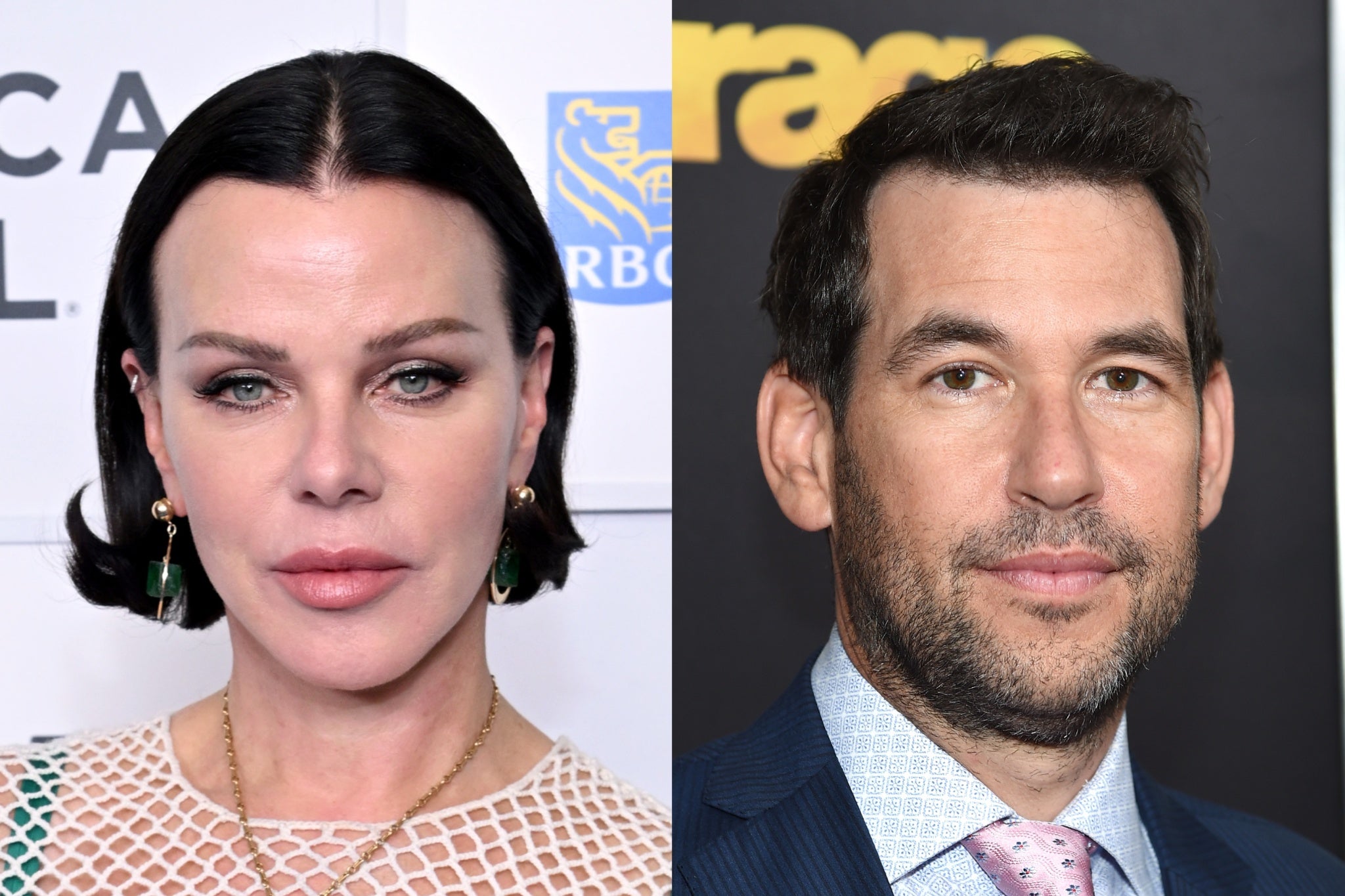
"My thoughts are this is disgusting," Ellin wrote, addressing the body-shaming allegations head-on. "Never, ever did myself or anyone that matters care or discuss Debi Mazar’s body. I would one million percent embrace any woman who got pregnant."
To bolster his argument, Ellin pivoted to how physical appearances were managed for male cast members during production. He openly acknowledged that the only bodies he actively critiqued or shaped on set belonged to male actors: Adrian Grenier, who played movie star Vincent Chase, and Jerry Ferrara, who portrayed the lovable driver, Turtle. Ellin admitted that he pressured Grenier to look more muscular and pushed Ferrara to maintain a heavier frame to fit his character’s initial comedic persona.
Reflecting on Ferrara’s weight during the early seasons, Ellin expressed retroactive remorse, stating he wished he had understood the long-term health implications at the time, though he added that he couldn’t "be happier for Jerry’s transformation" in the years since the show ended. Ferrara famously shed roughly 60 pounds after receiving a medical wake-up call, transitioning into a much healthier lifestyle during the later run of the series and its subsequent 2015 feature film.
Supporting Context & Metrics: The Re-Evaluation of Entourage
The fallout between Mazar and Ellin is merely a symptom of a much larger, systemic re-examination of Entourage. When the series premiered on HBO in June 2004, it captured the zeitgeist of mid-2000s bachelor culture, luxury lifestyle aspirations, and male friendship. Running for eight successful seasons until 2011, it pulled in millions of viewers weekly, earned numerous Emmy nominations, and cemented itself as a pop-culture touchstone.
However, the cultural metric for acceptable on-screen behavior and off-screen workplace conduct has shifted dramatically over the past decade. In the wake of the #MeToo movement, contemporary television critics and younger viewers revisiting the series have increasingly categorized Entourage not as a satirical critique of Hollywood machismo, but as an uncritical celebration of the male gaze and systemic objectification.
Compounding these thematic criticisms are real-world controversies involving key alumni:
- Jeremy Piven: The Emmy-winning actor who played the volatile, fast-talking super-agent Ari Gold faced multiple allegations of sexual misconduct and harassment in 2017 amid the broader industry reckoning. Piven vehemently and repeatedly denied all accusations, maintaining his innocence, but the cloud significantly impacted the legacy of his career-defining role.
- Kevin Connolly: The actor who portrayed Eric "E" Murphy, Vincent Chase’s moral compass and manager, faced allegations of sexual assault in 2020 stemming from an incident in 2005. Connolly denied the claims, but the news further cast a shadow over the core quartet of characters.
- Rex Lee’s Revelations: Beyond the central cast, systemic issues bubbled to the surface as early as 2009. Rex Lee, who played Ari Gold’s long-suffering and frequently humiliated assistant Lloyd, revealed in interviews that he was subjected to homophobic and racist jokes on set—mirroring the verbal abuse his character endured from Ari. While Ellin stated at the time that he intervened after speaking with Lee and discovered crew members making insensitive remarks, the incident highlighted the blurred lines between scripted workplace toxicity and real-world harassment.
Official Statements and Counter-Perspectives
Despite the rising tide of criticism and the explosive claims made by Debi Mazar and Rex Lee, Entourage still commands fierce loyalty from several key figures within its creative family. Chief among them is actress Emmanuelle Chriqui, who played Sloan McQuewick, the intelligent, grounded girlfriend (and eventual wife) of Eric Murphy.
In a podcast appearance defending the series, Chriqui offered a pragmatic perspective, arguing that Entourage was simply a product of its time and an accurate, unvarnished depiction of the industry.

"It was A) a different time and B) not that different to what happens still now," Chriqui stated. "Like, let’s be real. Yeah. It was before MeToo, but every week there’s some new shead who’s going down for something… The truth is that Doug Ellin was a genius and Doug Ellin simply wrote about the s that went on and he did it in an entertaining fashion."
Chriqui also recalled Ellin’s frequent defense of the show’s boundary-pushing scripts: "Doug used to say, ‘My god, this is tame compared to what the real story is.’"
This defense underscores a fundamental ideological split among the show’s stakeholders. To creators and defenders like Ellin and Chriqui, Entourage was a satirical, dramatized-yet-truthful pastiche of the testosterone-soaked agency boardrooms and luxury bachelor pads of Los Angeles. To detractors and alumni like Mazar, however, the blurred lines between art and reality ultimately fostered an exclusionary, hostile environment where vulnerability—such as pregnancy—was met with disdain rather than support.
Future Outlook: The Legacy of a Pop-Culture Relic
As representatives for both Debi Mazar and HBO weigh in on the unfolding saga, the debate surrounding Entourage highlights the complex challenge of preserving television history in an era of rapid social evolution.
Shows created in the early 2000s occupy an awkward purgatory. They were crafted during an era when edgy workplace humor, casual objectification, and unchecked male bravado were rewarded by network executives and embraced by mainstream audiences. Today, those same creative choices are subjected to rigorous ethical audits.
The friction between Doug Ellin’s defensive stance and Debi Mazar’s candid recollections proves that the wounds left by the production of Entourage have not fully healed. Whether the series can successfully weather this era of retrospective accountability remains to be seen. What is certain, however, is that the mythos of Entourage—long built on an unbreakable brotherhood of loyalty, success, and endless luxury—will forever be complicated by the human cost whispered about behind the cameras.