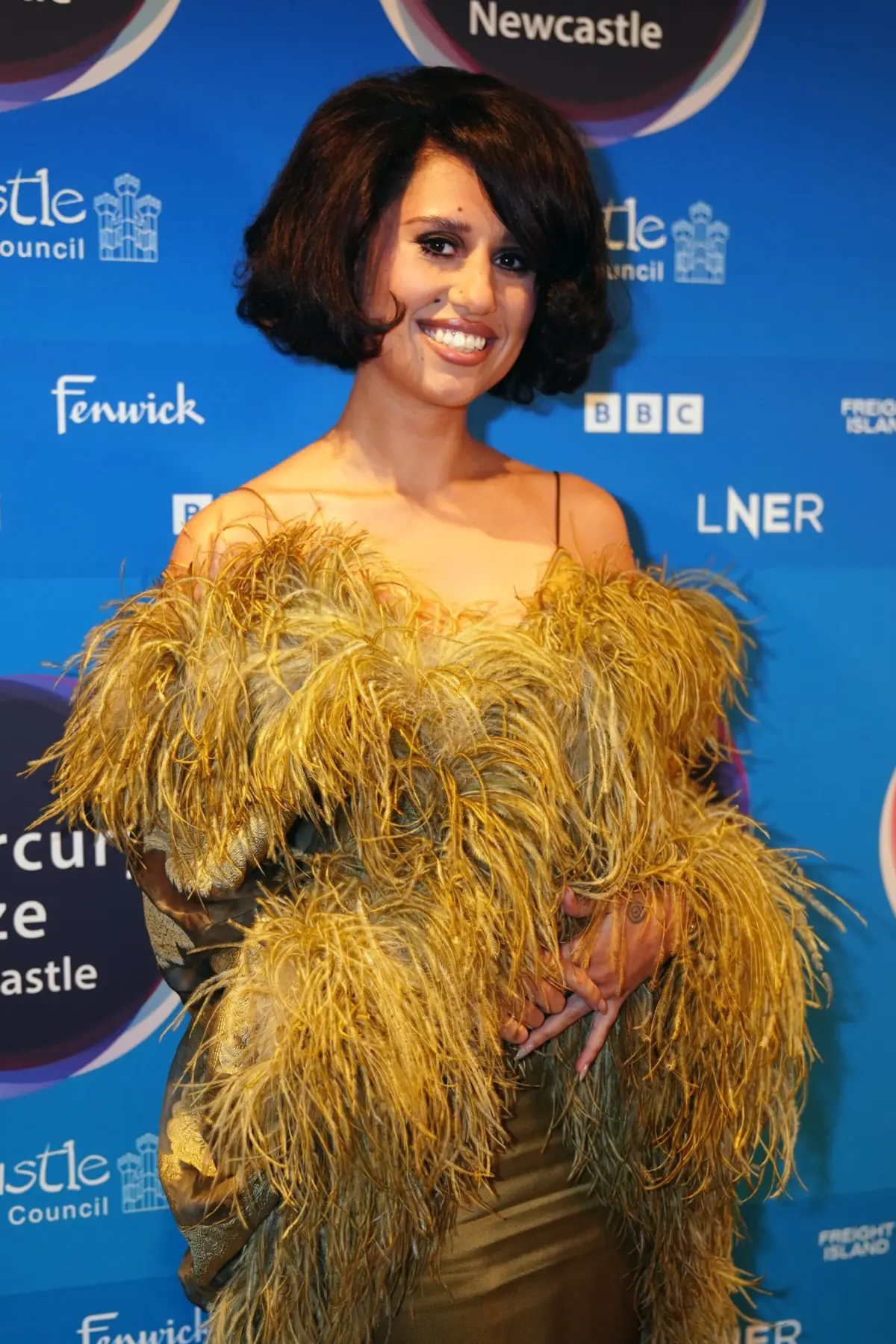
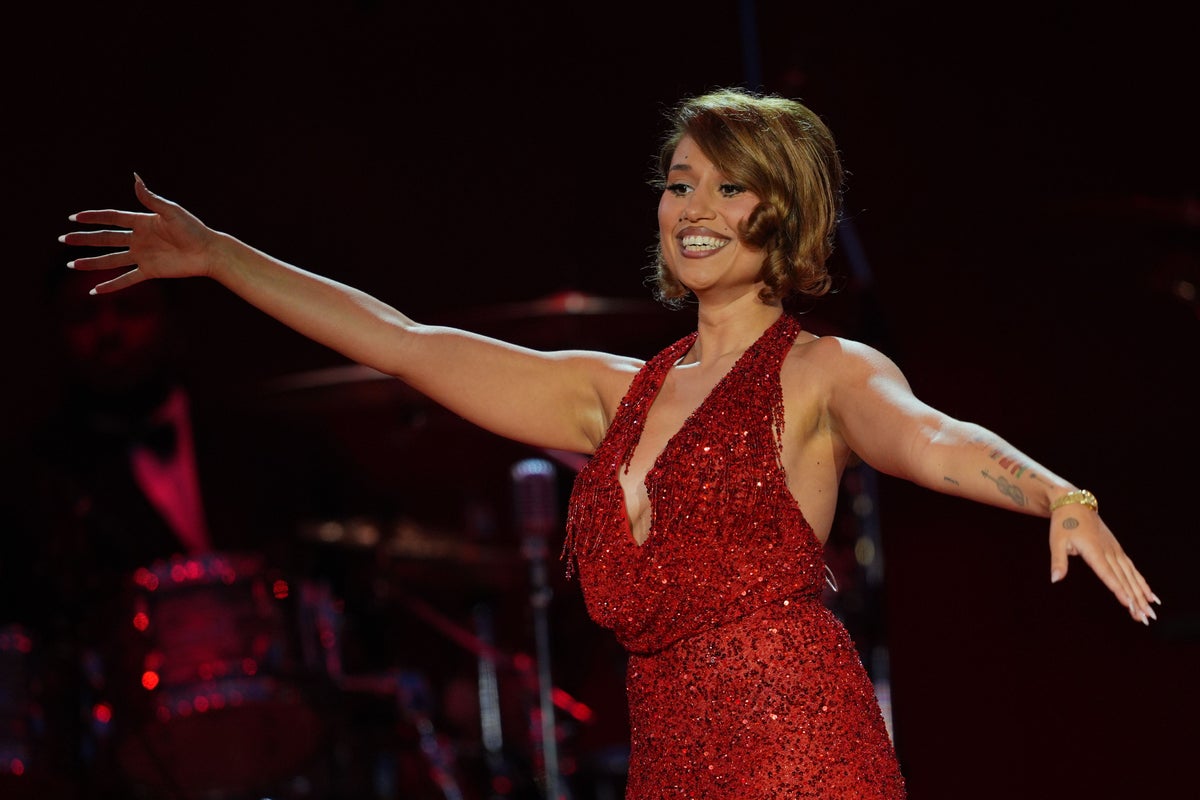
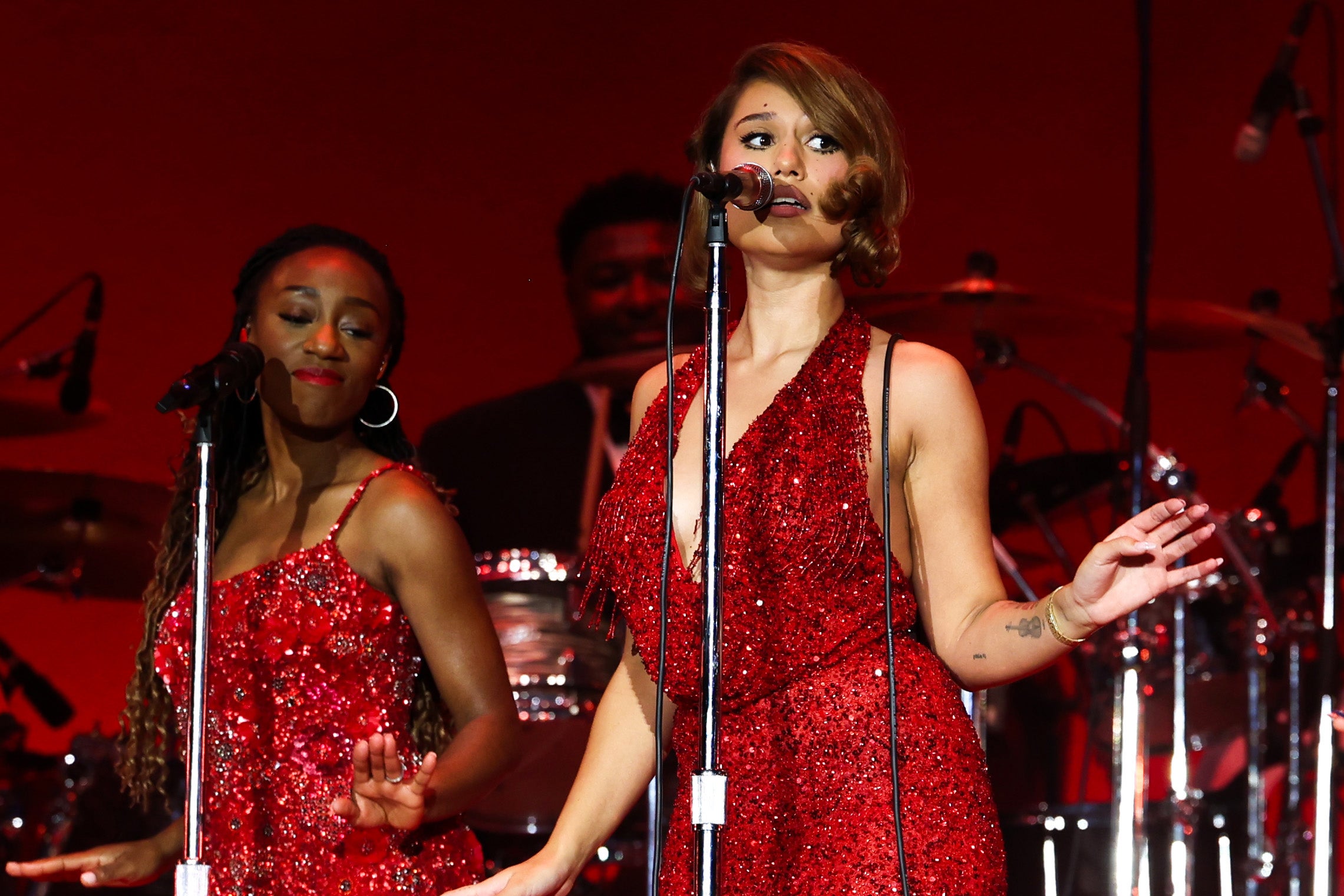
In a landmark victory for modern genre-blending artistry, British singer-songwriter RAYE has won the prestigious 2026 Mercury Prize for her critically acclaimed sophomore album, This Music May Contain Hope. Announced at a vibrant ceremony hosted by BBC Radio presenter Lauren Laverne at the Utilita Arena in Newcastle, the £25,000 award cements RAYE’s status as one of the definitive musical powerhouses of her generation.
Beating out a formidable shortlist that included heavy-hitting contenders such as soul singer Olivia Dean, rapper Dave, former Little Mix star JADE, Florence and the Machine, and 84-year-old music legend Sir Paul McCartney—who secured his first-ever Mercury nomination with The Boys of Dungeon Lane—RAYE’s win marks a rare, high-profile triumph for a pop-leaning record. Historically, the Mercury Prize has favored rock, indie, hip-hop, and electronic genres. However, This Music May Contain Hope defied industry categorization through its rich tapestry of jazz, blues, R&B, and a notable collaboration with legendary film composer Hans Zimmer.
The judging panel praised the record for its "scale, structure, ambition, and sheer charm," emphasizing its relevance in an era dominated by singles and streaming algorithms. For RAYE, born Rachel Keen, this accolade represents yet another milestone in an extraordinary career resurgence that has seen her transition from a major-label outcast fighting for her artistic freedom to an independent titan sweeping global awards.
Detailed Chronology: The Road to the 2026 Mercury Prize
From Label Stalls to Independent Freedom
To understand the weight of RAYE’s 2026 Mercury Prize victory, one must look back at the arduous professional and personal hurdles she cleared to reach this point. For years, the South London-born artist was trapped in a major-label purgatory under Polydor Records, where executives repeatedly shelved her completed body of work and denied her the opportunity to release a debut album.
In 2021, RAYE made the courageous decision to buy out of her contract and go independent. This pivotal gamble bore magnificent fruit in early 2023 with the release of her debut independent album, My 21st Century Blues. The record debuted at Number Two on the UK Albums Chart, anchored by the global viral phenomenon "Escapism."
The momentum snowballed into 2024, when RAYE achieved a historic, record-breaking six wins at the Brit Awards in a single night. From there, her trajectory was meteoric: a Grammy Award win, a triumphant main-stage performance at Glastonbury Festival, and a sold-out arena tour.
The Making of This Music May Contain Hope
Entering the studio for her second album, expectations were astronomically high. Rather than playing it safe, RAYE leaned further into theatricality, orchestral arrangements, and raw emotional vulnerability.
The album’s lead-up was defined by standout singles like "Where Is My Husband!", which showcased her signature blend of witty lyrical observation and soaring vocal acrobatics. By enlisting film composer Hans Zimmer for select arrangements, RAYE blurred the lines between contemporary pop and cinematic soundscapes.
When the 2026 Mercury Prize shortlist was announced in the summer, industry watchers immediately noted the eclectic nature of the nominees. Yet, as the autumn ceremony approached, This Music May Contain Hope emerged as the critical frontrunner, praised for its rare combination of old-school Hollywood razzle-dazzle and stark, kitchen-sink realism.
The Newcastle Ceremony
For the second consecutive year, the Mercury Prize ceremony took place outside of London, occupying the Utilita Arena in Newcastle following its historic relocation in 2025 (where Sam Fender won for People Watching).
The night featured electrifying live performances from several shortlisted acts, including a powerful rendition by Olivia Dean, JADE, rock veterans Suede, and local Newcastle jazz outfit Knats. When Lauren Laverne finally announced RAYE as the winner, the arena erupted, recognizing a triumph for both independent artistry and uncompromising creative vision.
Supporting Context & Metrics: The 2026 Contenders and the Prize’s Evolution
The Shortlist and Commercial Pressures
The 2026 Mercury Prize shortlist was one of the most star-studded and diverse lineups in the award’s history. Alongside RAYE, the 12 nominated albums reflected a broad spectrum of British and Irish music:
Sir Paul McCartney – The Boys of Dungeon Lane (marking his first-ever Mercury nomination at age 84)
Olivia Dean – [Soul-inflected contemporary release]
Dave – [Critically acclaimed rap opus]
JADE – [Critically praised solo debut transition]
Florence and the Machine – [Theatrical indie-rock mastery]
Despite the brilliance of the shortlist, the Mercury Prize has faced ongoing debates in recent years regarding commercialization. Critics have argued that the prize occasionally leans too heavily toward established, major-label acts with existing commercial clout, drifting away from its founding mission of championing underground, emerging talent who stand to benefit most from the financial exposure.
However, the inclusion of independent artists like RAYE—who fought tooth and nail for ownership of her art—bridges the gap between commercial success and underground artistic integrity.
The Judging Panel
The weight of the 2026 award rests upon a diverse, industry-spanning judging panel chaired by Jeff Smith. The panel comprised esteemed musicians, broadcasters, and journalists, including:
MistaJam
Jamie Cullum
Lea Stonhill
Sian Eleri
Phil Alexander
Will Hodgkinson
Afrodeutsche
Sophie Williams
Daniella Perry
Their collective selection of RAYE signals a validation of grand-scale, ambitious pop music that refuses to compromise on lyrical depth or musical composition.
Official Statements and Critical Reception
The Judges’ Verdict
In their official statement, the 2026 Mercury Prize judging panel elaborated on why This Music May Contain Hope ultimately claimed the coveted "Album of the Year"
"While the 12 albums shortlisted for the 2026 Mercury Prize were wildly different, each one demonstrated how the album continues to be the ideal format for an artist or group wishing to get their artistic statement out into the world.
We believe the album continues to have an important role to play in music in the age of streaming, which is why the judges felt the scale, structure, ambition, and sheer charm of this year’s winner was the right choice for the 2026 Mercury Prize ‘Album of the Year’.
RAYE displays real imagination and scope in showing what an album can be, going beyond any one style or genre to realise her vision. The judges agreed that RAYE’s superb album will serve as a huge inspiration for years to come."
The judges specifically lauded the record for telling "a story about a young woman navigating the everyday trials of life and love, on an album that is joyous and indeed hopeful."
Critical Acclaim
The Independent awarded This Music May Contain Hope a glowing five-star review upon its release, highlighting RAYE’s fearless commitment to emotional transparency and sonic grandeur:
"Her appetite for the heart-on-sleeve razzle dazzle of it all is glorious. This Music May Contain Hope is a pure audio spectacle that will have you screaming for an encore."
Future Outlook: What RAYE’s Win Means for the Industry
RAYE’s victory at the 2026 Mercury Prize is more than just a personal milestone; it is a cultural bellwether for the music industry at large.
The Re-Valuation of the Album Format: In an era where streaming platforms incentivize bite-sized, 120-second tracks engineered for TikTok virality, RAYE’s win proves that cinematic, narrative-driven, full-length albums still hold immense cultural and artistic currency.
The Triumph of Independence: Having broken free from the major-label machine, RAYE remains a beacon for artists seeking creative autonomy. Her continued dominance across the BRITs, Grammys, and now the Mercury Prize demonstrates that artists can achieve the highest echelons of critical and commercial success entirely on their own terms.
Genre Fluidity: By blending jazz, soul, blues, classical orchestration, and pop, RAYE has dismantled antiquated genre boundaries. Future artists looking to break through the rigid categorizations of modern music festivals and award shows will undoubtedly look to This Music May Contain Hope as a masterclass in borderless artistry.
As RAYE lifts yet another trophy into the Newcastle air, one thing is certain: her musical journey, once fraught with roadblocks, has entered a golden era of limitless potential.