Executive Overview
In a landmark development for electronic music history and avant-garde pop culture, pioneering New York art-pop duo Fischerspooner have officially announced a comprehensive partnership with Demon Records. This sweeping archival initiative is set to rescue, remaster, and reintroduce the group’s influential body of work to both longtime devotees and a new generation of listeners.
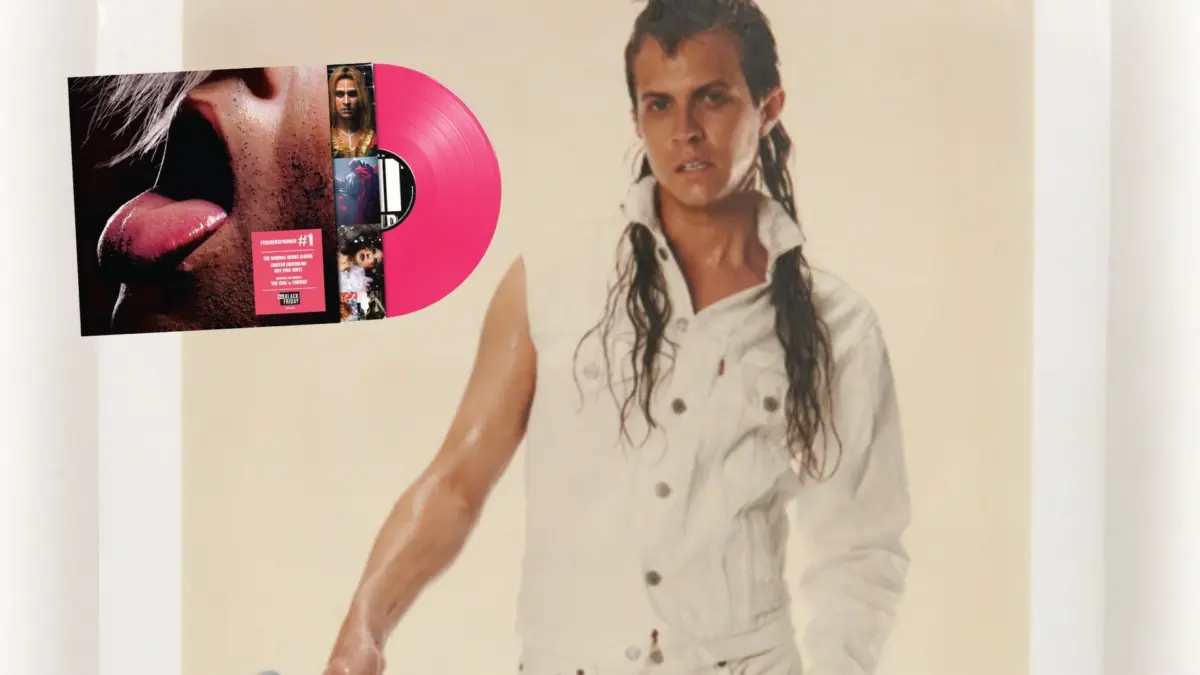
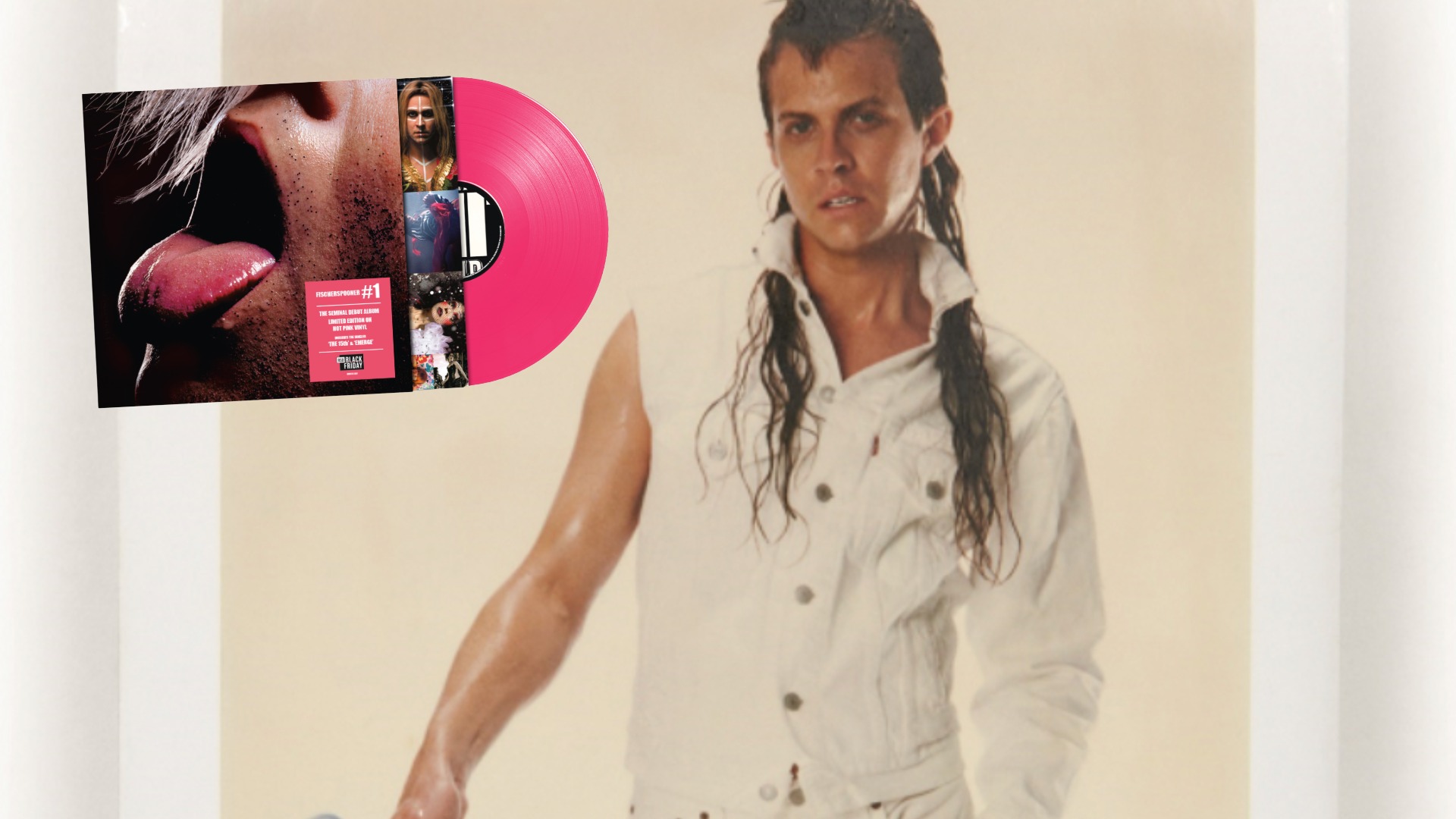
The campaign launches with a vibrant, highly anticipated hot pink vinyl LP edition of their groundbreaking 2001 debut studio album, #1. This release marks the first time the record has been pressed on vinyl since its original, limited run in the early 2000s. Slated for release on November 27, the limited-edition LP will debut exclusively through participating independent record shops as part of this year’s Record Store Day Black Friday event.
Beyond this initial collector’s item, the multi-tier reissue series will culminate in a comprehensive, definitive box set scheduled for release in the spring of 2027. This broader retrospective will encapsulate decades of multimedia experimentation, high-concept visual art, and genre-blurring electronic music.
Formed in 1998 by classically trained musician Warren Fischer and performance artist Casey Spooner, Fischerspooner emerged from the underground New York art scene to challenge the conventions of popular entertainment. Blending aggressive electroclash, theater, fashion, and conceptual art, the duo carved out a distinct blueprint for modern performance-driven pop. Throughout their career, they have not only produced iconic original anthems but have also lent their visionary remixing talents to heavyweights across the musical spectrum, including Kylie Minogue and The Killers.
This partnership with Demon Records represents more than a simple nostalgia trip; it is an institutional validation of a project that constantly blurred the lines between high art and commercial pop long before the contemporary digital era made such hybridization the industry standard. As physical music archiving gains renewed cultural importance, the upcoming campaign ensures that Fischerspooner’s radical contributions to music history are properly cataloged, preserved, and celebrated.
Detailed Chronology: From Underground Art Experiment to Global Electroclash Icons
To understand the cultural weight of Fischerspooner’s catalogue revival, one must trace the trajectory of an act that treated pop music as a living, breathing canvas.
1998–2000: The Genesis in the New York Underground
Fischerspooner was born in New York City in 1998, initially conceived as a transient performance art project rather than a traditional band. Warren Fischer and Casey Spooner sought to dissect, mock, and elevate the mechanisms of modern entertainment. Their early shows were theatrical spectacles staged in unconventional venues—art galleries, underground clubs, and impromptu warehouse spaces—rather than traditional rock or electronic music circuit locations.
During these formative years, the duo operated as a collective, integrating massive casts of dancers, elaborate costume designs, live musicians, and conceptual video art. They questioned the authenticity of live performance by aggressively playing with lip-syncing, towering fashion-forward aesthetics, and ironic choreography.
2001–2003: The Breakthrough of #1 and the Electroclash Explosion
In 2001, the duo independently released their debut album, #1, a record that would inadvertently become a foundational pillar of the early-2000s "electroclash" movement. Driven by infectious, synthesizer-heavy production, deadpan vocal delivery, and an intoxicatingly glossy sheen, tracks like "Green Eyes," "Emerge," and "Sweet Knockout" captured the decadent, post-millennial underground club ethos.
The breakout single "Emerge" became an international club phenomenon, catapulting Fischerspooner from downtown New York art darlings to global touring sensations. The album’s original physical pressings quickly vanished from shelves, turning early vinyl editions of #1 into sought-after collectors’ items fetching high prices on the secondary market. Major labels took notice, leading to a high-profile signing with Capitol Records, which re-released #1 to a broader worldwide audience in 2003, complete with revamped packaging and expanded music videos.
2005–2009: Evolution, Major Label Realities, and Odyssey & Entertainment
As the decade progressed, Fischerspooner expanded their sonic palette far beyond the minimal synth-driven beats of #1. Their sophomore album, Odyssey (2005), saw the duo collaborating with legendary figures like Peter Buck of R.E.M. and orchestrating a lush, organic, yet electronic art-rock hybrid. While polarizing to purists who expected an endless continuation of club bangers, Odyssey proved that Fischerspooner refused to be boxed into a single subgenre.
By 2009, the duo released their third studio album, Entertainment, a record that synthesized their theatrical roots with sophisticated dance-pop production. During this era, Fischerspooner also cemented their reputation as elite remixers. They lent their distinct aesthetic to iconic mainstream and indie acts alike, reinterpreting tracks for Kylie Minogue, The Killers, Fischerspooner’s contemporaries Bloc Party, and international pop royalty.
2010–2018: Fine Art Interludes and Sir
Entering the 2010s, Fischer and Spooner intermittently stepped back from relentless touring schedules to pursue individual fine art projects, gallery exhibitions, and theatrical productions. However, the creative engine never truly stopped.
In 2018, the duo returned with their critically acclaimed fourth studio album, Sir. Executive produced by Michael Stipe of R.E.M., Sir was a deeply personal, emotionally charged record that explored themes of heartbreak, identity, and queer sexuality. It showcased a matured Fischerspooner—artists who had helped shape the modern pop landscape now reflecting on their enduring legacy.
2026 and Beyond: The Demon Records Archival Campaign
The announcement of the Demon Records partnership opens the latest chapter in the Fischerspooner chronology. By bringing their seminal 2001 debut back to vinyl for Record Store Day Black Friday 2026, and laying the groundwork for a definitive box set in spring 2027, the duo is taking active control of their historical narrative.
Supporting Context & Metrics: The Cultural and Commercial Impact of #1
The re-release of #1 is not merely a nostalgic exercise for indie record collectors; it represents a reappraisal of a record that was years ahead of its time.
The Vinyl Renaissance and Record Store Day Black Friday
In the modern music economy, physical media has undergone a dramatic renaissance. Vinyl records have consistently outperformed CDs in physical sales growth over the past decade. Within this landscape, Record Store Day (RSD) and its Black Friday counterpart have become vital economic engines for independent record shops.
Demon Records’ decision to issue #1 on hot pink vinyl as an RSD Black Friday exclusive aligns perfectly with consumer demand for high-value, aesthetically striking collector’s items. The scarcity of original 2001 pressings guarantees high demand among collectors of early-2000s alternative and electronic music.
The Blueprint for Modern Pop Performance
When #1 dropped in 2001, the contemporary music landscape was heavily dominated by traditional rock bands, teen pop idol groups, and orthodox dance music producers. Fischerspooner introduced a blueprint that modern pop titans—from Lady Gaga and Lorde to Charli XCX and The 1975—would later refine and take to stadium scales:
- High Fashion as Music Packaging: Fischerspooner treated fashion design as an equal partner to sonic composition, working with avant-garde designers to craft distinct visual eras for their music.
- Irony and Artifice: Long before internet culture weaponized irony, Fischerspooner openly played with the artificiality of pop stardom, presenting themselves as corporate entities, art projects, and pop stars simultaneously.
- Genre Agnosticism: By seamlessly merging disco, punk, electronic body music (EBM), and high-art performance theory, they demonstrated that dance music could be both deeply intellectual and fiercely physical.
Official Statements: Insights from Warren Fischer and Casey Spooner
The artists themselves have offered profound reflections on the journey of unearthing their archive and presenting #1 to a brand-new generation of listeners.
Warren Fischer on the Experimental Origins of the Duo
Classically trained musician Warren Fischer reflected on the initial motivations behind forming the project in 1998, emphasizing that Fischerspooner was designed from day one to question the very nature of entertainment.
"Fischerspooner started in 1998 as an experiment incorporating music, image, and performance to explore what entertainment was and could be," Fischer explains.
"Sincere and absurd, I’m excited #1 is coming back on vinyl with Demon, so people can hear it again on its own terms, twenty-five years later."
Fischer’s emphasis on the duality of being "sincere and absurd" captures the essence of the band’s catalog. They never mocked their audience; instead, they invited the audience into a theatrical satire of the entertainment industrial complex while simultaneously delivering undeniable bangers.
Casey Spooner on Archiving and Unseen History
Performance artist and charismatic frontman Casey Spooner expressed immense gratitude toward the archival process, hinting that the upcoming 2027 box set will reveal treasures that have never before seen the light of day.
"It’s exciting that all our creative work and history is being carefully preserved," Spooner notes.
"To have all these ideas gathered in one place and properly archived is a huge gift. There’s so much more that hasn’t been seen and amazing stories yet to be told."
Spooner’s comments underscore the multi-disciplinary nature of Fischerspooner. Beyond the master audio tapes and vinyl lacquer cuts, their archive includes hundreds of hours of performance art footage, unreleased video treatments, radical costume sketches, polaroids from downtown New York loft parties, and conceptual manifestos that document the underground art scene at the turn of the millennium.
Future Outlook: What to Expect from the Demon Records Campaign (2026–2027)
As the music world prepares for the November 27 release of the #1 hot pink vinyl LP, speculation and anticipation are already building toward the grand finale of the Demon Records campaign in the spring of 2027.
1. The Hot Pink Vinyl Drop (November 27)
- Format: Heavyweight colored vinyl LP (Hot Pink).
- Availability: Exclusive to participating independent record stores via Record Store Day Black Friday.
- Significance: First official vinyl pressing since the early 2000s, featuring remastered audio optimized for modern turntable systems while retaining the raw dynamic range of the original indie release.
2. Deepening the Archival Retrospective
Music historians and fans are eager to see how Demon Records will approach the comprehensive box set slated for spring 2027. Potential components of such an exhaustive release typically include:
- Remastered Discography: Definitive vinyl and digital editions of Odyssey, Entertainment, and Sir, alongside #1.
- Rare Remixes and B-Sides: Compilation discs featuring Fischerspooner’s legendary remixes for Kylie Minogue, The Killers, and others, alongside rare 12-inch club mixes that have long been absent from streaming services.
- Visual Artifacts: A hardbound coffee-table book featuring unseen photography, flyer archives from their early New York loft shows, and essays contextualizing the electroclash era.
- Video Content: Restored high-definition transfers of their groundbreaking conceptual music videos and performance art pieces.
3. Cultural Legacy and Ongoing Relevance
In an era where the boundaries between visual art, fashion, and pop music are entirely dissolved, Fischerspooner’s pioneering efforts look less like eccentric outliers and more like prophetic visions. By partnering with Demon Records to solidify their legacy, Fischer and Spooner ensure that future musicians, visual artists, and fans will have unhindered access to one of the most intellectually stimulating and sonically daring projects of the modern musical landscape.
The journey that began in a downtown New York warehouse in 1998 is now being rightfully enshrined in music history. Whether you are a veteran club-goer who danced to "Emerge" on a sweaty dancefloor in 2001 or a Gen Z vinyl enthusiast discovering the vibrant pink pressing this November, Fischerspooner’s invitation to experience the intersection of sincerity and absurdity remains as potent as ever.