Executive Overview
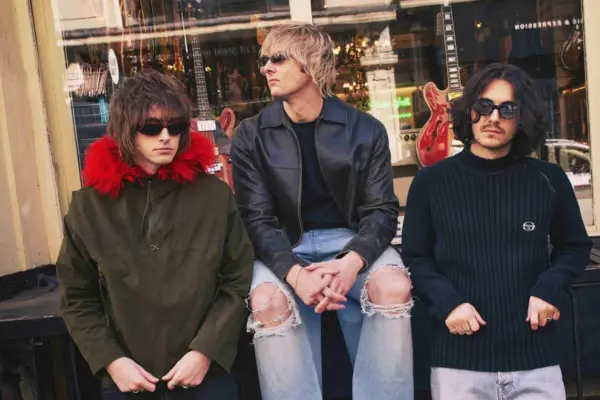
For over two decades, the Liverpool-based experimental outfit Clinic has operated on the fringes of mainstream commercial awareness, constructing a legacy defined by uncompromising aesthetic vision, sonic dissonance, and a steadfast refusal to pander to contemporary trends. Since emerging from the late-1990s underground scene, the duo—comprising core members Ade Blackburn and Hartley—has cultivated an unmistakable identity. Characterized by their trademark surgical masks worn during live performances, acid-laced vocals, driving primitive percussion, and the distinct, reedy timbre of jumble-sale keyboard organs, Clinic represents a rare breed of British art-rock architects who prioritize texture and mood over conventional pop structures.
Now, as they prepare for the release of their tenth studio album, Wild In The Streets, scheduled for release on October 30, the band shows no signs of diluting their singular vision. Serving as an ideal entry point for the uninitiated while offering the dense, enigmatic storytelling long-time devotees have come to expect, the album encapsulates the group’s enduring vitality.
The campaign’s lead single, "Energies," offers a fascinating glimpse into the forthcoming record. Eschewing the more abrasive tendencies of their earlier catalog, the track represents the album’s most direct and compelling overture to the dancefloor. Built upon a deceptively simple blues-inflected guitar riff that gradually metastasizes into an idiosyncratic, high-energy groove, "Energies" bridges disparate musical worlds. According to frontman Ade Blackburn, the track channels "a late-night party feel, a fun-filled combination of Funkadelic, Carl Douglas, and Cabaret Voltaire"—an eclectic triad of influences that could only make sense within the idiosyncratic universe of Clinic.
This extended feature explores the rich trajectory of one of Britain’s most stubbornly brilliant cult acts, examining their historical footprint, the sonic evolution leading up to Wild In The Streets, the cultural significance of their outsider status, and what the future holds as they continue to carve their own solitary path through the modern musical landscape.
Detailed Chronology: From Merseyside Underground to Global Cult Status
To understand Clinic’s current iteration, one must retrace a trajectory that began in the industrial, post-punk fertile ground of late-90s Merseyside. Formed in Liverpool, a city with a towering musical pedigree typically associated with jangle-pop, Merseybeat, and stadium-ready rock, Clinic chose a drastically different path. Drawing inspiration from the shadowy corners of 1960s garage rock, German krautrock, dub reggae, and the intellectual coldness of early-80s industrial music, the band engineered a sound that felt simultaneously antiquated and futuristic.
The Formative Years and Critical Breakthrough (1997–2002)
Clinic initially caught the attention of tastemakers through a series of fiercely independent 7-inch singles released on the homegrown Meridian label, which were later compiled into their legendary, self-titled 1999 mini-album. These early dispatches—featuring tracks like "I.P.C. Subeditors" and "Distortions"—established the band’s blueprint: hypnotic, repetitive basslines, angular guitars, and Blackburn’s distinctively detached, echo-drenched vocals.
The momentum culminated in their official debut full-length album, Internal Wrangler (2000), released via Domino Records. The record was met with widespread critical acclaim, lauded for its claustrophobic intensity and refreshing lack of regard for Britpop conventions. Unusually for an avant-garde rock outfit of their stature, their sophomore follow-up, Walking with Thee (2002), achieved rare international recognition, earning a coveted Grammy Award nomination for Best Alternative Music Album. This unexpected nod thrust the masked Merseysiders into the global consciousness, proving that challenging, avant-garde sensibilities could occasionally penetrate the fortress of mainstream American awards bodies.
Touring Giants and Refining the Aesthetic (2003–2010s)
Throughout the 2000s, Clinic solidified their reputation as a formidable live act, sharing stages with some of the biggest alternative rock bands of the era. Their tours with Radiohead and Arcade Fire exposed them to massive audiences who were often transfixed by the band’s striking visual presentation. Performing entirely in medical-grade surgical masks and hospital scrubs, Clinic effectively neutralized the cult of personality, forcing audiences to engage directly with the visceral power of the music rather than the physical identities of the performers.
Albums such as Winchester Cathedral (2004), Visitations (2006), and Bubblegum (2008) saw the band refining their sonic palette. While maintaining their foundational instrumentation—melodicas, battered organs, and thumping floor toms—they introduced subtle psychedelic flourishes and haunting atmospheric interludes. Later releases like Freezing Point (2010) and Wheelsburn (2012) further mapped out their eerie sonic territory before the band entered a period of relative quiet, punctuated by side projects and reflection, before returning with renewed vigor for the 2020s.
Supporting Context & Metrics: Decoding the Clinic Phenomenon
Evaluating Clinic’s longevity requires analyzing the specific metrics and cultural dynamics that sustain underground acts in the modern streaming era. While commercial pop acts measure success in chart positions and rapid-fire streaming numbers, a band like Clinic operates on a currency of critical endurance, sync placements, and deep-seated collector loyalty.
The Economics of Outsider Art
Operating independently of major label pressures for the vast majority of their career has allowed Clinic creative autonomy at the expense of heavy commercial rotation. However, their steadfast commitment to vinyl culture, gatefold artwork, and limited-edition releases has fostered an intensely loyal global collector base.
- Catalog Depth: Across nine studio albums (leading up to Wild In The Streets), the band has maintained a remarkably consistent critical score average on aggregator sites like Metacritic, typically hovering in the high-70s to mid-80s range.
- Global Reach: Despite their inherently regional British art-punk roots, streaming data indicates robust listener bases in cultural hubs such as London, New York, Berlin, and Tokyo—cities with long-established appetites for avant-garde and experimental rock.
- Influence-to-Sales Ratio: Though commercial sales figures remain modest compared to stadium contemporaries, Clinic’s direct influence on subsequent generations of post-punk revivalists (such as the late-2000s New York scene and the current UK post-punk explosion) is immeasurably high.
Deconstructing the Aesthetic: Why the Masks Matter
The decision to wear surgical masks and hospital attire on stage is frequently misconstrued as a mere gimmick. In reality, it functions as a deliberate conceptual statement. In an era dominated by hyper-personalized social media branding and the relentless cultivation of individual fame, Clinic’s anonymity acts as a theatrical firewall. It strips away ego, turning the stage performance into an anonymous ritual. The music becomes an archaeological dig through modern anxiety, consumerism, and alienation—themes that feel more urgent today than they did when the band first emerged at the turn of the millennium.
Official Statements and Creative Insights
As anticipation mounts for the October 30 release of Wild In The Streets, frontman Ade Blackburn has offered rare insights into the creative philosophy driving the new record, the genesis of the lead single "Energies," and the psychological rewards of maintaining outsider status over a quarter-century.
The Anatomy of "Energies"
Discussing the stylistic departure represented by "Energies," Blackburn highlights the band’s penchant for jarring juxtaposition. Rather than leaning purely into the moody, melancholic undertones of past work, the new single flirts with an uncharacteristic dancefloor sensibility.
"It’s a late night party feel, a fun-filled combination of Funkadelic, Carl Douglas, and Cabaret Voltaire," Blackburn explains, neatly summarizing the track’s infectious yet unsettling groove.
To the uninitiated, combining the psychedelic funk-rock of Parliament-Funkadelic, the martial-arts pop novelty of "Kung Fu Fighting" architect Carl Douglas, and the icy, pioneering industrial synth-punk of Cabaret Voltaire sounds like an impossible stylistic contradiction. Yet, in the hands of Clinic, these disparate reference points are funneled through a singular filter, emerging as a cohesive, rhythm-driven anthem that manages to be simultaneously danceable and deeply uncanny.
Embracing the Fringe
In an industry that constantly incentivizes homogenization and algorithmic conformity, Clinic views their peripheral position not as a limitation, but as their primary source of fuel.
"It’s relatively outsider-ish music," Blackburn reflects candidly. "But that’s something that’s motivated us to keep going."
This quote gets to the heart of Clinic’s extraordinary resilience. By consciously stepping outside the race for mainstream chart dominance, they have insulated themselves from the burnout that often plagues bands chasing commercial trends. They exist in a parallel dimension of rock history—one where artistic integrity is the only metric that matters.
Future Outlook: Wild In The Streets and Beyond
With Wild In The Streets slated for release on October 30 via Domino Records, the music community faces a timely reminder of the value of persistent, uncompromising artistry. As the tenth full-length chapter in an already illustrious career, the album promises to expand upon their established sonic vocabulary while injecting the renewed rhythmic vitality demonstrated by "Energies."
What to Expect from Wild In The Streets
- Genre-Blending Experiments: Building on the Funkadelic-meets-Cabaret Voltaire ethos of the lead single, listeners can anticipate further explorations into rhythmic, danceable territory without sacrificing the band’s trademark atmospheric gloom.
- Lyrical Themes: Given the title Wild In The Streets, the record is expected to touch upon themes of urban alienation, civil unrest, and the surreal nature of modern public life—filtered, naturally, through Blackburn’s cryptic, poetic lens.
- Live Ambitions: While touring logistics in the post-pandemic era remain complex for independent acts, fans eagerly anticipate whether the release will be accompanied by live dates featuring their iconic theatrical staging.
The Enduring Legacy of Clinic
As the musical landscape continues to accelerate through fleeting micro-genres and algorithm-driven hits, the enduring presence of Clinic serves as a vital anchor to an era of deliberate, thought-provoking musicianship. They prove that a band does not need to compromise its vision to survive the decades. By holding fast to their idiosyncratic methods—jumble-sale organs, surgical masks, and a fearless disregard for genre boundaries—Clinic has secured their place not just as a cult favorite, but as one of the most intellectually stimulating and creatively fearless entities in modern British music history.
As Wild In The Streets prepares to drop, the message to both veterans and newcomers is clear: step into the strange, danceable world of Clinic, and discover music that refuses to age.