Executive Overview
For decades, the global music industry has been locked in a high-stakes tug-of-war between homogenized corporate metrics and raw, unfiltered artistic expression. As streaming algorithms increasingly reduce multifaceted human artistry down to transient playlists and algorithmic loops, a rare breed of independent record label continues to stand as a bastion for the idiosyncratic, the experimental, and the genuinely uncompromising. Enter Fire Records—a legendary North London-based institution that has spent decades championing sonic mavericks and carving out an unmistakable niche in the alternative music landscape.
Now, in a move that signals both a defense of its storied heritage and an aggressive push toward a dynamic future, Fire Records has officially opened applications for a Label Manager. Operating out of the label’s tight-knit and loyal headquarters in Dalston, the successful candidate will not merely fill an administrative vacancy; they will step into the beating heart of an alternative cultural ecosystem.
This is not a conventional corporate appointment. Fire Records is explicitly hunting for a seasoned, vastly experienced industry professional who "lives and breathes music"—someone who recognizes that independent music is fundamentally about culture, ideas, and fostering symbiotic relationships between extraordinary artists and hungry audiences. With ambitious, hush-hush expansion plans quietly taking shape behind the scenes, and a mandate that stretches far beyond traditional record sales into the interconnected worlds of publishing, film, live events, and fine art, this opening represents one of the most compelling career opportunities in the independent sector today.
However, the clock is ticking. While the official application window closes on Monday, September 7, the label has made it clear that CVs will be reviewed on a rolling basis as they arrive. For industry veterans with deep-rooted connections, a background in production, and an absolute obsession with underground culture, the race is officially on.
Detailed Chronology: The Evolution of a Cult Independent Institution
To understand the gravity of the Label Manager position at Fire Records, one must first understand the idiosyncratic trajectory of the label itself. Unlike corporate major labels that pivot reactively with every shifting quarterly financial report, Fire Records has built its formidable reputation over the decades by stubbornly following its instincts, taking calculated creative risks, and giving safe harbor to artists who refuse to color inside the lines.
The Foundation and Early Years
Founded on a spirit of radical independence, Fire Records emerged during an era when the British and international independent scenes were redefining the parameters of rock, post-punk, and alternative folk. From its inception, the label rejected the assembly-line methodologies of major label boardrooms. Instead, it operated more like an artistic collective—a home for outsiders run by outsiders.
Over the years, Fire meticulously curated a sprawling, genre-defying catalogue that bridged the gap between American underground legends and British avant-garde pioneers. The label became internationally renowned for signing acts that possessed singular, uncompromising visions. It didn’t chase radio hits; it cultivated culture. This methodology transformed Fire into a beloved touchstone for music critics, record store clerks, and obsessive music fans worldwide.
Expanding the Pan-Generational Blueprint
A defining characteristic of Fire Records’ longevity is its ability to span generations without losing its core identity. The label’s catalogue functions as a living timeline of alternative music history. On one hand, it acts as the custodian for highly influential, established heritage acts whose abrasive, brilliant records shaped the modern alternative landscape. Think of the poetic, noise-scarred brilliance of Throwing Muses; the ragged, infectious indie-rock royalty of The Lemonheads; the ferocious, chaotic underground blues-punk of Royal Trux; the monolithic, drone-heavy doom meditations of Earth; and the feral garage-punk swagger of Black Lips.
Simultaneously, Fire has proven adept at nurturing a cutting-edge contemporary roster that carries the torch forward with equal ferocity. Today, the label is home to boundary-pushing modern acts such as the kaleidoscopic cosmic-jazz voyagers Vanishing Twin, the visionary folk-psych enchantress Jane Weaver, the multi-dimensional sonic architects Tropical Fuck Storm, and the evocative, atmospheric textures of Memorials, among numerous others.
Cultivating the Vanguard of Tomorrow
Crucially, Fire Records has never fallen into the trap of becoming a museum piece dedicated solely to its past glories. A vital part of the label’s operational ethos—and a core expectation for the incoming Label Manager—is an active desire to develop and champion emerging talent.
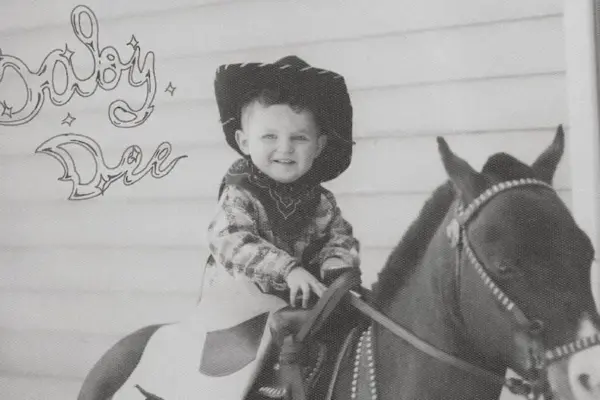
The label’s current roster features a vibrant vanguard of tomorrow’s tastemakers, including the spellbinding songwriting of Haylie Davis and the cosmic, otherworldly explorations of Monde UFO. The next Label Manager will not just manage this existing ecosystem; they will be tasked with identifying, signing, and nurturing the subsequent waves of talent that will define Fire Records’ future chapters.
Supporting Context & Metrics: Operating Within a Broader Creative Ecosystem
The modern music landscape cannot exist in a vacuum. In an era where physical record sales, digital streaming, synchronization deals, and intellectual property intersect in complex ways, Fire Records has intentionally positioned itself at the nexus of a much broader and increasingly interconnected creative ecosystem.
Beyond the Traditional Record Label
For the incoming Label Manager, the role extends far beyond organizing release schedules, managing distribution, and overseeing production. Fire Records maintains close, synergistic relationships with a number of highly respected and culturally influential businesses, projects, and organizations.
Consequently, the day-to-day operations of the label frequently spill over into adjacent cultural verticals. The boundaries separating recorded music from book publishing, high-concept live events, independent cinema, visual arts, and wider counter-cultural movements are increasingly porous at Fire. The new manager will need to navigate these overlapping worlds with ease, identifying cross-platform opportunities that elevate the label’s artists into multimedia spaces.
The Dalston Hub and Production Expertise
Operating out of the label’s offices in Dalston—one of London’s most vibrant, culturally diverse, and creatively charged neighborhoods—the team is famously tight-knit and fiercely loyal. Surviving and thriving in this environment requires a rare blend of operational rigor and bohemian resilience.
Significantly, the label has noted that industry experience, particularly in production, is an absolute prerequisite for the role. The ideal candidate will not only understand the business and promotional mechanisms of the music industry; they will also possess the technical fluency required to speak the language of producers, mix engineers, and artists in the studio. They must know how a record is actually built from the ground up, ensuring that the artistic vision is never compromised between the mixing desk and the pressing plant.
Official Statements and Industry Accolades
Few independent labels command the universal critical reverence that Fire Records enjoys across the global music community. The cultural weight of the label is best illustrated through the praise heaped upon it by legendary artists, renowned critics, and premier independent institutions:
-
Stewart Lee (Comedian & Cultural Commentator):
"Pan-Generational Influencers. One of the Last Great Indie Labels."
-
Kristin Hersh (Throwing Muses / 50 Foot Wave):
"They are by far our best hope for the future of real music."
-
Bandcamp (Global Music Platform):
"Every band on the roster feels like a Fire band."
-
Rough Trade (Iconic Independent Record Store):
"Great artists, classic albums, and just as importantly huge amounts of passion and enthusiasm."
-
BBC 6 Music (The BBC’s Alternative Music Network):
"A truly great label."
These endorsements are not mere marketing soundbites; they reflect an earned reputation for integrity. To work at Fire Records is to wear a badge of honor within the international music community, signaling to artists and fans alike that music remains an art form rather than a mere commodity.
Future Outlook: Expansion on the Horizon
While Fire Records fiercely protects its indie credentials and counter-cultural roots, it is by no means standing still. Behind the scenes, the label is currently laying the groundwork for an ambitious phase of future expansion.
While full details of these strategic developments remain under wraps—slated to be officially announced in due course—the impending growth indicates that the label is scaling up its operations to meet the challenges and opportunities of the modern music economy. For the incoming Label Manager, this expansion offers a rare and thrilling professional challenge: the chance to steer a legendary institution through a pivotal growth phase without diluting the maverick spirit that made it famous in the first place.
The Ideal Candidate Profile
Who is Fire Records actually looking for? According to the label’s open brief, they are searching for someone whose personal life is inextricably bound to music.
- The Disciple of Vinyl: This is someone whose house is literally overflowing with records, and whose relentless curiosity constantly sends them down obscure musical rabbit holes.
- The Culture Bearer: They understand that independent music is fundamentally about ideas, community, and culture—not just chasing streams and retail sales quotas.
- The Connected Insider: They bring a wealth of established industry relationships and a proven track record of handling complex label operations, with a distinct emphasis on production experience.
As the label summarizes in its call to arms: "For the right person, this is much more than a job. It’s an opportunity to become part of a long-standing independent institution while helping shape what comes next."
How to Apply
Time is of the essence for prospective candidates wishing to join the Dalston headquarters.
- Application Requirements: Interested applicants must submit a comprehensive CV alongside a short covering note explicitly outlining their relevant industry experience, production background, and existing industry relationships.
- Submission Email: Applications should be sent directly to [email protected].
- Deadline: The official closing date for applications is Monday, September 7. However, because the label is actively reviewing applications on a rolling basis as they land in the inbox, early submissions are strongly encouraged.
If you are an industry professional who believes that great music and enduring culture still matter in an increasingly digitized world, your next great adventure awaits in Dalston.