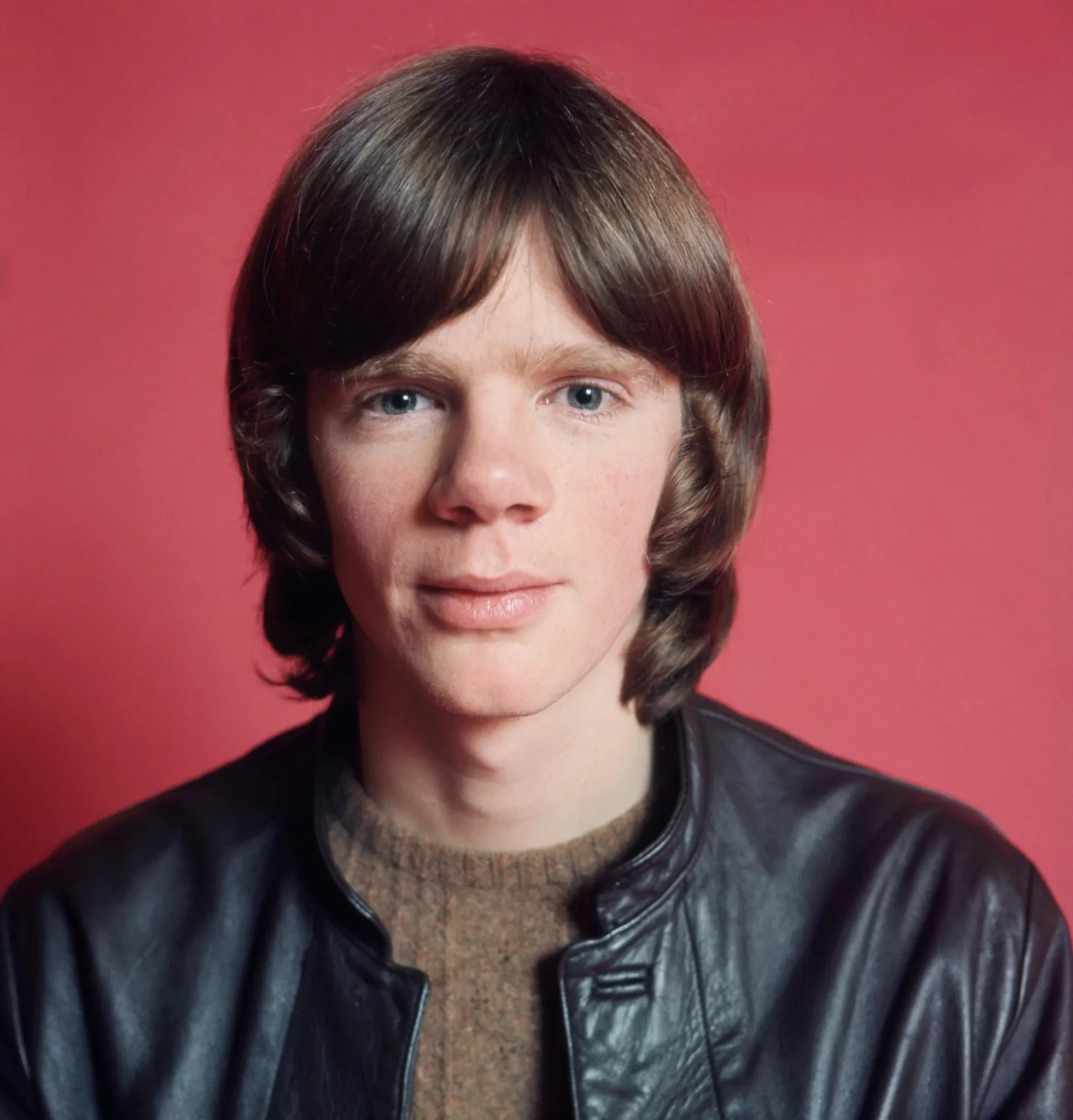
If rock history were mapped out by Pete Frame’s iconic, spindly, hand-drawn Rock Family Trees, few individuals would occupy as many vital intersections as Derek “Blue” Weaver. To trace Weaver’s career is to follow a masterclass in musical connectivity—a dizzying web that spans the psychedelic-tinged pop of Wales’s Amen Corner, the quintessentially English folk-rock of the Strawbs, the glam swagger of Mott the Hoople, and the global disco domination of Australia’s Bee Gees.
Stir in a heavyweight studio discography that runs the gamut from Alice Cooper and Lou Reed to the synth-pop pioneers the Pet Shop Boys, and it becomes immediately clear that Weaver has done far more than merely brush against the zeitgeist. He helped construct it.
Today, operating out of his professional studio in northern Germany at the remarkably sprightly age of 79, Weaver remains as creatively restless as he was during the height of the 1970s session boom. His latest project bridges a half-century gap: the upcoming release of Grave New World Live, a landmark archival live recording capturing the Strawbs performing their pivotal 1972 transition album in Lakeside, New Jersey.
Yet, this release is merely the latest chapter in a staggering life in music. From sliding onto a still-warm piano bench to back up Lou Reed because Steve Winwood had to catch another gig, to pioneering early electronic soundscapes with the Fairlight CMI synthesizer for the Pet Shop Boys, Weaver’s journey is a testament to raw talent, impeccable timing, and an enduring refusal to be musically pigeonholed.
Detailed Chronology: From Cardiff Clubs to Global Chart Supremacy
The 1960s: Amen Corner and the Genesis of a Session Master
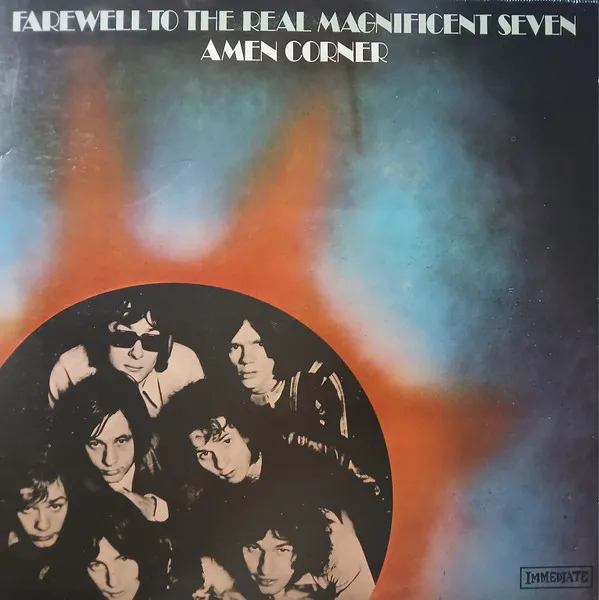
Weaver’s professional life began in the fertile ground of 1960s British pop. As a key member of Amen Corner—alongside future rhythm section partner Dennis Bryon—Weaver experienced the whirlwind of pop stardom with hits like "(If Paradise Is) Half as Nice."
It was during these formative years on the road that Weaver developed the keen ear for arrangement and ensemble playing that would define his later career. Crucially, the camaraderie forged in those vintage tour vans laid the bedrock for a lifetime of professional trust among elite musicians.
The Strawbs and the Prog-Rock Crossroads
Following the dissolution of Amen Corner, Weaver found a spiritual and creative home with the Strawbs. Initially celebrated as a folk outfit, the band underwent a seismic transformation into major-league rockers, largely catalyzed by albums like 1972’s Grave New World.
When keyboard wizard Rick Wakeman famously departed the Strawbs to join Yes, Weaver stepped into the breach, establishing himself as a formidable talent in the progressive rock landscape. His stylistic footprint on the Strawbs’ catalog is indelible. Indeed, Weaver proudly notes that of all the major outfits he contributed to throughout his sprawling career, the Strawbs remain "the only group I never left."
His connection to the band’s visionary leader, the late Dave Cousins (who passed away in July), remains a cornerstone of Weaver’s personal and professional pride. Cousins, Weaver insists, never received the widespread critical recognition he deserved for his profound musicianship and lyricism.
"He’s not just a songwriter, a lyricist, he’s a poet—in every one of his songs, you can take the music away and there’s a story there," Weaver reflects.
The Bee Gees and the Saturday Night Fever Phenomenon
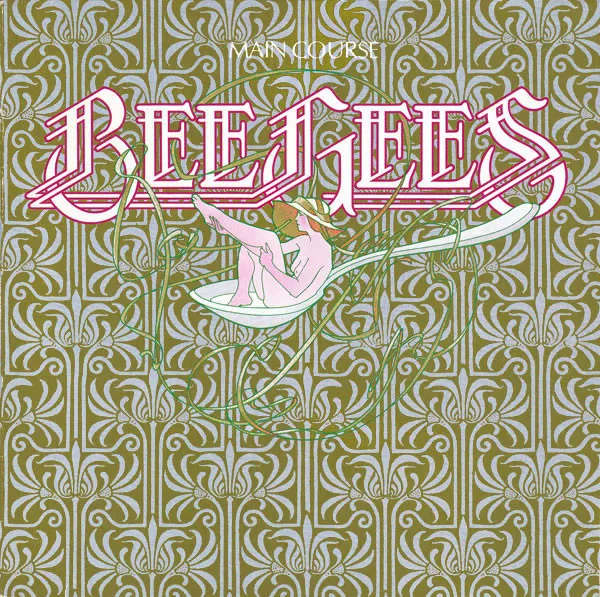
By 1975, Weaver’s trajectory shifted toward the stratospheric heights of global pop superstardom when he joined the ranks of the Bee Gees. This collaboration cemented his status as a hit-making machine. Weaver’s website bears a proud and undisputed claim: he is "the only keyboard player to have played on six consecutive US No. 1 hits."
Working closely with Barry, Robin, and Maurice Gibb, Weaver became an integral architectural element of the Gibb brothers’ golden era. Alongside drummer Dennis Bryon—his old comrade from their Amen Corner days—Weaver provided the shimmering, lush keyboard textures that defined the genre-defining Saturday Night Fever soundtrack and subsequent blockbuster releases.
The 1980s: The Fairlight CMI and the Pet Shop Boys
As the music industry hurtled into the synthesizer-driven 1980s, Weaver was once again at the technological vanguard. Armed with the revolutionary Fairlight CMI digital sampling synthesizer, Weaver bridged the gap between classic analog sensibilities and cutting-edge production.
This technical mastery brought him into an unexpected alliance with the Pet Shop Boys. Following the massive breakout success of "West End Girls," manager Tom Watkins tapped Weaver to help the fledgling duo translate their studio creations into a viable live act.
This collaboration culminated in a historic, surreal live performance at the Institute of Contemporary Arts (ICA) in London in August 1985. Introduced by the semi-animated television icon Max Headroom, the bare-bones stage setup featured only Neil Tennant, Chris Lowe, and Weaver, backed by two Fairlight systems. Lowe even hauled out a trombone—an instrument Weaver had coaxed him into playing on the studio production of "I Want a Lover."
Supporting Context & Metrics: The Session Circuit and Accidental History
The life of a top-tier 1970s London session musician is often defined by serendipity—being in the right room at the exact moment inspiration or necessity strikes. For Weaver, a temporary downturn in fortunes following an early departure from the Strawbs forced him into driving a minicab in London just to pay the rent.
Fate intervened at Morgan Studios, where Weaver bumped into American producer Bob Ezrin. Having previously contributed evocative Mellotron stylings to Alice Cooper’s critically acclaimed Billion Dollar Babies, Weaver was already on Ezrin’s radar.
The ensuing encounter reads like a rock-and-roll fairy tale:
The Hand-Off: Weaver and Ezrin were deep in conversation when Steve Winwood abruptly realized he had to depart immediately for another professional engagement.
The Seating: Left without a keyboard player for the session, Ezrin surveyed the room, his eyes locking onto Weaver.
The Enlistment: Ezrin opened the studio door, guided Weaver onto the still-warm piano bench, and introduced him to heavyweights Jack Bruce, Aynsley Dunbar, and guitarist Steve Hunter.
The Result: Following a quick, impromptu warm-up jam, Lou Reed walked into the studio. Chords were hastily scribbled down on paper, Weaver’s fingers hit the keys, and the track "Men of Good Fortune" from Reed’s landmark Berlin album was born.
By the Numbers: Weaver’s Impact
6 Consecutive US No. 1 hits as a keyboardist for the Bee Gees.
79 Years of age, currently active in the studio and touring across Europe.
1 Honorary Professorship in Music at Bangor University (utilizing his rich catalog as an educational tool).
50+ Years of recording history, stretching from the 1960s British beat boom to contemporary archival releases.
Official Statements and Personal Reflections
Reflecting on his near-misses and sliding-door moments with other legendary ensembles, Weaver maintains a characteristically wry perspective. Consider his relationship with the Moody Blues, whose landmark 1967 orchestration Days of Future Passed had transfixed a young Weaver while touring in the Amen Corner van.
It was only after the death of drummer Graeme Edge that Weaver discovered a startling posthumous revelation: Edge had revealed in interviews that the Moody Blues had seriously considered asking Blue to join the band following the departure of Patrick Moraz.
"I thought, ‘Graeme, you never told me,’" Weaver laughs. "Had it happened, I’d have been Moody Blue Weaver…"
This full-circle irony extends to his relationship with the progressive rock giant Yes. In 1974, Weaver was approached to succeed Rick Wakeman following Wakeman’s initial departure—a role Weaver had similarly inherited when joining the Strawbs. Declining the offer due to his distinct stylistic identity—"Rick was always Rick and I was me. I couldn’t, I can’t, play like him"—Weaver instead recommended Patrick Moraz to the band, effectively acting as the central switchboard for progressive rock’s keyboard lineage.
Today, Weaver’s pedagogical contributions have been officially recognized. Appointed as an honorary Professor of Music at Bangor University—a distinction that brings him endless amusement given his self-confessed truancy as a youth—he uses his decades of practical studio and touring experience to instruct the next generation of creators.
Future Outlook: Grave New World Live and Beyond
Far from resting on his laurels or retreating into quiet retirement, Derek "Blue" Weaver is as active as ever. On October 9, 2026, music enthusiasts and vinyl collectors will see the official release of Grave New World Live, capturing the Strawbs’ triumphant 2019 performance in Lakeside, New Jersey.
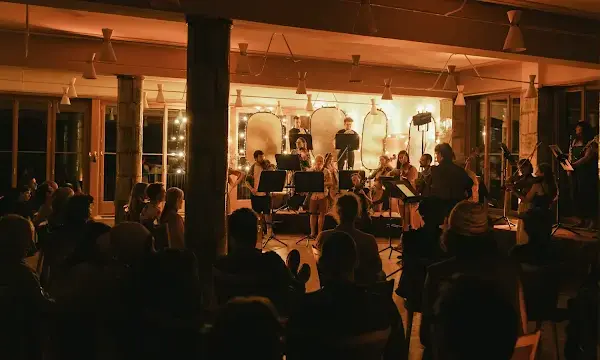
The recording captures a unique moment in modern rock archaeology. Featuring a humorous narrative introduction by Wesley Stace, the performance showcases a band that successfully blurred the lines between intimate folk storytelling and arena-ready rock dynamism.
Furthermore, Weaver continues to tour Europe with a critically acclaimed stage show celebrating the musical legacy of the Bee Gees. Accompanied by the Egiziano brothers—three Italian vocalists whose authentic harmonies initially stopped Weaver in his tracks—and frequently joined by former Bee Gees guitarist Vince Melouney, the production explicitly rejects the label of a conventional "tribute act."
"We’re the one band that doesn’t pretend to be the Bee Gees," Weaver insists. "The show is called Massachusetts, and it’s with the Egiziano brothers."
As Grave New World Live prepares to hit shelves and Weaver continues to captivate audiences across international stages, the music world is reminded of the profound value held by architects like Blue Weaver. He is the man who could seamlessly join the dots between Amen Corner, the Strawbs, Mott the Hoople, and the Bee Gees, ensuring that the foundational threads of modern popular music remain forever interconnected.
Interview by Michael Heatley. Strawbs’ 50th Anniversary release, Grave New World Live, drops on October 9, 2026.