Executive Overview
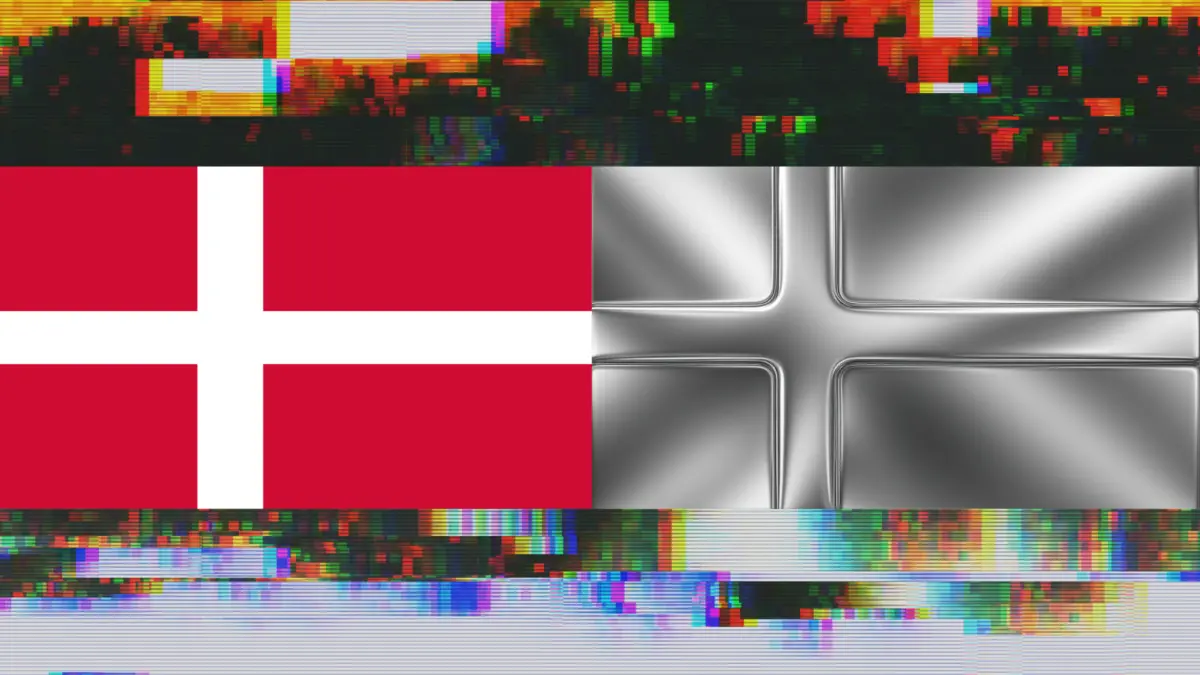
As artificial intelligence systems democratize access to sophisticated media manipulation tools, the global entertainment and legal landscapes are facing an unprecedented paradigm shift. In response to the unchecked proliferation of hyper-realistic digital clones, voice simulations, and synthetic media, Denmark has stepped to the forefront of international legislative innovation.
Yesterday, Danish Culture Minister Zenia Stampe formally presented a sweeping, revised legislative proposal to the Danish parliament. The bill aims to establish robust, specialized legal rights empowering performers—and private citizens alike—to decisively block unauthorized digital replicas that imitate their unique voices, facial features, and overall likenesses.
This high-stakes legislative push arrives at a critical juncture for intellectual property law, creative labor, and public discourse. Across the globe, lawmakers are grappling with how to regulate the exponential growth of generative AI deepfakes. While similar proposals are currently navigating the complexities of the United States Congress, Denmark’s aggressive approach offers a compelling blueprint for other jurisdictions.
As the United Kingdom and various European Union member states monitor Copenhagen’s regulatory trajectory, the Danish bill is poised to become a vital reference point for modernizing global copyright and personal privacy frameworks. By establishing clear accountability for tech giants, safeguarding human artistry, and curbing the spread of sophisticated misinformation, Denmark’s proactive stance signals a turning point in how modern democracies manage the chaotic intersection of emerging technology and fundamental human rights.
Detailed Chronology
The Long Road to Legislative Action: From Concept to Parliament
The introduction of yesterday’s bill represents the culmination of a multi-year administrative effort, though its formal momentum was recently reset by domestic political shifts. The foundational concepts behind the current legislative push began taking shape last year, as creative industries, legal scholars, and trade organizations sounded the alarm over unauthorized AI training models and the commercial exploitation of synthetic celebrity replicas.
However, the political landscape in Denmark underwent a notable transformation earlier this year, culminating in a general election and a subsequent change of government. This political pivot resulted in Zenia Stampe assuming office as the nation’s Culture Minister in June. Rather than shelving the groundwork laid by her predecessors, Stampe prioritized the initiative, spearheading a comprehensive revision of the text to address the staggering acceleration of generative AI capabilities observed throughout the year.
The timeline of key developments highlights the rapid urgency with which the Danish government has approached this crisis:
- Late Previous Year: Initial policy discussions regarding the legal threats of generative AI and deepfakes commence within Danish parliamentary committees.
- Early This Year: A general election takes place in Denmark, leading to a reconfiguration of the governing coalition.
- June: Zenia Stampe officially assumes the role of Danish Culture Minister, immediately identifying the protection of human creativity and personal identity as a core ministerial priority.
- Yesterday: Minister Stampe formally tables the revised digital replica bill in the Danish parliament, setting an ambitious timeline for enactment by the beginning of next year.
This expedited legislative pathway underscores the administration’s view that existing legal mechanisms are simply too slow and cumbersome to match the real-time velocity of technological disruption.
Supporting Context & Metrics: The Mechanics of the New Law
To fully appreciate the significance of Denmark’s proposed legislation, one must examine its legal architecture and operational scope. Legal experts emphasize that while the bill is being integrated into broader conversations about copyright reform, its mechanics are uniquely tailored to personal autonomy.
A Separate Protection of Personal Characteristics
In an insightful commentary shared on LinkedIn, Jakob Plesner Mathiasen—a partner at prominent Danish law firm Gorrissen Federspiel and a director of record industry trade group IFPI Denmark—unpacked the technical nuances of the text.
Mathiasen highlighted a critical distinction: although the new protections are introduced via an amendment to Danish copyright law, "the protection does not constitute a copyright or a related right." Instead, the legislation establishes a distinct, standalone legal category—"a separate protection of personal characteristics."
This structural choice is deliberate. Traditional copyright law requires a fixed, original work of authorship, a threshold that does not neatly apply to a person’s biological voice or natural likeness. By carving out a specialized right concerning personal identity, the Danish framework bypasses traditional ownership hurdles, giving individuals direct standing to protect their personal brand, physical identity, and vocal attributes without proving traditional authorship.
Scope and Limitations: Deepfakes, Traditional Editing, and Free Expression
The proposed law is comprehensive in its technological reach. According to legal analysts:
- Technology-Neutral Application: The provision covers both advanced AI-generated deepfakes and imitations created using more traditional, legacy digital editing tools.
- The Threshold of Confusion: The law specifically targets realistic imitations that create an "obvious likelihood of confusion with the actual person." Minor parodies or caricatures that clearly do not intend to deceive the public are shielded.
- Carve-Outs for Free Expression: To protect core democratic values, the bill incorporates specific exceptions for caricature, parody, and legitimate criticism.
However, these free-expression safe harbors are not absolute. Minister Stampe and parliamentary drafters included a vital limitation: the exceptions do not apply where an imitation constitutes misinformation that "could specifically cause serious danger to the rights or essential interests of others or could create a specific danger to life or property." This nuanced balancing act ensures that satire remains protected while malicious, high-stakes deception faces severe legal barriers.
Official Statements and Industry Impact
The introduction of the bill has elicited widespread praise from creative guilds, legal professionals, and government officials alike, who view the measure as an essential line of defense for human livelihoods and public integrity.
Protecting Creativity and Combating Digital Identity Theft
Speaking to reporters following the parliamentary presentation, Culture Minister Zenia Stampe laid out the philosophical and practical imperatives driving her agenda. Identifying the defense of human creativity as "one of my most important tasks as Minister Of Culture," Stampe expressed profound satisfaction with the legislation’s core mission:
"That’s why I’m very pleased that one of my first bills is about securing the right to one’s own body and voice. With AI, you can create manipulated videos and images with just a few clicks and share them on social media. This can lead to misinformation and create doubt about what is real. Now we’re stopping digital identity theft and helping artists whose livelihoods are being threatened."
Her sentiments resonate deeply within the creative sector. For years, actors, voiceover artists, musicians, and public figures have watched helplessly as synthetic clones of their voices and faces were deployed in unauthorized advertisements, deepfake pornography, and fraudulent scams.
The Music Industry Perspective: Risk Mitigation and Commercial Opportunity
Within the music industry, the implications of the Danish bill are profoundly transformative. For musical artists, the legislation provides a powerful legal shield against unauthorized AI-generated tracks that mimic their vocal signatures—a phenomenon that has plagued streaming platforms with floods of uncredited "ghost tracks" and soundalike clones.
Beyond defensive enforcement, however, the legislation unlocks significant commercial opportunities. Jakob Plesner Mathiasen notes that by establishing absolute legal clarity regarding the ownership of personal characteristics, artists who choose to participate in the synthetic media economy will be fully empowered to monetize their assets.
With definitive legal rights established, performers can safely and legally license the use of their voice or likeness for specific, contractually bound scenarios. Whether negotiating directly with cutting-edge AI platforms or collaborating through traditional music industry partners, artists can transition from being victims of technological displacement to active, compensated stakeholders in the AI revolution.
Future Outlook: Enforcement, Timelines, and International Resonance
As the bill advances through the Danish parliamentary process, attention is naturally turning toward practical enforcement and the broader international ripple effects of Denmark’s regulatory ambition.
Holding Tech Giants Accountable
A central challenge in regulating digital replicas has always been the borderless, instantaneous nature of online distribution. Unapproved deepfakes can go viral across multiple social media platforms within minutes, often outpacing the traditional legal remedies available to victims.
Addressing this hurdle, Minister Stampe emphasized that "one of the main goals of the bill is to get the tech giants to take down manipulated content quickly, so that it causes the least possible harm." By imposing clear legal liabilities and incentivizing rapid response protocols, the Danish government hopes to force major social media and hosting platforms to implement proactive moderation filters and streamlined takedown mechanisms for unauthorized digital replicas.
An Ambitious Implementation Timeline
Given the breakneck speed at which generative AI tools are evolving, policymakers in Copenhagen are acutely aware that bureaucratic delays could render new laws obsolete before they even take effect. Acknowledging that "technology developing at lightning speed," Minister Stampe has voiced strong optimism that the legislative process will move swiftly, with the new protections targeted to officially come into effect by the start of next year.
Global Implications: Will the UK and US Follow Suit?
Denmark is not acting in a vacuum. The legislative debate in Copenhagen mirrors parallel movements across the Atlantic. In the United States, federal lawmakers have introduced similar proposals in Congress aimed at establishing a uniform federal right against unauthorized digital replicas—often discussed in the context of proposals like the NO FAKES Act.
Furthermore, policymakers in the United Kingdom and across the European Union are watching the Danish experiment closely. As nations struggle to balance innovation with ethical guardrails, Denmark’s pragmatic approach—blending strict personal rights with carefully calibrated exemptions for free expression and robust mechanisms for platform accountability—may well serve as the gold standard for global AI governance in the years ahead.
If Denmark successfully enacts and enforces these sweeping protections by early next year, it will establish a powerful international precedent: that human identity, dignity, and artistic labor are not commodities to be freely plundered by algorithms, but fundamental rights demanding uncompromising legal defense.