Executive Overview
In a monumental development for underground electronic music, avant-garde New York art-pop duo Fischerspooner have officially partnered with Demon Records to launch an extensive, career-spanning catalog reissue campaign. This multi-phase archival initiative is set to rescue several out-of-print modern masterpieces from obscurity, celebrating a boundary-pushing collective that spent over two decades challenging the intersection of commercial entertainment, high art, performance theater, and electronic music.
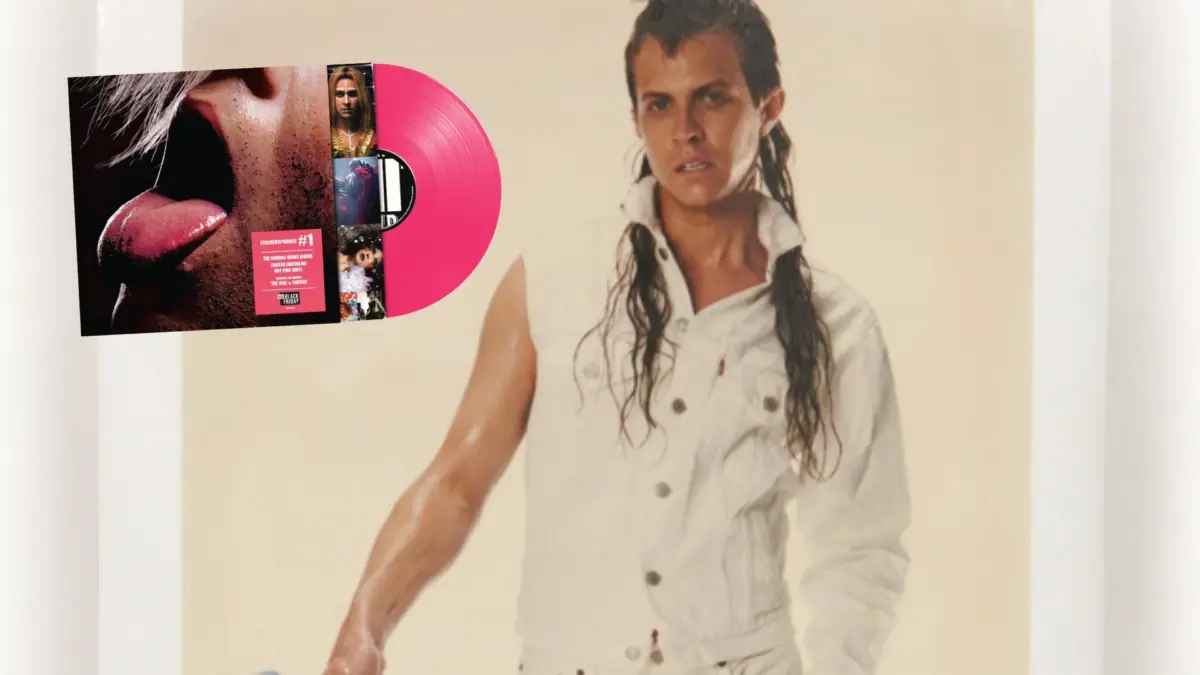
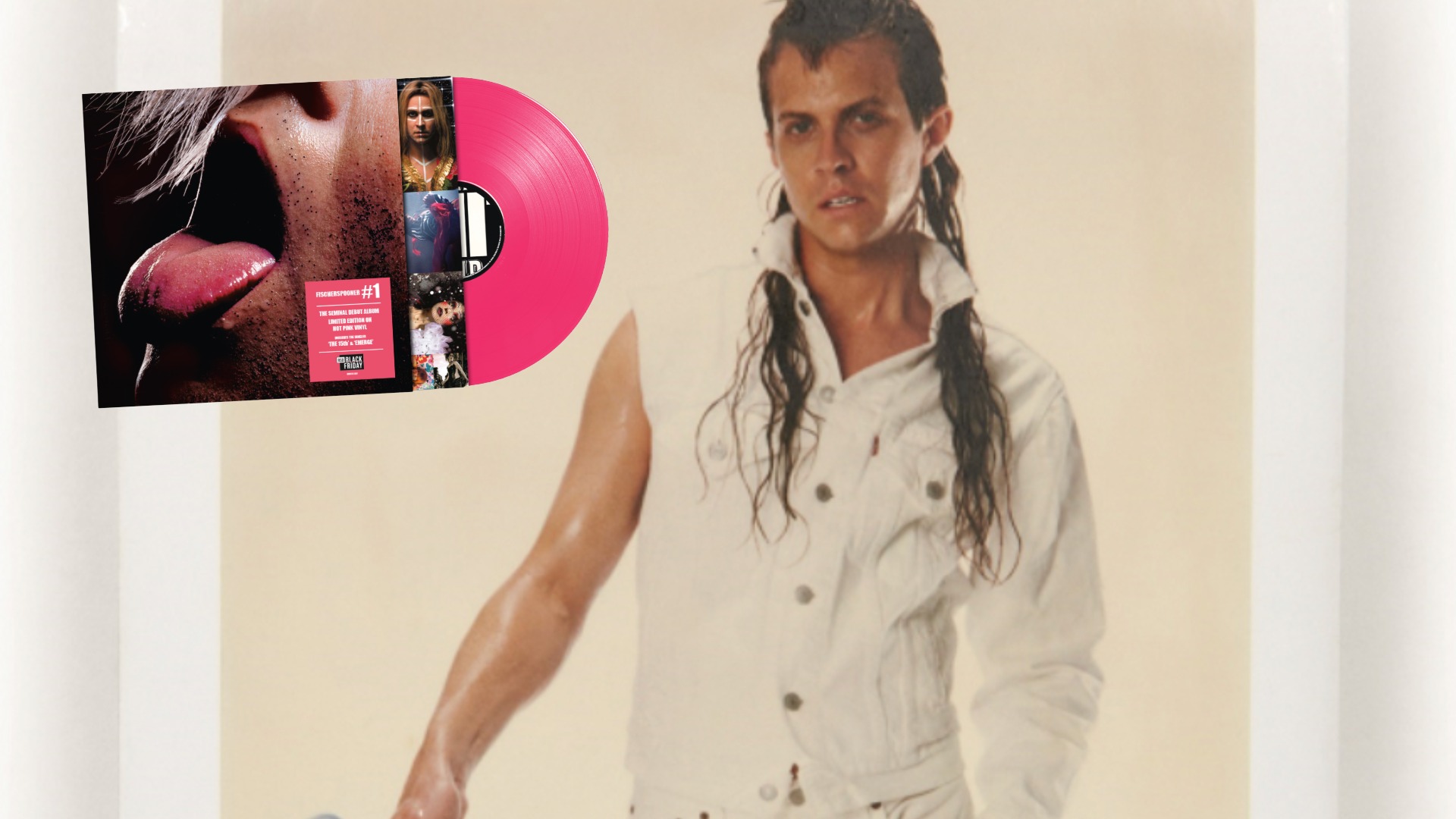
The campaign kicks off with a striking, limited-edition hot pink vinyl pressing of the duo’s seminal 2001 debut studio album, #1. Marking the record’s first official vinyl availability since its initial, scarce runs in the early 2000s, this collector’s item is scheduled for release on November 27 as part of this year’s Record Store Day Black Friday event. The LP will be available exclusively through participating independent record shops worldwide.
Beyond the Black Friday release, the partnership between Fischerspooner and Demon Records promises a comprehensive archival rollout, culminating in a definitive career-spanning box set slated for release in the spring of 2027. This upcoming collection will house rare audio recordings, visual artifacts, and unreleased documentation from a project that fundamentally reshaped the landscape of early-2000s electroclash and modern indie-dance.
Reflecting on the legacy of their pioneering enterprise, classically trained musician and co-founder Warren Fischer and charismatic performance artist Casey Spooner have shared deep insights into the philosophy behind their work. They view this archival partnership not merely as a commercial exercise, but as a vital historical preservation effort for a generation of music enthusiasts discovering their hyper-stylized audio-visual universe anew.
Detailed Chronology: From Lower East Side Art Experiment to Global Electroclash Phenomenon
1998–2000: The Genesis of an Audio-Visual Experiment
Long before the term "electroclash" dominated music blog headlines and Lower Manhattan nightlife columns, Fischerspooner was conceived in 1998 as a conceptual art project in New York City. Formed by Warren Fischer and Casey Spooner, the duo set out to deconstruct and satirize the mechanisms of pop stardom, mass entertainment, and corporate media consumption.
Rather than operating strictly as a conventional band, Fischerspooner functioned as a multidisciplinary collective. Their early performances were immersive theatrical happenings staged in galleries, unconventional downtown venues, and underground art spaces. They blended synthesizers, drum machines, ironic choreography, lavish costumes, and theatrical lighting to question what popular entertainment was—and what it could potentially become.
During these formative years, the duo operated on the fringes of the global electronic underground, slowly building a reputation for high-concept live shows that treated dance music as high-art commentary. Their early compositions laid the groundwork for a sound that bridged the gap between European synth-pop, Detroit techno, and American performance art.
2001–2003: The Breakthrough and the Release of ‘#1’
The pivotal turning point for the project arrived with the independent release of their debut studio album, #1, in 2001. Initially distributed in limited quantities, the record quickly caught the attention of tastemakers, fashion designers, and critics across Europe and North America.
Propelled by infectious, ironic singles like "Emerge" and "Sweet Knockout," #1 captured the frantic energy of turn-of-the-millennium New York. "Emerge," in particular, became an underground anthem of monumental proportions. Its deadpan spoken-word delivery, pulsating electro basslines, and hypnotic rhythm encapsulated the hedonistic, cynical, yet exhilarating spirit of the era’s nightlife.
The success of #1 prompted a bidding war among major labels, eventually leading to a high-profile worldwide deal with Capitol Records in 2003. The major-label apparatus allowed Fischerspooner to scale up their artistic ambitions, transforming their underground art happenings into full-scale theatrical arena productions complete with elaborate set designs, troupes of dancers, and avant-garde fashion statements. During this era, they cemented their status as critical darlings who could command the main stages of international rock and electronic festivals alike.
2004–2018: Sonic Evolution, High-Profile Remixes, and Collaborative Heights
As the 2000s progressed, Fischerspooner refused to rest on the laurels of their electroclash breakthrough. They continuously evolved their sonic palette, incorporating organic instrumentation, rich vocal harmonies, and sophisticated production techniques.
Their sophomore album, Odyssey (2005), leaned further into lush, acoustic-electronic hybrids, while subsequent projects showcased a deep mastery of contemporary pop structures. Beyond their own discography, Fischer and Spooner became sought-after remixers and producers for some of the biggest names in global pop and rock. Their razor-sharp remix work for pop royalty such as Kylie Minogue and indie-rock icons The Killers transformed mainstream radio staples into dark, dancefloor-ready opuses, expanding their cultural footprint far beyond the underground scenes of their origin.
Their third studio album, Entertainment (2009), explored themes of celebrity and media saturation, followed years later by their critically acclaimed 2018 record Sir, which was co-produced by R.E.M. frontman Michael Stipe. Sir combined deeply personal lyricism with shimmering, queer synth-pop aesthetics, proving that the duo’s creative vitality remained undiminished two decades into their career.
Supporting Context & Metrics: The Cultural and Commercial Impact of Fischerspooner
The Vinyl Renaissance and the Electroclash Revival
The timing of Demon Records’ reissue campaign aligns with a massive cultural resurgence. In recent years, music consumers and collectors have increasingly sought out physical media, driving a sustained vinyl boom. Concurrently, late-90s and early-2000s subgenres—specifically electroclash, initial blog-house, and minimal synth—have undergone a profound critical reassessment.
Albums like #1 are now recognized as foundational texts that bridged the gap between 1980s synth-pop revivalism and modern electronic dance music. However, original pressings of #1 have become holy grails for record collectors, routinely fetching exorbitant prices on the secondhand market. By issuing the album on hot pink vinyl for Record Store Day Black Friday, Demon Records is addressing pent-up consumer demand while introducing a seminal work of art-pop to an entirely new demographic of listeners who may have been too young to experience its initial release.
Preservation of Avant-Garde History
In the digital age, much of the ephemeral media generated by underground art movements—such as early flyer art, VHS recordings of underground performances, unreleased demo tapes, and rare remixes—risks being lost to digital rot or neglect. The comprehensive box set slated for spring 2027 represents a vital act of music preservation.
Cultural institutions and music historians have increasingly emphasized the importance of properly archiving late-20th and early-21st-century electronic music movements. Fischerspooner’s catalog encompasses not just audio recordings, but a vast visual lexicon created through collaborations with fashion designers, photographers, and video artists. Ensuring these assets are gathered, remastered, and properly cataloged provides invaluable primary source material for future studies of contemporary popular culture and performance art.
Official Statements: Perspectives from Warren Fischer and Casey Spooner
The announcement of the Demon Records partnership has elicited profound reflections from both founding members regarding their quarter-century journey in the arts.
Reflecting on the experimental origins of the project, Warren Fischer emphasized the deliberate philosophy that guided their early work:
"Fischerspooner started in 1998 as an experiment incorporating music, image, and performance to explore what entertainment was and could be. Sincere and absurd, I’m excited #1 is coming back on vinyl with Demon, so people can hear it again on its own terms, twenty-five years later."
Fischer’s statement highlights the core duality of the Fischerspooner ethos: a seamless blending of absolute sincerity in artistic execution with a healthy, self-aware dose of absurdity that mocked the very commercial machinery they operated within.
Meanwhile, performance artist Casey Spooner focused on the emotional and historical weight of seeing their life’s work curated and safeguarded for posterity:
"It’s exciting that all our creative work and history is being carefully preserved. To have all these ideas gathered in one place and properly archived is a huge gift. There’s so much more that hasn’t been seen and amazing stories yet to be told."
Spooner’s remarks hint at the vast treasure trove of unreleased material, visual art, and behind-the-scenes narratives that are expected to surface as the reissue campaign progresses toward its ambitious climax in 2027.
Future Outlook: What to Expect from the Demon Records Campaign
As the music world prepares for the November 27 release of the hot pink vinyl edition of #1, anticipation is already building for the subsequent phases of the Demon Records campaign.
The Roadmap Ahead:
- Record Store Day Black Friday (November 27): The exclusive release of #1 on limited-edition hot pink vinyl at participating independent record stores worldwide. Fans are advised to check with their local shops early, given the expected high demand among collectors.
- Catalog Rollouts (2025–2026): Sequential digital and physical reissues of subsequent studio albums—including Odyssey and Entertainment—alongside newly remastered bundles of rare 12-inch singles, B-sides, and classic remixes done for artists like Kylie Minogue and The Killers.
- The Definitive Spring 2027 Box Set: The crowning achievement of the archival project, bringing together comprehensive audio recordings, extensive visual portfolios, rare documentary footage, and extensive liner notes detailing the history of one of modern music’s most daring art projects.
For longtime devotees and curious newcomers alike, this reissue campaign serves as a timely reminder of the power of uncompromising artistic vision. Fischerspooner proved that electronic dance music could be a vehicle for high-concept philosophy, biting satire, and breathtaking visual splendor. Through their partnership with Demon Records, that legacy is finally secured for the history books—and the turntables—of the future.