Executive Overview
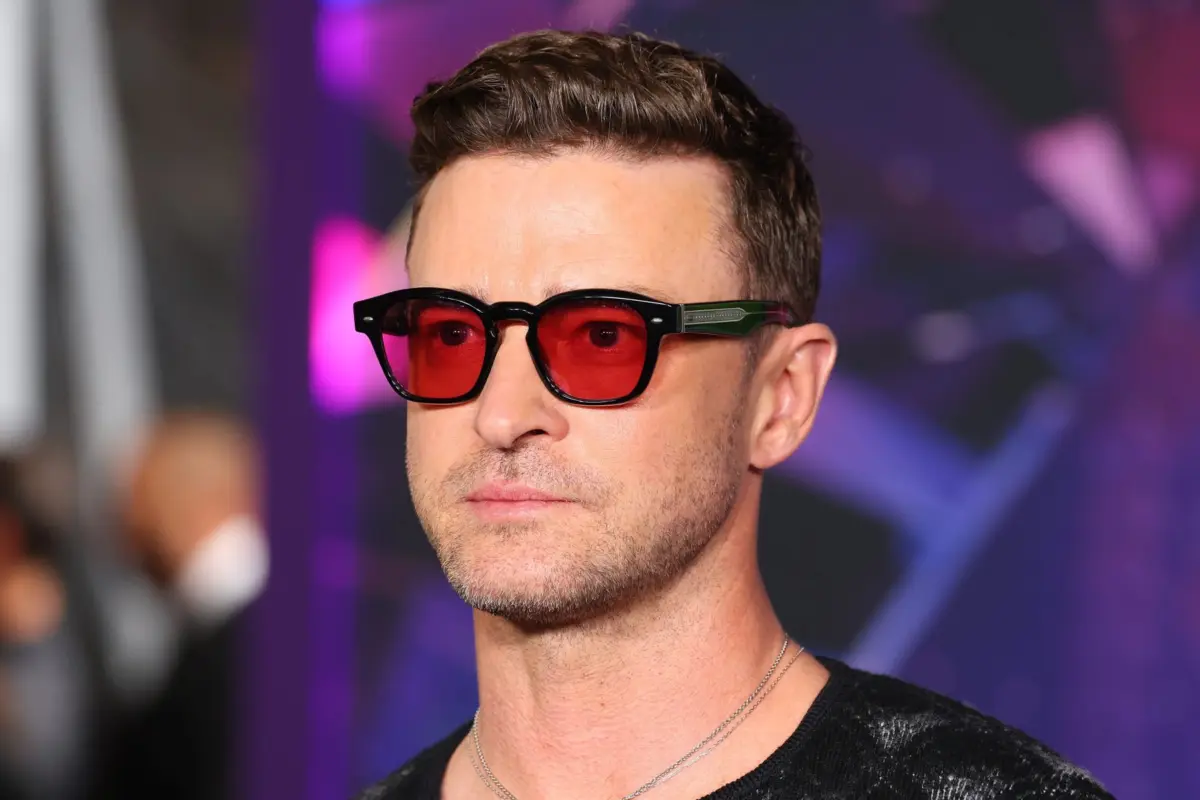
In the fast-paced ecosystem of digital media, social platforms frequently resurrect cultural artifacts from the past, exposing them to the sharp, often unforgiving lens of modern internet humor. Recently, pop superstar Justin Timberlake found himself at the center of such a viral retrospective. Content creator Hannah Young sparked widespread amusement on Instagram with a satirical video dissecting a distinct stylistic tic from Timberlake’s early-2000s heyday: his penchant for breaking into spontaneous vocal percussion—famously encapsulated by the phonetic rhythm of "boots and cats and boots and cats"—during *NSYNC records and his foundational solo tracks.
Rather than ignoring the viral critique or issuing a defensive statement, Timberlake leaned directly into the joke. His self-deprecating response in the comments section—featuring a faux-apology for his "too many boots, too many cats" ambitions and a wry warning that he cannot guarantee he won’t do it again—demonstrated a rare, lighthearted self-awareness.
Beyond the immediate viral amusement, this lighthearted exchange offers a valuable entry point into a deeper critical examination of early-2000s pop production and vocal performance. Timberlake’s vocal stylings were not merely eccentric party tricks; they were foundational elements of a transitional era in pop and R&B music. The integration of organic human beatboxing with emerging digital production techniques helped define the boundary-pushing sound of producers like Timbaland and catapulted Timberlake from boy-band heartthrob to a dominant, genre-defining solo artist. This article explores the cultural footprint of Timberlake’s early vocal percussion, the mechanics of his studio collaborations, and the lasting legacy of a career built on rhythmic innovation.
Detailed Chronology: From Boy Band Breakouts to Viral Retrospectives
To understand the cultural weight of the "boots and cats" meme, one must trace the chronological evolution of Justin Timberlake’s musical career, tracking how organic vocal percussion transformed from a behind-the-scenes studio tool into a defining signature of early-millennium pop.
The *NSYNC Era and the Dawn of Pop Experimentation (2000–2001)
As the boy band phenomenon reached its commercial zenith at the turn of the millennium, groups like *NSYNC were under immense pressure to evolve beyond traditional bubblegum pop formulas. Producers and artists alike began incorporating aggressive hip-hop beats, electronic synths, and rhythmic vocal effects into mainstream radio structures.
It was within this shifting landscape that Timberlake’s penchant for vocal percussion became public knowledge. Most notably, the 2001 smash hit "Pop"—the lead single from NSYNC’s third studio album, Celebrity—utilized heavy electronic basslines, industrial synth stabs, and prominent beatboxing routines to prove the group’s artistic credibility. The track served as a manifesto for the group, aggressively asserting, "I know you don’t wanna leave me / But you gotta listen to me / Don’t close your book before you read it."* On stage and in the recording booth, Timberlake routinely leaned into these rhythmic flourishes, establishing a performative vocabulary that blended traditional pop choreography with street-level hip-hop aesthetics.
The Solo Breakthrough and the Birth of Justified (2002)
When NSYNC entered an indefinite hiatus, Timberlake faced the ultimate career test: transitioning from a constituent member of a vocal group to a viable, autonomous solo headliner. Partnering with visionary producer Timbaland (Timothy Mosley), Timberlake ventured into recording studios in late 2001 to construct his debut solo album, Justified*.
It was during these high-stakes sessions that vocal percussion ceased to be a mere performance gimmick and instead became a vital compositional tool. In interviews years later, including a notable appearance on the popular digital series Hot Ones, Timberlake detailed the spontaneous genesis of his breakout solo single, "Cry Me a River."
Recalling a day when he arrived at the studio feeling frustrated and uninspired, Timberlake noted that Timbaland read his mood instantly. Without reaching for a drum machine, synthesizer, or sampler, Timbaland began beatboxing the foundational cadence of the song. That organic vocal rhythm served as the structural spine of the track. Within four hours, the song’s core melody, lyrics, and rhythmic framework were written and recorded, setting a new standard for modern R&B production.
The Digital Renaissance and FutureSex/LoveSounds (2006)
Building on the commercial momentum of Justified, Timberlake’s sophomore album, FutureSex/LoveSounds (released in September 2006), pushed pop music further into avant-garde electronic territory. The album, which celebrated its 20th-anniversary milestone reflection period recently, solidified Timberlake’s partnership with Timbaland and Danja.
While FutureSex/LoveSounds relied heavily on futuristic synthesizers, layered vocal harmonies, and complex drum programming, the underlying rhythmic sensibilities remained tethered to the organic, beatbox-driven workshops that characterized Timberlake’s early career. The album produced three consecutive Billboard Hot 100 number-one hits—"SexyBack," "My Love" featuring T.I., and "What Goes Around… Comes Around"—and redefined the sonic landscape of mid-2000s popular music.
The Digital Age and the Viral Loop (Present Day)
Nearly two decades after the release of his core solo masterpieces, the proliferation of short-form video platforms has democratized cultural critique, allowing creators like Hannah Young to dissect the eccentricities of past pop icons with forensic precision. Young’s viral Instagram video, which pointed out the surreal nature of Timberlake casually dropping vocal percussion loops into professional recording sessions while expensive studio instrumentation sat idle, struck a chord with millions of users.
Timberlake’s subsequent entry into the comment section—offering a humorous mea culpa for his "too many boots, too many cats" ambitions—closed the loop between historical pop culture artifact and contemporary internet meme culture, demonstrating a self-awareness that resonated deeply with fans and critics alike.
Supporting Context & Metrics: The Commercial and Cultural Footprint
While internet memes often reduce an artist’s legacy to a single recurring gag, the statistical reality of Justin Timberlake’s career underscores a profound level of musical influence and commercial dominance. To contextualize why his early-2000s stylistic choices went largely unquestioned by the public and music industry executives alike, one must analyze his unprecedented chart performance and production accolades.
Chart Performance and Billboard Metrics
Justin Timberlake stands as one of the most commercially successful male recording artists of the 21st century. His comprehensive metrics on the Billboard charts paint a picture of enduring mainstream appeal:
- Total Hot 100 Entries: 39 career entries as a lead or featured artist.
- Top 10 Hits: 19 tracks reaching the elite tier of the Billboard Hot 100.
- Number-One Singles: 5 chart-topping anthems under his primary solo umbrella, including signature tracks from FutureSex/LoveSounds and later eras.
Major Chart-Toppers and Collaborative Peaks
| Song Title | Release Year | Primary Collaborators / Producers | Peak Billboard Hot 100 Position |
|---|---|---|---|
| "Cry Me a River" | 2002 | Timbaland | No. 3 |
| "SexyBack" | 2006 | Timbaland, Danja | No. 1 (7 weeks) |
| "My Love" | 2006 | T.I., Timbaland | No. 1 |
| "What Goes Around… Comes Around" | 2007 | Timbaland | No. 1 |
| "Give It to Me" | 2007 | Timbaland, Nelly Furtado | No. 1 |
| "Can’t Stop the Feeling!" | 2016 | Max Martin, Shellback | No. 1 |
The Timbaland Connection: Organic Sound Design in Modern Production
The reliance on vocal percussion—informally dubbed "boots and cats"—was not an accidental quirk, but rather a deliberate stylistic signature of the Timbaland production camp. During the late 1990s and throughout the 2000s, Timbaland (born Timothy Mosley) revolutionized hip-hop and R&B by subverting traditional beat-making conventions. Rather than relying solely on pre-programmed MIDI sequences or standard hardware drum machines like the Roland TR-808, Mosley frequently integrated organic human sounds—including beatboxing, vocal scratching, weird vocal inflections, and bottle-tapping—into his master mixes.

When Justin Timberlake integrated himself into this creative ecosystem, he adopted this sonic philosophy. By treating his own vocal cords as rhythmic instruments, Timberlake blurred the line between vocalist and percussionist. In the pristine acoustic environments of professional tracking studios, this method allowed the artist to capture instantaneous flashes of inspiration before they could be lost to the mechanical delay of programming a drum machine.
Industry analysts note that this organic approach fostered a raw, intimate energy that distinguished early-2000s pop-R&B crossover hits from the heavily mechanized, over-quantized pop music of previous decades. It gave tracks an authentic street-level pulse that resonated with urban radio formats while maintaining pop accessibility.
Official Statements and Social Media Discourse
The viral interaction between creator Hannah Young and Justin Timberlake highlights a broader shift in how modern celebrities manage their public image. In previous decades, artists caught in the crosshairs of nostalgic online roasting might have ignored the commentary or issued formal, sanitized public relations statements through representatives. Timberlake’s direct, grassroots engagement reflects the contemporary playbook of authentic digital communication.
Hannah Young’s Viral Critique
In her original Instagram video, Hannah Young encapsulated the collective bemusement of a generation raised on early-2000s MTV:
"We don’t talk about Justin Timberlake beatboxing enough," Young remarked in the viral clip, striking a tone of incredulous nostalgia. "Because there was a moment in time where that man would be in the middle of a song and just boots and cats and boots and cats."
She continued, touching upon the surreal nature of professional studio environments:
"Nobody questioned it. Nobody said, ‘Justin, you know? We have drums. This is a professional recording studio. There are instruments available to you.’ And we liked it. That’s what I need us to sit with."
Justin Timberlake’s Self-Deprecating Reply
Demonstrating an ability to laugh at his own historical aesthetic choices, Timberlake responded directly within the comment thread, transforming the critique into a moment of shared comedic reflection:
"I often look back on that time as well," Timberlake wrote. "I still haven’t come up with any answers. I don’t know how to apologize enough for whatever those ambitions were. Too many boots. Too many cats. I hope you can forgive me."
Recognizing the comedic potential of his own musical habits, the singer concluded with a cheeky warning to his fanbase:
"Also, I can’t promise I won’t do it again. God help us all."
Media analysts and pop culture commentators quickly seized upon the interaction, praising Timberlake for possessing the thick skin required to navigate modern meme culture without taking himself too seriously. The comment garnered tens of thousands of likes and sparked a secondary wave of user-generated content, with fans sharing obscure clips of Timberlake beatboxing during live concert performances, acoustic radio sessions, and archival documentary footage.
Future Outlook: Legacy, Nostalgia, and Musical Evolution
As the pop culture landscape continues to cycle through nostalgic retrospectives of the late 1990s and 2000s (often referred to as the Y2K aesthetic boom), artists from that era face the dual challenge of honoring their historical footprint while maintaining contemporary relevance.
The Currency of Self-Awareness in Modern Pop Stardom
Timberlake’s handling of the "boots and cats" viral moment provides a masterclass in modern reputation management. In an era where internet algorithms can weaponize archival footage to undermine an artist’s credibility, self-deprecation serves as a powerful neutralizing agent. By owning his eccentricities—turning a mild internet roast into an interactive joke—Timberlake reinforced his human, relatable persona to millions of digital consumers.
Ongoing Musical Pursuits and Live Performance
Looking ahead, Timberlake’s career continues to balance extensive live performance commitments with ongoing studio projects. While his recent musical outputs have leaned away from the unadulterated beatbox breakdowns of his Justified and FutureSex eras, the foundational philosophy of vocal experimentation remains a hallmark of his stage shows. Concertgoers frequently witness spontaneous vocal loops, acapella breakdowns, and rhythmic crowd-call-and-response segments during his live tours, proving that the instincts which birthed "boots and cats" remain deeply embedded in his artistic DNA.
Ultimately, the viral internet moment serves as more than just a fleeting digital laugh; it stands as a testament to the enduring fascination with a golden era of pop production. Justin Timberlake’s willingness to look back, laugh at his younger self, and admit that he "cannot promise he won’t do it again" ensures that the rhythm of the early 2000s will continue to echo across social media feeds and recording studios for years to come.