Executive Overview
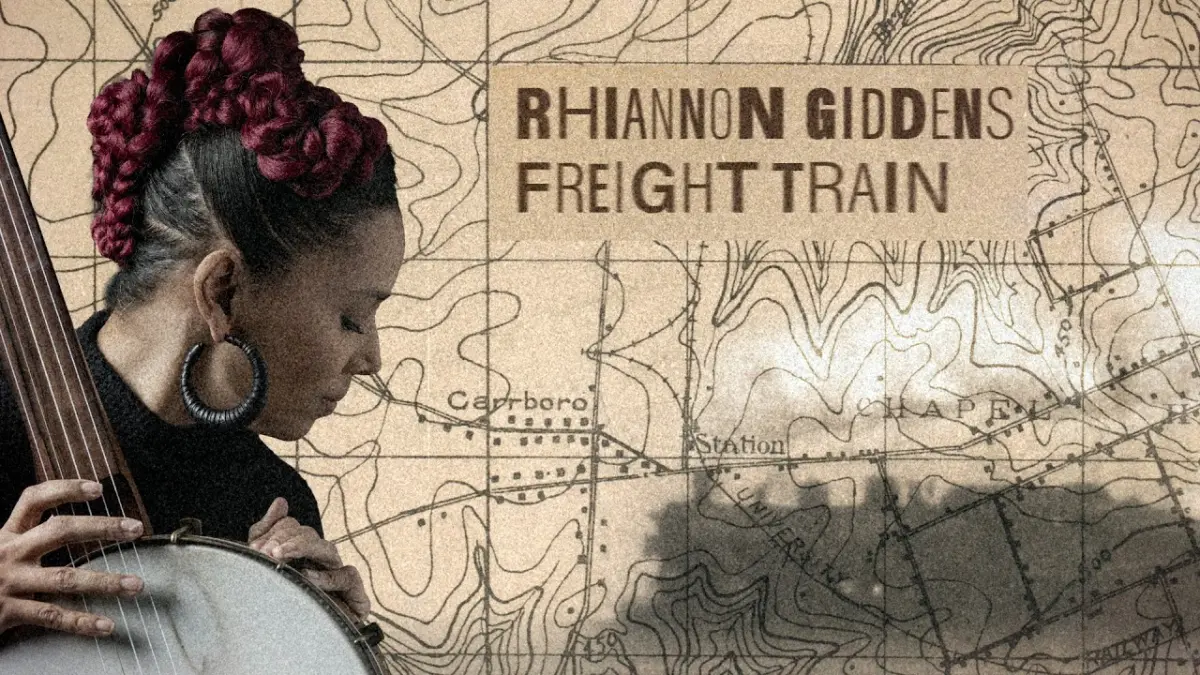
In the sprawling landscape of American roots music, few lineages run as deep, or are as fiercely protected and honored, as the connection between North Carolina musical pioneers. Grammy-winning singer, instrumentalist, and cultural historian Rhiannon Giddens has once again reached into the rich, damp soil of Southern music history to unearth a timeless treasure. Giddens has released a deeply evocative, stripped-down interpretation of Elizabeth "Libba" Cotten’s seminal American folk standard, "Freight Train."
This poignant cover serves as the lead-in and emotional anchor for Giddens’s highly anticipated upcoming studio album, Hope Is the Thing with Feathers, scheduled for release on September 18 via Nonesuch Records. Recorded live at The Cypress House in Breaux Bridge, Louisiana, the album captures an unfiltered, acoustic intimacy that honors both the ghosts of the past and the organic reality of human performance. By pairing her world-renowned vocal agility with the sparse, resonant acoustic guitar work of longtime collaborator Dirk Powell, Giddens sidesteps modern overproduction in favor of raw authenticity.
The release of "Freight Train" is much more than a routine single drop; it represents a profound cultural passing of the torch. It bridges the geographic and generational gap between two Black women who redefined what American roots music could sound like, despite coming from eras that systematically marginalized their contributions. This article explores the origins of Cotten’s masterwork, the meticulous production and recording philosophy behind Giddens’s new iteration, the structural anatomy of the upcoming album, and the broader cultural implications of keeping these foundational American folk traditions alive in the twenty-first century.
Detailed Chronology: From the Railroad Tracks of Chapel Hill to Modern Louisiana Studios
The Genesis of a Masterpiece: Elizabeth Cotten’s Early Years
To fully understand the weight of Rhiannon Giddens’s new recording, one must trace the song back to its humble, brilliant genesis. Elizabeth "Libba" Cotten wrote "Freight Train" as a young child—conservatively estimated to be around eleven or twelve years old—while growing up near Chapel Hill, North Carolina, in the late-nineteenth and early-twentieth centuries.
Cotten was born into a musical family, but circumstances dictated her artistic development in ways that would change the trajectory of American fingerpicking guitar forever. Left-handed, and with no formal instruction or specialized equipment available to her, Cotten picked up a right-handed guitar. With no one around to tell her it was "wrong," she simply flipped the instrument upside down. This unconventional orientation meant that the bass strings were at the bottom and the treble strings at the top.
To play melodies, she used her thumb for the high strings and her fingers for the low bass lines—a complete inversion of standard technique. This accidental innovation birthed a syncopated, rolling style that would eventually become known across the globe as "Cotten picking" or "cotten-style guitar."
Growing up in proximity to the tracks of the local railroad, a young Cotten spent countless hours watching locomotives rumble past her home. The hypnotic, metallic rhythm of the wheels clacking against the iron rails imprinted itself upon her subconscious. "Freight Train" became her musical translation of that motion—a steady, unyielding momentum driven by the thumb and fingers working in independent counterpoint.
The lyrics are deceptively simple yet carry a haunting, morbidly poetic weight. Cotten sings of wanting to hear that same train sound even after she has passed away, asking plainly to be buried close enough to the tracks to hear "old Number Nine" roll past. It is a song about mortality, geographic identity, and the comforting permanence of machine rhythm in an uncertain world.
Despite writing the song in her youth, Cotten did not achieve widespread commercial recognition until decades later. While working as a domestic helper for the legendary Seeger family in Washington, D.C., in the 1950s, her hidden musical talents were rediscovered. Mike Seeger recorded her playing in her kitchen, sparking a late-in-life folk revival career that saw her perform at major festivals, win a Grammy Award at age 90, and earn an induction into the Rock and Roll Hall of Fame. Her 1958 recording of "Freight Train" established the tune as an immutable cornerstone of the American folk lexicon.
Rhiannon Giddens: Continuing the Carolinian Lineage
Fast-forward several decades and shift a few hours down the road to Greensboro, North Carolina, where a young Rhiannon Giddens was forming her own artistic consciousness. Growing up in the same cultural soil as Cotten, Giddens absorbed the sounds, stories, and historical weight of the Piedmont region.
Like Cotten, Giddens has spent much of her career reclaiming the narrative of Black artistry within genres—such as old-time, folk, and bluegrass—that have frequently been whitewashed by popular culture. As a co-founder of the Grammy-winning string band the Carolina Chocolate Drops, and subsequently as a solo artist, MacArthur "Genius Grant" recipient, and cultural curator, Giddens has consistently used her platform to spotlight forgotten or sidelined forebears.
When Giddens decided to approach "Freight Train" for Hope Is the Thing with Feathers, she did not attempt to modernize, synth-ify, or artificially inflate the track. Instead, she chose to honor the raw, unadorned blueprint laid down by Cotten herself.
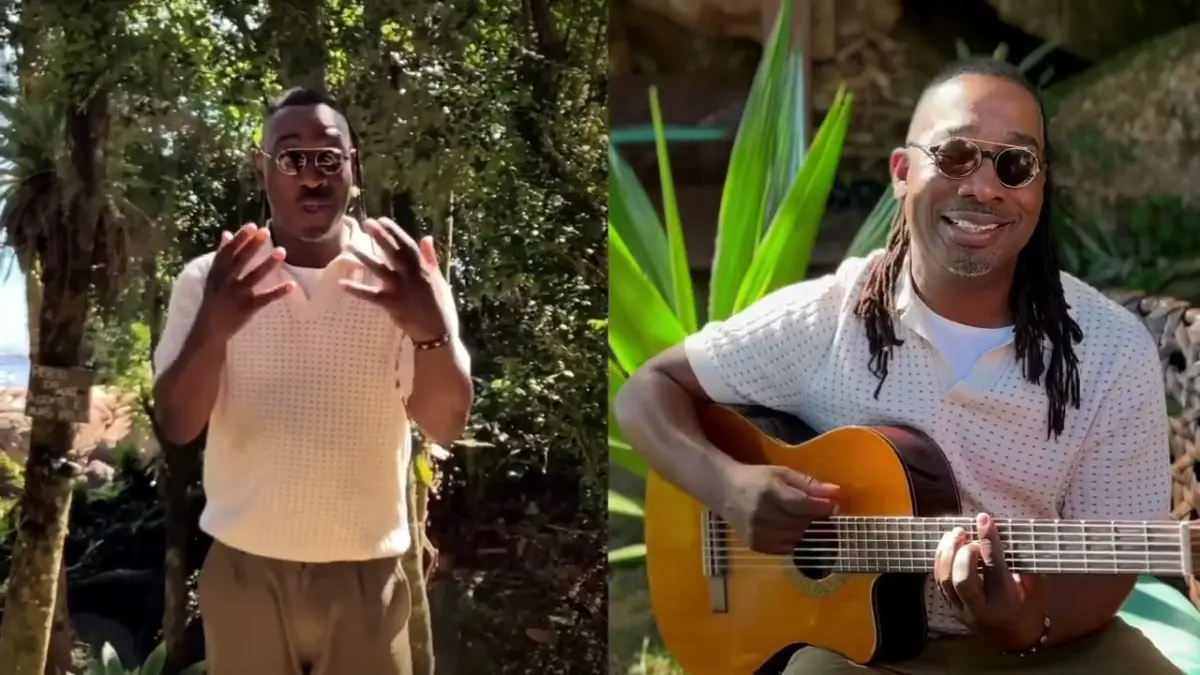
Collaborating with multi-instrumentalist Dirk Powell, Giddens stripped the arrangement down to its barest essentials: her soaring, emotionally resonant vocals accompanied solely by Powell’s acoustic guitar. This minimalist approach mirrors the stark intimacy of Cotten’s foundational 1958 recordings, allowing the poetry of the lyric and the hypnotic cadence of the guitar to take center stage.
Supporting Context & Metrics: The Recording Philosophy of Hope Is the Thing with Feathers
The creation of Hope Is the Thing with Feathers was governed by a philosophy of radical preservation and acoustic honesty. Recorded live at The Cypress House—a historic, atmospheric recording space located in Breaux Bridge, Louisiana—the album shuns the hyper-polished, digitized workflow that dominates contemporary commercial music production.
The Acoustic Ecosystem of The Cypress House
In an era where digital audio workstations allow producers to manipulate, pitch-correct, and grid-align every microsecond of a performance, Giddens and her engineering team took the opposite path. The sessions at The Cypress House were designed to capture music in its natural habitat, with minimal overdubs and a heavy emphasis on live-room acoustics.
When listening to "Freight Train" and the broader tracks slated for the album, the listener is not just hearing a performance; they are hearing the room itself. The mix deliberately preserves the ambient environment:
- Chatter Between Takes: Faint snippets of conversation, tuning adjustments, and verbal cues are left intact, pulling the listener directly into the physical space of the studio.
- Environmental Artifacts: The acoustic bleed of feet tapping on hardwood floors, the creak of a guitar stool, and the natural resonance of wooden walls all contribute to a tangible sense of place.
This methodology aligns with Giddens’s broader ethos as an artist and historian. Music, in her view, is not a museum piece locked behind glass; it is a living, breathing ecosystem that requires human touch, breath, and imperfection to survive.
Production and Instrumentation Breakdown
- Vocal Delivery: Giddens utilizes a dynamic range that shifts effortlessly from a conversational murmur to a soaring, clarion cry. Her interpretation of the lyrics carries a deep, lived-in empathy for Cotten’s original intent.
- Acoustic Guitar (Dirk Powell): Powell’s guitar work honors the syncopated spirit of Cotten picking while leaving ample sonic space for Giddens’s voice. The guitar acts not merely as accompaniment, but as a rhythmic engine mimicking the steady chug of a locomotive.
- Mastering and Dynamic Range: By avoiding heavy dynamic compression—a common culprit in modern mastering known as the "loudness wars"—the recording retains natural peaks and valleys, allowing the quietest whispers of the guitar strings to carry as much emotional weight as the loudest vocal moments.
Official Statements and Industry Reception
The announcement of "Freight Train" and the upcoming release of Hope Is the Thing with Feathers has generated significant buzz across the global roots music community, drawing praise from critics, folklorists, and fellow musicians alike.
While Nonesuch Records and Giddens’s management have rolled out the project with measured reverence rather than corporate hyperbole, the underlying sentiment from the camp is clear: this album is an artistic meditation on resilience, memory, and the enduring power of communal song.
Industry analysts note that Giddens’s ongoing partnership with Nonesuch Records provides an ideal institutional home for projects of this historical depth. Nonesuch, known for championing boundary-pushing artists across classical, jazz, folk, and world music, has cultivated a catalog where historical reverence and avant-garde exploration comfortably coexist.
Early critical reactions to the single have highlighted the profound synergy between Giddens and Cotten. Folk music historians have praised Giddens for resisting the temptation to over-arrange the tune, noting that "Freight Train" requires no embellishment to move an audience. By presenting the song as a stark dialogue between voice and steel-string guitar, Giddens allows modern listeners to experience the same hypnotic transfixion that a young Elizabeth Cotten felt while watching the locomotives roll through the North Carolina Piedmont over a century ago.
Future Outlook: The Legacy of Hope Is the Thing with Feathers
As the September 18 release date for Hope Is the Thing with Feathers approaches, the broader cultural impact of Giddens’s latest work is already coming into focus. In an entertainment landscape increasingly saturated by algorithmic pop and fleeting viral moments, Giddens offers a counter-narrative rooted in deep historical memory and meticulous craftsmanship.
What Lies Ahead for the Project:
- Touring and Live Interpretation: Giddens is expected to bring the intimate, live-room aesthetic of the album to stages across North America and Europe, performing in acoustically pristine venues that can honor the sparse arrangements of tracks like "Freight Train."
- Educational and Cultural Outreach: Beyond commercial success, Giddens continues to leverage her platform—including her work with the Silkroad Ensemble and various academic collaborations—to ensure that figures like Elizabeth Cotten remain central fixtures in the standard American music curriculum.
- Redefining Roots Music: By continuously drawing a direct line from nineteenth-century Black folk artists to twenty-first-century listeners, Giddens challenges the gatekeepers of American music history, proving that the roots of traditional folk and blues are inextricably multiracial and deeply interconnected.
"Freight Train" is available to stream across all major digital platforms, and physical/digital pre-orders for Hope Is the Thing with Feathers are open via Nonesuch Records. As the release date draws closer, listeners are invited to step aboard, listen closely to the room, and let the enduring rhythm of old Number Nine carry them into another chapter of American musical history.