Executive Overview
Stepping into a licensed cannabis dispensary for the first time can be an overwhelming sensory experience. Modern dispensary shelves are lined with an array of products sporting complex labels featuring unfamiliar terminology, scientific metrics, and diverse consumption formats. Terms like "terpenes," "live resin," "milligram dosing," and "solventless concentrates" can turn a simple retail trip into a confusing chemistry lesson.
However, understanding this vocabulary does not require a science degree. Dispensary staff across legal markets—most notably in mature adult-use states like Illinois—guide consumers through these terms daily. By familiarizing oneself with three fundamental pillars of the cannabis purchasing decision, newcomers can streamline their counter conversations and make informed, confident choices. These three core concepts are:
- Aroma and Flavor Profiles (Terpenes): Understanding how natural plant compounds dictate taste and aromatic experiences.
- Dose Amounts and Onset Times: Knowing how different formats deliver cannabinoids (like THC) and how long they take to take effect.
- Product Formats and Extraction Types: Differentiating between traditional flower, vapes, edibles, tinctures, and potent concentrates.
This comprehensive guide breaks down these concepts in plain, accessible language, offering first-time shoppers the tools they need to navigate dispensary menus, interpret statutory product labels, and curate a safe, personalized cannabis experience.
Detailed Chronology: The Evolution of Cannabis Consumer Education
The landscape of cannabis commerce has undergone a radical transformation over the past decade. Understanding how we arrived at today’s standardized, highly regulated dispensary menus provides valuable context for why labels carry such meticulous detail.
The Era of Informality (Pre-Legalization)
Prior to widespread medical and adult-use legalization, the consumer experience was informal and largely unregulated. Transactions typically involved anonymous loose flower passed in unlabelled containers. Consumers relied almost entirely on descriptive slang—such as "Indica," "Sativa," or colloquial strain names like "OG Kush" or "Sour Diesel"—to gauge what kind of experience to expect. THC percentages were largely a matter of guesswork, and concepts like terpene profiles or exact milligram dosing were virtually nonexistent in the illicit market.
The Medical Advent and Lab Testing (2010s)
As medical cannabis programs took root in states like California, Colorado, and later Illinois, regulatory frameworks began demanding accountability. Dispensaries transitioned from localized grey markets into clinical, highly secure environments. This shift forced producers to implement rigorous laboratory testing. For the first time, batches of cannabis were subjected to high-performance liquid chromatography (HPLC) to accurately measure cannabinoid content. Consumers were introduced to baseline THC and CBD figures, though menus remained relatively straightforward compared to today’s standards.
The Modern Craft Market and Chemical Transparency (Present Day)
Today, adult-use markets feature sophisticated, craft-level precision. Modern extraction technologies have created a massive diversification of products, ranging from solventless rosins to high-potency distillates and fast-acting nano-emulsified edibles. To protect public health and ensure consumer transparency, state regulatory bodies—such as the Illinois Department of Financial and Professional Regulation (IDFPR) alongside the Department of Agriculture—now mandate comprehensive labeling protocols. Every legal package must disclose batch numbers, harvest dates, laboratory names, net weights, and exact cannabinoid percentages. Consequently, the modern cannabis shopper must navigate a wealth of data that mirrors the nutritional and chemical labeling found in the pharmaceutical and gourmet food industries.
Supporting Context & Metrics: Decoding the Dispensary Menu
To successfully interpret a dispensary menu or product label, consumers must break down the data into manageable categories. Below is a detailed breakdown of terpenes, product formats, onset metrics, and state-mandated labeling requirements.
Terpene Basics: Understanding Aroma and Flavor
While most consumers immediately gravitate toward THC (Tetrahydrocannabinol) percentages, experienced connoisseurs and budtenders alike emphasize the importance of terpenes.
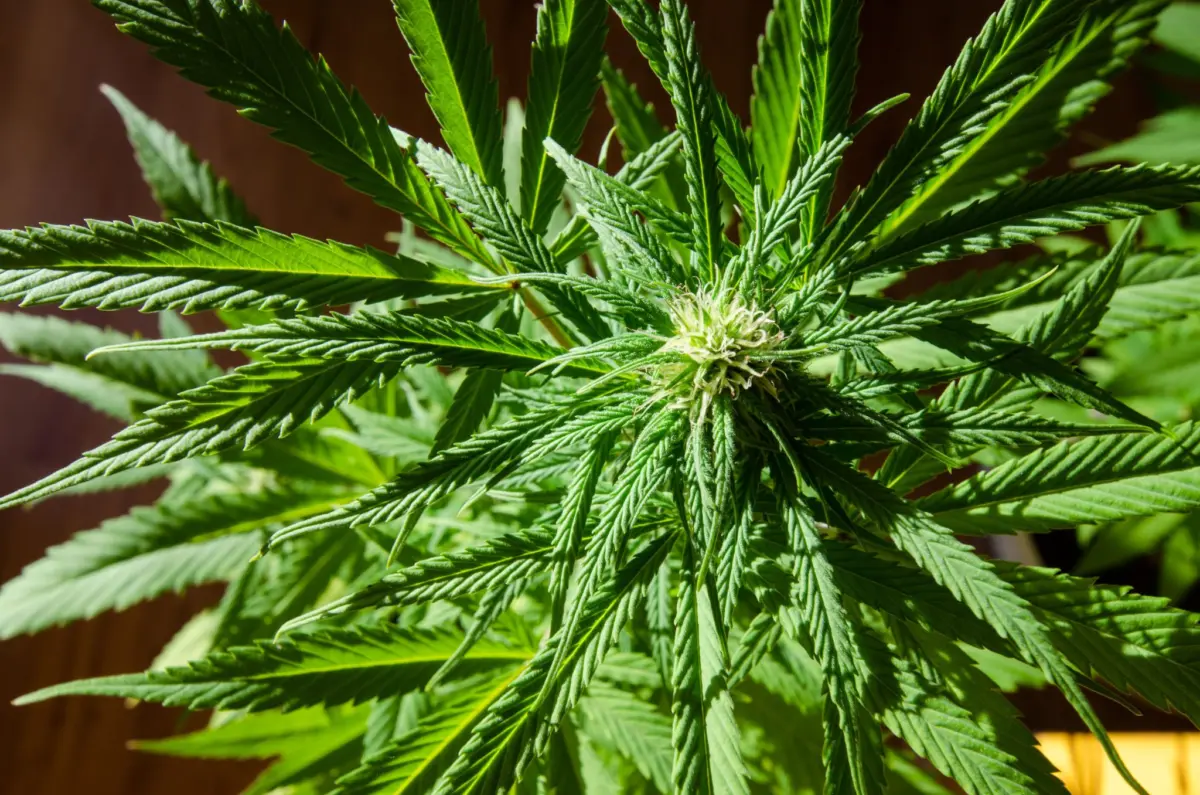
Terpenes are naturally occurring organic hydrocarbons found not only in the cannabis plant but also in a vast array of flora, including lavender, citrus fruits, pine trees, and black pepper. They are evolutionary adaptations designed to either attract pollinators or deter herbivores.
On a modern dispensary menu, terpene profiles are routinely listed alongside THC and CBD figures. It is a common misconception that specific terpenes guarantee a specific medical outcome or "high." Instead, terpenes primarily dictate the aroma and flavor of the product.
- A shopper who prefers bright, citrusy notes may look for profiles rich in limonene.
- A shopper who prefers earthy, pine-like aromas may gravitate toward pinene or myrcene.
Personal taste and olfactory preference drive this choice far more than any numerical figure on the label. Furthermore, terpene percentages on flower labels typically sit low—usually under three percent of the total plant weight. Higher terpene percentages generally signal a fresher product that has been carefully harvested, cured, and stored to preserve volatile aromatic compounds. Because aroma and flavor degrade over time due to oxidation and light exposure, a recent harvest date is a reliable indicator of a fuller, more robust sensory experience.
Dose Amounts, Onset Times, and Consumption Formats
Different consumption formats deliver cannabinoids to the bloodstream via entirely different biological pathways, resulting in drastically varied onset times and peak durations. The table below outlines these differences, providing a baseline reference for first-time purchasers.
| Format | Typical THC Range | Onset Window | Common First Serve |
|---|---|---|---|
| Flower | 15% to 30% | 2 to 10 minutes | One small bowl or puff |
| Vape Cartridge | 60% to 85% | 2 to 10 minutes | One short draw |
| Edible | 5 mg to 10 mg per piece | 30 to 120 minutes | Half of a 5 mg piece (2.5 mg) |
| Concentrate | 60% to 90% | 2 to 10 minutes | Rice-grain-sized amount |
| Tincture | 5 mg to 20 mg per dose | 15 to 60 minutes | Quarter dropper |
The Golden Rule of Dosing: Start Low and Go Slow
For any newcomer, adopting a conservative approach ensures a comfortable, manageable session. Many dispensary staff recommend starting with half of a five-milligram edible (2.5 mg) for a first try, or taking a single, brief inhalation from a vape cartridge.
Crucially, timing matters just as much as dosage. Because edibles must pass through the digestive system and the liver before entering the bloodstream, their effects can take up to two hours to fully manifest. Novice consumers frequently make the mistake of taking a second dose too soon because they do not feel the effects immediately. Maintaining at least a two-hour gap between edible doses is essential to avoid accidental overconsumption.
Concentrate Categories: Solvent-Based vs. Solventless
For consumers looking beyond traditional flower and edibles, concentrates represent the peak of potency on modern menus, frequently boasting THC levels between 60% and 90%. Understanding how these products are extracted helps demystify their varied textures and price points.
- Solventless Extracts: Products like rosin and dry sift are produced exclusively through physical processes utilizing controlled heat and mechanical pressure, entirely avoiding chemical solvents. These are prized for retaining the pure, unadulterated essence of the plant.
- Solvent-Based Extracts: Products like live resin, shatter, and badder utilize hydrocarbon solvents (such as butane or propane) during extraction, followed by rigorous purging and comprehensive laboratory testing to ensure zero residual solvent contamination.
- Distillates: These undergo an advanced refinement process that strips the cannabis extract down to near-pure THC, resulting in a potent, highly versatile oil with a neutral taste profile.
Hardware and Storage: Concentrates require specific consumption gear. While pre-filled vape cartridges attach easily to standard batteries for a plug-and-play routine, traditional dabs require a specialized water pipe ("rig"), a heating element (torch or e-nail), and careful temperature management. To maintain their chemical integrity, all concentrates should be stored in cool, dark environments to prevent degradation of cannabinoids and terpenes.
Official Statements & Regulatory Compliance
Navigating the legal cannabis market means operating within strict regulatory frameworks designed to protect public safety, ensure product purity, and provide absolute consumer transparency. State regulatory bodies mandate rigorous testing and labeling standards for all commercial products.
State-Mandated Labeling Standards
In regulated markets such as Illinois, state law dictates that every single cannabis package must display a standardized set of critical data points before it can be sold at retail counters. These mandatory fields include:
- Total THC and Total CBD content (broken down into active and precursor cannabinoids).
- Unique Batch and Lot Numbers for tracking and quality assurance.
- Exact Harvest and Packaging Dates.
- The Name and License Number of the Certified Testing Laboratory.
- Net Weight (for flower and concentrates) or Precise Milligram Counts (for edibles, tinctures, and topicals).
Public health officials and dispensary operators consistently emphasize that these labels are not merely bureaucratic hurdles; they are consumer protection tools. By scanning these key metrics prior to checkout, buyers can verify the safety, potency, and freshness of their purchases.
Expert Insights from Dispensary Personnel
Frontline dispensary staff—often referred to as budtenders—serve as the primary educational bridge between regulatory compliance and the consumer experience. Industry professionals frequently advise newcomers to adopt a simple record-keeping habit to eliminate guesswork during future visits.
"A newcomer’s best asset is a simple notebook," notes one veteran Illinois dispensary manager. "Write down the strain name, batch number, terpene profile, and dose amount after each purchase. Compare your notes over a few weeks. That short personal record turns trial-and-error into a reliable reference guide that our team can use to fine-tune your future orders."
This collaborative approach between budtenders and shoppers ensures that consumers do not have to rely on marketing hype, anchoring their purchasing decisions instead in verifiable data and personal physiological feedback.
Future Outlook: The Next Wave of Cannabis Consumerism
As the cannabis industry matures globally, several key trends are poised to shape the future of product labeling, consumer education, and dispensary operations.
1. Advanced Analytical Profiling (Minor Cannabinoids and Beyond THC)
While dispensary menus have historically focused almost exclusively on THC and CBD percentages, the future of labeling is shifting toward a more holistic view of the plant’s chemical matrix. Emerging analytical testing methods are making it economically viable to screen for "minor cannabinoids"—such as CBG (Cannabigerol), CBN (Cannabinol), and CBC (Cannabichromene)—as well as a broader spectrum of minor terpenes. Future product labels will likely provide comprehensive "entourage effect" profiles, giving consumers unprecedented insight into how these secondary compounds modulate the overall experience.
2. Standardization of Onset Metrics and Nano-Technology
The unpredictable onset times of traditional edibles have long been a pain point for both novice and experienced consumers. In response, food scientists and cannabis processors are heavily investing in nano-emulsion technology. By breaking cannabis oil down into microscopic, water-soluble particles, nano-edibles and beverages bypass traditional hepatic (liver) first-pass metabolism, allowing cannabinoids to absorb directly through the mucous membranes of the mouth and stomach. As this technology scales, future labels will feature increasingly accurate, rapid onset windows—shrinking edible wait times from hours down to minutes, closely mimicking the predictability of inhalation formats.
3. Digital Integration and Personalized Consumer Portals
The traditional paper label is rapidly intersecting with digital infrastructure. Many modern packaging lines now incorporate dynamic QR codes that link directly to the batch’s full Certificate of Analysis (COA) issued by the testing laboratory. Looking ahead, consumer apps will allow shoppers to scan these codes to automatically log their purchases, track onset times, rate their experiences, and sync their personal preferences directly with dispensary inventory systems. This seamless integration of data science and retail will continue to lower the barrier of entry for first-time shoppers, transforming cannabis retail into a highly personalized, transparent, and sophisticated consumer experience.