Executive Overview
The modern digital entertainment landscape is defined by an insatiable appetite for immediacy. Across streaming media, interactive gaming, and live-streamed events, consumers are increasingly rejecting static, pre-recorded content in favor of experiences that unfold in real time. Nowhere is this evolution more pronounced than in the online gaming sector, where the traditional boundary between software-driven simulations and physical casino floors has fundamentally dissolved.
At the heart of this shift lies the live dealer phenomenon. There is a precise, psychological tipping point that separates a standard Random Number Generator (RNG) game from a live stream: the fleeting moment a dealer glances up to acknowledge a chat message, or the acoustic clarity of a real deck of cards being manually shuffled rather than approximated by a synthesized sound file. Platforms like VegaStars live games have leaned heavily into this experiential distinction, utilizing it to capture a growing demographic of players who prioritize human connection and transparency over automated abstraction.
However, this perceived authenticity is not a happy accident; it is the culmination of complex technical engineering, broadcast-grade video production, and advanced data processing. Far from being a mere cosmetic upgrade to traditional online casino layouts, live dealer technology represents an intricate synchronization of physical actions and digital infrastructure. By analyzing the mechanics behind high-definition multi-camera setups, optical character recognition (OCR), and low-latency streaming protocols, industry analysts can better understand how live formats have transformed from a niche novelty into a dominant pillar of modern digital engagement.
Detailed Chronology: The Evolution from Automated RNG to Real-Time Broadcasts
To fully comprehend the sophistication of contemporary live casino studios, one must examine the evolutionary trajectory of online wagering over the past three decades. The transition from physical casinos to digital spaces did not happen overnight; it was a stepwise migration marked by continuous technological breakthroughs.
[1990s: Static RNG Era]
      │ (Pixelated graphics, hidden mathematical algorithms)
      ▼
[Early 2000s: Early Video Streaming]
      │ (Low-bandwidth webcams, high latency, frequent disconnections)
      ▼
[2010s: HD Studio Infrastructure]
      │ (Dedicated broadcast facilities, professional dealers, early OCR integration)
      ▼
[Present Day: Immersive Real-Time Ecosystems]
      ⌛ (Multi-camera setups, ultra-low latency, real-time data synchronization)
1. The Early Digital Era: The Dominance of RNG (Mid-1990s – Late 2000s)
When online gaming first emerged in the mid-1990s, technology dictated the medium. Internet connections were predominantly dial-up, and video streaming was practically non-existent for everyday consumers. Consequently, platforms relied entirely on Random Number Generators—complex mathematical algorithms designed to ensure fair, unpredictable outcomes for virtual slots, blackjack, and roulette.
While RNG systems were functionally sound and capable of handling high volumes of transactions, they suffered from a profound experiential deficit. Players had to place blind trust in hidden code. There was no visual verification, no human element, and no tactile feedback. The game existed as a closed loop between user input and algorithmic resolution.
2. The Bandwidth Breakthrough and Early Live Streams (Late 2000s – Early 2010s)
As broadband adoption surged and video compression codecs advanced, developers began experimenting with real-time video feeds. The earliest iteration of live dealer gaming was rudimentary by today’s standards. Broadcasts were typically captured from standard-definition webcams mounted in brick-and-mortar casino floors or sparsely decorated warehouse studios.
These early formats were plagued by severe technical limitations: high latency caused noticeable delays between player action and dealer response, video streams frequently buffered, and lighting was often suboptimal. Despite these hurdles, the psychological impact was immediate. Players responded enthusiastically to the presence of real human dealers, proving that the appetite for live interaction outweighed minor technical imperfections.
3. The Professionalization of Studio Infrastructure (Mid-2010s – 2020)
Recognizing the commercial viability of live formats, operators began treating studio construction with the same rigor as television production companies. Dedicated, high-tech studios emerged across jurisdictions like Latvia, Malta, and the Philippines.
During this phase, standard webcams were replaced by broadcast-grade cinematic cameras mounted on motorized jibs and gimbals. Studios invested in professional lighting grids, custom-built felt tables, and rigorous dealer training programs. Simultaneously, software developers integrated early optical character recognition (OCR) systems directly into the studio hardware, allowing physical card draws and roulette wheel rotations to be translated into digital data within milliseconds.
4. The Contemporary Era: Hyper-Immersion and Real-Time Data Ecosystems (2020 – Present)
Today, live dealer studios rival professional television soundstages. Utilizing 4K ultra-high-definition streaming, multi-angle camera switching, and augmented reality (AR) overlays, modern platforms offer an exceptionally fluid experience. The focus has shifted from merely broadcasting a game to creating an interactive ecosystem where players can participate in game-show-style formats, place side bets with complex statistical tracking, and communicate seamlessly via live chat interfaces.
Supporting Context & Metrics: Deconstructing Authenticity
Authenticity in live-streamed entertainment is frequently discussed as a nebulous, emotional concept. However, market research and technical benchmarks reveal that it is actually the sum of several distinct, measurable elements working in concert.
The Anatomy of a Live Table Experience
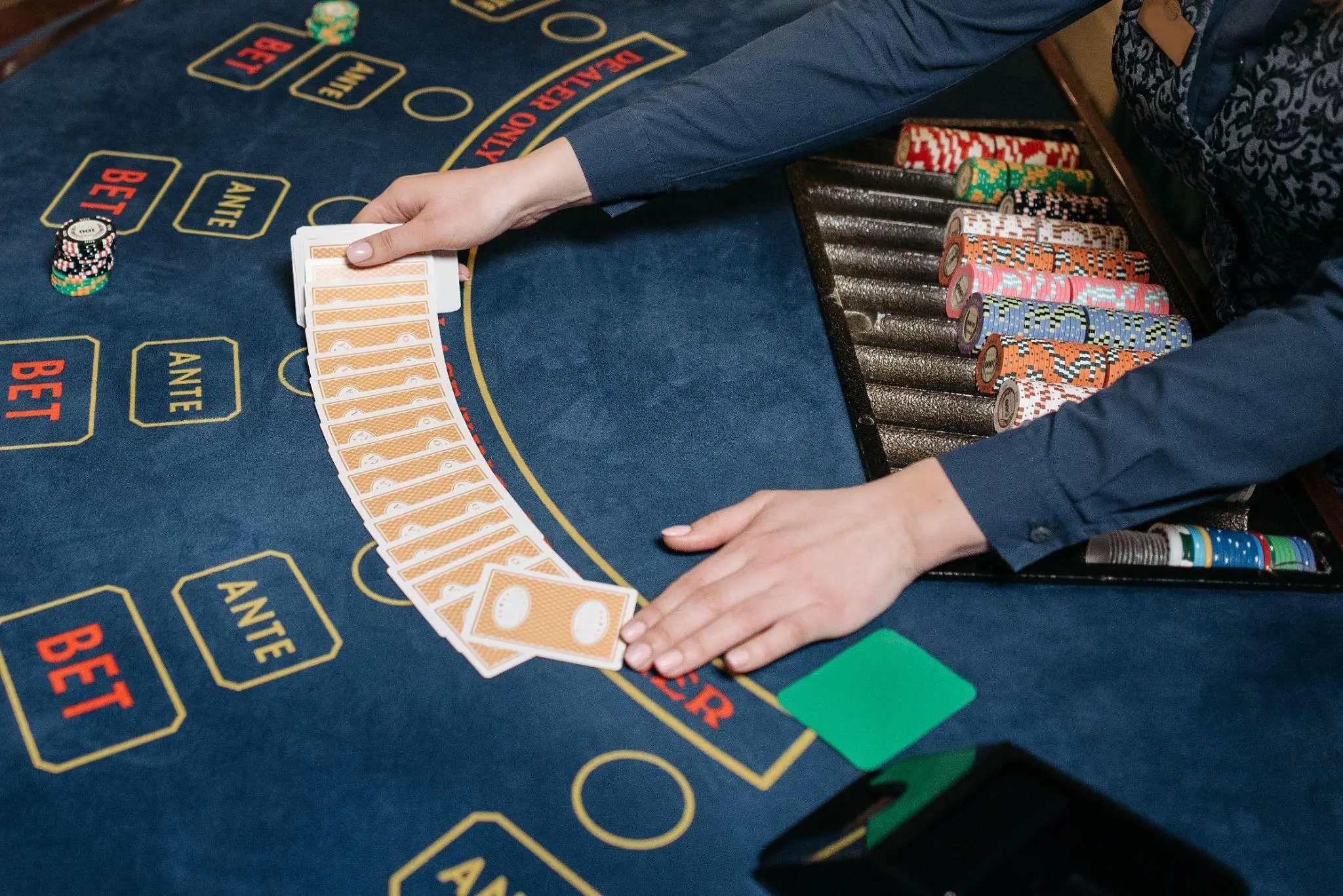
When a player transitions from an RNG table to a live dealer environment during the same session, they often report that the game feels slower. Interestingly, the actual statistical pacing—the number of hands dealt per hour—is often comparable or even regulated by the dealer’s physical speed. What changes is the perceptual rhythm. A human dealer introduces natural pauses: the sweep of a hand to collect cards, the conversational banter with chat participants, and the physical kinetic energy of a roulette ball spinning across a wooden track.
| Element | Technical Implementation | Impact on Player Psychology |
|---|---|---|
| HD Multi-Camera Streaming | 4K/1080p broadcast cameras with dynamic angle shifting. | Replaces blind trust in software with visual verification of every game action. |
| Human Dealers & Pit Bosses | Professionally trained personnel operating under studio surveillance. | Introduces natural pacing, emotional reactions, and social engagement. |
| Physical Assets (Cards/Wheels) | Certified casino-grade physical equipment with embedded sensors. | Outcomes derive from physical physics rather than opaque backend algorithms. |
| Live Chat Functionality | Moderated, low-latency text channels integrated into the UI. | Eliminates the isolation of solo RNG play, creating a communal atmosphere. |
| Optical Character Recognition | Real-time video-to-data conversion software. | Ensures absolute synchronization between the physical table and digital betting interface. |
The Technological Engine: Cross-Industry Parallels
The sophisticated infrastructure powering live tables is not exclusive to the gaming sector; it is part of a broader technological convergence across live-streamed digital media.
Consider the principles of Optical Character Recognition (OCR). As documented in technical frameworks such as AWS’s media services guides, OCR software analyzes incoming visual frames in real time, identifying characters or symbols within an image and converting them into structured, usable data packets. Originally optimized for live broadcast captioning and automated sports statistics tracking, this exact technology is deployed on live casino tables.
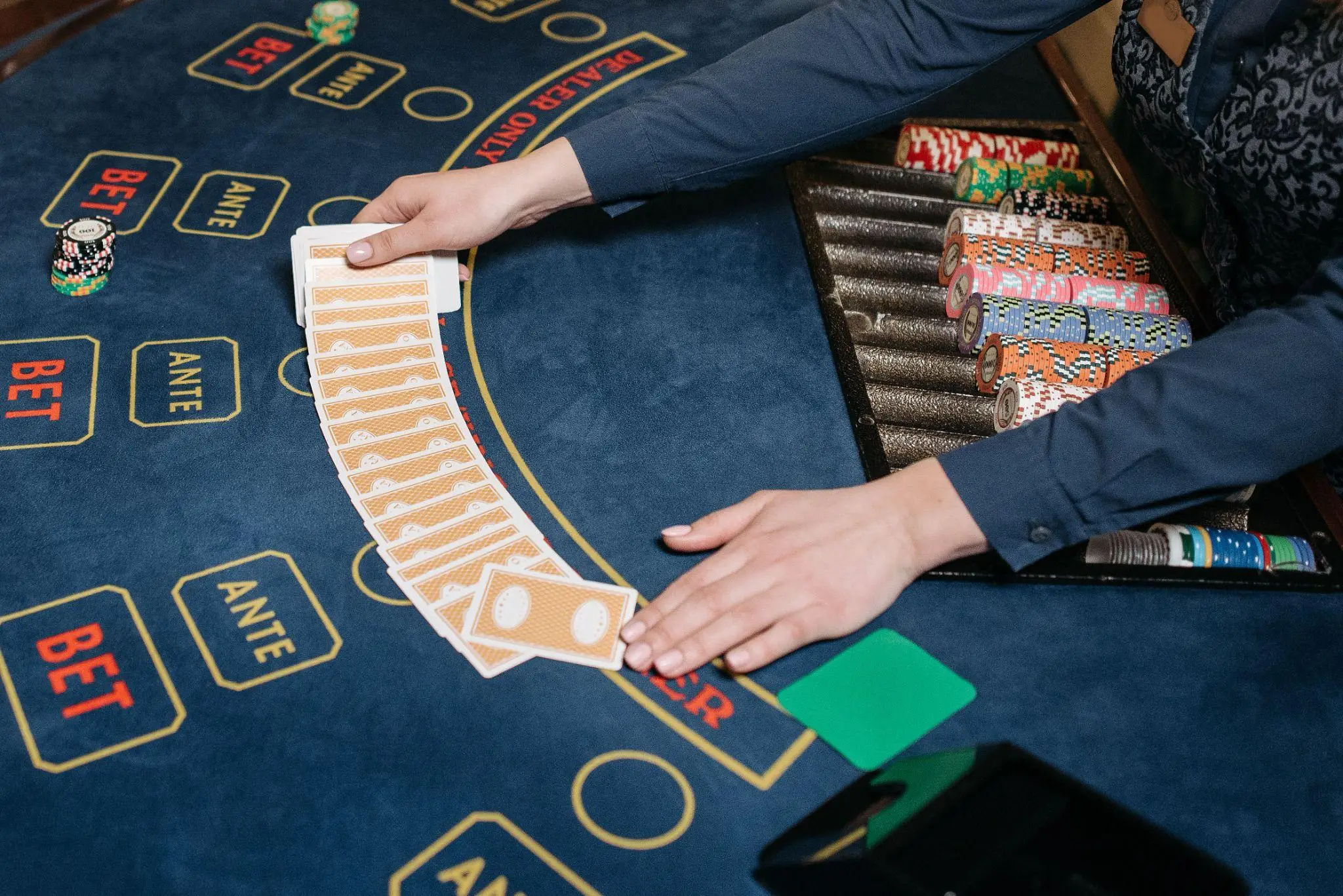
When a dealer pulls a card from the physical shoe, optical sensors and studio-integrated OCR systems read the suit and value instantly. This data is transmitted to the player’s interface faster than the human eye can process the visual handoff, ensuring that the digital betting UI and the physical studio remain in absolute synchronization. Without this seamless translation layer, the illusion of live play would collapse under the weight of processing delays or manual data entry errors.
Official Statements and Industry Insights
Industry leaders, design theorists, and spatial psychologists have increasingly focused on the mechanics of engagement within digital spaces. The consensus points toward immediate responsiveness as the primary driver of sustained user attention.
Insights on Immersive Design
In comprehensive research published by architecture and design firm Gensler regarding immersive engagement strategies, investigators noted that visual fidelity alone is insufficient for maintaining long-term user interest. Their findings emphasize that clear, immediate responsiveness is what anchors a user to an interactive experience—whether physical or digital.
"A flawless visual stream devoid of interactive feedback quickly regresses into passive television viewing," the research indicates. "True immersion requires a dynamic loop: the user takes an action, the environment acknowledges that input instantly, and the system evolves in real time based on that exchange."
Live casino platforms operationalize this principle effectively. A pristine video stream of a roulette wheel spinning is visually appealing, but it is the ability to place a digital chip on a layout, watch the physical ball land in a pocket, and receive an instant settlement confirmation that completes the interactive loop.
Perspectives on Real-Time Digital Culture
The demand for real-time validation extends far beyond the gaming industry. Commentators observing contemporary pop culture events—such as live festival coverages highlighted by outlets like the NY Daily News during events like Fanatics Fest—have pointed to a universal cultural shift. Consumers increasingly favor live, unscripted, and direct-access formats over heavily edited or simulated media.
Whether it is fans engaging with athletes via live-streamed Q&As or players sitting at a live baccarat table hosted in a studio thousands of miles away, the core psychological driver remains identical: the desire for a shared, unscripted moment happening now.
Future Outlook: The Next Frontier of Real-Time Interaction
As broadband infrastructure continues to evolve with the global rollout of 5G networks, edge computing, and ultra-low-latency streaming codecs, the future of live dealer and real-time digital entertainment is poised for profound transformation.
┌───────────────────────────────────────────────────────────┐
│               FUTURE HORIZONS IN LIVE GAMING              │
├──────────────────────────┬────────────────────────────────┤
│ Technological Vector     │ Projected Impact               │
├──────────────────────────┼────────────────────────────────┤
│ Extended Reality (XR)    │ Holographic overlays on        │
│                          │ physical studio floors.        │
├──────────────────────────┼────────────────────────────────┤
│ Edge Computing           │ Sub-50 millisecond latency     │
│                          │ for global participants.       │
├──────────────────────────┼────────────────────────────────┤
│ AI-Assisted Personalization│ Dynamic studio environments    │
│                          │ tailored to user preferences.  │
├──────────────────────────┼────────────────────────────────┤
│ Biometric Feedback Loops │ Real-time adaptation to player │
│                          │ engagement metrics.            │
└──────────────────────────┴────────────────────────────────┘
1. Extended Reality (XR) and Spatial Computing
The integration of augmented reality (AR) and virtual reality (VR) into live studio environments is already underway. Rather than viewing a live table through a flat two-dimensional screen, future participants may utilize mixed-reality headsets to project a life-sized dealer and card table directly into their physical living rooms. This convergence of physical studio broadcasting and spatial computing will further blur the line between digital convenience and physical presence.
2. Edge Computing and Zero-Latency Interaction
Latency remains the final frontier for live digital experiences. While current streaming protocols operate within acceptable tolerances, edge computing architectures promise to decentralize data processing. By pushing computation closer to the end-user’s geographic location, platforms can eliminate remaining micro-delays, creating an entirely frictionless environment where remote participants experience real-time synchronization indistinguishable from sitting at a physical casino table.
3. Ethical Frameworks and Responsible Engagement
As live formats become increasingly convincing and immersive, the responsibility of operators and platforms scales proportionately. The psychological impact of interacting with a real human dealer can sometimes obscure the financial reality of wagering.
Industry analysts emphasize that future platforms must proactively integrate friction into their user interfaces—such as mandatory session time limits, transparent expenditure tracking tools, and prominent reality checks. Maintaining a sustainable entertainment model requires acknowledging that while the illusion of authenticity makes the format compelling, gambling must always remain a form of budgeted leisure rather than a financial strategy.
Conclusion
The transformation of live dealer gaming from a low-bandwidth experiment into a cornerstone of digital entertainment illustrates a broader truth about modern media: technology is most powerful when it successfully bridges the gap between human connection and digital efficiency.
By combining broadcast-grade production, rigorous optical data synchronization, and the undeniable presence of professional human dealers, live formats have redefined what players expect from online platforms. Every camera angle, every calculated second of latency reduction, and every conversational interaction is a deliberate architectural choice. Ultimately, these innovations do not alter the underlying mathematics of chance; rather, they illuminate the process, transforming a cold algorithm into a shared, transparent human experience.