Executive Overview
As summer temperatures peak, households across the country brace themselves for an annual ritual of sticker shock: opening the monthly utility bill. For millions of homeowners, the immediate instinct is to point an accusing finger at the air conditioning unit. People often wonder: Why is my electric bill so high in summer? They assume the central HVAC system is simply aging, overworked, or losing its operational efficiency.
While aging cooling equipment certainly plays a role in some households, utility experts and energy researchers point out that the culprit is frequently much closer—and much more transparent—than we realize. It is the window.
By midafternoon, many homes develop a distinct thermal anomaly: a single room where the floor feels uncomfortably warm underfoot, the sofa sits in a stripe of harsh, penetrating sunlight, and the air conditioner cycles on endlessly even though the rest of the house remains cool. In these scenarios, the window is effectively working against the cooling system, acting as a thermal conduit that pumps unwanted heat straight into the living space.
This phenomenon, known as solar heat gain, transforms ordinary glass panes into passive heaters. When sunlight streams through an uncovered window, it strikes hardwood floors, tiles, rugs, and furniture. These surfaces absorb the solar radiation and re-emit it as thermal energy long after the sun has shifted.
Addressing this invisible heat pump does not always require a costly HVAC replacement or extensive structural retrofits. Instead, energy conservation specialists emphasize a simpler, often overlooked intervention: the strategic use of window treatments. Far from being mere decorative finishes chosen exclusively for privacy or aesthetic color coordination, modern window blinds, shades, and films serve as critical frontline defenses in residential energy management. When deployed at the right time of day, they can intercept a significant portion of solar heat before it ever spreads through a room, mitigating the strain on cooling systems and putting a noticeable dent in rising electricity consumption.
Detailed Chronology: Understanding the Summer Energy Surge
To understand how a home transitions from comfortable to a thermal trap during the summer months, it is helpful to look at the daily progression of solar exposure and how households respond.
Morning: The Onset of Solar Gain
The thermal cycle begins early in the day, long before the afternoon peak. As the sun rises in the east, east-facing windows capture the first direct rays of morning light. Without intervention, these windows immediately begin admitting thermal energy. Because outdoor temperatures are still relatively cool, occupants rarely notice the initial heat buildup, allowing the temperature inside specific rooms to creep upward unnoticed.
Midday: The Peak Exposure Window
By noon, the sun reaches its zenith, casting intense light downward and heavily impacting south-facing windows, skylights, and horizontal architectural features. The intensity of ultraviolet and infrared radiation peaks during this window. If blinds or shades remain wide open, solar heat gain accelerates rapidly. Hardwood floors and heavy upholstered furniture begin storing thermal energy, setting the stage for the late-afternoon comfort crisis.
Late Afternoon: The Thermal Trap
The most acute phase of summer overheating typically occurs in late afternoon, particularly in west-facing rooms. As the sun dips lower in the sky, its rays strike vertical windows at a direct angle, flooding living spaces and home offices with harsh glare and immense thermal loads.
This is the exact moment when the home’s vulnerability is laid bare. The air conditioner, having run continuously for hours, struggles to keep up because the room’s physical components—floors, walls, and furniture—are actively radiating heat back into the air. Homeowners frequently respond by lowering the thermostat setting, a counterproductive habit that drives up energy consumption without resolving the underlying radiant heat problem.
Evening: Dissipating the Stored Energy
Even after the sun has set and outdoor temperatures begin to drop, an unprotected room takes hours to cool down. This delay occurs because the materials inside the room must slowly release all the solar energy they absorbed and stored throughout the day. Only late at night does the thermal equilibrium finally restore itself—just in time for the cycle to begin anew the following morning.
Supporting Context & Metrics: Rates, Consumption, and Material Science
To effectively lower summer utility costs, homeowners must first distinguish between two variables that drive up monthly bills: utility pricing and energy consumption.
The Financial Landscape: Rates vs. Usage
A window upgrade or a change in daily habits can directly influence how much electricity a home consumes, but it has zero impact on the price charged per kilowatt-hour (kWh) by the local utility provider. Understanding this distinction prevents misplaced frustrations and guides homeowners toward practical conservation measures.
According to the U.S. Energy Information Administration’s (EIA) Short-Term Energy Outlook, residential electricity prices have continued an upward trajectory. The EIA forecasts the average summer residential electricity price at roughly 18.41 cents per kilowatt-hour—representing a notable increase over previous years. While average monthly household electricity use has occasionally edged down due to efficiency gains, rising per-unit rates mean that average monthly bills continue to climb.
However, national averages tell only part of the story. A household in the Middle Atlantic region experiences vastly different climate pressures, grid pricing, and humidity levels compared to a home in the Mountain states or the desert Southwest. Therefore, the most reliable metric for measuring home efficiency is found directly on the utility bill: comparing this July’s kilowatt-hour consumption against last July’s consumption, rather than focusing solely on the dollar amount.
Beyond the Window: Secondary Load Factors
While solar heat gain through glass is a major contributor to high summer bills, it rarely operates in a vacuum. Daily household habits and lifestyle shifts can compound energy use:
- The Remote Work Effect: Modern work-from-home schedules mean that computers, monitors, secondary lighting, and residential cooling systems run continuously during hours when houses once stood empty and climate control systems could coast in setback modes.
- Secondary Appliances: Extra refrigerators in the garage, basement dehumidifiers, and newly occupied bedrooms running independent electronics or window units quietly add to the total electrical load without attracting immediate notice.
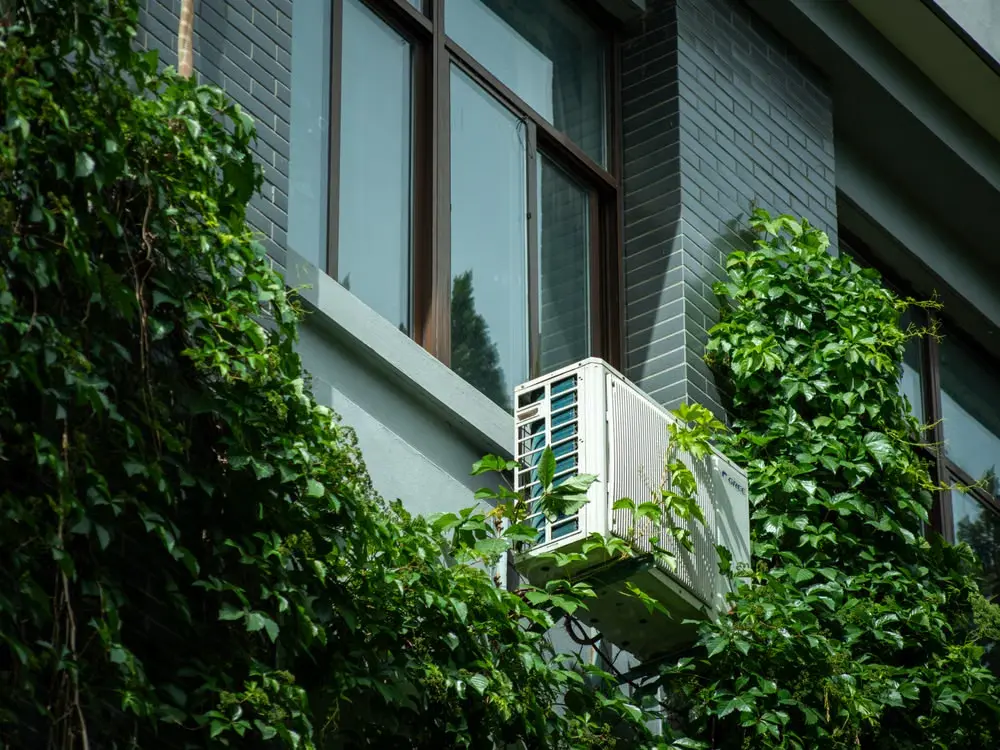
- HVAC Maintenance Deficits: It is a mistake to assume that an aging air conditioner is automatically the sole cause of high summer bills. More often, age combines with deferred maintenance. A dirty air filter severely restricts airflow, leaky ductwork allows chilled air to escape into unconditioned attics or crawlspaces, and outdoor condenser units surrounded by overgrown vegetation and yard debris cannot effectively release heat.
How Different Window Coverings Handle Heat and Glare
Choosing the right window treatment requires matching the product’s engineering capabilities to the specific needs of a room. Not all window coverings are created equal when it comes to thermal performance.
| Type | Practical Strength | Compromise |
|---|---|---|
| Standard Blinds | Slats can be dynamically tilted throughout the day to block direct sun while preserving some ambient light. | They control direct solar rays effectively, but offer relatively modest insulation properties. |
| Solar Shades | Reduce harsh glare on computer and television screens without completely sacrificing daytime outdoor views. | Open-weave fabrics allow a higher percentage of radiant heat to pass through and provide minimal privacy after dark. |
| Cellular Shades | Honeycomb-shaped air pockets trap air near the glass, creating a thermal barrier that slows heat transfer. | Closing the shade completely blocks out the outdoor view and natural daylight. |
Research highlights the tangible benefits of these materials. Studies published by the U.S. Department of Energy indicate that well-fitted cellular shades can significantly outperform conventional vinyl blinds, with modeled heating and cooling energy savings reaching up to 15% compared to bare windows. While actual savings depend heavily on local climate, glazing types, window orientation, and household habits, the physical mechanics remain clear: creating an insulating air buffer near the glass dramatically reduces thermal exchange.
Official Statements and Industry Insights
Energy authorities and building science experts consistently emphasize that passive solar management should be the first line of defense in residential energy efficiency.
The U.S. Department of Energy (DOE) notes that south- and west-facing windows are particularly vulnerable during the summer months. In its technical guidelines on residential fenestration management, the agency stresses that preventing solar radiation from entering the home is vastly more energy-efficient than attempting to remove that heat via air conditioning once it has penetrated the living space.
Similarly, ENERGY STAR—a program jointly managed by the U.S. Environmental Protection Agency and the Department of Energy—advises homeowners to look at the holistic performance of their thermal envelope. According to ENERGY STAR guidelines, cooling systems that are more than 10 years old should be professionally assessed if repair frequencies increase or if the home struggles to maintain a consistent temperature. However, the organization repeatedly underscores that equipment performance is heavily compromised when building shells allow uncontrolled heat gain through unshaded windows and poorly sealed doors.
Industry groups representing interior shading manufacturers echo these findings, pointing out that consumer awareness is shifting. Modern window treatments are increasingly viewed not merely as interior design accessories, but as functional building components capable of reducing peak electrical grid demand during scorching summer afternoons.
Future Outlook: Smart Homes, Advanced Glazing, and Sustainable Living
Looking toward the future, the intersection of residential architecture, energy conservation, and automated technology is transforming how homes manage solar heat gain.
The Rise of Motorized and Automated Shading
The next evolution in window treatment technology moves beyond manual pull-cords and tilt-wands. Smart home ecosystems now integrate motorized blinds and shades with real-time weather sensors, interior thermostats, and astronomical clocks.
These automated systems can proactively close west-facing shades precisely when the sun reaches a specific azimuth angle, or adjust slats based on whether the home is currently occupied. By removing human error and timing delays, automated window treatments maximize energy savings effortlessly, ensuring that heat is blocked before it ever enters the living space.
Material Science Innovations
Manufacturers are also developing advanced smart textiles and phase-change materials (PCMs) for window coverings. These next-generation fabrics are engineered to absorb, store, or reflect thermal energy dynamically, adapting to shifting external temperatures throughout the day. Coupled with improvements in window glazing—such as low-emissivity (Low-E) coatings and spectrally selective window films—future homes will be able to harvest beneficial light while entirely neutralizing unwanted infrared heat.
Policy and Grid Stability
As climate change drives more frequent and intense summer heatwaves, residential air conditioning loads place immense strain on regional power grids. Utilities increasingly face peak demand challenges that risk triggering brownouts or blackouts.
By encouraging widespread adoption of passive energy-saving measures—such as strategic window shading and timing routines—policymakers and utility providers hope to flatten peak electricity demand curves. Empowering consumers with actionable knowledge about solar heat gain represents a decentralized, highly cost-effective strategy for enhancing community-wide grid resilience and moving toward a more sustainable residential future.
Practical Action Plan for Homeowners
To put these insights into practice, homeowners do not need to overhaul their entire living spaces at once. A targeted, step-by-step approach yields the fastest improvements in comfort and efficiency:
- Conduct an Afternoon Thermal Audit: Walk through your home between noon and 4:00 PM on a sunny day. Identify which rooms feel stuffy or feature harsh patches of sunlight on floors and furniture. Focus your initial upgrades on these primary "heat-gain zones," particularly west-facing windows and skylights.
- Prioritize Proper Fit: Whether choosing an inside mount (which sits neatly within the window frame) or an outside mount (which overlaps the frame to eliminate light gaps along the edges), ensure accurate measurements. Small fitting errors can allow significant ribbons of direct sunlight to bleed into the room, undercutting the efficiency of the treatment.
- Establish a Proactive Routine: Close blinds, shades, or draperies before the sun reaches the window, rather than reacting after the room has already overheated. Keep coverings lowered during peak solar hours, and reopen them in the evening only after outdoor temperatures have dropped below indoor levels.
- Monitor Kilowatt-Hour Usage: To evaluate the effectiveness of your changes, check your utility provider’s online portal to monitor daily or hourly kWh consumption on days with similar outdoor temperatures. This provides a far more accurate assessment than waiting for the monthly dollar total, especially if local utility rates have fluctuated.
By combining proactive window management with regular HVAC maintenance, homeowners can reclaim control over their indoor climate, ease the burden on their cooling systems, and successfully tame their summer electric bills.