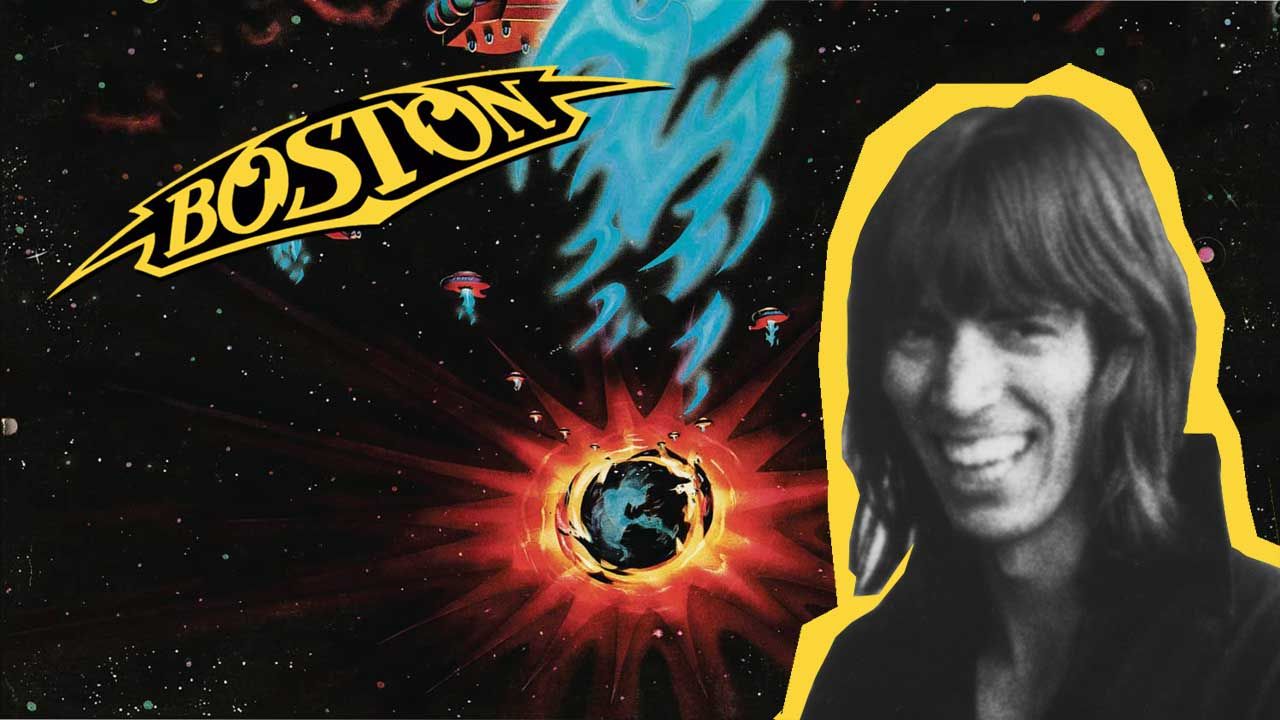
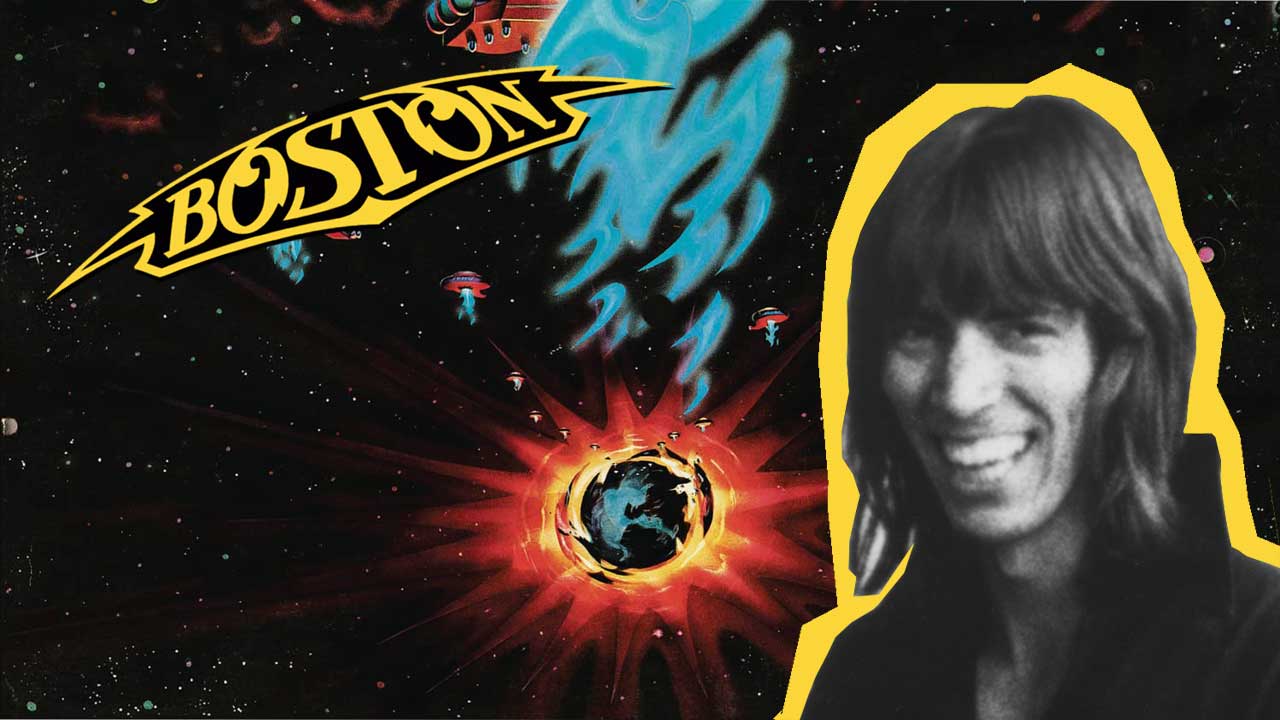
Five decades after its release, Boston—the self-titled 1976 debut album by the American rock band Boston—remains one of the most remarkable anomalies in popular music history. Certified over 18 times Platinum in the United States alone, the album established a sonic blueprint for arena rock: towering guitar harmonies, pristine pop melodies, operatic vocal arrangements, and high-fidelity production values. Yet, behind this monumental commercial juggernaut lay no high-budget record label strategy, no famed recording complex, and no veteran hit-making orchestra.
Instead, the project was almost entirely the brainchild of Tom Scholz: a MIT-trained mechanical engineer working at Polaroid by day and obsessively constructing multi-track recordings in his Massachusetts basement by night. Driven by a combination of unyielding perfectionism, personal financial sacrifice, and relentless rejection from the music industry elite, Scholz bypassed conventional studio workflows to engineer every layer of the band’s signature sound.
Looking back across fifty years—supported by definitive retrospective interviews conducted by Classic Rock magazine—the story of Boston is a masterclass in artistic stubbornness, technological ingenuity, and the ultimate triumph of DIY music production long before the digital age.
Detailed Chronology: From Polaroid Engineer to Rock Visionary
1969 ──────────────► 1970–1974 ──────────► 1975 ─────────────► 1976
Wrote first song    Expended salary on    Completed 6-song   Recorded album in basement;
"Foreplay" while    commercial studios &  final demo tape;   released by Epic Records;
at MIT.             built basement setup  signed to Epic.    became immediate smash hit.
1969–1974: The Genesis and the Basement Workbench
Tom Scholz’s musical journey began not on the standard club circuit, but behind keyboards while earning a Master’s Degree in Mechanical Engineering at the Massachusetts Institute of Technology (MIT). In 1969, he composed his first original piece, an intricate organ-driven instrumental titled "Foreplay."
After graduating, Scholz secured a lucrative position as a senior product design engineer at the Polaroid Corporation. Rather than investing his earnings into conventional life milestones, he channeled his entire disposable income into pursuit of a signature audio sound.
Initially, Scholz attempted to capture his compositions in professional Boston-area recording studios. During the early 1970s, commercial eight-track studio time cost between $75 and $100 per hour—the equivalent of $250 to $300 per hour today. Realizing that the financial pressure of ticking studio clocks throttled his creative process, Scholz shifted strategies:
Salvaged Gear: He acquired used, damaged multi-track tape machines and electronic components.
In-House Engineering: Utilizing his technical background at Polaroid, he custom-engineered and repaired his own gear.
Home Studio Construction: He established a subterranean recording workshop in the basement of his home in Watertown, Massachusetts.
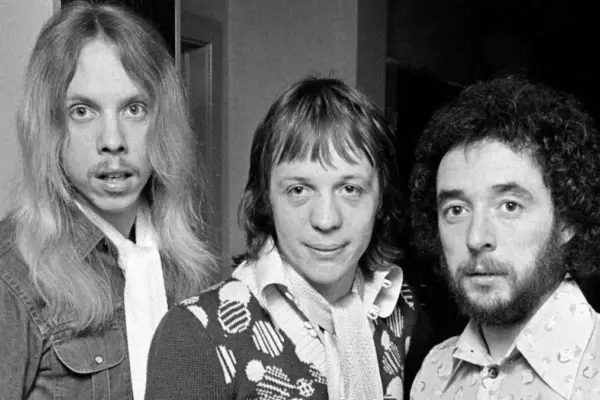
Over the next five years, working alongside local drummer Jim Masdea and an extraordinary vocalist named Brad Delp (whom guitarist Barry Goudreau had introduced to Scholz), Scholz spent thousands of hours writing, performing, tracking, and erasing arrangements for songs that would eventually define the band’s catalog, including "Peace Of Mind,""Rock & Roll Band," and "More Than A Feeling."
1975: The Final Demo and the Secret Deal
By 1975, Scholz was approaching his 30th birthday. Faced with escalating personal expenses, marriage, and a continuous stream of rejection letters from major record labels spanning four years, he decided to make one final demo tape before liquidating his equipment and resigning himself to his engineering career.
The final six-song demo reel contained pristine tape transfers of:
"Rock & Roll Band"
"Peace Of Mind"
"Something About You"
"More Than A Feeling"
"Hitch A Ride"
An additional original track
Suddenly, major labels took notice, including RCA and A&M. Paradoxically, Epic Records—which had previously issued a blunt rejection letter stating the material "had absolutely nothing new to offer"—extended an album deal offer.
However, Epic insisted that the album be re-recorded in a professional studio setting under label supervision. Scholz, accustomed to total solitary isolation when tracking guitar, bass, and organ parts, knew he could not execute his vision in a traditional commercial facility.
Producer John Boylan devised a legendary deception:
The West Coast Cover Story: Boylan took vocalist Brad Delp and guitarist Barry Goudreau to Los Angeles to record a handful of songs (including Brad Delp’s "Let Me Take You Home Tonight") to satisfy label executives that work was progressing in a standard studio environment.
The Basement Masters: Simultaneously, Scholz took a formal leave of absence from Polaroid and returned to his Watertown basement studio. Working alone on the exact same home-brewed equipment used for the demos, he painstakingly re-recorded every instrumental track note-for-note.
With Sib Hashian supplying main drum tracks alongside Jim Masdea, Scholz shipped the completed multi-track tapes to Los Angeles for Delp’s vocal overdubs and final mixing.
1976: Release and Instant Stardom
Released in August 1976, Boston exploded onto radio airwaves. Backed by lead single "More Than A Feeling," the album sold hundreds of thousands of copies per week, swiftly becoming the fastest-selling debut album in American music history up to that point.
Unaware of the record’s staggering momentum, Scholz had returned to his regular daytime engineering job at Polaroid, convinced the album would fail commercially. He did not officially resign from Polaroid until the band was forced to prepare for a major national headlining arena tour in 1977.
Supporting Context & Metrics: Technical Architecture and Commercial Impact
Orchestrated Guitar Harmonies: Influenced heavily by a fleeting ten-second passage of harmony guitars in Led Zeppelin’s "How Many More Times" and Todd Rundgren’s arrangement work on "I Saw The Light," Scholz tracked multiple guitar lines over one another, tuning and playing each part with exacting precision to create a lush, symphonic wall of sound.
Classical Melodic Framing: Unlike contemporary 1970s blues-based soloists who prioritized speed and pentatonic riffs, Scholz approached guitar solos as structured classical interludes, drawing inspiration from Tchaikovsky, Rachmaninov, and Beethoven.
Brad Delp’s Vocal Architecture: Delp possessed rare vocal pitch control and dynamic range. In the studio, he effortlessly stacked four-part harmonies, matching Scholz’s intricate instrumental backing tracks without reliance on modern pitch-correction tools.
Official Statements: In the Words of Tom Scholz
Reflecting on the album’s history, Tom Scholz provided detailed insight into the struggle, techniques, and philosophy behind Boston:
On the Six-Year Struggle and Early Rejection
"I started around 1969. That was when I wrote my first song, which was ‘Foreplay’… From there it was a long, long string of doing everything from buying time in so-called professional recording studios… I made so many tapes and sent them out, and I’d get all the rejection slips back.
I got an incredibly terse rejection letter from a guy in the A&R department at Epic, saying: ‘This band has absolutely nothing new to offer.’ It was quite funny. I think later that same guy claimed that he had discovered Boston."
"This band has absolutely nothing new to offer."
      — Epic Records A&R Department Rejection Letter (c. 1974)
On the Secret Basement Production Deal
"The funny thing is they wanted those songs on that demo… but they didn’t want that demo; it had to be recorded in a real studio. I knew I couldn’t record in a real studio. I’d gotten used to working alone… John Boylan, the producer Epic chose, offered me a deal. I would make the record in my basement and wouldn’t tell anybody… So the album wasn’t the actual demo tapes, it was a re-recording done exactly the same way."
On the Virtuosity of Vocalist Brad Delp
"Brad is one of the best singers I’ve ever heard. How he happened to stumble into my musical life is as much a mystery to me as to everybody else… He was awesome the moment he opened his mouth. As a musician using his voice he had an incredible born talent… Two or three times in 30 years I’ve heard him miss something or do something wrong on stage. It’s been so shocking that nobody knows what to do, because it never happens."
On Leaving Polaroid and the "Million-to-One" Line
*"While I was working on demos and working at Polaroid during the day, I remember once… my department manager came around and said, ‘Tom… if you’re gonna be leaving here to become some kind of rock and roll musician…’ I said, ‘Ed, that’s like a million-to-one shot. There’s no chance that this is gonna amount to anything.’
As I’m leaving Polaroid a year-and-a-half, two years later… He comes screaming into the hallway, stops the elevator door and says: ‘A million to one?’"*
                   ┌──────────────────────────────────────────┐
                   │           THE ELEVATOR MOMENT            │
                   ├──────────────────────────────────────────┤
                   │  "Ed, that's like a million-to-one shot. │
                   │  There's no chance this amounts to       │
                   │  anything."                              │
                   │           — Tom Scholz to his manager    │
                   │                                          │
                   │  "A million to one?"                     │
                   │           — Manager stopping the elevator│
                   │             doors 2 years later          │
                   └──────────────────────────────────────────┘
On "Corporate Rock" Accusations vs. DIY Reality
"We were slammed by critics for being a ‘corporate rock’ band… That was later. We were a totally experimental band. We played in a basement. We had no success and we weren’t expecting any… All of a sudden people were listening to the Boston album, and there were tons of bands that happened afterwards that had harmony guitars, harmony singing and involved arrangements. We totally stumbled onto the secret of success in the late 70s, and we did it at a time when disco was the thing that was supposed to make money."
On Nirvana’s "Smells Like Teen Spirit" Riff Parallel
"It made me feel good that Nirvana listened to Boston at all and ever wanted to mention it. I didn’t hear anything that I thought was a lift at all. It’s a very awesome tune by a good band."
On Perfectionism
"Whatever I do I’m driven by this desire to make it as good as I can… If I’m cleaning out the kitchen—which I rarely do—I gotta do it right… A studio performance is like a piece of art that you put together like an oil painting. A live performance is more like a basketball game: you go out and do the best you can, and you never know what’s gonna happen."
Future Outlook and Legacy
Five decades after its debut, Boston remains a touchstone of classic rock radio, audiophile engineering, and home studio production history. Scholz’s work laid the conceptual groundwork for the home studio revolution that emerged decades later, proving that world-class records could be crafted outside the conventional label studio ecosystem using intellect, technical skill, and relentless dedication.
                         50-YEAR LEGACY
                              │
     ┌────────────────────────┴────────────────────────┐
     ▼                                                 ▼
Audiophile & Engineering                       Historic Physical Release
Pioneered custom analog processing             Impex Records Remastered
& home-studio isolation tracking               50th Anniversary Edition
methods used by modern producers               including lost basement demos
To mark the 50th milestone, a landmark remastered 50th Anniversary Edition of Boston—featuring a remastered transfer of the main album alongside a bonus disc of previously unreleased original basement demos—is currently available via Impex Records.
As classic rock continues to be re-evaluated by new generations of listeners, Boston stands firm not as a product of corporate design, but as the supreme artistic victory of a solitary engineer who dared to build a legend in his basement.