The year 1977 remains one of the most mythologized watershed moments in modern cultural history. According to prevailing rock journalism, it was the year of "Year Zero"—an unsparing ideological revolution in which the raw, confrontational energy of punk rock ruthlessly swept aside the decadent, complex, and high-budget imperium of progressive rock.
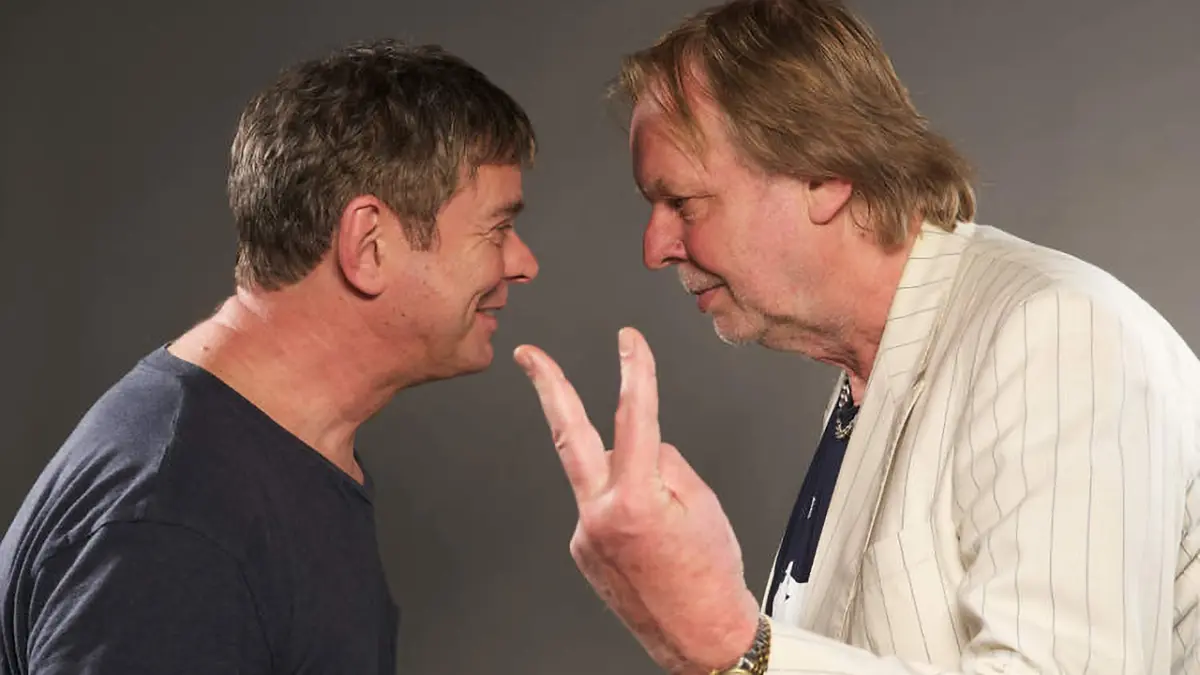
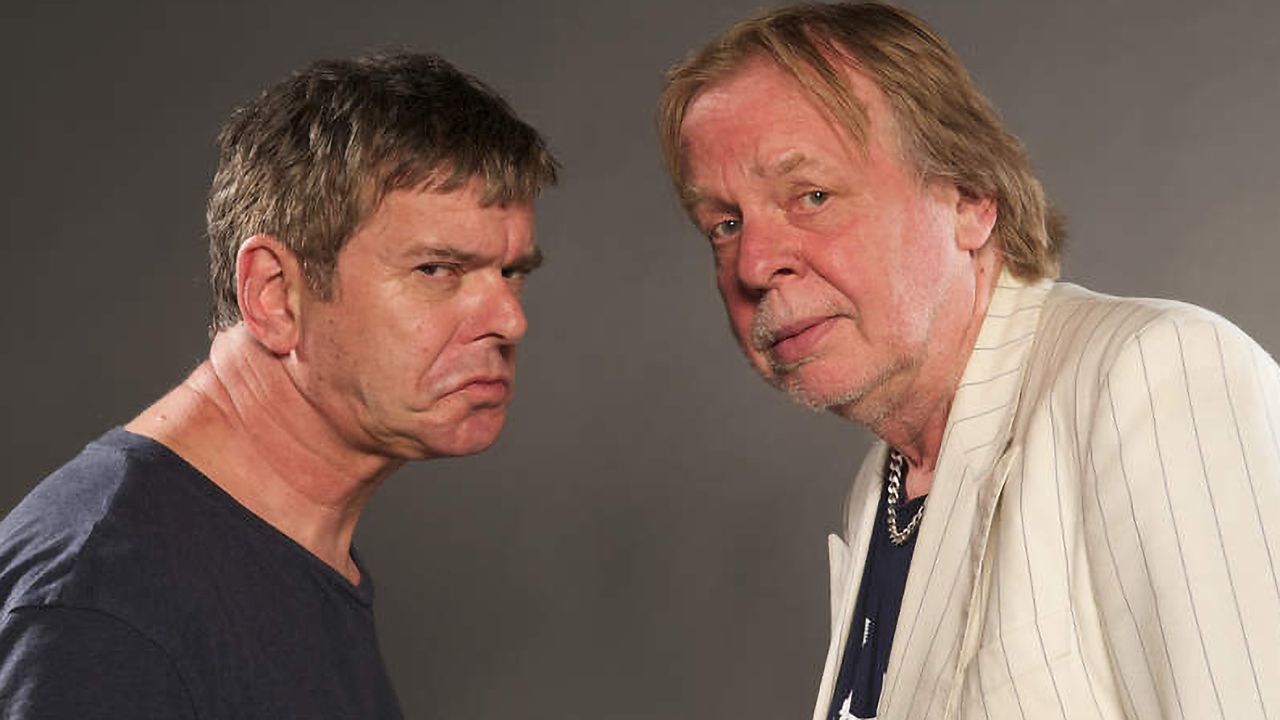
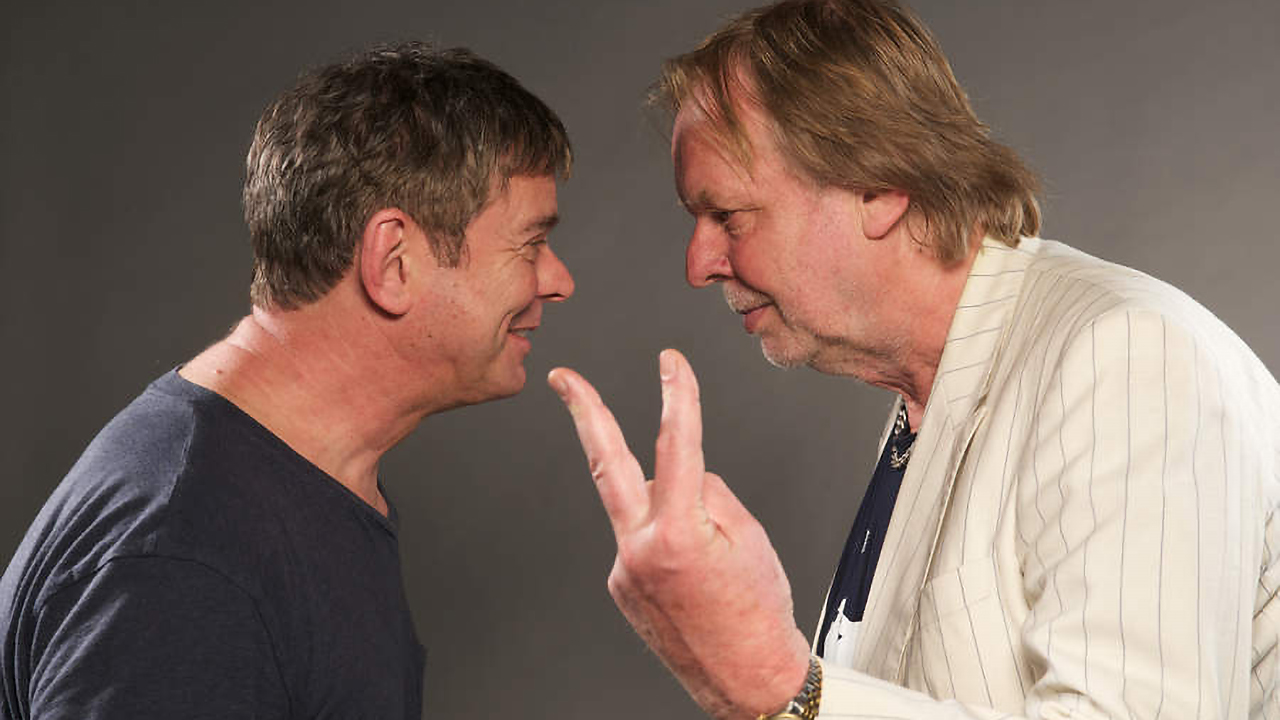
However, an in-depth retrospective dialogue between two key architects of that era—Jean-Jacques "JJ" Burnel, the formidable bassist of The Stranglers, and Rick Wakeman, the legendary keyboard virtuoso of Yes—reveals a far more nuanced, complex, and intertwined reality.
Far from an unbridgeable schism driven by pure artistic hatred, the frontline of 1977 was characterized by structural industry pressures, deep-seated hypocrisies, quiet mutual admiration, and secret musical continuities. While record executives fretted over ballooning studio budgets and music journalists stoked tribal rivalries, the boundary between punk’s DIY minimalism and prog’s musical complexity was surprisingly porous.
This analytical chronicle deconstructs the events of 1977, examining the contrasting realities of album production, the myth of punk purity, the commercial metrics of the era, and the secret prog-rock origins of some of punk’s biggest hits.
Detailed Chronology: The Parallel Universes of 1977
[Late 1976] ------------------------------------------------------------------> [Mid-1977] -----------------------------------------------------------------> [Late 1977 - 1981]
• Yes begins 6-month sessions at Mountain Studios (Montreux) for 'Going for the One'  • The Stranglers record 'Rattus Norvegicus' & 'No More Heroes' in just 10 days     • Punk hits mainstream saturation; corporate assimilation begins
• The Stranglers support Patti Smith & Ramones; Joe Strummer confides in Burnel       • Ahmet Ertegun warns Yes of shifting industry economics                            • The Stranglers dismantle a 6-part prog/jazz suite to create "Golden Brown"
1. Pre-1977: Roots, Shadows, and Early Convergence
Long before the music press declared open war between genres, the foundations of both movements were quietly intersecting. Rick Wakeman, already a veteran of David Bowie’s backing bands and the keyboard titan of Yes, was actively monitoring shifts in the underground scene. Years before punk dominated British headlines, Wakeman scouted the outrageous, theatrical American act The Tubes and personally brought them to A&M Records, recognizing that audiences were growing weary of polished arena rock.
Simultaneously, the members of The Stranglers were soaking up influences far removed from the minimalist narrative later attached to punk. Bassist JJ Burnel was frequenting London venues to watch blues-rock outfits like Peter Green’s Fleetwood Mac and Black Cat Bones (who would evolve into Free). More crucially, The Stranglers’ keyboard player, Dave Greenfield, entered the group dressed in platform boots and frilled jackets, bringing a distinct progressive sensibility heavily inspired by Canterbury scene bands like Caravan and their classic 1971 album In the Land of Grey and Pink.
2. Mid-1977: The Studio Divide—Montreux vs. London
By 1977, the operational contrast between progressive rock’s established vanguard and the emerging new wave reached its peak.
In Montreux, Switzerland, Yes spent six months inside Queen’s lavish Mountain Studios crafting Going For The One. The sessions were emblematic of prog’s imperial era: painstaking, exploratory, and costly. Days were spent tuning guitars, waiting for bassist Chris Squire to arrive, or taking breaks on the alpine ski slopes. However, the financial landscape was cracking beneath them. Atlantic Records chief Ahmet Ertegun made a rare studio visit to deliver an ultimatum to the band, warning that the record label could no longer endlessly underwrite such extravagant production costs.
       1977 RECORDING EFFICIENCY COMPARISON

       Yes ("Going For The One")
       [████████████████████████████████████████] 180 Days

       The Stranglers ("Rattus Norvegicus" + "No More Heroes")
       [█] 10 Days
In stark contrast, The Stranglers entered the studio in London with ruthless efficiency. Operating under tight budgets and urgent creative momentum, the band recorded and mixed their first two full-length albums—Rattus Norvegicus and No More Heroes—in a combined total of just ten days. While Yes was polishing a single track, The Stranglers were laying down the foundations of an entire discography that would yield multiple top-ten singles.
3. Late 1977–1978: The Myth of "Year Zero" and Backyard Violence
As punk gained momentum, a dogmatic narrative took hold across British media: punk was a total break from the past, completely untainted by previous musical traditions, corporate influence, or hard drugs.
In truth, this "Year Zero" doctrine was largely a public relations exercise. Behind closed doors, punk musicians harbored deep-rooted ties to older pop and rock genres. The Sex Pistols regularly rehearsed Monkees covers; Captain Sensible of The Damned openly obsessed over ABBA; and The Stranglers anchored their ferocious sound with Greenfield’s organ solos and Burnel’s heavy basslines.
Tensions did not stem from musical disagreements, but from fierce commercial envy as bands competed for media space and chart dominance. A famous physical altercation at London’s Dingwalls venue—pitting JJ Burnel against Steve Jones and Paul Cook of the Sex Pistols, alongside Paul Simonon of The Clash—highlighted how quickly camaraderie dissolved once record sales began to dictate status.
4. 1981: The "Prog" Genesis of "Golden Brown"
The ultimate proof of musical crossover between punk/new wave and progressive rock occurred during the recording sessions for The Stranglers’ 1981 album, La Folie.
Frustrated that he and singer Hugh Cornwell were writing the majority of the material, Burnel instructed keyboardist Dave Greenfield and drummer Jet Black to compose a track on their own while he and Cornwell went to the pub. Combining Greenfield’s progressive rock inclinations with Black’s jazz background, the duo constructed an elaborate, six-part instrumental suite.
Upon returning from the pub, Burnel and Cornwell rejected the complex suite as un-releasable in its original form, but identified one specific, recurring motive. They isolated that section, streamlined its arrangement, and added a vocal melody. The result was "Golden Brown"—a track built around a harpsichord hook with alternating time signatures (switching between 3/4 and 4/4 meter). It became the band’s biggest commercial hit, proving that a chart-topping new wave single could spring directly from a progressive rock structure.
THE EVOLUTION OF "GOLDEN BROWN" (1981)

[Dave Greenfield (Prog) + Jet Black (Jazz)]
                 │
                 ▼
    Composed a 6-Part Suite
                 │
                 ▼
[JJ Burnel + Hugh Cornwell Intervention]
                 │
                 ▼
  Isolated Key Motif & Added Vocals
                 │
                 ▼
  Harpsichord-Led Hit in 3/4 & 4/4 Time
Supporting Context & Metrics: Deconstructing the Myth
To understand the reality of 1977, one must separate the media narrative from actual commercial metrics and artistic structures. While the press framed 1977 as the year traditional rock died, commercial sales data and television broadcasting records paint a vastly different picture.
Production and Commercial Dynamics
Metric / Dimension
Progressive Rock (e.g., Yes)
New Wave / Punk (e.g., The Stranglers)
Typical Recording Timeline
3 to 6 months per album
5 to 14 days per album
Primary Studio Locations
International destination studios (e.g., Switzerland)
Local UK independent studios
Dominant Musical Formats
Multi-part conceptual suites, extended solos
3-minute singles, compressed arrangements
Primary Consumption Base
Album-oriented rock (AOR) listeners, tour markets
Single buyers, clubgoers, youth press reader base
Industry Standing in 1977
Peak budget fatigue; label executive pushback
Rapid market growth; low overhead cost per unit
The Chart Reality of 1977
Despite the UK music press dedicating its front covers almost exclusively to punk rock, the highest-selling albums of 1977 in the United Kingdom and internationally were far removed from the punk movement:
Fleetwood Mac – Rumours: Dominated global sales, staying at the top of the charts for months.
Meat Loaf – Bat Out Of Hell: Achieved massive commercial success with over-the-top, theatrical rock arrangements.
Television Broadcasts: Mainstream music programs like Top of the Pops remained dominated by middle-of-the-road pop acts, novelty songs, and disco, highlighting that punk’s "revolution" was initially confined to subcultures and press commentary rather than overall record sales.
1977 UK MARKET REALITY vs. MEDIA COVERAGE

      [Music Press Focus]               [Actual Mass Market Sales]
      • Punk Rock (Pistols, Clash)     • Fleetwood Mac - Rumours
      • DIY Singles                    • Meat Loaf - Bat Out of Hell
      • Youth Rebellion Stories        • Mainstream Pop / TV Acts
Musical Composition Analysis: "Down in the Sewer"
The musical crossover between the genres is most evident in The Stranglers’ 1977 track "Down in the Sewer" from Rattus Norvegicus.
Despite being labeled a flagship punk record, the track is an 11-minute composition broken into four distinct movements:
Tank
Anarchy on Clare Market
Rat Run
Sewer
This structure mirrored the multi-part suites typical of progressive rock bands like Genesis, Yes, or King Crimson. The track used aggressive bass tones and street-level lyrics, but its underlying musical architecture relied entirely on prog-rock composition methods.
Key Statements and Primary Perspectives
The direct reflections of JJ Burnel and Rick Wakeman challenge long-held assumptions about the era, offering clear insight into the realities of the late-1970s music industry.
On the "Year Zero" Myth and Punk Revisionism
"It was the first time we’d released an album. We felt something was going on – a bit of a revolution, and with every revolution you chuck the baby out with the bath water. It was a Year Zero for many people. It was only years later that people started admitting to having liked anything before Year Zero."
— Jean-Jacques Burnel
Burnel emphasizes that the absolute rejection of past musical influences was largely posturing. As the movement matured, musicians gradually admitted to taking inspiration from the very genres they had publicly disowned.
"When something new comes along, everyone wants to be a part of that peer group, to the extent that they’ll deny their history. It’s only when they’ve gained some confidence that they can start to admit where that history actually came from. Up until that point it’s almost politically incorrect to admit your influences!"
— Jean-Jacques Burnel
On the Cyclical Nature of Rock Music
"We were aware that something was going on. And it kills off what went before it, at least for a bit. When prog came along, it did away with the old beat and psychedelic groups, the way the beat groups had done away with the crooners before them."
— Rick Wakeman
Wakeman frames 1977 not as an unprecedented crisis, but as a routine generational reset within the music industry—a natural process where rising genres temporarily push established styles out of the spotlight.
THE CYCLICAL EVOLUTION OF POPULAR MUSIC

[Crooners] ──> [Beat Groups] ──> [Psychedelic / Prog] ──> [Punk / New Wave] ──> [Mainstream Assimilation]
On Class Posturing and Industry Reality
"There was a lot of hypocrisy involved at the time, like people claiming to be working class when they weren’t. I remember Joe Strummer crying on my shoulder when we were the first band to support Patti Smith and the Ramones. He was going, ‘Oh, I wish I had a band like yours!’ He used to live in the Notting Hill squats at the time. No one knew his dad was a diplomat."
— Jean-Jacques Burnel
Burnel highlights the gap between public image and private reality during the punk explosion, noting how middle-class musicians often adopted working-class identities to fit the prevailing media narrative.
On Mutual Musical Respect
"Jon [Anderson] is a big fan of yours, JJ. We were touring together recently, driving around in the same car, listening to all sorts of music. We played some Stranglers, and he said to me: ‘You know, there’s a few of their songs that Yes could have done.’ He was right. Certainly something like Golden Brown."
— Rick Wakeman
This observation from Yes lead vocalist Jon Anderson underlines the hidden common ground between the two camps. Despite their contrasting public images, both groups shared an appreciation for strong melodies, intricate arrangements, and key signatures that defied standard pop formulas.
Future Outlook: The Legacy of the 1977 Cultural Shift
The long-term impact of 1977 was not the permanent destruction of progressive rock, nor was it the total victory of punk purity. Instead, the period catalyzed a lasting evolution across the music industry.
       HISTORICAL IMPACT & EVOLUTION

       1977: Tribal Division
       PUNK (DIY / Raw)  ◄─────────────►  PROG (Complex / High-Budget)

       PRESENT: Post-Genre Integration
       [Modern Alternative / Post-Rock / Math-Rock]
       Combines Punk Energy + Prog Complexity
1. The Rapid Assimilation of Subculture
By 1978, the fierce anti-establishment edge of punk was rapidly co-opted by mainstream retail, television, and corporate record labels. As Burnel noted, seeing bank tellers with green-streaked hair marked the moment punk shifted from a disruptive underground force into an accepted aesthetic within mainstream culture.
2. The Birth of Post-Punk and Neo-Prog
The friction between punk’s urgency and prog’s technical craftsmanship laid the groundwork for new subgenres in the late 1970s and 1980s:
Post-Punk & New Wave: Bands like Magazine, Joy Division, Public Image Ltd, and Simple Minds embraced punk’s raw energy while incorporating atmospheric synth arrangements and experimental song structures drawn directly from Krautrock and progressive rock.
Neo-Progressive Rock: In response to shifting market conditions, early 1980s bands like Marillion, IQ, and Pendragon streamlined progressive rock into tighter, more direct song formats suitable for radio play.
3. Modern Musical Perspectives
Today, the artificial divide that separated musicians in 1977 has largely dissolved. Contemporary music genres—ranging from Math Rock and Post-Rock to Progressive Metal—openly blend complex musical arrangements with raw, DIY energy.
The legacy of 1977 is ultimately one of synthesis rather than destruction. While the press manufactured a zero-sum war between genres, the actual exchange between progressive rock masters like Rick Wakeman and new wave pioneers like JJ Burnel helped create a more open, genre-fluid landscape for future generations of musicians.