Executive Overview
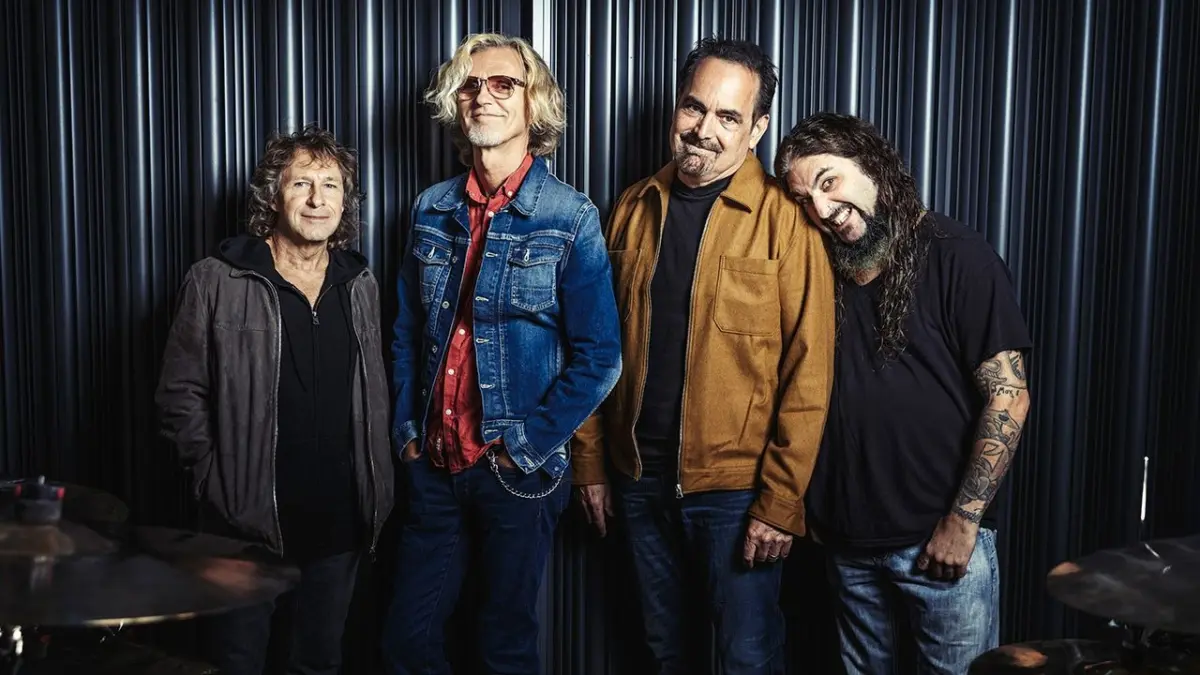
In the world of contemporary progressive rock, few announcements sent shockwaves through the community quite like Neal Morse’s abrupt departure from Transatlantic in 2002. At the height of the supergroup’s success—following the critically acclaimed albums SMPT:e (2000) and Bridge Across Forever (2001)—Morse walked away from both Transatlantic and his primary band, Spock’s Beard, citing a profound spiritual calling to dedicate his musical talents exclusively to his Christian faith. For seven years, bandmates Mike Portnoy (Dream Theater), Roine Stolt (The Flower Kings), and Pete Trewavas (Marillion), alongside millions of fans worldwide, believed the Transatlantic saga had permanently closed.
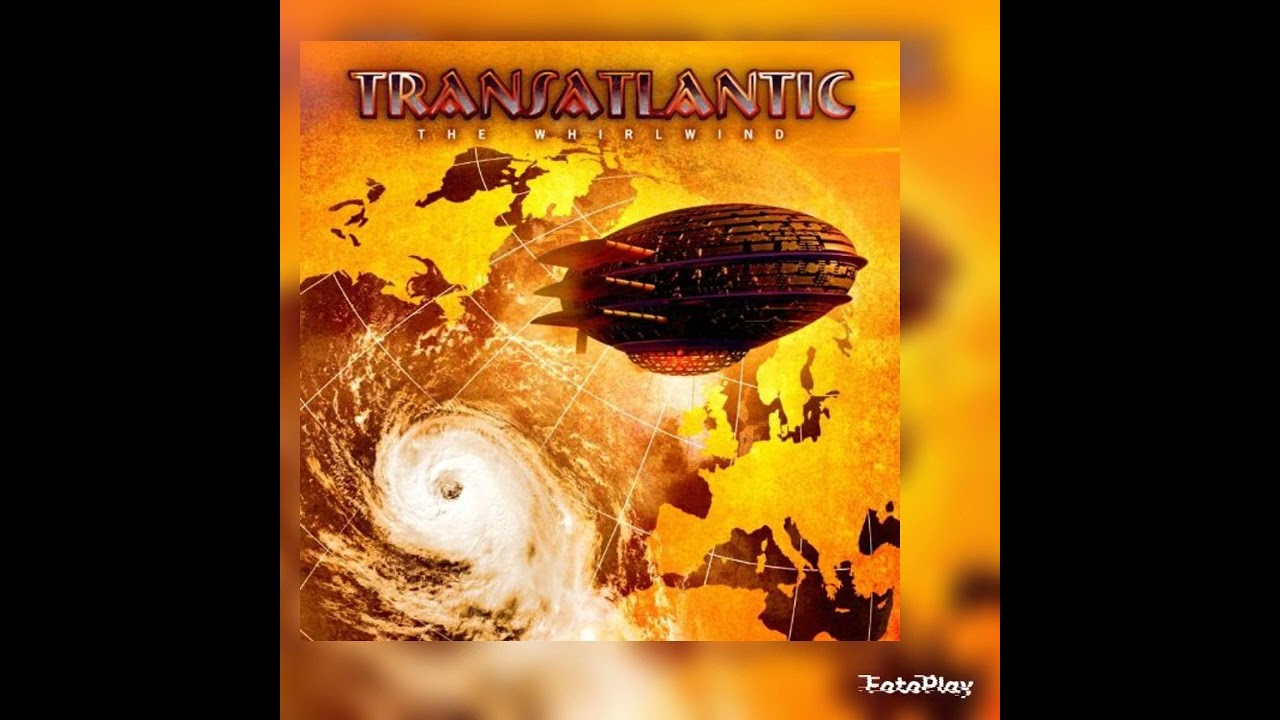
However, in 2009, against all historical expectations, the quartet reunited to deliver their third studio album, The Whirlwind. Conceived as a single, monumental 77-minute continuous piece of music divided into 12 distinct movements, The Whirlwind not only marked a triumphant return but solidified Transatlantic’s standing as the definitive progressive rock supergroup of the 21st century.
This retrospective report investigates the unexpected genesis of the album, detailing the timeline of their reunion, the collaborative songwriting dynamics inside Morse’s Nashville studio, the artistic and spiritual philosophy underlying the project, and the enduring legacy of an album created in just four days of intense creative synergy.
Detailed Chronology: From Abrupt Separation to the Nashville Genesis
+-----------------------------------------------------------------------------------+
|                                  TIMELINE OF EVENTS                               |
+-----------------------------------------------------------------------------------+
| 2001        - Release of 'Bridge Across Forever'; Transatlantic reaches critical peak. |
| 2002        - Neal Morse leaves Transatlantic and Spock's Beard for religious calling. |
| 2002–2007   - Hiatus; Morse releases solo spiritual albums; Stolt/Portnoy/Trewavas work|
|               on primary band projects.                                           |
| Late 2007   - A casual dinner conversation sparks Morse's idea for a reunion.        |
| Mid 2008    - Morse composes initial demo for 'The Whirlwind' and contacts bandmates.  |
| April 2009  - Quartet converges at Morse's Nashville studio; composition completed     |
|               in just four days.                                                  |
| Oct 2009    - 'The Whirlwind' released worldwide to universal critical acclaim.      |
+-----------------------------------------------------------------------------------+
The 2002 Schism
When Neal Morse announced his exit from secular music in 2002, his Transatlantic bandmates were left stunned. The band represented a convergence of four distinct pillars of modern progressive rock: Morse’s polyphonic, vocal-driven arrangements; Mike Portnoy’s virtuosic, heavy-hitting metal-prog percussion; Roine Stolt’s sprawling, vintage-symphonic guitar tapestries; and Pete Trewavas’s intricate, melodic neo-prog basslines. The sudden termination of the project left its long-term future in total darkness.
The 2007 Catalyst
The seeds of a reunion were planted unexpectedly in late 2007. During a casual dinner with a friend who was not traditionally a fan of progressive rock, Morse was caught off guard by an unsolicited suggestion.
"I was having dinner with a friend who’s not a big fan of progressive rock, and for some reason he blurted out that I should do another prog epic with Transatlantic," Morse recalled. "It was strange, and it did get me thinking. Then I wrote a demo called The Whirlwind, and it sounded ‘Transatlantic-y’ to me. I prayed, and began thinking that maybe it was God’s will that this was the direction."
In mid-2008, Morse dispatched the preliminary demo to Stolt, Portnoy, and Trewavas, asking if they had any interest in reviving the entity.
"Neal sent out the Whirlwind demo and asked if we were interested in doing another Transatlantic album," said guitarist Roine Stolt. "The rest of us had been waiting for it to happen. As time had gone by I thought it wasn’t going to, so it was kind of a surprise. We all said yes immediately."
The Nashville Sessions: April 2009
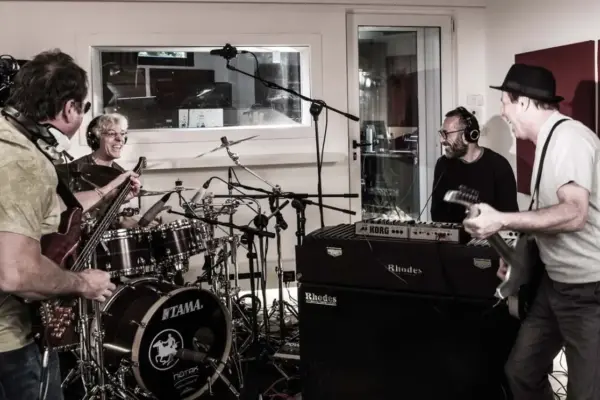
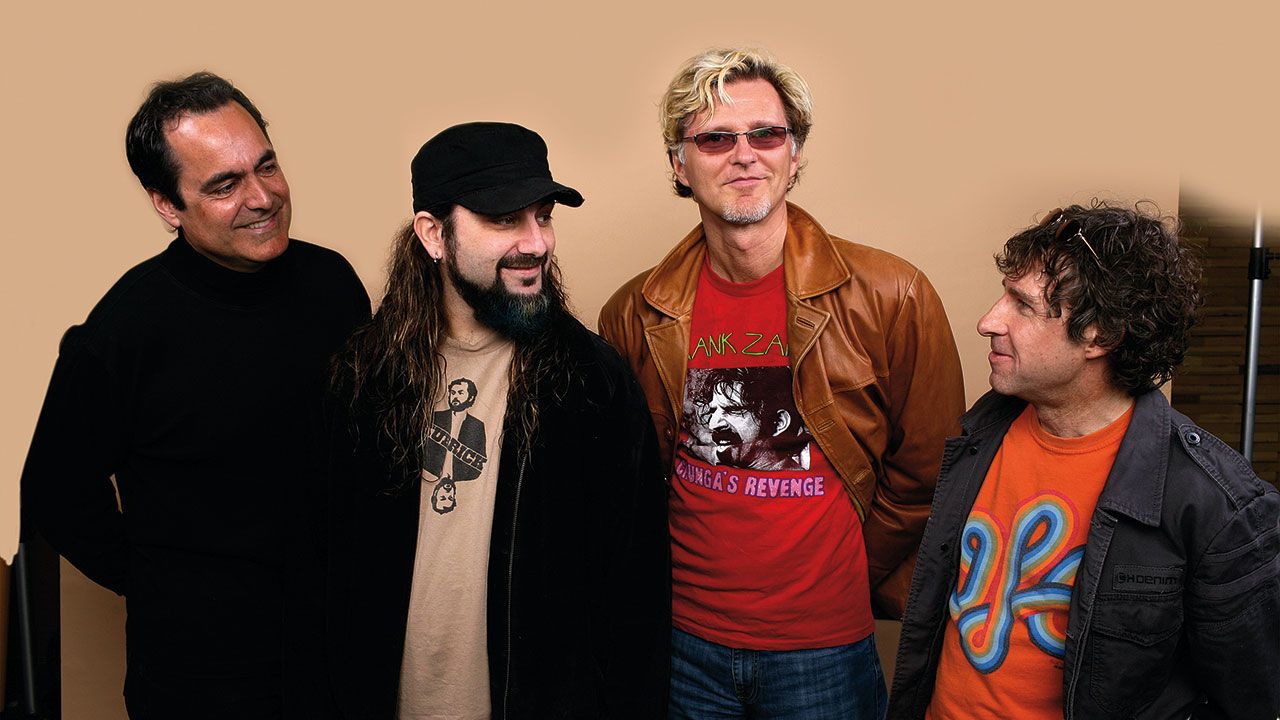
In April 2009, after months of aligning their demanding schedules across multiple continents and main bands, the four musicians convened at Morse’s home studio in Nashville, Tennessee. Although Morse anticipated giving the jet-lagged members time to recuperate, creative momentum overrode any need for rest.
"We thought the best thing to do was get together and see what happened," Morse explained. "Some of the guys had flown considerable distances so I thought they’d need some rest—but we started work the very first night and got the whole album sketched out; all the major themes were in the works. It only took us four days to write it. We work really fast when the inspiration’s there, and we took certain parts straight from the demos we’d sent each other."
Supporting Context & Group Dynamics: Deconstructing ‘The Whirlwind’
Compositional Breakdown & Individual Contributions
While casual listeners often assumed that Morse served as the primary architect due to bringing the initial demo, The Whirlwind was an egalitarian collaboration. The group credited all four members equally for the songwriting, blending Morse’s initial skeleton with substantial thematic contributions from Trewavas, Stolt, and Portnoy.
| Band Member | Primary Instrument / Role | Key Contributions to The Whirlwind |
|---|---|---|
| Neal Morse | Keyboards, Lead Vocals, Acoustic Guitar | Primary initial demo conceptualization, central vocal melodies, lyrical frameworks (Dancing With Eternal Glory). |
| Mike Portnoy | Drums, Backing Vocals, Arrangement Director | Structural arrangement, pacing, directing transition points, musical curation from member demos. |
| Roine Stolt | Guitars, Backing/Lead Vocals | Distinctive soloing, complex harmonic textures, original composition piece A Man Can Feel. |
| Pete Trewavas | Bass Guitar, Backing Vocals | Main overture theme, foundational basslines, vocal melody for the opening section, chord changes for Is It Really Happening?. |
Morse actively dispelled the media misconception that the album was a solo effort disguised as a band release:
"People would be surprised by how much is written by Pete. The main theme in the overture is his, and the very first vocal is his melody, sung by Roine. Pete threw out a lot of the chord changes on Is It Really Happening? His bass playing’s amazing too—nice and loud in the mix. As for Roine, he’s so creative. He came in with A Man Can Feel and we played that just as it was on his demo."
                     +---------------------------------------+
                     |    THE WHIRLWIND COMPOSITIONAL FLOW   |
                     +---------------------------------------+
                                         |
         +-------------------------------+-------------------------------+
         |                               |                               |
  [ Neal Morse ]                 [ Pete Trewavas ]                [ Roine Stolt ]
  - Initial Demo Skeleton        - Main Overture Theme            - "A Man Can Feel"
  - Core Concept & Themes        - Opening Vocal Melody           - Guitar Textures
  - Key Vocal Hooks              - Chord Progressions             - Melodic Counterweights
         |                               |                               |
         +-------------------------------+-------------------------------+
                                         |
                                         v
                                 [ Mike Portnoy ]
                                 - Structural Arranger
                                 - Musical Director
                                 - Rhythm & Tempo Anchor
The Role of Mike Portnoy as Musical Director
While all four musicians are virtuosos within their respective instruments, Stolt and Morse both highlighted Mike Portnoy’s unique gift as the master arranger who sculpted disparate musical ideas into a fluid, cohesive narrative.
"That was very quick for me," Stolt noted regarding the four-day composition phase. "People ask what it’s like recording with the band. Well, you get into a room and the bits just seem to fall into place, like a miracle. We’re never short of ideas, which is the main thing. Mike is sometimes seen as a drummer boy, but in fact he’s an intellectual. He conducts the band. There are lots of great drummers out there but there aren’t many like him; he can look at the different pieces and arrange the ideas into a cohesive whole."
Morse echoed this assessment: "Mike’s a take-charge guy. He’s very good at picking the best parts of other people’s demos and figuring out how to arrange it, like a really good producer would. And then, of course, his drumming is unbelievable."
Official Statements & Lyrical Philosophy: Spiritual Providentialism vs. Artistic Abstraction
A central point of tension and fascination within Transatlantic has always been the philosophical divide between Morse’s explicitly Christian worldview and the more secular, agnostic, or surrealist perspectives of his bandmates. This dynamic came to the forefront during the thematic development of The Whirlwind.
+-----------------------------------------------------------------------------------+
|                            THE PHILOSOPHICAL SPECTRUM                             |
+-----------------------------------------------------------------------------------+
|                                                                                   |
|   NEAL MORSE (Providential / Spiritual)      ROINE STOLT (Abstract / Open-Ended) |
|   -------------------------------------      ----------------------------------   |
|   • Sees chaos as divine purpose             • Art as open for interpretation       |
|   • Lyrical themes: Exodus, Redemption       • Compares concept to Gabriel/Lennon   |
|   • Views reunion as God's will              • Focuses on listener's imagination    |
|                                                                                   |
+-----------------------------------------------------------------------------------+
Neal Morse on the Album’s Spiritual Core
For Morse, the album’s overarching title and narrative arch reflect spiritual trial, turbulence, and ultimate redemption—culminating in the climactic final movement, Dancing With Eternal Glory.
"The concept is that you’re in a confused state. It could apply to your personal life or to things happening in the world. God will sometimes put us in a state of confusion for His purposes, for reasons we don’t understand. It’s only when we step back later we can see how He used it. Sometimes we have to get a little off our own ground before we’ll seek Him.
But we approached the concept in a very abstract way; there are many facets of it on the album. The fact that my lyrics and Pete and Roine’s ideas fitted with the concept was what I would call ‘providential.’"
Roine Stolt on Artistic Interpretation
Roine Stolt offered a counter-perspective, viewing the album’s thematic strength in its ambiguity and capacity to resonate differently with each listener, comparing it to classic rock masterpieces of the 1970s.
"Some of the lyrics I’d had lying around for a year, but they coincidentally fitted with the concept. That’s the good thing about art—you can do whatever you want, and if you do it with conviction it makes sense. ‘I love you baby’ rock lyrics can only be seen one way; but with, say, Genesis’s Supper’s Ready, or some of the things John Lennon wrote when he was on LSD, they can be about anything.
It triggers your imagination. It’s interesting stuff. It probably means different things for different people. The Whirlwind is open to interpretation, and that’s part of the excitement."
Reflecting on the 2002 Breakup
Addressing the long-standing mystery surrounding Morse’s abrupt departure seven years prior, Stolt admitted that while the decision initially left him bewildered, time and maturity had brought understanding and mutual respect.
"I was puzzled," Stolt reflected. "It just came out of the blue. To this day I’ve never understood why we couldn’t keep making music. Neal had been working really hard to push sales and get more people to the concerts, and once people were raving about us he just said, ‘I’d like to stop now.’
"I very much respect it, though; if it isn’t right you shouldn’t be in a band. But I never saw anything evil in the music we were making. It’s not like we’re a Satanic black metal band! But I’ve never wanted to put him against the wall and ask why. We never spoke about it, and we haven’t mentioned it since. It was his decision to make… A band is always a compromise, but everyone felt they had a chance to get their voice heard. We’d all grown a bit; we were all more ready to give and take and not push our own ideas too much."
Future Outlook & Legacy
The release of The Whirlwind in October 2009 via InsideOut Music was met with universal acclaim from critics and progressive rock enthusiasts alike. It debuted on multiple international music charts—a rare feat for an album structured around a single continuous 77-minute piece—and launched a major worldwide tour that yielded the live release Whirld Tour 2010: Live in London.
+-----------------------------------------------------------------------------------+
|                        TRANSATLANTIC ALBUM EVOLUTION                              |
+-----------------------------------------------------------------------------------+
|                                                                                   |
|  [2000] SMPT:e ------------------> First supergroup statement (70 mins)           |
|                                                                                   |
|  [2001] Bridge Across Forever ---> Benchmark symphonic prog release (76 mins)      |
|                                                                                   |
|  [2009] The Whirlwind -----------> Unified 77-minute conceptual suite            |
|                                                                                   |
|  [2014] Kaleidoscope ------------> Return to multi-track format (75 mins)        |
|                                                                                   |
|  [2021] The Absolute Universe ---> Dual-version conceptual epic                   |
|                                                                                   |
+-----------------------------------------------------------------------------------+
The success of The Whirlwind completely transformed Transatlantic from a fleeting turn-of-the-millennium side project into a permanent, highly influential institution within modern progressive music. It demonstrated that four headstrong band leaders could setting aside creative egos, bridge stylistic and philosophical differences, and turn personal reflection into a landmark musical release.
Following The Whirlwind, Transatlantic went on to produce Kaleidoscope (2014) and the ambitious multi-version project The Absolute Universe (2021). Yet, for many scholars and fans of the genre, The Whirlwind remains the absolute pinnacle of their discography: a rare moment where sudden inspiration, absolute virtuosic talent, and providential timing collided to create a timeless piece of progressive rock art.