Executive Overview
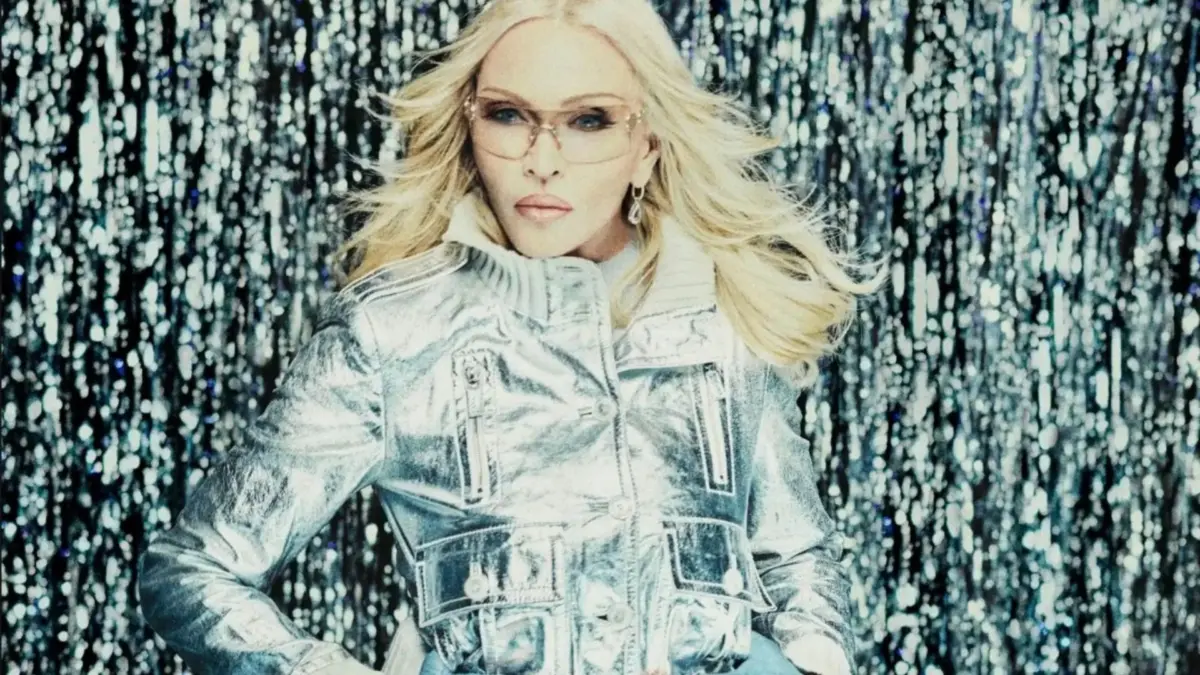
The enduring legacy of Madonna’s musical evolution continues to captivate the global pop landscape, with fresh revelations indicating that the highly celebrated Confessions II era may be far from over. Following the triumphant release of her fifteenth studio album earlier this summer—a landmark project that reunited the Queen of Pop with visionary electronic producer Stuart Price—it has been revealed that up to eight unreleased tracks remain locked away in the studio vault.
Stuart Price, the mastermind behind both the iconic 2005 opus Confessions on a Dance Floor and its recent sequel, dropped heavy hints in a comprehensive interview with Rolling Stone that these additional compositions could eventually see the light of day. Rather than treating the project as a closed chapter, Price’s remarks suggest that the Confessions universe operates on an ongoing continuum, where music finds its rightful moment to emerge.
This discovery arrives amid a wave of critical acclaim and high-profile collaborations that have defined the Confessions II campaign. From the Sabrina Carpenter-assisted lead single "Bring Your Love" to star-studded Afterhours remixes featuring pop royalty such as Kylie Minogue ("Love Sensation") and Charli XCX ("Danceteria"), Madonna has once again proven her unmatched capacity for reinvention. Moving beyond mere nostalgia, the record deliberately looks forward, reframing the concept of confession from an act of shame into an ultimate expression of power, vulnerability, and strength. As fans digest the current tracklist, the prospect of eight additional songs adds an intoxicating layer of anticipation to what is already one of the most significant pop cultural moments of the decade.
Detailed Chronology: From the Dance Floor to the Modern Sequel
The 2005 Blueprint: Confessions on a Dance Floor
To understand the cultural gravity of Confessions II, one must first examine the seismic impact of its predecessor. Released in November 2005, Confessions on a Dance Floor was a masterclass in modern electronic dance music (EDM) and disco revivalism. Produced largely by Madonna and Stuart Price, the album discarded the organic instrumentation of her previous records in favor of a continuous DJ-set format, seamlessly blending tracks into a relentless sonic journey.
Anchored by the global smash hit "Hung Up"—which famously sampled ABBA’s "Gimme! Gimme! Gimme! (A Man After Midnight)"—and followed by hits like "Sorry" and "Get Together," the record topped charts in over 40 countries and earned a Grammy Award for Best Electronic/Dance Album. It cemented a creative synergy between Madonna and Price that fans hoped would someday be revisited.
The Interim Years and the Call for a Sequel
In the two decades following Confessions on a Dance Floor, Madonna explored myriad sonic territories, from the urban pop of Hard Candy to the cinematic grandeur of Madame X. Yet, the sleek, euphoric Europop and disco aesthetics of the Price-produced era remained a holy grail for her fanbase. Rumors of a sequel bubbled up periodically across fan forums and media outlets, particularly as dance-pop experienced a massive cultural resurgence driven by artists borrowing heavily from 2000s club sounds.
The Summer of Confessions II
The long-awaited reunion finally materialized earlier this summer, when Madonna dropped her 15th studio album, Confessions II. Reconnecting with Stuart Price, the pop legend delivered a record that immediately dominated international music charts, reclaiming her throne at the apex of contemporary pop. Rather than leaning on outdated tropes, the album captured the zeitgeist, proving that Madonna’s creative partnership with Price had only matured with time.
The rollout was accompanied by high-profile moments, including a sensational Coachella debut that laid the groundwork for the lead single "Bring Your Love," featuring modern pop sensation Sabrina Carpenter. This was swiftly followed by the Afterhours remix series, which saw Madonna bridging generational divides by collaborating with Kylie Minogue on "Love Sensation" and Charli XCX on "Danceteria."
Supporting Context & Metrics: Analyzing the Confessions Phenomenon
Commercial Impact and Chart Domination
The commercial reception of Confessions II has reaffirmed Madonna’s commercial viability and cultural omnipresence. Within hours of its release, the album surged to the number-one spot on iTunes and Apple Music charts across dozens of territories, including the United Kingdom, the United States, Australia, and major European markets.
Streaming metrics have mirrored this physical and digital dominance. Tracks like "Bring Your Love" accumulated millions of streams within their first week, while the Afterhours remix EPs sparked viral engagement across TikTok and Instagram. This data highlights a crucial marketing triumph: Madonna’s ability to mobilize a dedicated legacy fanbase while simultaneously capturing Gen Z listeners through strategic, high-profile cross-generational collaborations.
Conceptual Evolution: From Freedom to Confrontation
Artistically, Confessions II represents a distinct psychological and sonic shift from the 2005 original. While Confessions on a Dance Floor was fundamentally about physical liberation—dancing through the night as a form of escapism and freedom—its sequel operates on a much deeper, more psychological plane.

According to Stuart Price, the new record is anchored in themes of confrontation and acceptance. In contemporary music discourse, confession is frequently tied to notions of guilt, remorse, or shame. However, Confessions II subverts this narrative entirely. By reframing confession as an act of profound courage, the album posits that vulnerability is not a weakness, but the ultimate manifestation of personal power and self-possession.
Official Statements: Inside the Studio with Stuart Price
In his exclusive interview with Rolling Stone, Stuart Price opened up about the making of the album, the philosophy guiding their creative decisions, and the tantalizing possibility of unreleased material.
Addressing the eight tracks currently residing in the archive, Price maintained a deliberately mysterious stance, noting:
"You just never know, do you? The best thing about good songs is they never die. They just find a way to present themselves at the right time. And yes, I’m being cryptic, but that’s because I think that we still love this continuum idea that Confessions is really an extended moment of time that has different elements to the performance of it."
Price was equally articulate about the deliberate rejection of pure nostalgia during the recording process. Describing the artistic boundary between the two records, he explained:
"Confessions One is 2005, and I think looking back only gets you so far. So really you have to come up with a new spin on what that is, and I think that this is a record that defiantly looks forward."
Elaborating on the psychological underpinnings of the music, Price contrasted the core ethos of both eras:
"If Confessions One is really about dancing as freedom, Confessions II is much more about confrontation and acceptance… It suggests the idea of vulnerability as strength… Confession is associated with shame. But Confessions II for us, it reframes that idea as actually power and strength and the courage to… the, you know, daring to share as well."
Future Outlook: What Lies Ahead for the Confessions Era?
The Potential Release of Vault Material
The revelation that eight fully realized tracks exist outside of the official tracklist has sent shockwaves through the global pop community. Given the modern music industry’s penchant for deluxe editions, anniversary reissues, and surprise drop culture, the release of these vault tracks feels less like an if and more like a when. Whether they materialize as a surprise Confessions II: Deluxe Edition, standalone streaming EPs, or exclusive physical releases, these songs represent a treasure trove for musicologists and ardent fans alike.
Live Performance Integration and Visuals
Madonna is an artist whose eras are defined just as much by their visual and live execution as their sonic output. With the concept of Confessions framed by Price as an "extended moment of time," speculation is already mounting regarding a potential global tour or immersive residency built around the combined universes of Confessions One and Confessions II. Integrating the high-energy collaborations with Sabrina Carpenter, Kylie Minogue, and Charli XCX into a live theatrical production would undoubtedly solidify this era as one of the most ambitious conceptual achievements of her career.
Cementing a Legacy of Defiant Forward-Motion
Ultimately, the ongoing narrative of Confessions II underscores why Madonna remains the undisputed Queen of Pop. By refusing to rest on her laurels or pander exclusively to nostalgia, she and Stuart Price have crafted a dynamic, forward-thinking body of work that challenges listeners while keeping them moving on the dance floor. As the possibility of eight unreleased tracks looms on the horizon, the Confessions era continues to prove that Madonna’s well of creativity is bottomless, ensuring that her cultural reign will endure for generations to come.