Executive Overview
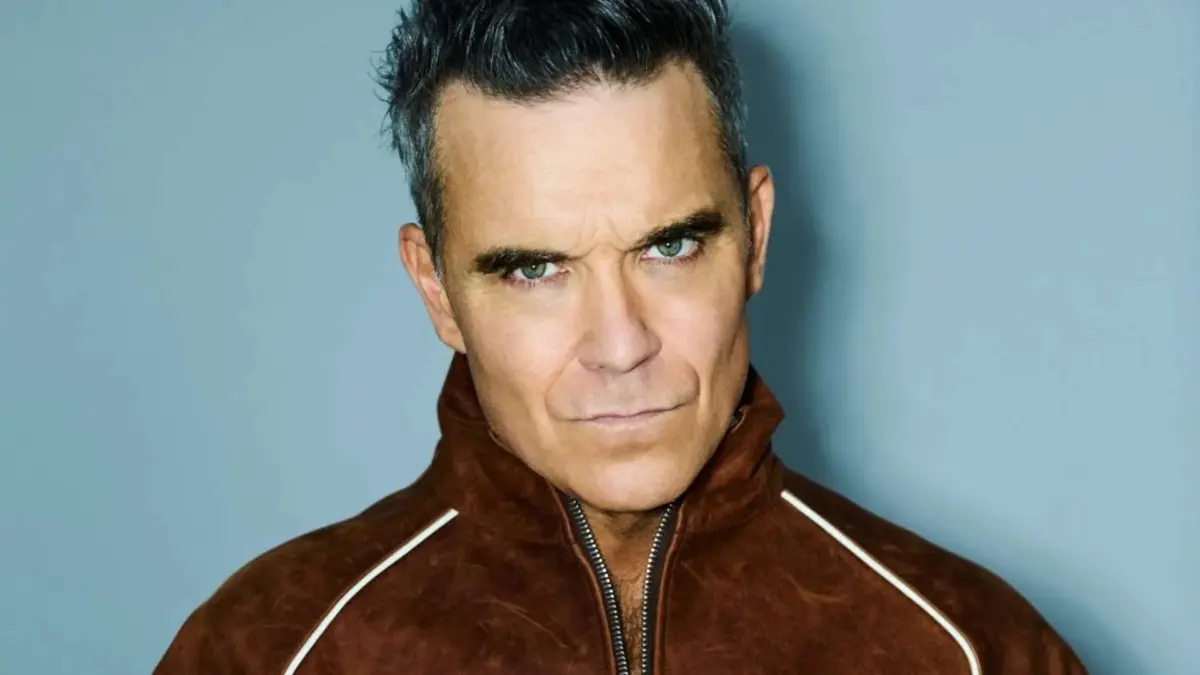
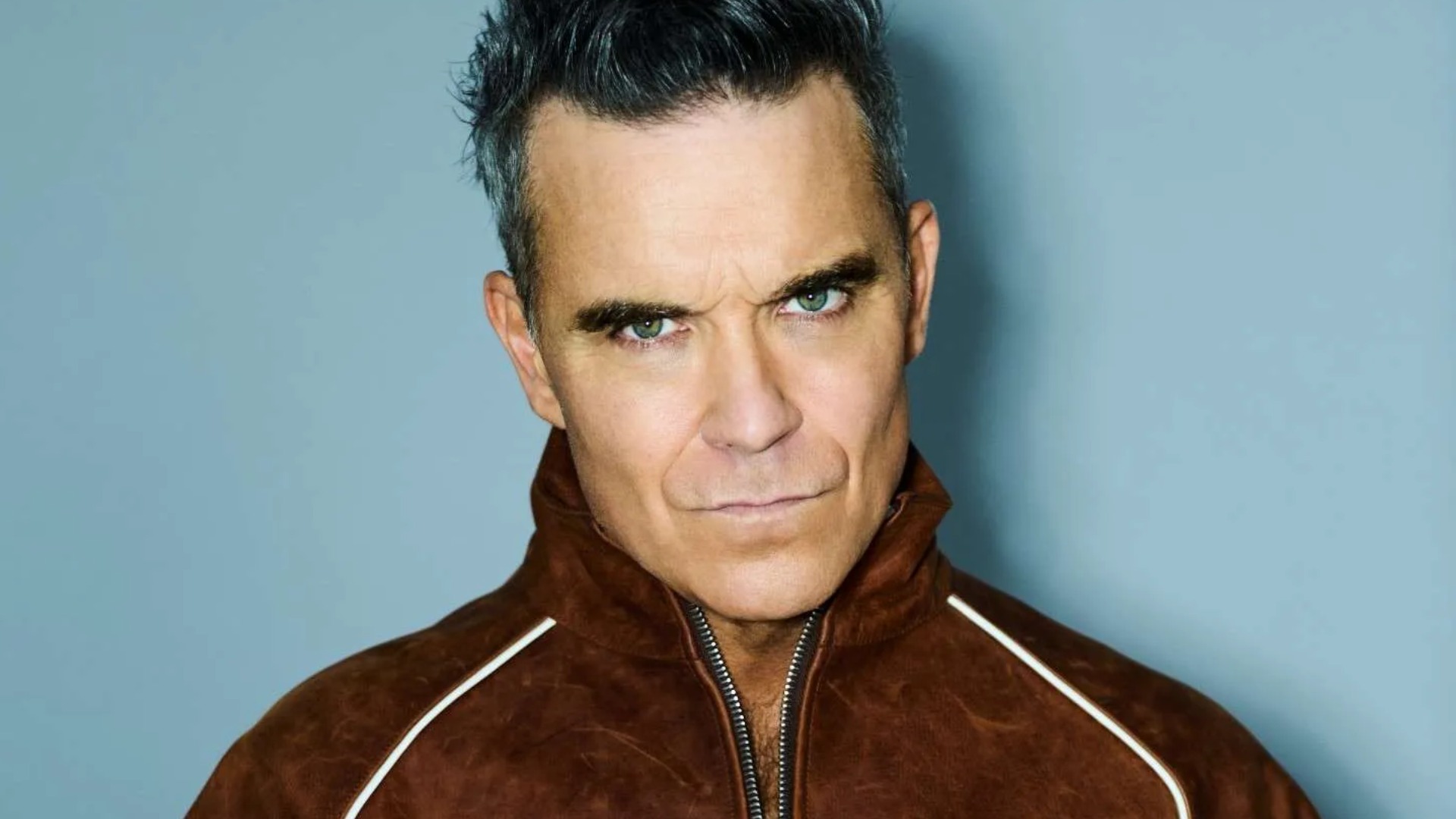
In an era dominated by micro-singles, algorithmic playlisting, and the ephemeral bite of streaming culture, the enduring power of the complete long-play record remains a vital touchstone of artistic identity. Enter National Album Day 2026, an annual celebration dedicated entirely to preserving, honoring, and championing the sacred "art of the album." This year, the spotlight shines blindingly bright on British pop royalty. Robbie Williams—a trailblazer, arena-filler, and permanent fixture of modern music history—has officially been named the recipient of the prestigious National Album Day “Album Icon” title.
To mark this monumental accolade, Williams is giving fans something they have demanded for decades. His smash-hit, multi-platinum third studio album, Sing When You’re Winning (2000), is receiving a deluxe, limited-edition color vinyl reissue. Set for release on October 17 via Universal/Island, the record will arrive pressed on striking red-and-blue dual-vinyl—marking the absolute first time this definitive turn-of-the-millennium masterpiece has ever been made available on colored wax.
Presented in association with BBC Radio 2 and organized jointly by the BPI (British Phonographic Industry), this year’s National Album Day revolves around a specially curated series of "Icons" releases. These projects celebrate seminal artists who have shaped the cultural fabric of British music through cohesive body-of-work storytelling. Williams joins an elite pantheon of musicians lending their formidable voices to the campaign, reinforcing the critical message that despite changing industry models, albums still matter.
Detailed Chronology: From Stoke-on-Trent to Global Superstardom
To truly understand the weight of Robbie Williams receiving the "Album Icon" title, one must journey back through a career defined by improbable comebacks, breathtaking highs, and an unmatched connection with the public.
The Take That Years (1990–1995)
Born in Stoke-on-Trent in 1974, Williams was catapulted into the stratosphere as the teenage tearaway of Take That, Britain’s premier boy band of the early 1990s. While group members Gary Barlow and Howard Donald carried the primary vocal duties on many tracks, Williams’ charismatic, cheeky-chap persona and lead vocals on anthems like "Could It Be Magic" made him a household name. However, the suffocating pressures of boy-band life, internal friction, and personal struggles with substance abuse culminated in his dramatic departure from the group in July 1995—an event that sent shockwaves through British pop culture.
The Solo Renaissance and Life Thru a Lens (1997)
Many industry insiders predicted Williams would become a casualty of early pop fame. Instead, he embarked on one of the most remarkable solo reinventions in music history. Teaming up with songwriter and producer Guy Chambers, Williams released his debut solo album, Life Thru a Lens, in 1997. Though it started slowly, the release of the anthemic single "Angels" transformed Williams from a troubled former boy-band member into a generational solo star. The track became a cultural phenomenon, embedding itself into weddings, funerals, and stadium sing-alongs for decades to follow.
The Triumph of I’ve Been Expecting You and Sing When You’re Winning (1998–2000)
His sophomore effort, I’ve Been Expecting You (1998), solidified his commercial dominance, yielding chart-topping hits like "Millennium" and "No Regrets." Yet, it was his third studio record, Sing When You’re Winning (released in August 2000), that truly globalized his appeal. Recorded across various international studios and dripping with unapologetic swagger, the album captured Williams at the absolute peak of his creative powers.
Anchored by the genre-bending, cinematic powerhouse "Rock DJ"—complete with its infamous, skin-shedding music video—and the iconic Kylie Minogue collaboration "Kids," Sing When You’re Winning showcased a pop artist completely unafraid of grand theatricality. The album debuted at No. 1 on the UK Albums Chart, achieved multi-platinum status across Europe, and proved that Williams was not merely a passing 90s trend, but a permanent fixture of international pop royalty.
Supporting Context & Metrics: The Numbers Behind the Legend
The numbers underpinning Robbie Williams’ career read like the fantasy blueprint of a music industry executive. Yet, they are entirely real, earned through decades of relentless touring, razor-sharp songwriting, and an unshakeable bond with his audience.
According to data compiled by the BPI, Williams boasts a staggering 90 million album sales worldwide. To put that into perspective, it places him in an ultra-exclusive echelon of global recording artists. Domestically, his commercial footprint in the United Kingdom is practically peerless:
- 16 Number One Albums: Williams has accumulated an astonishing 16 No. 1 albums on the UK Albums Chart, encompassing both his solo work and his records with Take That. This places him ahead of legendary acts like Elvis Presley, Madonna, and The Beatles (as a solo artist/group combined metric), making him one of the most successful chart artists in British chart history.
- The All-Time Best-Sellers: Out of his massive catalog, six of his albums sit comfortably within the Top 100 best-selling albums in UK history. This metric underscores that Williams’ success is not merely built on passing singles trends, but on long-form, physical and digital albums that audiences have treasured as complete artistic statements.
- Live Supremacy: Beyond recorded metrics, Williams holds legendary status as a live performer. In 2006, he entered the Guinness Book of World Records after selling an unprecedented 1.6 million tickets for his Close Encounters Tour in a single day.
It is precisely this mountainous commercial footprint that led the BPI and National Album Day organizers to tap Williams as the definitive face of this year’s campaign.
Official Statements: Why Albums Still Matter
The partnership between National Album Day and Robbie Williams is rooted in a shared philosophy: that the album format is a vital, irreplaceable cultural canvas. In an era where streaming platforms encourage the consumption of isolated tracks, champions of the long-player are more crucial than ever.
A spokesperson for National Album Day articulated this mission when announcing the honor:
"We are as delighted as we are honoured that Robbie has accepted our invitation to champion the album format and support National Album Day, this year celebrating iconic artists and their albums. He is an undoubted music icon and adds his powerful voice to other major artists advocating for the cultural importance of the album format."
For his part, Williams has never hidden his reverence for the traditional album structure. Accepting the accolade, the singer offered a passionate defense of the format that defined his multi-decade career:
"Ask any artist, albums still matter… That’s why I’m happy to be part of this year’s National Album Day celebrating the art of the album, and just how important they are… AND speaking of albums – they’re re-issuing one of mine, you might know it… ‘Sing When You’re Winning’."
The Reissue Details
For collectors and long-time devotees, the upcoming release of Sing When You’re Winning is a dream come true. The album features a legendary tracklist that defined the sound of the year 2000:
- "Astronauts"
- "Rock DJ"
- "Supreme"
- "Kids" (with Kylie Minogue)
- "If It’s Hurting You"
- "Singing for the Lonely"
- "Love Calling Earth"
- "Knutsford City Limits"
- "Forever Texas"
- "By All Means Necessary"
- "The Road to Mandalay"
Set for release on October 17 via Universal/Island, the limited-edition 2LP red/blue colored vinyl set is already generating immense pre-order demand. Fans can secure copies across major independent and high-street retailers including Amazon, HMV, Rough Trade, and Townsend Music.
Future Outlook: The Enduring Legacy of the Long-Player
As National Album Day 2026 unfolds across the United Kingdom—featuring special radio broadcasts on BBC Radio 2, independent record store activations, and listening parties—the conversation around the future of recorded music is shifting.
While the convenience of streaming cannot be undone, physical media—particularly vinyl—has experienced a staggering renaissance. Younger generations, disillusioned with the fleeting nature of digital consumption, are increasingly turning to vinyl records to forge a tactile, intentional connection with the music they love. By honoring Robbie Williams as an "Album Icon," National Album Day bridges generational divides, showing that the foundational pillars of British pop history are just as relevant today as they were twenty-six years ago when Sing When You’re Winning first conquered the charts.
For Robbie Williams, this recognition is not a retirement badge, but a celebration of a living legend who continues to write, tour, and captivate global audiences. As he gears up for the October release of his newly minted colored vinyl masterpiece, one thing remains abundantly clear: Robbie Williams isn’t just winning—he is cementing his legacy as one of the definitive architectural voices of modern music history.